External Fixation Components - Medical Solutions

Get a Free Quote

Our representative will contact you soon.
Email
Name
Company Name
Message
0/1000

external fixation components

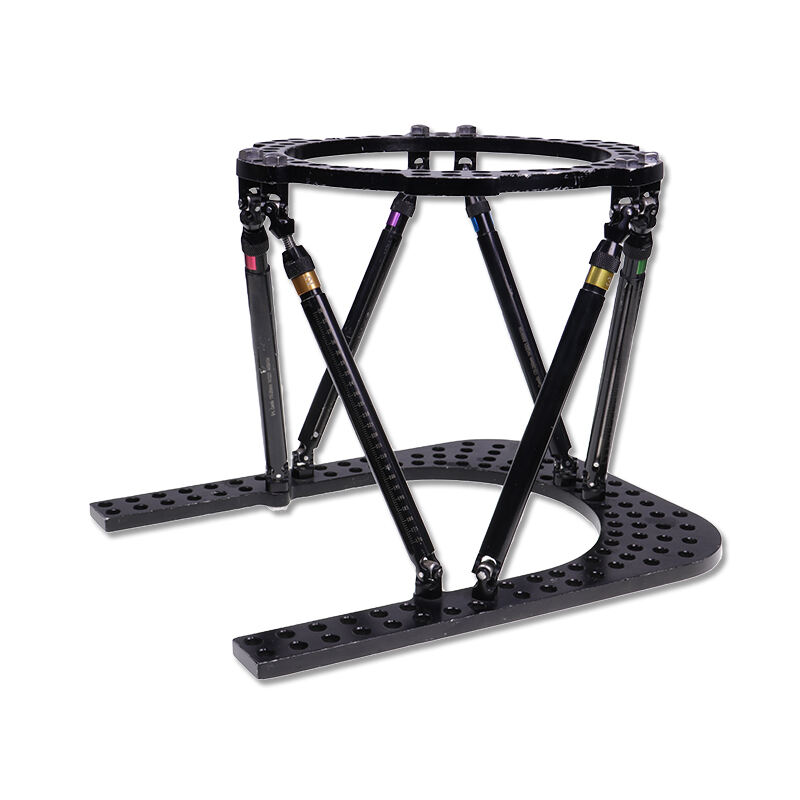
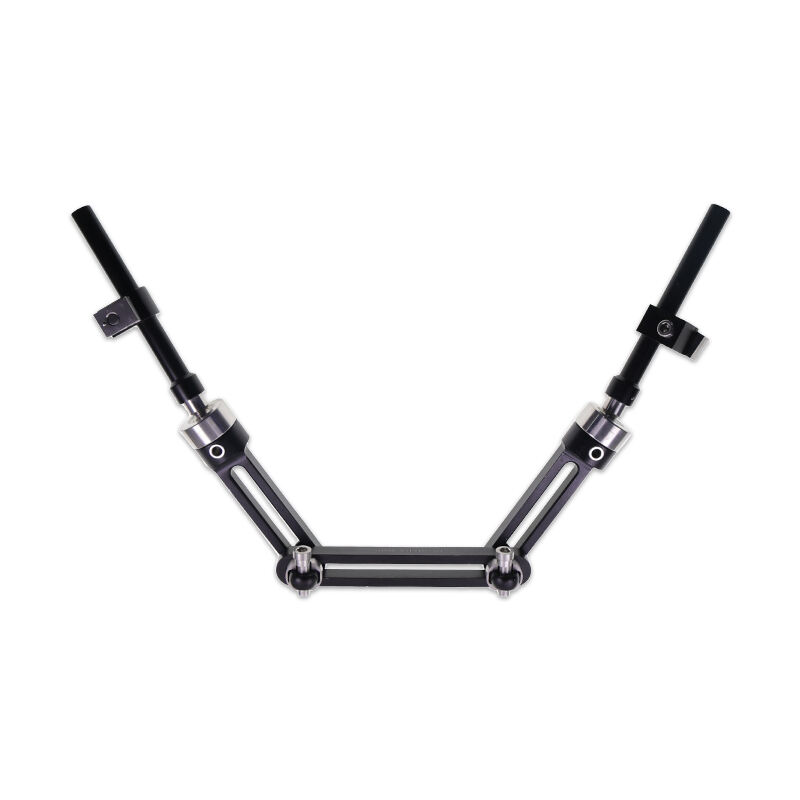
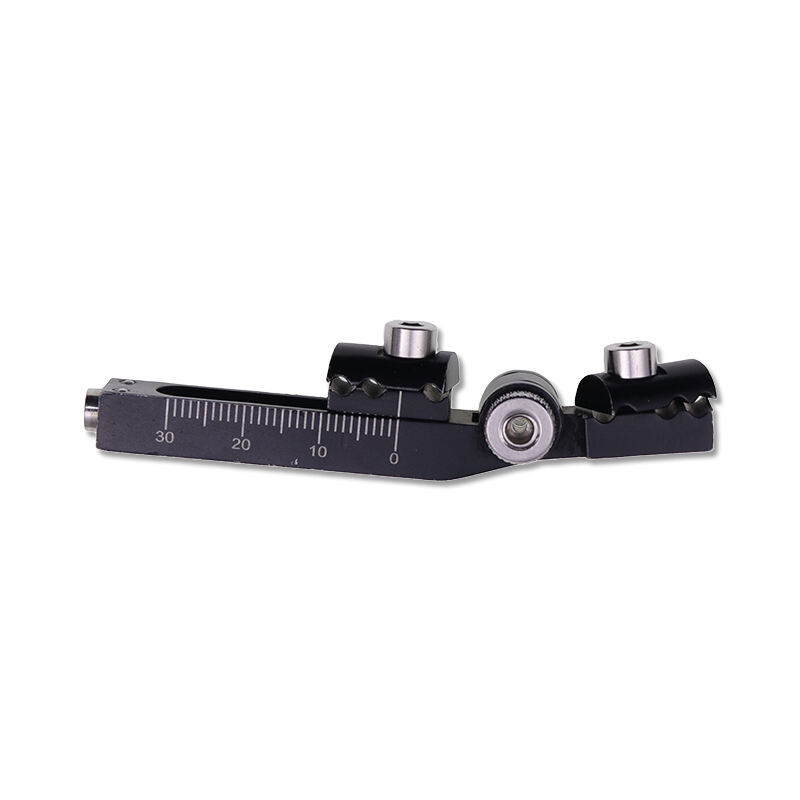
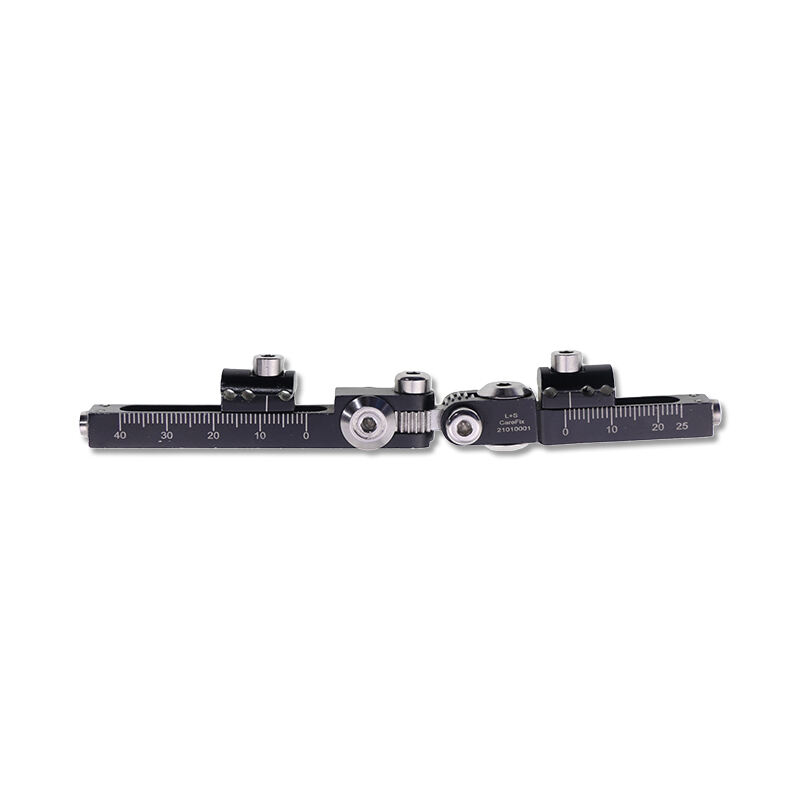
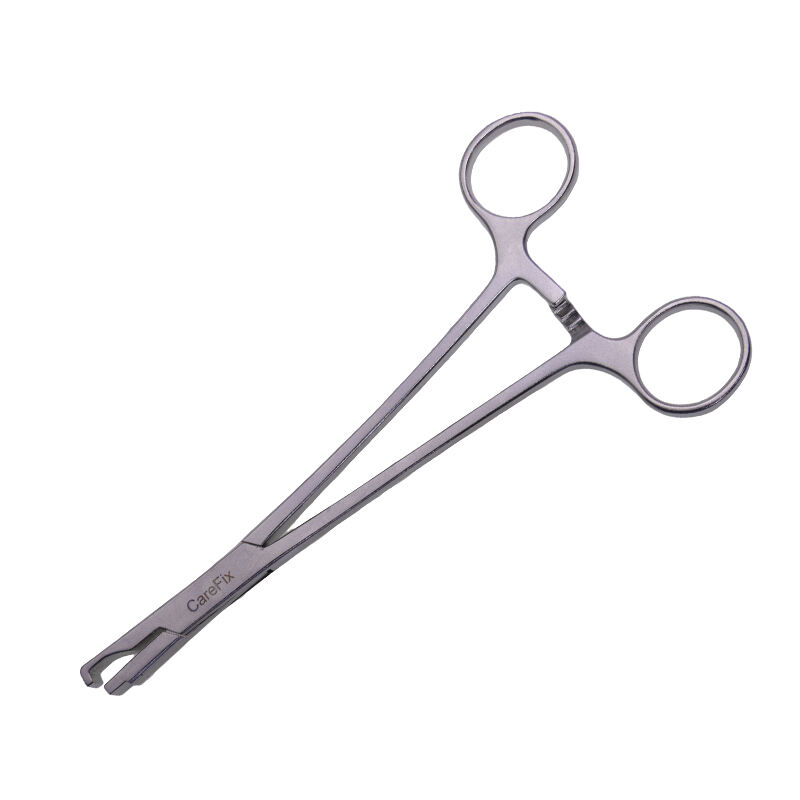
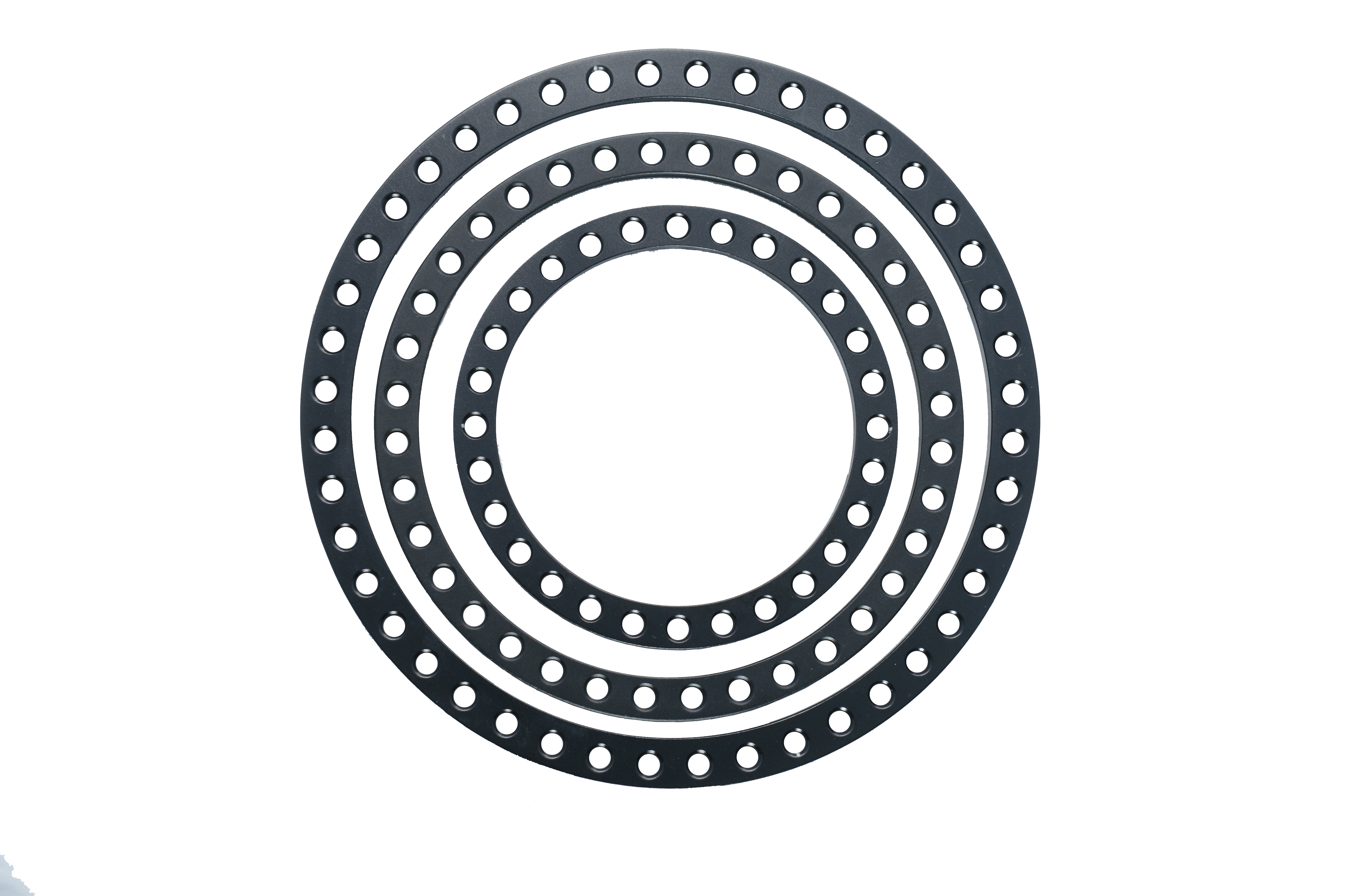
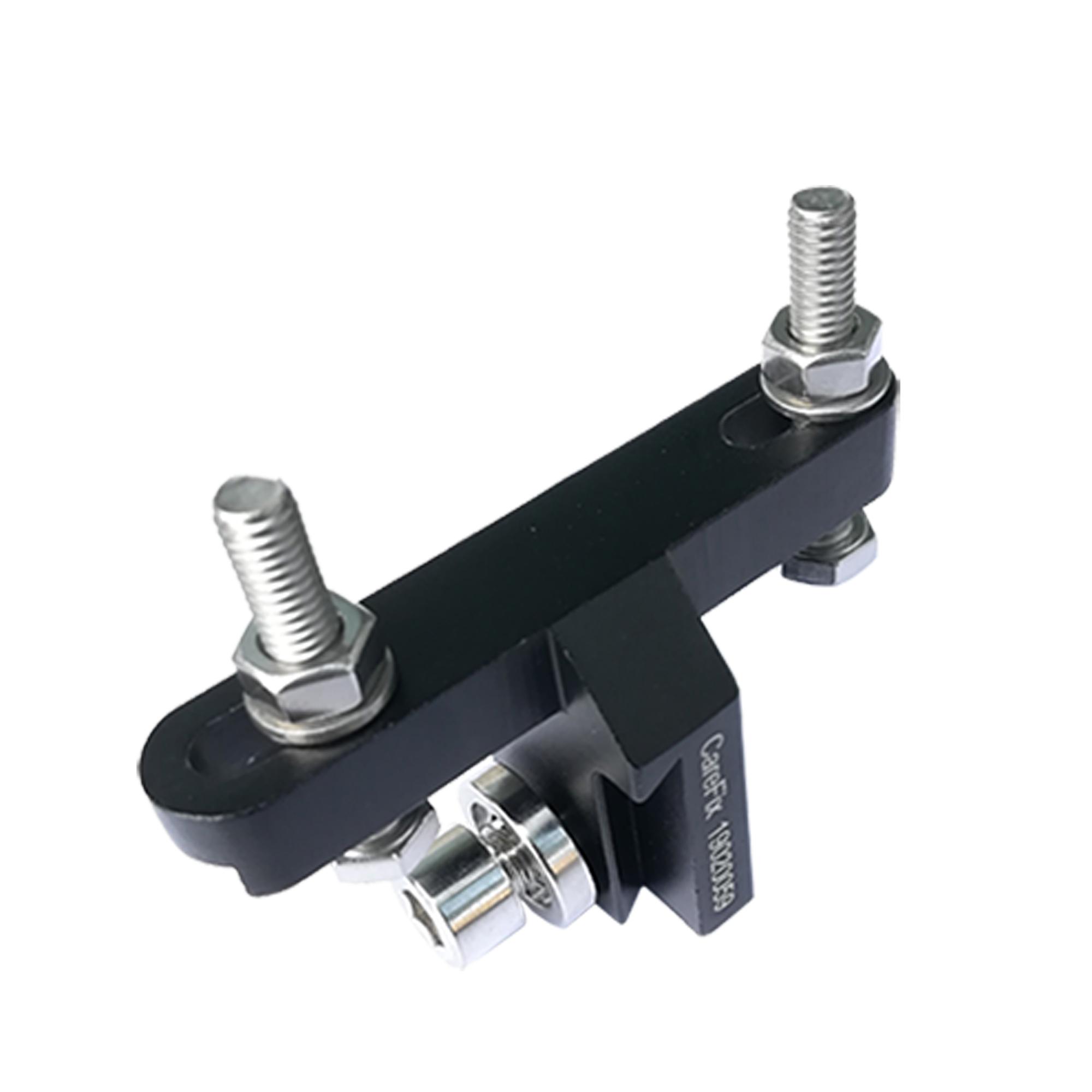
External fixation components are specialized medical devices used in orthopedic surgery to stabilize and support fractured or damaged bones from outside the body. These systems consist of pins, wires, rings, rods, and clamps that work together to hold bone fragments in proper alignment during the healing process. External fixation components provide surgeons with versatile treatment options for complex fractures, limb lengthening procedures, bone deformity corrections, and trauma cases where internal fixation may not be suitable. The modular design of external fixation components allows medical professionals to customize configurations based on each patient's specific anatomical needs and injury patterns. These devices are manufactured from biocompatible materials such as stainless steel, titanium alloys, and carbon fiber composites to ensure strength, durability, and patient safety. Modern external fixation components incorporate advanced engineering principles that enable precise adjustments throughout the treatment period, supporting gradual bone realignment and controlled distraction osteogenesis. The technology has evolved significantly to include hybrid systems that combine circular and linear frames, providing enhanced stability while minimizing soft tissue damage. Healthcare facilities worldwide rely on external fixation components for managing open fractures, infected nonunions, polytrauma patients, and pediatric orthopedic conditions. The accessibility of external fixation components for post-operative adjustments and wound care makes them particularly valuable in complex clinical scenarios where traditional casting or internal hardware would be insufficient or contraindicated for optimal patient outcomes.

New Product Recommendations

Choosing external fixation components offers multiple practical benefits that directly impact treatment success and patient recovery. These devices provide immediate mechanical stability to fractured bones without requiring extensive surgical dissection, reducing operative time and minimizing blood loss compared to internal fixation methods. Medical teams can easily access and monitor wounds, perform dressing changes, and assess soft tissue healing without removing the stabilization framework, which is especially crucial for contaminated or infected fractures. External fixation components allow for dynamic adjustments throughout the healing process, enabling surgeons to modify alignment, compression, or distraction forces without additional invasive procedures. This adaptability proves invaluable when managing complex deformities or performing gradual bone lengthening protocols that require incremental changes over weeks or months. Patients benefit from earlier mobilization possibilities since external fixation components maintain bone stability while permitting joint movement and physical therapy activities that prevent stiffness and muscle atrophy. The removability of external fixation components eliminates the need for subsequent hardware extraction surgeries, reducing healthcare costs and patient burden associated with implant removal procedures. These systems work effectively across diverse patient populations, from pediatric cases with growing bones to elderly patients with osteoporotic fractures where internal fixation might fail. Healthcare providers appreciate the versatility of external fixation components for temporary stabilization in damage control orthopedics, allowing definitive treatment once patient conditions stabilize. The transparent treatment process enables better patient education and engagement, as individuals can visualize their healing progress and understand the mechanical principles supporting their recovery journey with external fixation components.

Latest News

Application of carbon fiber material external fixation bracket in clinical practice

13

Jan

Application of carbon fiber material external fixation bracket in clinical practice

The integration of advanced materials in orthopedic surgery has revolutionized patient care and treatment outcomes. Among these innovations, carbon fiber external fixation systems have emerged as a superior alternative to traditional metal frameworks...
View More
Understanding Intramedullary Nail Complications

13

Jan

Understanding Intramedullary Nail Complications

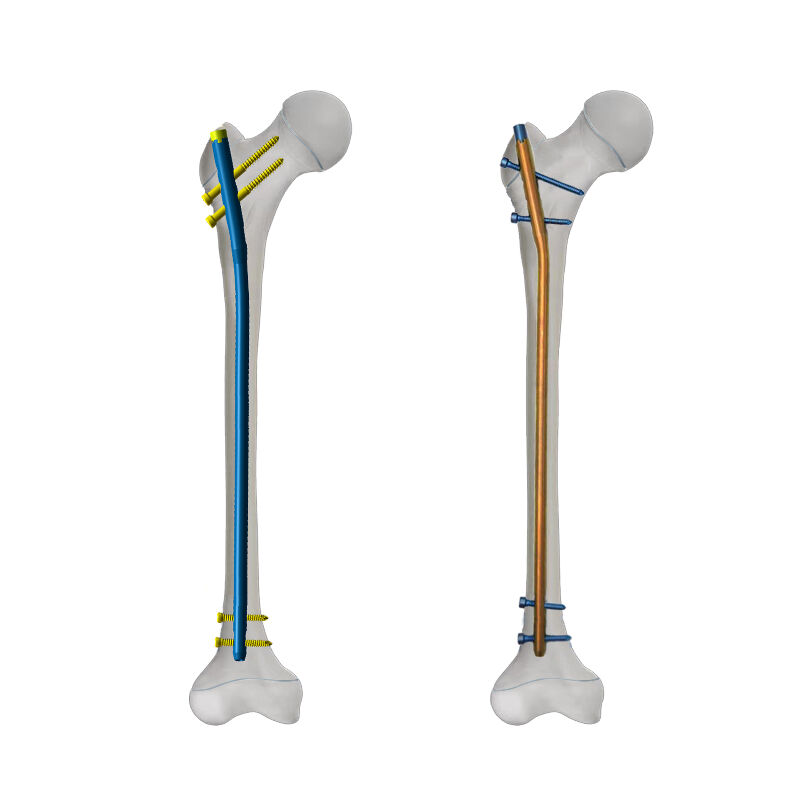
Intramedullary nail complications represent a significant concern in orthopedic surgery, affecting patient outcomes and recovery timelines. These complications can arise during insertion, throughout the healing process, or during long-term implant re...
View More
The application advantages of modular braces in ankle fractures

11

Feb

The application advantages of modular braces in ankle fractures

Ankle fractures represent one of the most challenging orthopedic conditions, requiring precise stabilization and optimal healing conditions. Modern orthopedic treatment has evolved significantly with the introduction of advanced fixation systems, par...
View More
Finite Element Optimization Design and Biomechanical Validation of Personalized IM Nails

11

Feb

Finite Element Optimization Design and Biomechanical Validation of Personalized IM Nails

The evolution of orthopedic trauma surgery has reached a pivotal moment with the emergence of personalized IM nails that revolutionize fracture treatment approaches. Advanced computational modeling and finite element analysis have enabled surgeons to...
View More

Get a Free Quote

Our representative will contact you soon.
Email
Name
Company Name
Message
0/1000

external fixation components

Modular Design for Customized Treatment Solutions

Modular Design for Customized Treatment Solutions

External fixation components feature a highly modular architecture that empowers orthopedic surgeons to build patient-specific configurations tailored to individual fracture patterns and anatomical requirements. This design flexibility means that each component can be independently selected and assembled to address unique clinical challenges, from simple diaphyseal fractures to complex periarticular injuries involving multiple bone fragments. The interchangeable nature of external fixation components allows medical professionals to combine different ring sizes, rod lengths, connection clamps, and fixation pins to create optimal geometric constructs that provide maximum stability while respecting neurovascular structures and soft tissues. This customization capability extends throughout the treatment period, as surgeons can add, remove, or reposition components without compromising overall frame integrity. The modular approach of external fixation components significantly reduces inventory requirements for healthcare facilities since a strategic selection of universal parts can address numerous clinical scenarios rather than stocking procedure-specific complete systems. This versatility translates to cost efficiency and ensures readiness for emergency trauma situations where immediate stabilization is critical for patient outcomes.
Minimally Invasive Application with Superior Access

Minimally Invasive Application with Superior Access

External fixation components offer a minimally invasive stabilization method that preserves the biological environment around fracture sites, promoting natural healing processes while maintaining mechanical support. Unlike traditional internal fixation that requires extensive soft tissue stripping and periosteal disruption, external fixation components are applied through small percutaneous incisions that minimize surgical trauma and reduce infection risks. This approach proves particularly advantageous for open fractures where contaminated wounds require frequent inspection, debridement, and dressing changes throughout the treatment course. Healthcare providers can directly visualize and manage soft tissue complications without removing stabilization hardware, enabling concurrent fracture management and wound care optimization. The external positioning of fixation components facilitates comprehensive wound access that supports advanced treatment modalities including negative pressure therapy, skin grafting, and plastic surgical reconstruction procedures. Patients experience reduced postoperative pain since external fixation components avoid the tissue irritation and hardware prominence issues sometimes associated with internal implants. The non-invasive nature of external fixation components makes them ideal for patients with compromised soft tissue envelopes, severe swelling, or vascular injuries where traditional surgical approaches would compound existing tissue damage and potentially compromise limb viability.
Dynamic Adjustment Capability Throughout Healing

Dynamic Adjustment Capability Throughout Healing

External fixation components provide unparalleled dynamic adjustment capabilities that support evolving treatment strategies as bone healing progresses and clinical conditions change. Surgeons can modify compression forces to promote fracture site contact and stimulate callus formation during early healing phases, then transition to neutral or distraction modes as consolidation advances. This mechanical control through external fixation components enables gradual correction of angular deformities, rotational malalignment, or limb length discrepancies using incremental adjustments performed in outpatient settings without additional anesthesia or surgical intervention. The ability to fine-tune mechanical environment parameters optimizes biological responses and accelerates healing timelines compared to static fixation methods. External fixation components excel in distraction osteogenesis applications where controlled bone lengthening occurs through programmed daily adjustments that stimulate new bone formation in the distraction gap. Patients and caregivers can be trained to perform prescribed adjustments at home, promoting treatment compliance and reducing healthcare visit frequency. This dynamic functionality of external fixation components transforms complex reconstructive procedures into manageable protocols with predictable outcomes. The real-time adjustability addresses complications promptly, allowing immediate response to alignment issues, hardware loosening, or changing clinical circumstances without waiting for scheduled revision surgeries that would delay recovery and increase patient morbidity.
logo