Taylor Spatial Frame: Advanced Orthopedic Solution

Get a Free Quote

Our representative will contact you soon.
Email
Name
Company Name
Message
0/1000

taylor spatial frame

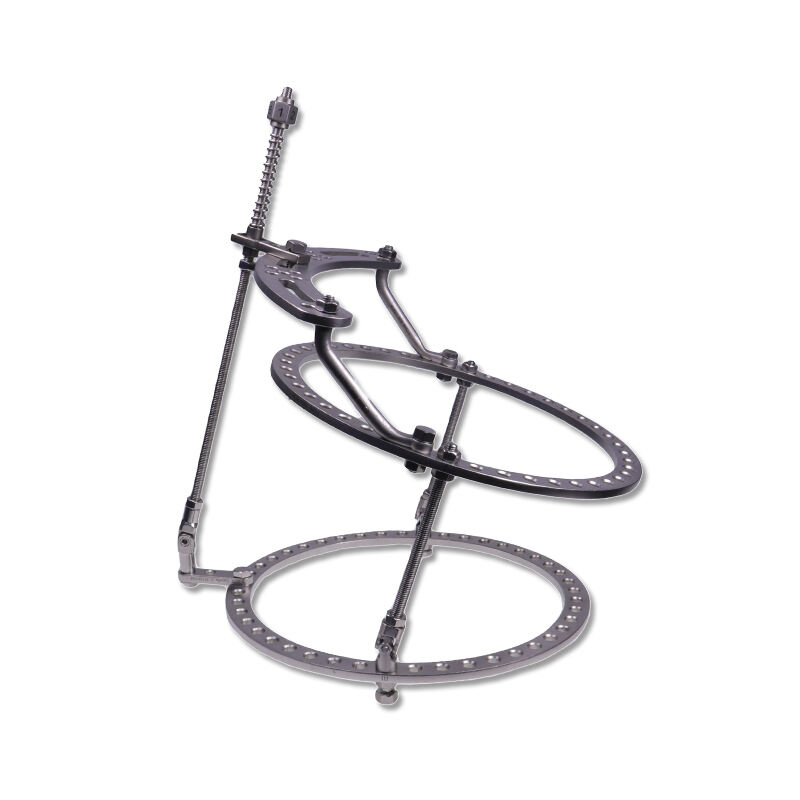
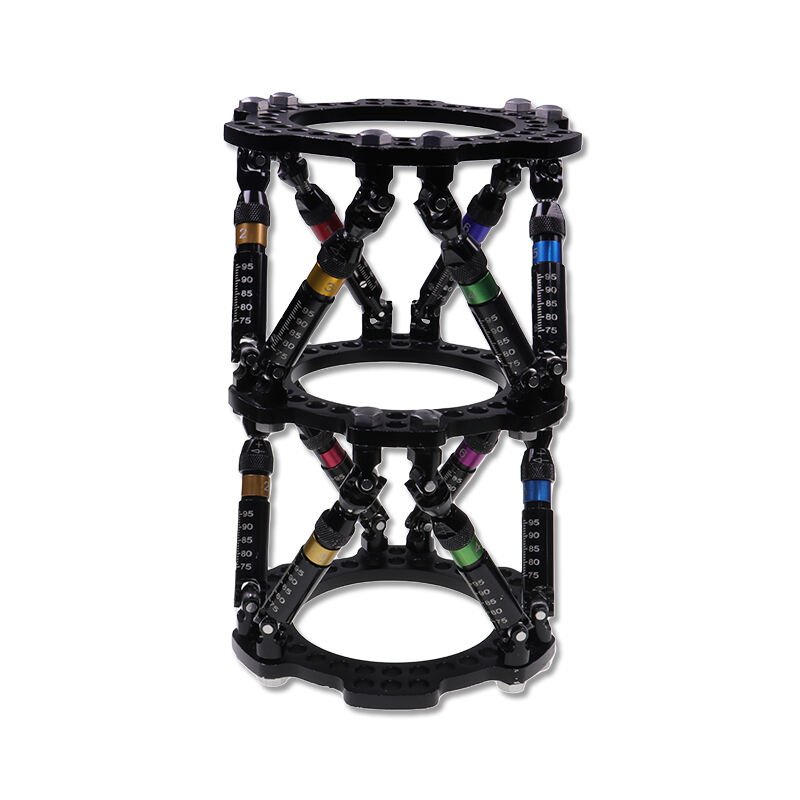
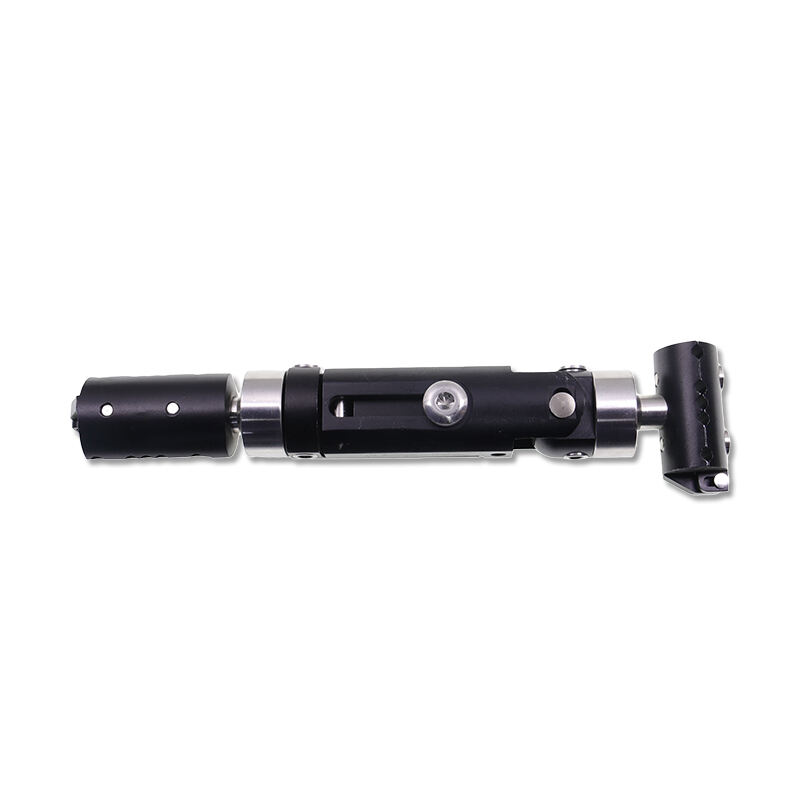
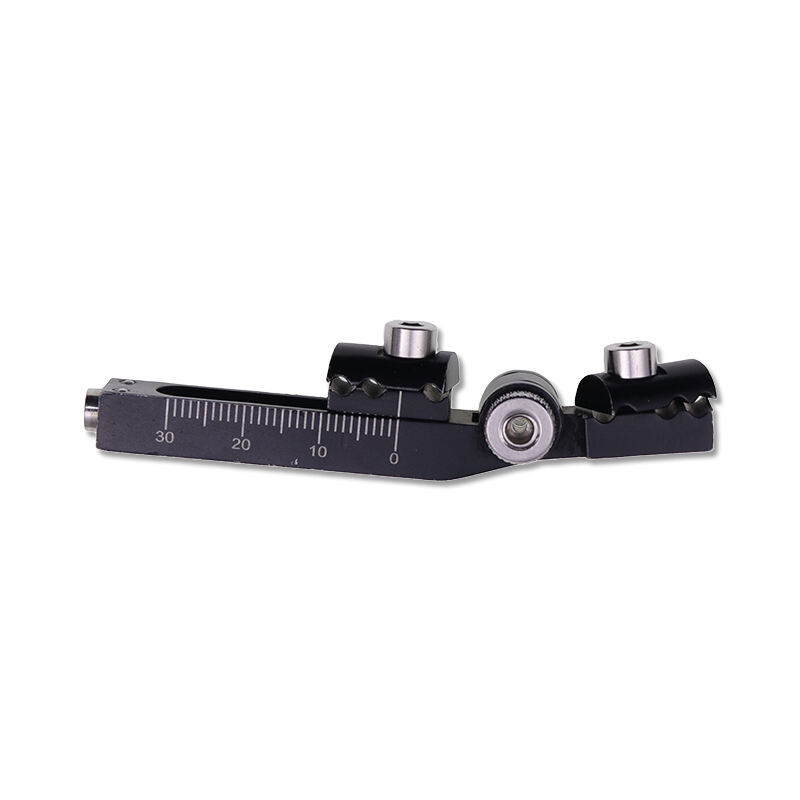
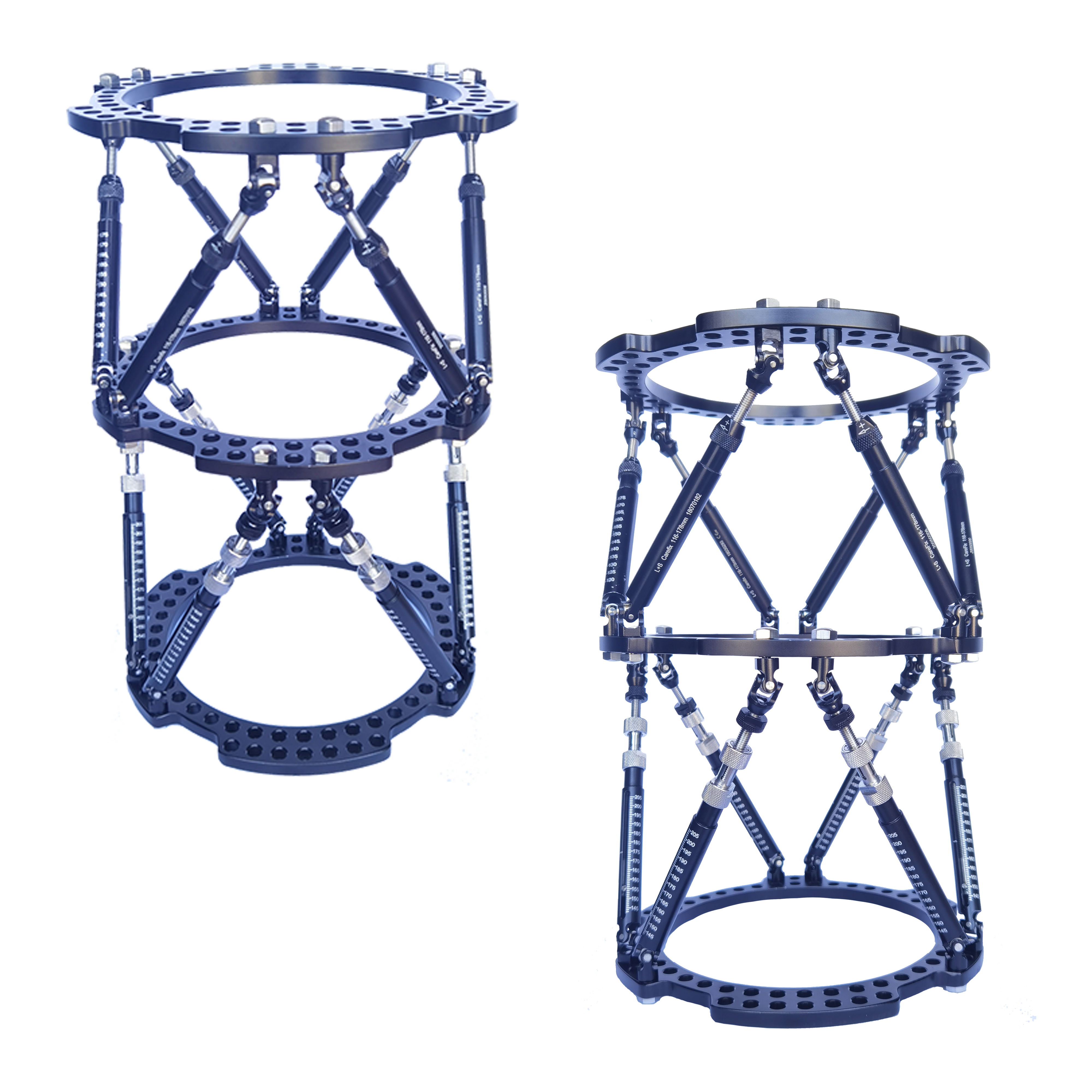
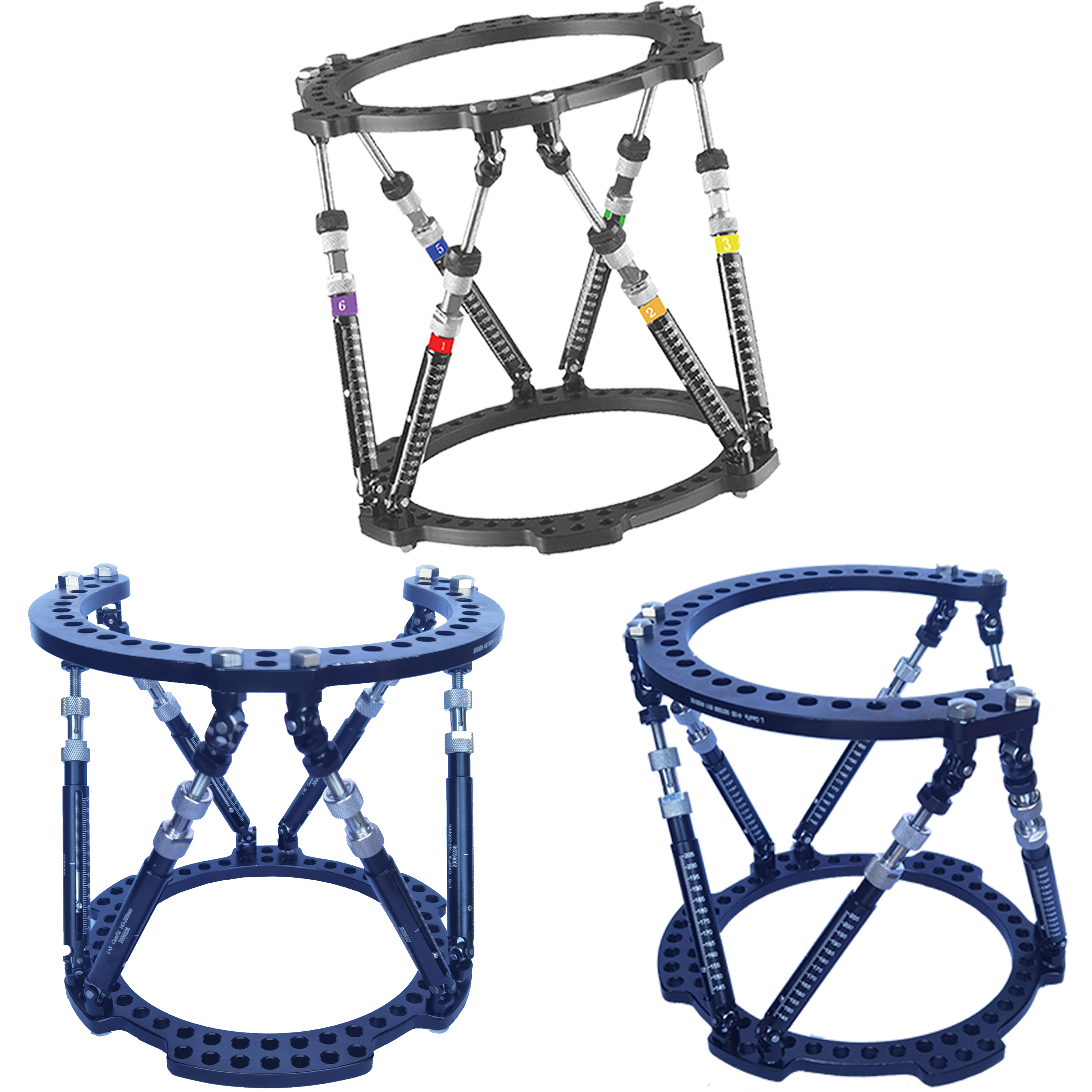
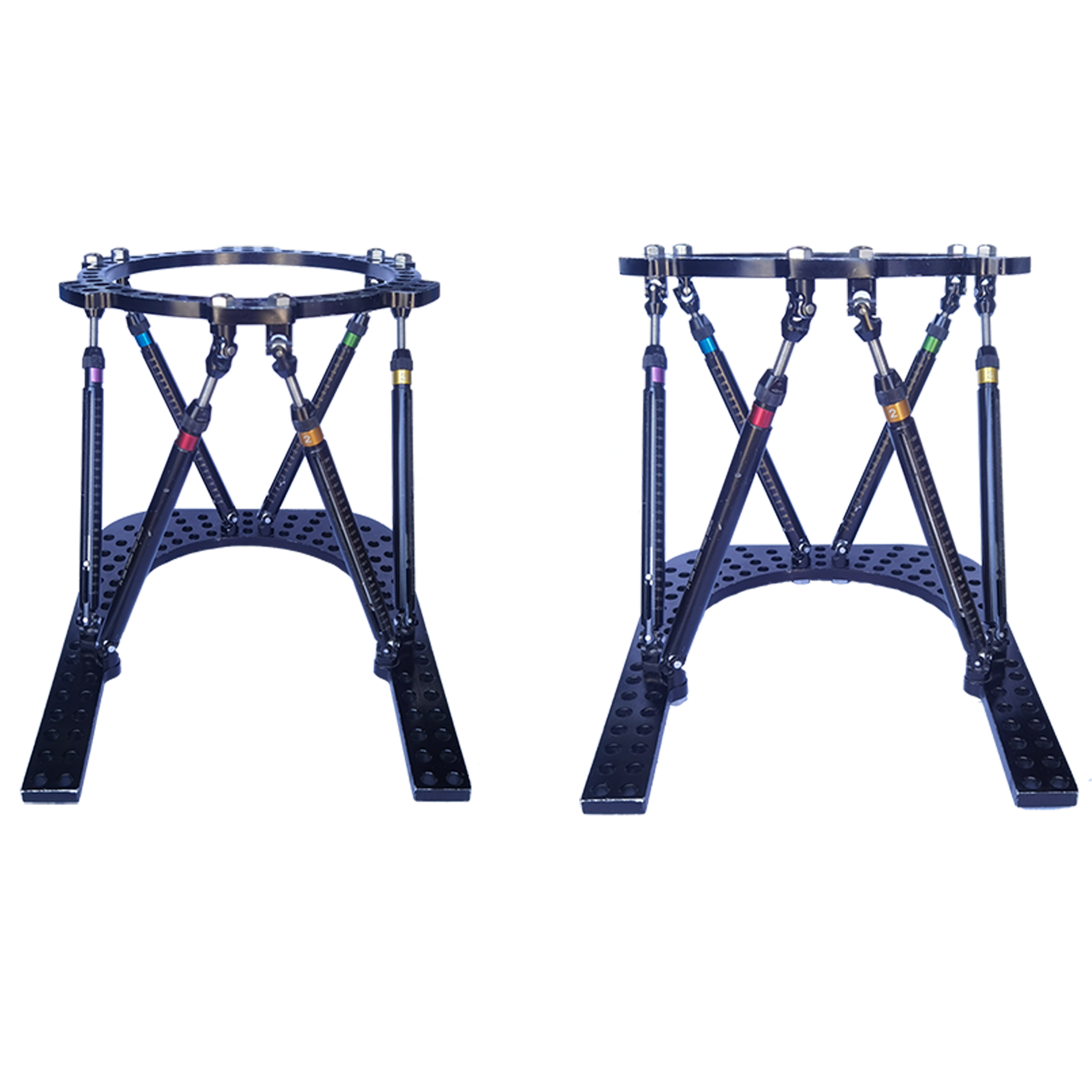
The Taylor Spatial Frame is an advanced external fixation system designed to correct complex bone deformities and facilitate healing in orthopedic cases. This innovative medical device consists of two rings connected by six adjustable struts that surround the affected limb, providing three-dimensional control over bone positioning. Developed by orthopedic surgeon Dr. J. Charles Taylor, the Taylor Spatial Frame utilizes sophisticated computer software to calculate precise adjustments needed for optimal bone alignment. The system works by allowing surgeons to input patient-specific data and deformity parameters into specialized software, which then generates a personalized treatment plan with daily strut adjustment schedules. This external fixator can simultaneously correct multiple deformities including length discrepancies, angular deformities, rotational problems, and translational issues. The Taylor Spatial Frame is particularly valuable in treating fracture non-unions, malunions, congenital limb deformities, and post-traumatic bone complications. Its versatility extends to both pediatric and adult patients, making it suitable for various orthopedic conditions affecting the tibia, femur, radius, ulna, and other long bones. The device enables gradual correction over weeks or months, allowing soft tissues to adapt while maintaining patient mobility during treatment. Medical professionals worldwide have adopted the Taylor Spatial Frame as a gold standard for complex limb reconstruction, appreciating its accuracy, predictability, and ability to address deformities that traditional methods struggle to manage effectively.

Popular Products

The Taylor Spatial Frame offers significant advantages that transform how orthopedic surgeons approach complex bone corrections. Patients benefit from increased mobility during treatment since the external fixator allows weight-bearing and movement while healing progresses, unlike traditional casting methods that immobilize limbs completely. This mobility promotes better circulation, reduces muscle atrophy, and improves overall quality of life during recovery periods that may extend several months. The precision of the Taylor Spatial Frame eliminates much of the guesswork associated with conventional external fixators, as computer-calculated adjustments ensure accurate bone positioning throughout treatment. Surgeons appreciate how the system handles multiple simultaneous corrections, addressing length, alignment, rotation, and translation issues in one comprehensive treatment rather than requiring multiple surgical interventions. The non-invasive adjustment process empowers patients or caregivers to make simple strut changes at home following clear instructions, reducing hospital visits and associated costs while maintaining treatment effectiveness. Clinical outcomes demonstrate higher success rates in achieving desired corrections compared to traditional external fixation methods, with reduced complication rates and improved bone healing. The Taylor Spatial Frame accommodates mid-treatment plan modifications when unexpected healing patterns emerge, offering flexibility that rigid treatment protocols cannot match. Patients experience less pain and faster functional recovery because gradual adjustments respect biological healing processes rather than forcing immediate corrections. From a healthcare economics perspective, the system reduces overall treatment costs by minimizing revision surgeries, shortening hospital stays, and decreasing long-term complications that require additional interventions. The Taylor Spatial Frame represents a patient-centered approach that balances clinical effectiveness with practical daily living considerations, making complex orthopedic treatment more manageable for diverse patient populations.

Tips And Tricks

Special Needs of Children's Bones: Design Philosophy of Pediatric Internal Fixation Systems

16

Dec

Special Needs of Children's Bones: Design Philosophy of Pediatric Internal Fixation Systems

Children's bones present unique challenges that require specialized approaches in orthopedic surgery. Unlike adult skeletal structures, pediatric bones are constantly growing, adapting, and remodeling throughout development. When fractures or deformi...
View More
HTO Locking Plate: A Precise and Stable Solution for High Knee Joint Osteotomy

13

Jan

HTO Locking Plate: A Precise and Stable Solution for High Knee Joint Osteotomy

High tibial osteotomy represents one of the most effective surgical interventions for treating knee joint disorders, particularly those involving medial compartment osteoarthritis and varus deformity correction. The success of this procedure largely ...
View More
How to choose the appropriate size and thread of hollow screws?

11

Feb

How to choose the appropriate size and thread of hollow screws?

Selecting the right hollow screws for orthopedic procedures requires careful consideration of multiple factors that directly impact surgical outcomes and patient recovery. These specialized medical devices serve critical functions in bone fixation, t...
View More
Treatment of osteomyelitis and tibial pseudarthrosis: The advantages of the Ilizarov frame

06

Mar

Treatment of osteomyelitis and tibial pseudarthrosis: The advantages of the Ilizarov frame

The treatment of complex orthopedic conditions such as osteomyelitis and tibial pseudarthrosis presents significant challenges that require innovative surgical approaches. Among the most effective solutions available to orthopedic surgeons today is t...
View More

Get a Free Quote

Our representative will contact you soon.
Email
Name
Company Name
Message
0/1000

taylor spatial frame

Computer-Assisted Precision Technology

Computer-Assisted Precision Technology

The Taylor Spatial Frame incorporates groundbreaking computer software that revolutionizes deformity correction planning and execution. Surgeons input comprehensive patient data including X-ray measurements, deformity angles, and bone length discrepancies into the specialized program, which then calculates optimal correction pathways. This technology generates detailed prescription schedules specifying exactly how much to adjust each of the six struts daily, creating a personalized roadmap for bone realignment. The precision achievable through this computer-assisted approach far exceeds manual calculation methods, reducing human error and improving correction accuracy to within millimeters. This technological advantage means fewer revision procedures and better functional outcomes for patients. The software accommodates complex three-dimensional deformities that would be nearly impossible to address using traditional methods, expanding treatment possibilities for conditions previously considered too challenging. Medical teams can visualize the correction process digitally before implementation, discussing treatment expectations with patients using clear visual representations. This technological sophistication translates into tangible benefits: faster healing, more predictable results, and enhanced patient confidence throughout the treatment journey.
Simultaneous Multi-Plane Correction Capability

Simultaneous Multi-Plane Correction Capability

One of the most remarkable features of the Taylor Spatial Frame is its ability to correct multiple bone deformities simultaneously across different anatomical planes. Traditional external fixators typically address only one or two problems at a time, often requiring staged surgeries and prolonged treatment periods. The Taylor Spatial Frame overcomes these limitations by controlling bone position in six axes of movement concurrently, managing length discrepancies, angular deformities in multiple planes, rotational misalignments, and translational shifts all within a single treatment cycle. This comprehensive approach significantly reduces total treatment time and minimizes the number of surgical interventions patients must endure. For individuals with complex congenital deformities or severe trauma cases, this capability represents the difference between achievable correction and permanent disability. The six-strut configuration provides mechanical stability while allowing precise adjustments, maintaining bone fragments in optimal position as healing progresses. Surgeons can fine-tune the correction strategy mid-treatment if bone healing responds differently than anticipated, offering adaptability that rigid fixation systems cannot provide. This multi-dimensional control makes the Taylor Spatial Frame particularly valuable for challenging cases involving growth plate injuries, bone infections, or failed previous surgeries where standard approaches have proven inadequate.
Enhanced Patient Mobility and Comfort

Enhanced Patient Mobility and Comfort

Unlike conventional casting or rigid external fixation that severely restricts movement, the Taylor Spatial Frame prioritizes patient mobility and functional capacity throughout the healing process. The open frame design allows patients to bear weight on the affected limb according to surgeon guidelines, maintaining muscle strength and joint flexibility that would otherwise deteriorate during immobilization. Patients can perform daily activities, attend school or work, and participate in modified physical activities while undergoing treatment, dramatically improving psychological well-being and reducing the social isolation often associated with long-term orthopedic treatments. The external position of the frame facilitates wound care, hygiene maintenance, and skin monitoring, reducing infection risks compared to systems that limit access to the limb. Parents of pediatric patients particularly appreciate how the device allows children to remain active and engaged rather than being confined to beds or wheelchairs. The gradual adjustment protocol distributes correction forces over time, minimizing pain and discomfort compared to acute surgical corrections. Patients typically manage pin site care and frame adjustments at home after proper training, reducing dependence on healthcare facilities and lowering treatment costs. This combination of mobility, comfort, and independence represents a patient-centered design philosophy that recognizes recovery extends beyond bone healing to encompass overall quality of life and functional restoration.
logo