Circular External Fixator Solutions

Get a Free Quote

Our representative will contact you soon.
Email
Name
Company Name
Message
0/1000

circular external fixator

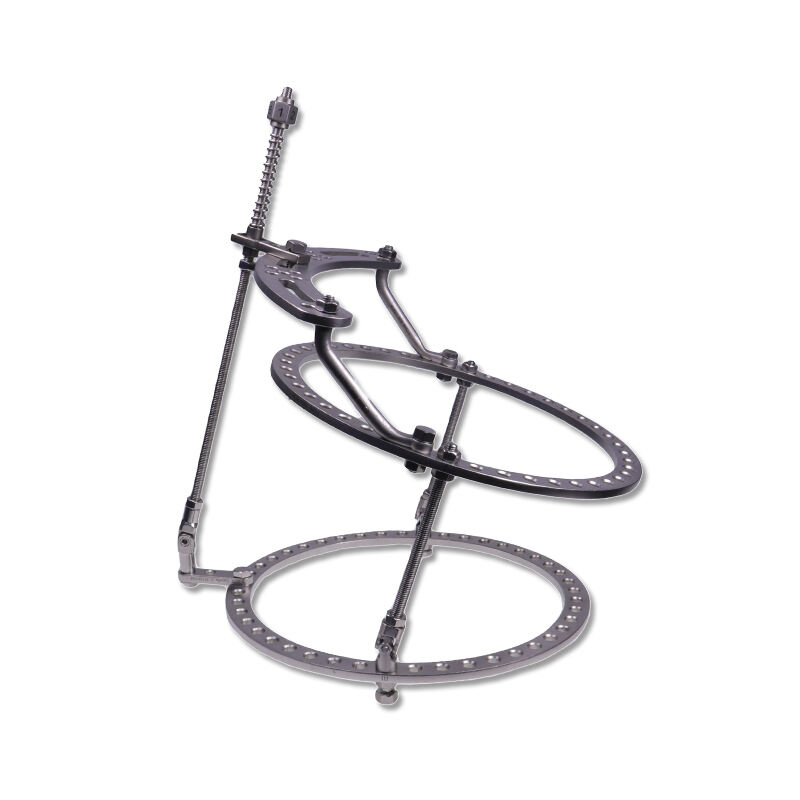
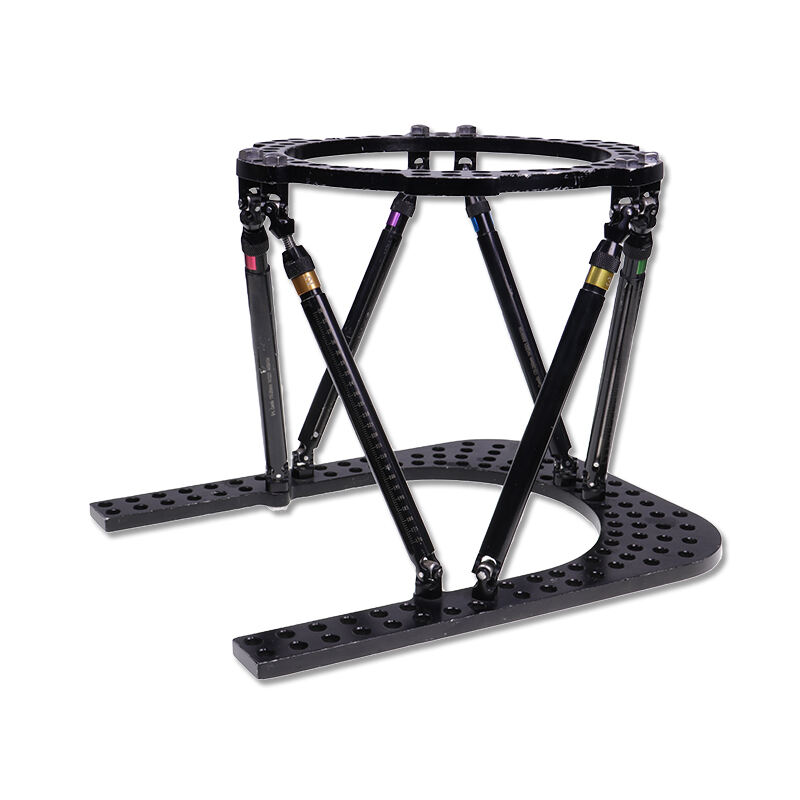
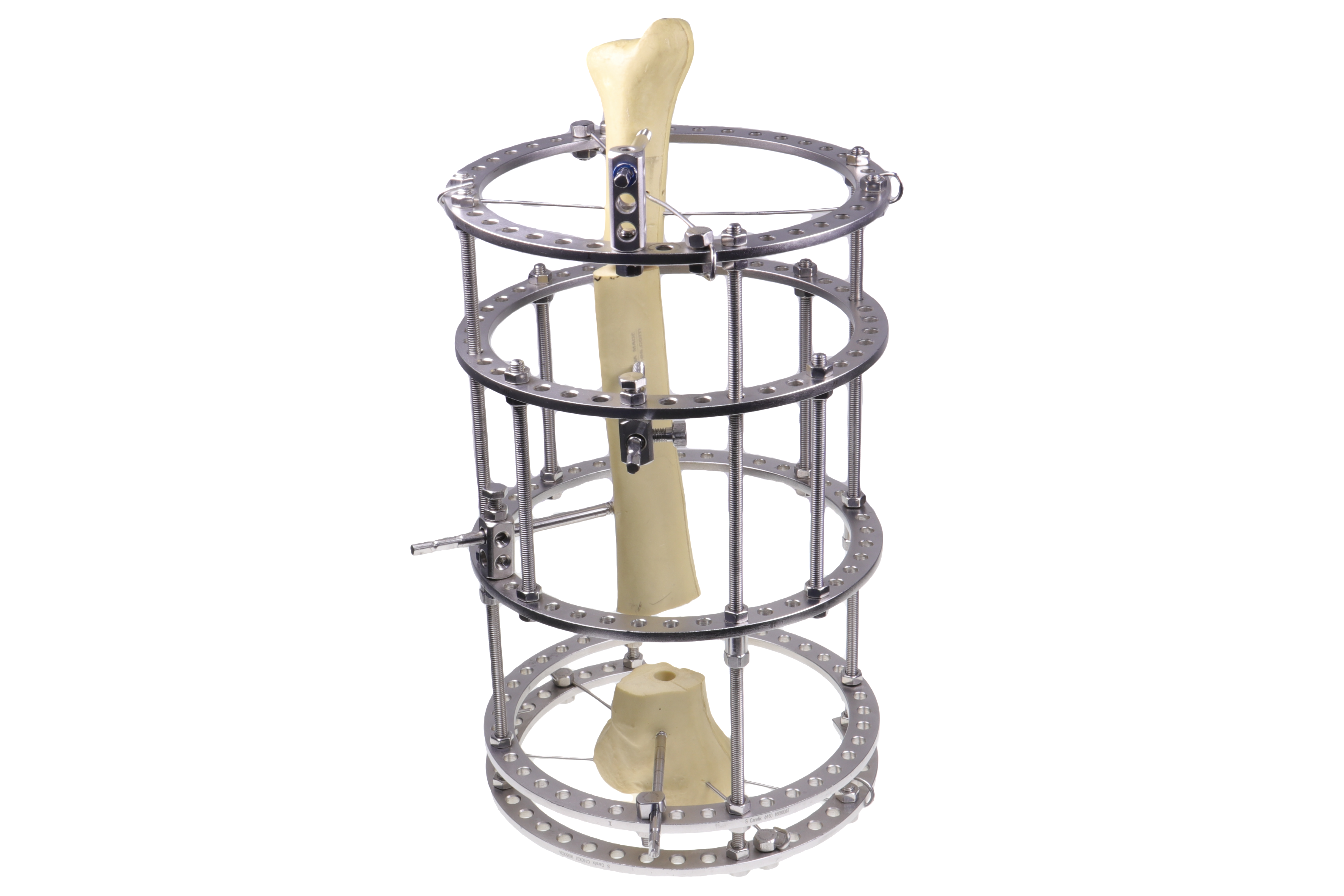
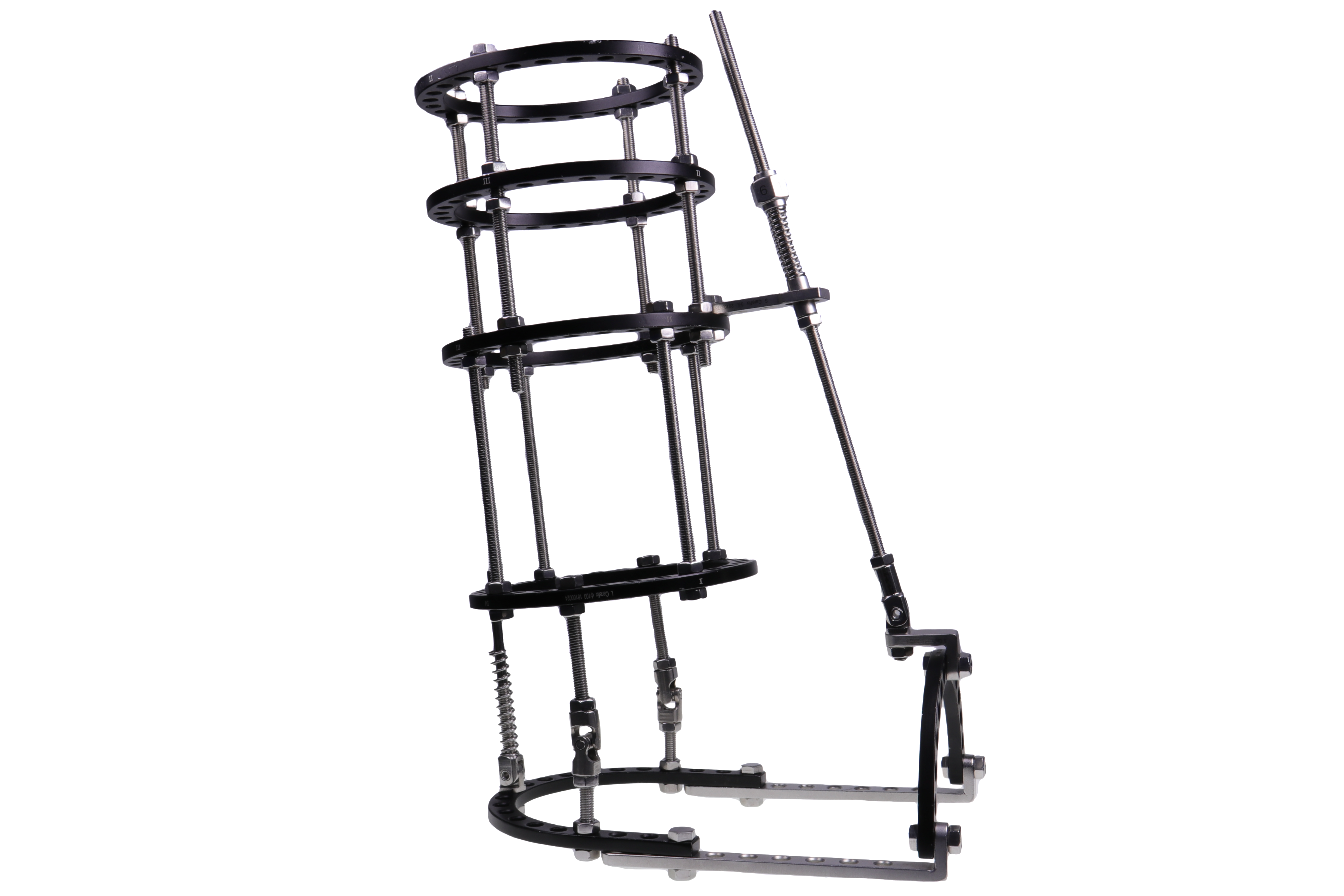
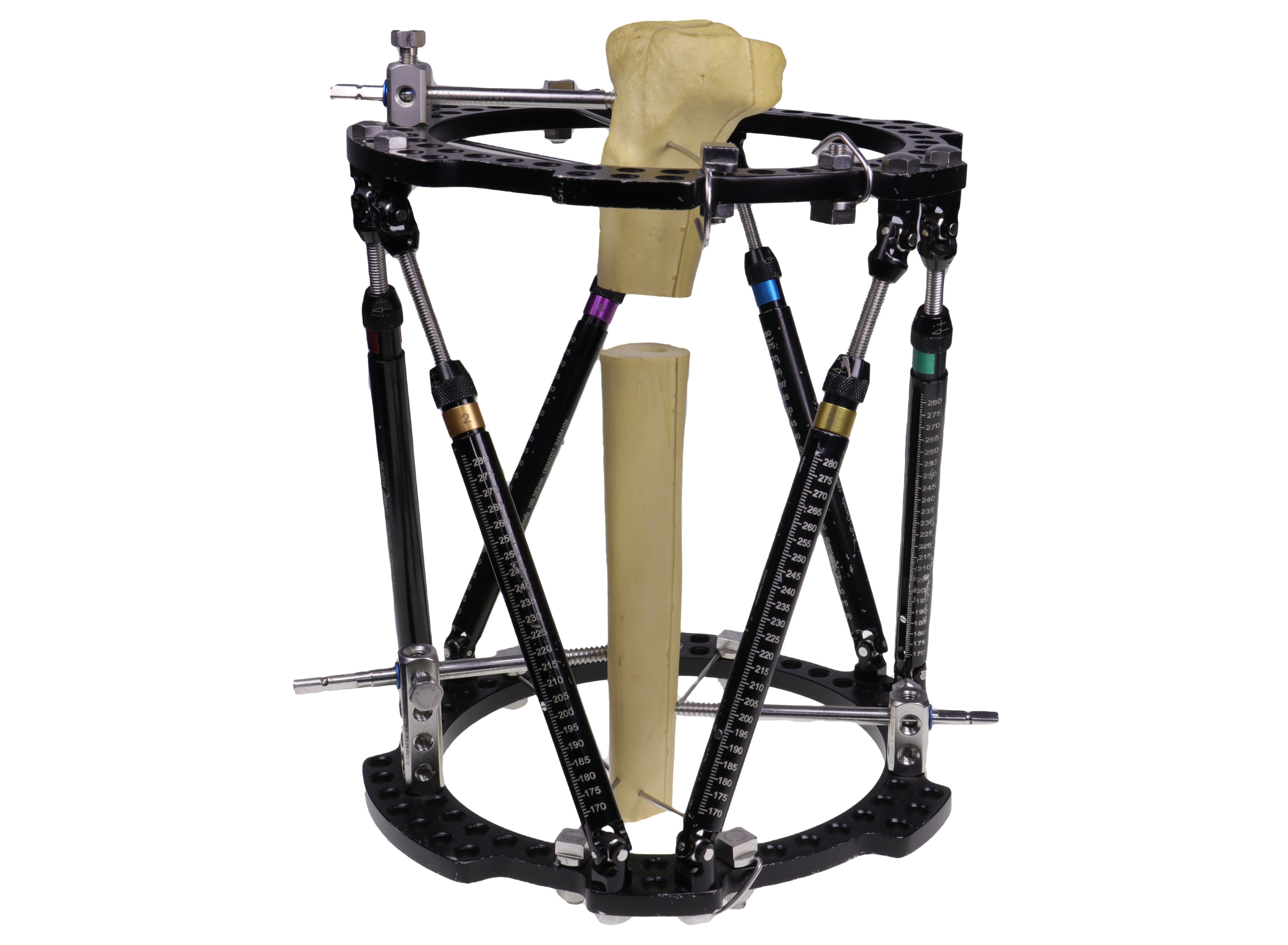
A circular external fixator is an advanced orthopedic device designed to stabilize and treat complex bone fractures, deformities, and limb length discrepancies through external skeletal fixation. This innovative system consists of rings, wires, rods, and adjustable components that encircle the affected limb, providing three-dimensional stability while allowing precise bone alignment and gradual correction. The circular external fixator works by connecting tensioned wires or half-pins through the bone to external circular rings, creating a stable framework that supports healing without restricting access to soft tissues. Modern circular external fixator systems incorporate modular components that enable surgeons to customize configurations for specific clinical needs, from simple fracture stabilization to complex deformity corrections and bone transport procedures. The technology features multi-planar adjustment capabilities, allowing healthcare providers to make incremental corrections during the treatment process without additional surgeries. Applications span trauma care, reconstructive surgery, limb lengthening procedures, and bone infection management. The circular external fixator proves particularly valuable in treating open fractures where internal fixation poses infection risks, managing non-unions and malunions, correcting congenital or acquired deformities, and facilitating bone regeneration through distraction osteogenesis. Its versatility extends to pediatric and adult populations, addressing conditions ranging from acute injuries to chronic skeletal problems requiring long-term gradual correction and bone remodeling.

New Products

The circular external fixator delivers substantial benefits that directly improve patient outcomes and treatment efficiency. First, this system provides exceptional stability across multiple planes while maintaining full access to wounds and soft tissues, enabling simultaneous fracture management and wound care without compromising either treatment aspect. Patients benefit from earlier weight-bearing capabilities compared to traditional methods, promoting faster rehabilitation and maintaining muscle strength throughout recovery. The adjustable nature of the circular external fixator allows physicians to make precise corrections gradually over time, reducing surgical interventions and associated risks while optimizing bone alignment with millimeter-level accuracy. This translates to fewer anesthesia exposures and lower overall treatment costs for patients and healthcare facilities. The modular design accommodates various anatomical locations and clinical scenarios, making it a versatile investment that addresses multiple orthopedic challenges with a single system. Healthcare providers appreciate the reduced radiation exposure during application compared to internal fixation procedures, as the external approach requires minimal fluoroscopy time. Patients experience preserved joint mobility during treatment since the circular external fixator does not cross joints unnecessarily, facilitating better functional outcomes and shorter rehabilitation periods. The system proves especially valuable when dealing with infected bones or compromised soft tissues, situations where internal hardware would risk complications. Additionally, the external positioning simplifies removal after healing completes, typically requiring only local anesthesia rather than another major surgery. For facilities managing complex orthopedic cases, the circular external fixator represents a reliable solution that enhances clinical capabilities while offering patients safer, more adaptable treatment options with proven success rates across diverse conditions and patient populations.

Practical Tips

Special Needs of Children's Bones: Design Philosophy of Pediatric Internal Fixation Systems

16

Dec

Special Needs of Children's Bones: Design Philosophy of Pediatric Internal Fixation Systems

Children's bones present unique challenges that require specialized approaches in orthopedic surgery. Unlike adult skeletal structures, pediatric bones are constantly growing, adapting, and remodeling throughout development. When fractures or deformi...
View More
Expanding the Boundaries of IM Nail Technology: Periarticular Fractures and Deformity Correction

06

Mar

Expanding the Boundaries of IM Nail Technology: Periarticular Fractures and Deformity Correction

Modern orthopedic surgery continues to evolve with innovative solutions that address complex fracture patterns and deformity corrections. The telescopic intramedullary nail represents a significant advancement in treating challenging periarticular fr...
View More
Ankle internal fixation system: Advantages of ankle locking plate in the treatment of complex fractures

06

Mar

Ankle internal fixation system: Advantages of ankle locking plate in the treatment of complex fractures

Complex ankle fractures represent one of the most challenging orthopedic injuries, requiring precise surgical intervention and advanced fixation techniques to restore optimal function and stability. The ankle locking plate has emerged as a revolution...
View More
Treatment of osteomyelitis and tibial pseudarthrosis: The advantages of the Ilizarov frame

06

Mar

Treatment of osteomyelitis and tibial pseudarthrosis: The advantages of the Ilizarov frame

The treatment of complex orthopedic conditions such as osteomyelitis and tibial pseudarthrosis presents significant challenges that require innovative surgical approaches. Among the most effective solutions available to orthopedic surgeons today is t...
View More

Get a Free Quote

Our representative will contact you soon.
Email
Name
Company Name
Message
0/1000

circular external fixator

Three-Dimensional Stability with Adjustable Precision

Three-Dimensional Stability with Adjustable Precision

The circular external fixator establishes superior biomechanical stability through its unique ring-and-wire configuration that controls bone fragments in all spatial planes simultaneously. Tensioned wires crossing at different angles distribute forces evenly, preventing rotation, angulation, and translation while supporting the bone during healing. This multi-directional control proves critical when managing complex fracture patterns or performing gradual deformity corrections that require sustained, precise positioning over extended periods. The system's adjustable struts and hinges enable controlled modifications throughout treatment, allowing physicians to fine-tune alignment incrementally based on radiographic assessments and healing progress. Patients benefit from this precision as it directly correlates with improved anatomical restoration, better joint congruency, and reduced risk of malunion. The ability to adjust the circular external fixator without reopening surgical sites minimizes patient discomfort and infection risks while maximizing correction accuracy. This feature particularly benefits limb lengthening procedures where millimeter-by-millimeter distraction occurs daily, and deformity corrections requiring gradual angular or rotational changes. The engineering behind this stability-plus-adjustability combination represents a significant advancement over fixed external systems, delivering both immediate fracture control and long-term corrective capabilities within one versatile framework.
Minimal Soft Tissue Disruption with Maximum Access

Minimal Soft Tissue Disruption with Maximum Access

Unlike internal fixation methods requiring extensive surgical dissection, the circular external fixator achieves bone stabilization through minimally invasive wire and pin insertion, preserving soft tissue integrity and vascular supply essential for healing. This approach dramatically reduces surgical trauma, shortens operative time, and lowers infection risks, particularly valuable when treating high-energy injuries with compromised skin and muscle. The external positioning maintains complete access to wounds, burns, or surgical sites, enabling comprehensive wound management, dressing changes, and tissue monitoring without disturbing skeletal stability. Healthcare teams can assess healing progress visually and intervene promptly if complications develop, something impossible with buried internal hardware. Patients with open fractures, severe swelling, or vascular injuries especially benefit from this accessibility, as it accommodates staged treatment protocols and allows simultaneous management of bone and soft tissue injuries. The circular external fixator facilitates negative pressure wound therapy, skin grafting, and flap procedures while maintaining fracture reduction, eliminating the need to choose between optimal wound care and skeletal stability. This simultaneous treatment capability accelerates overall recovery, reduces hospital stays, and improves final outcomes by addressing all injury components concurrently rather than sequentially. For surgeons managing polytrauma or complex reconstructive cases, this accessibility represents a critical advantage that enhances treatment flexibility and patient safety throughout the recovery journey.

Versatile Applications Across Multiple Conditions

Versatile Applications Across Multiple Conditions

The circular external fixator addresses an exceptionally broad spectrum of orthopedic conditions, making it an invaluable tool for comprehensive skeletal care. Beyond acute fracture management, this system excels in treating bone infections like osteomyelitis through distraction techniques that generate healthy new bone while maintaining limb function. Congenital deformities, growth plate injuries, and post-traumatic malunions respond well to the gradual correction capabilities that avoid abrupt realignment and associated soft tissue complications. Limb length discrepancies, whether developmental or acquired, undergo safe correction through controlled distraction osteogenesis, with the circular external fixator providing stable support during the months-long bone regeneration process. The system adapts to pediatric growth considerations and adult revision scenarios equally well, accommodating different bone sizes and correction magnitudes through its modular component library. Complex cases involving bone loss benefit from bone transport techniques where the circular external fixator moves bone segments gradually to fill defects while stimulating new bone formation. Athletic injuries requiring rapid return to weight-bearing, osteoporotic fractures needing enhanced stability, and failed previous treatments all fall within this system's treatment scope. This versatility means facilities investing in circular external fixator technology gain capability across trauma, reconstructive, pediatric, and specialized orthopedic services rather than purchasing single-purpose equipment, maximizing return on investment while expanding patient care options significantly.
logo