Ring External Fixator: Advanced Bone Stabilization

Get a Free Quote

Our representative will contact you soon.
Email
Name
Company Name
Message
0/1000

ring external fixator

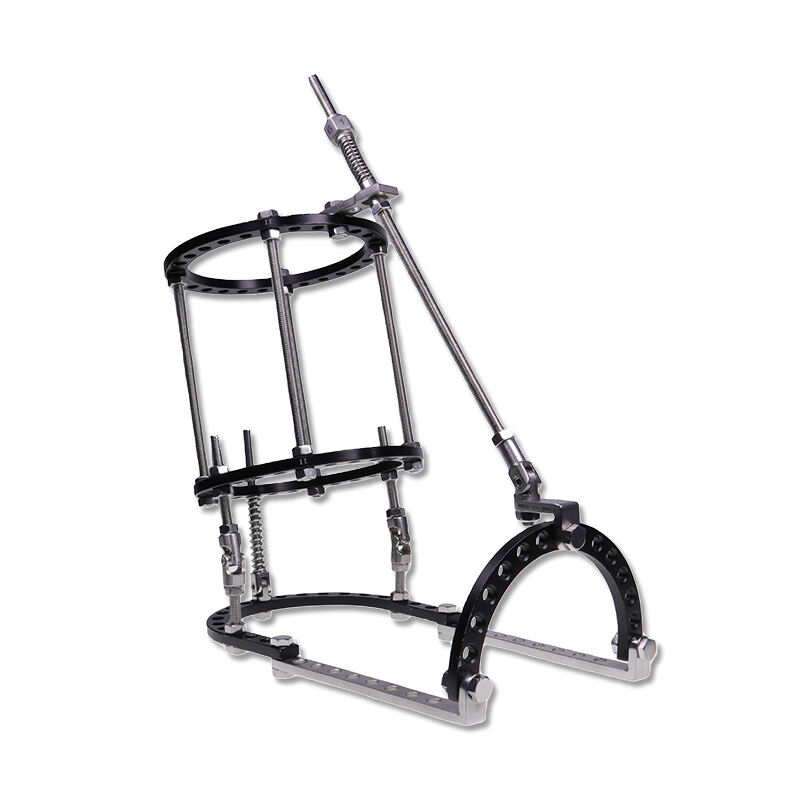
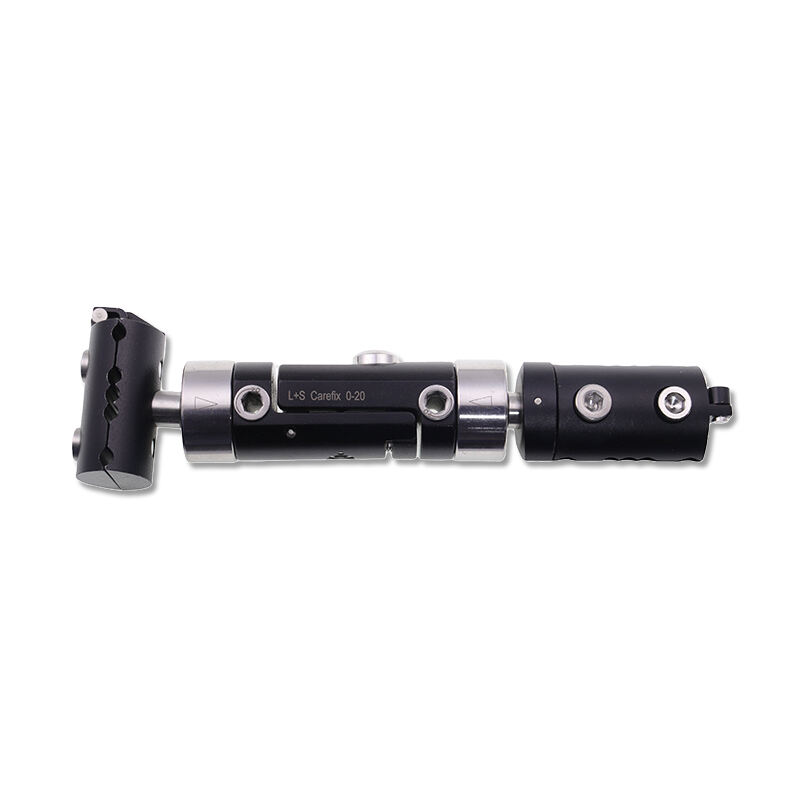
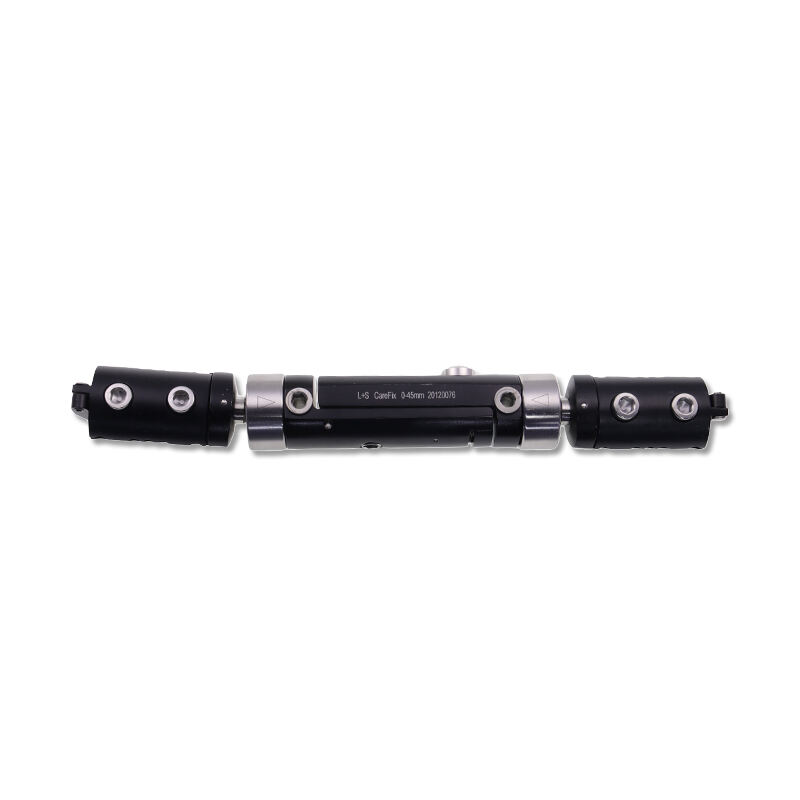
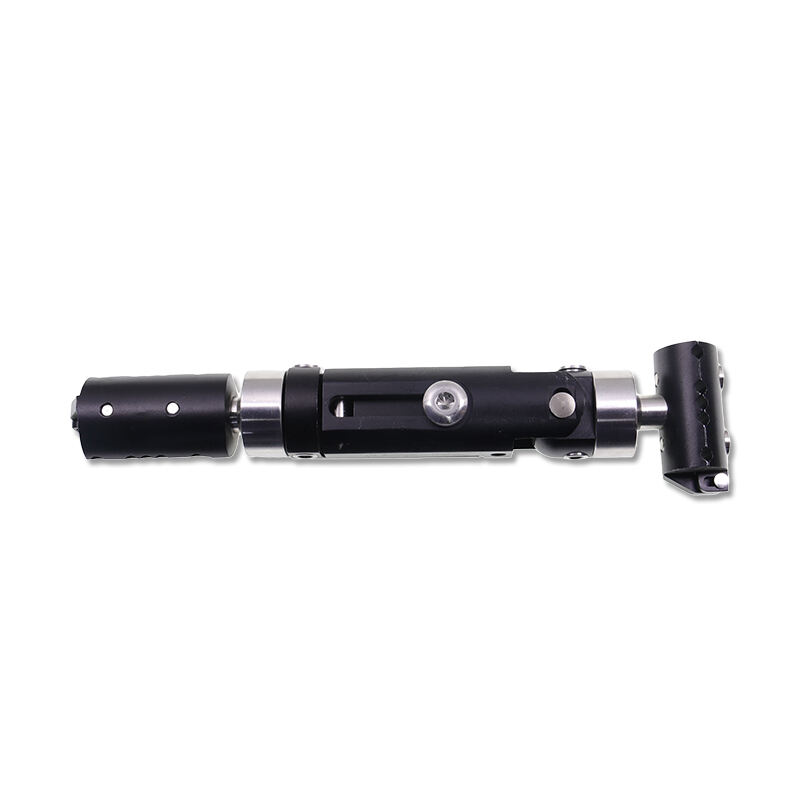
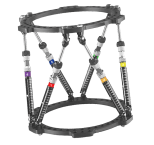
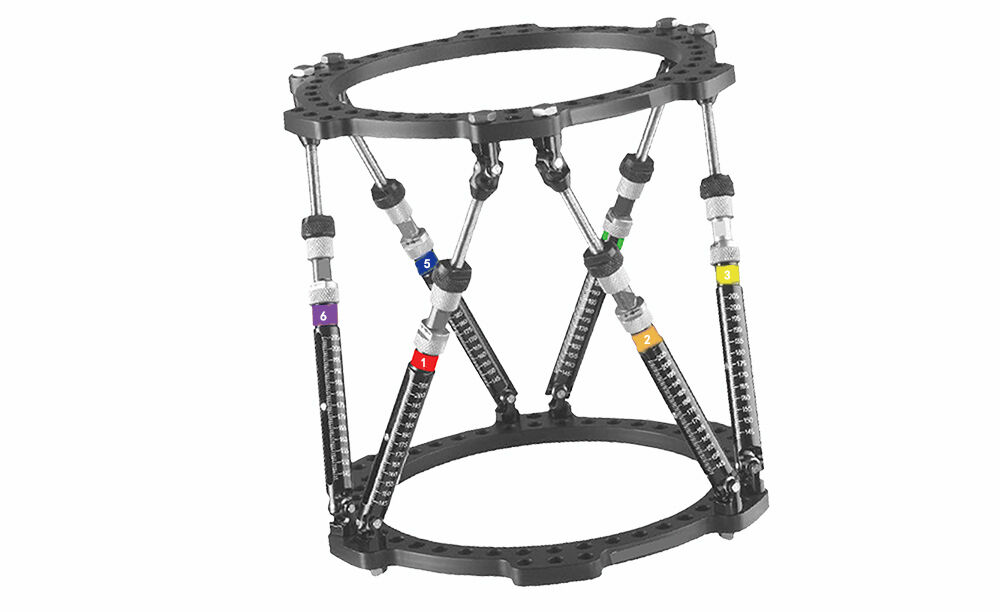
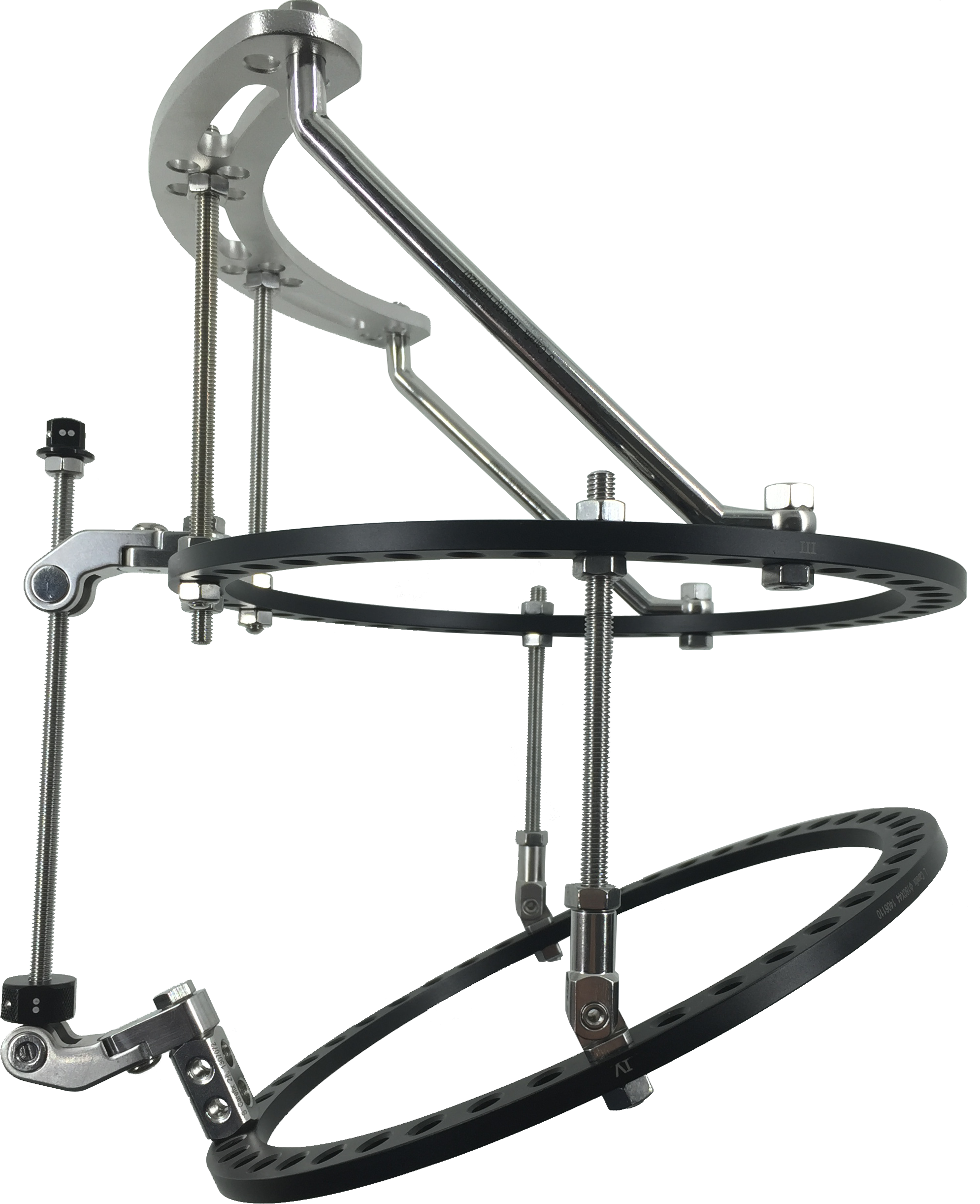
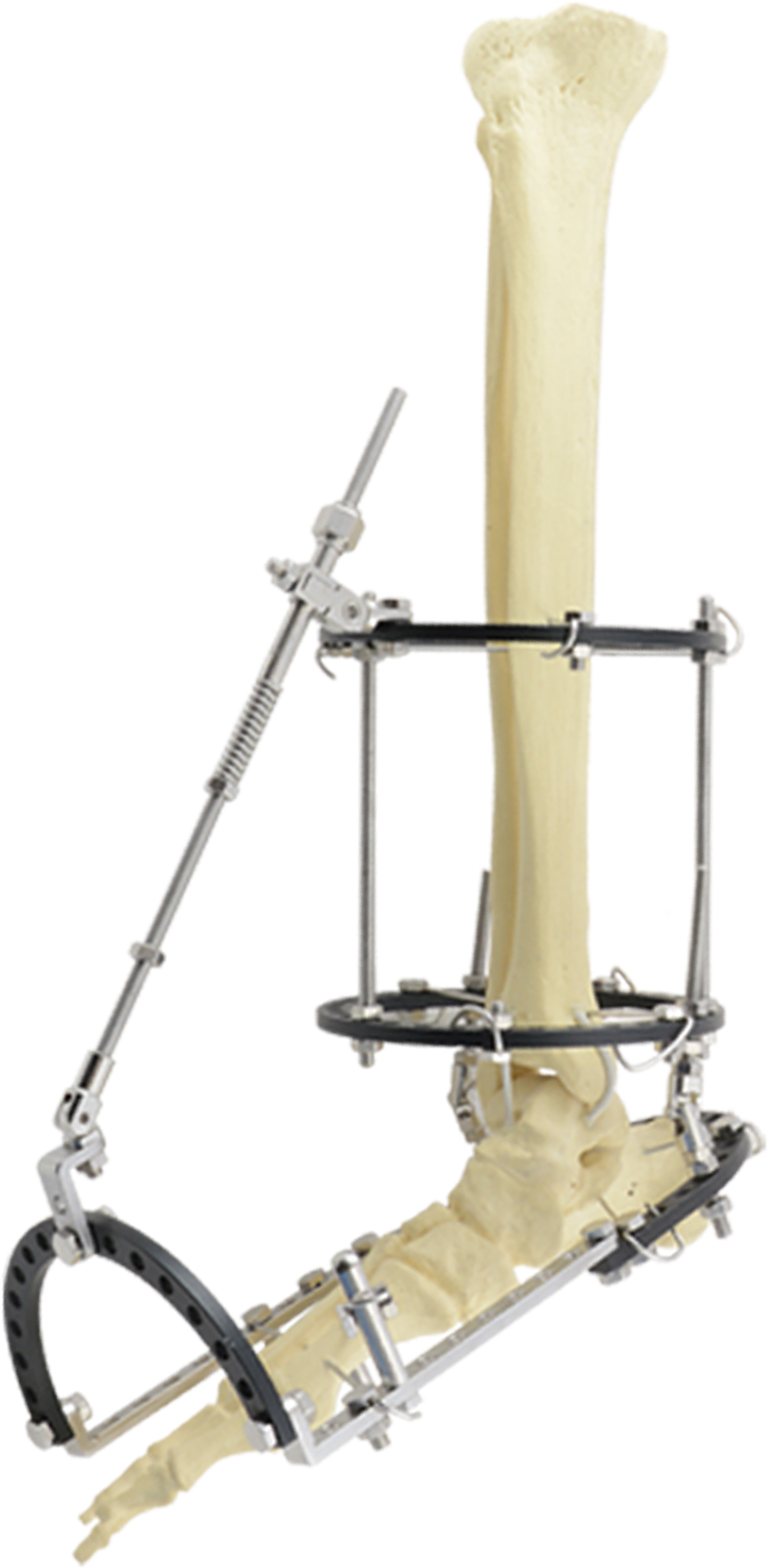
A ring external fixator is an advanced orthopedic device designed to stabilize and correct bone fractures, deformities, and limb length discrepancies through external mechanical support. This sophisticated system consists of circular rings made from lightweight aluminum or carbon fiber materials, connected by threaded rods and wires that penetrate the bone to provide rigid fixation. The ring external fixator operates on the principle of controlled mechanical tension, allowing surgeons to gradually adjust bone position and alignment over time. This technology excels in treating complex fractures, non-unions, malunions, and congenital deformities where traditional internal fixation methods prove inadequate. The device's modular design enables precise three-dimensional correction capabilities, making it invaluable for limb reconstruction surgery and bone lengthening procedures. Medical professionals rely on the ring external fixator for its ability to maintain stable bone alignment while preserving soft tissue integrity and allowing early patient mobility. The system's versatility extends to treating open fractures with extensive soft tissue damage, infected fractures requiring frequent wound access, and cases where internal hardware placement poses infection risks. Contemporary ring external fixator designs incorporate biomechanical engineering principles that distribute forces evenly across the limb, promoting optimal healing conditions. The technology supports dynamic compression and distraction techniques essential for bone regeneration and deformity correction, establishing it as a cornerstone treatment modality in reconstructive orthopedic surgery and trauma management.

Popular Products

The ring external fixator delivers exceptional stability for complex bone injuries while allowing patients to bear weight and begin rehabilitation earlier than conventional treatment methods permit. This accelerated mobility reduces muscle atrophy, maintains joint function, and significantly improves overall recovery outcomes. The device provides unrestricted access to wounds and soft tissues, enabling healthcare providers to perform necessary wound care, monitor healing progress, and address complications without removing the fixation system. Patients benefit from reduced infection risks compared to internal fixation hardware since the ring external fixator minimizes foreign material inside the body while maintaining strong mechanical support. The adjustable nature of this system empowers surgeons to make precise post-operative corrections without additional surgical procedures, simply by modifying the tension and alignment of external components during follow-up visits. This adaptability proves particularly valuable when treating growing children, as the ring external fixator accommodates ongoing skeletal development and allows gradual corrections over extended periods. The technology suits patients with compromised bone quality, severe osteoporosis, or metabolic conditions where internal plates and screws would fail to achieve adequate purchase. Cost considerations favor the ring external fixator in many clinical scenarios, as the reusable frame components reduce per-case expenses while delivering superior outcomes for challenging cases. Patients appreciate the visible nature of the device, which allows them to understand their treatment progress and participate actively in their recovery journey. The ring external fixator excels in salvaging limbs that might otherwise require amputation, preserving function and quality of life through innovative mechanical correction principles that work harmoniously with natural bone healing processes.

Practical Tips

Taylor brace: a new choice for minimally invasive treatment of complex fracture repair

11

Feb

Taylor brace: a new choice for minimally invasive treatment of complex fracture repair

The Taylor brace represents a significant advancement in orthopedic trauma management, offering surgeons and patients a minimally invasive alternative for treating complex fracture repairs. This innovative external fixation system has transformed the...
View More
Finite Element Optimization Design and Biomechanical Validation of Personalized IM Nails

11

Feb

Finite Element Optimization Design and Biomechanical Validation of Personalized IM Nails

The evolution of orthopedic trauma surgery has reached a pivotal moment with the emergence of personalized IM nails that revolutionize fracture treatment approaches. Advanced computational modeling and finite element analysis have enabled surgeons to...
View More
Cannulated screw system: Technological advancements in the treatment of ankle fractures

06

Mar

Cannulated screw system: Technological advancements in the treatment of ankle fractures

Ankle fractures represent one of the most challenging orthopedic injuries requiring precise surgical intervention and advanced fixation methods. The evolution of fracture treatment has been significantly enhanced by the introduction of modern cannula...
View More
Taylor brace: a new choice for minimally invasive treatment of complex fracture repair

15

Apr

Taylor brace: a new choice for minimally invasive treatment of complex fracture repair

The Taylor brace represents a significant advancement in orthopedic external fixation technology, offering surgeons and patients a minimally invasive solution for complex fracture repair scenarios. This innovative Taylor brace system combines precisi...
View More

Get a Free Quote

Our representative will contact you soon.
Email
Name
Company Name
Message
0/1000

ring external fixator

Precise Three-Dimensional Correction Capability

Precise Three-Dimensional Correction Capability

The ring external fixator stands apart through its exceptional ability to correct bone deformities in all three spatial planes simultaneously, offering unprecedented precision in limb reconstruction. This multi-planar correction capability stems from the circular frame design, which distributes corrective forces evenly around the entire limb circumference rather than concentrating stress at isolated points. Surgeons can independently adjust angular deformities, rotational misalignments, and length discrepancies through calculated modifications to the connecting rods and rings. The mathematical principles underlying these adjustments follow proven biomechanical models that predict bone response to gradual mechanical stress. This systematic approach to deformity correction minimizes complications while maximizing functional outcomes. The technology particularly benefits patients with complex congenital conditions, post-traumatic deformities, and growth plate injuries requiring meticulous realignment. Clinical studies consistently demonstrate that the ring external fixator achieves correction accuracy within millimeters, translating to improved joint mechanics, reduced pain, and enhanced long-term function. The device's precision reduces the need for secondary corrective surgeries, decreasing overall treatment costs and patient burden while delivering results that closely match preoperative planning objectives.
Versatile Application Across Diverse Conditions

Versatile Application Across Diverse Conditions

The ring external fixator demonstrates remarkable versatility by addressing an extensive spectrum of orthopedic conditions that challenge conventional treatment approaches. Beyond simple fracture stabilization, this technology effectively manages bone infections such as chronic osteomyelitis, where maintaining stability while providing wound access becomes critical for successful treatment. The system excels in limb lengthening procedures, gradually separating bone segments through controlled distraction that stimulates new bone formation in the expanding gap. This process, called distraction osteogenesis, represents a biological miracle facilitated by the mechanical environment the ring external fixator creates. The device also corrects congenital limb deficiencies, allowing children to achieve functional limb lengths and alignments that dramatically improve their quality of life. Trauma surgeons depend on the ring external fixator when treating high-energy injuries with severe soft tissue damage, where traditional internal fixation would compromise healing or increase infection risks. The technology adapts to various anatomical locations, from delicate forearm bones to robust femurs, maintaining effectiveness across different skeletal regions. This broad applicability makes the ring external fixator an essential tool in orthopedic departments worldwide, capable of solving problems that would otherwise result in permanent disability or limb loss.
Enhanced Patient Mobility During Treatment

Enhanced Patient Mobility During Treatment

Unlike traditional casting or bed rest protocols, the ring external fixator uniquely permits early weight-bearing and joint motion throughout the healing process, fundamentally transforming the patient experience during orthopedic treatment. This early mobilization prevents the muscle wasting, joint stiffness, and cardiovascular deconditioning that typically accompany prolonged immobilization. Patients equipped with a ring external fixator can often walk with assistive devices within days of surgery, maintaining independence and participating in daily activities that preserve mental health and social connections. The mechanical stability provided by the circular frame design confidently supports the limb during movement, protecting healing bone while allowing controlled loading that actually stimulates bone regeneration through beneficial mechanical signals. Physical therapists can begin rehabilitation exercises immediately, working on range of motion, strength, and functional skills without waiting for fracture union. This active approach to treatment reduces overall recovery time and produces superior functional outcomes compared to passive healing methods. Children especially benefit from continued mobility, as they can attend school and engage in age-appropriate activities despite their injury. The psychological advantages of maintaining activity cannot be overstated, as patients who remain mobile report less depression, anxiety, and treatment-related stress, contributing to faster overall recovery and better treatment satisfaction.

logo