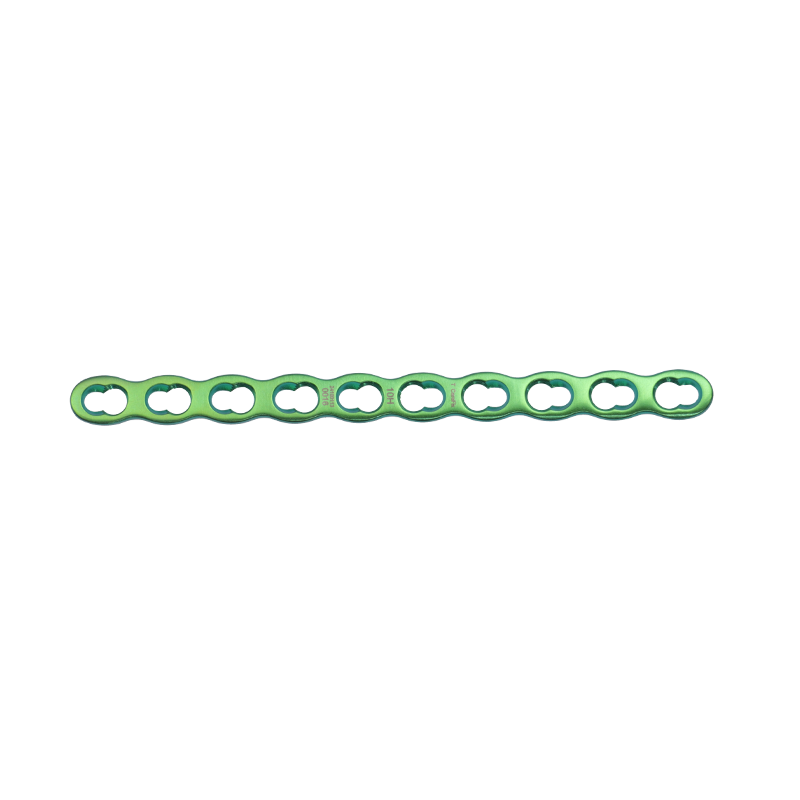
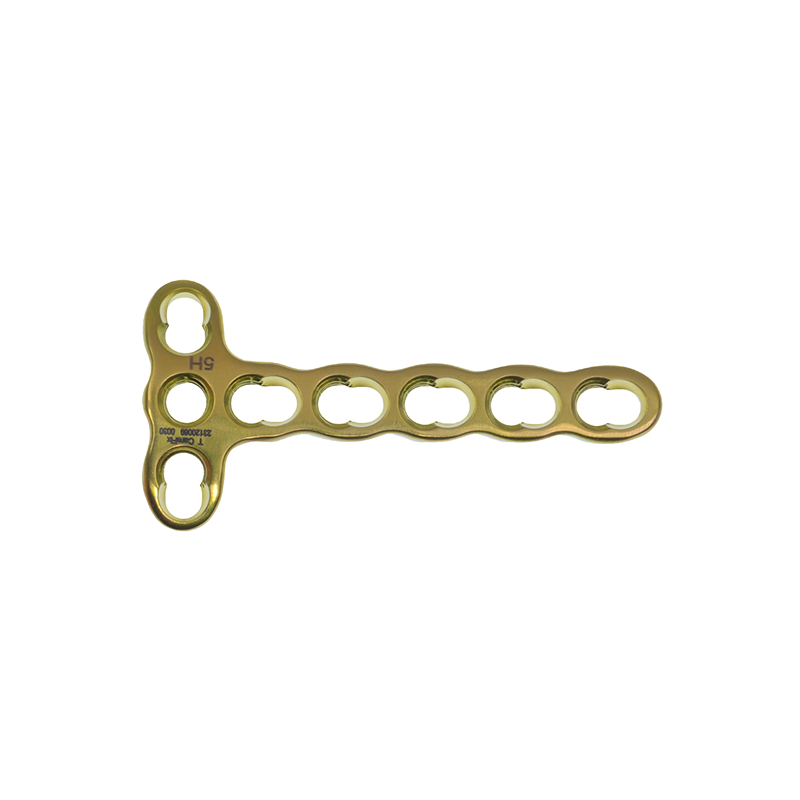
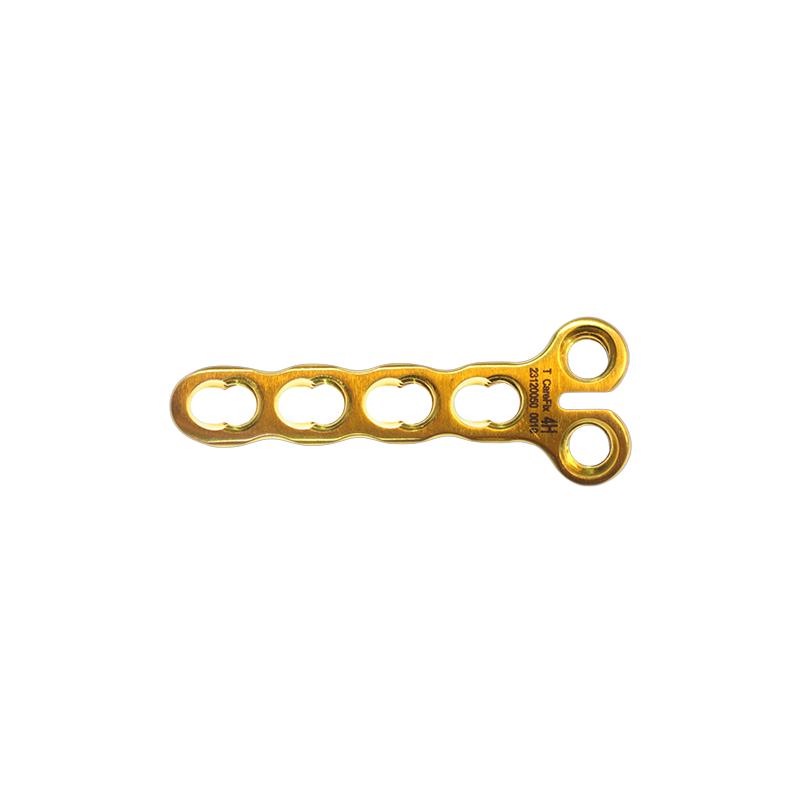
limb reconstruction system
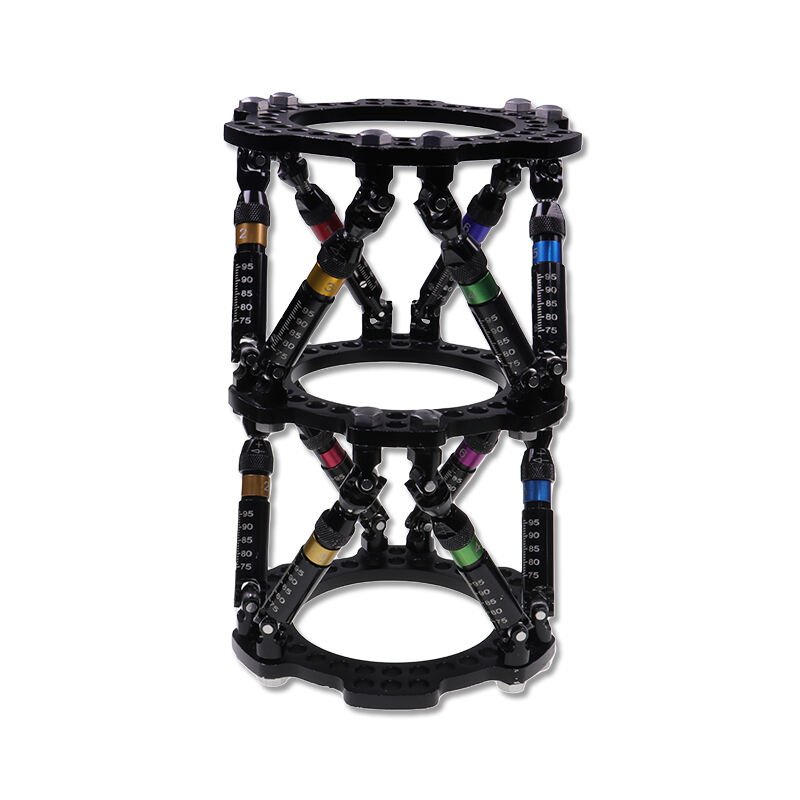
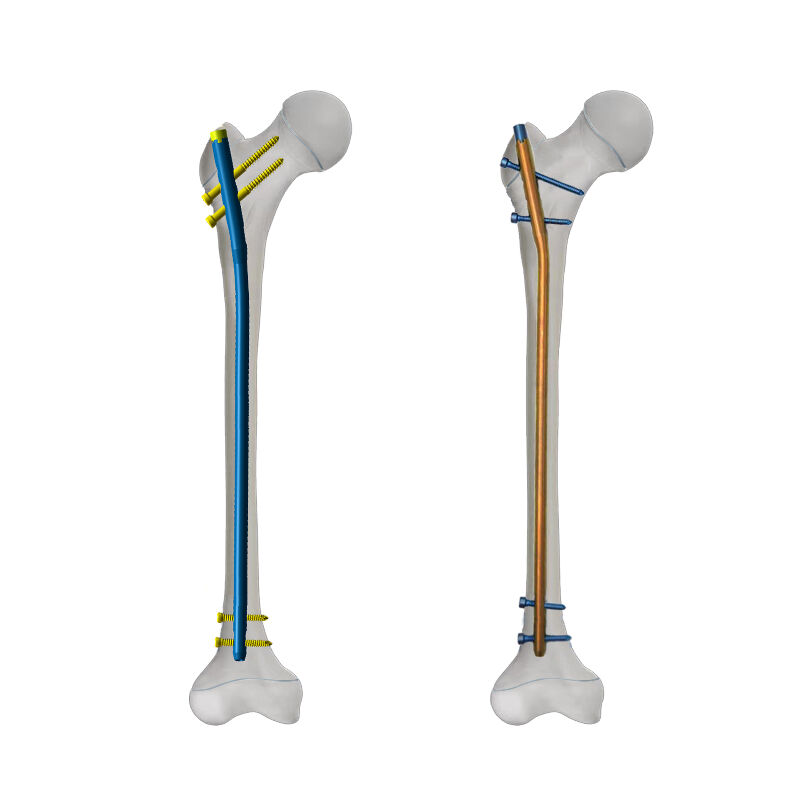
A limb reconstruction system is an advanced orthopedic medical solution designed to restore function and alignment to damaged or deformed limbs through surgical intervention. This sophisticated system combines precision instruments, fixation devices, and specialized implants to address complex bone and soft tissue conditions. The limb reconstruction system serves patients suffering from traumatic injuries, congenital deformities, bone infections, malunions, nonunions, and limb length discrepancies. Its main functions include bone lengthening, deformity correction, fracture stabilization, and joint reconstruction. The technological features of a modern limb reconstruction system incorporate modular components that allow surgeons to customize treatment approaches for individual patient anatomy. These systems utilize external fixation frames, intramedullary nails, plates, screws, and bone transport mechanisms that work together to gradually correct skeletal abnormalities. Advanced imaging integration and computer-assisted planning software enable precise preoperative assessment and intraoperative guidance. The applications of limb reconstruction systems span multiple medical specialties including trauma surgery, pediatric orthopedics, and reconstructive surgery. They are particularly valuable in treating complex cases where traditional methods prove insufficient. The system supports distraction osteogenesis, a biological process that stimulates new bone formation as the limb is gradually lengthened. Clinical applications also extend to post-traumatic reconstruction, tumor resection reconstruction, and correction of angular deformities. The versatility of the limb reconstruction system makes it an essential tool in modern orthopedic practice, offering hope to patients facing limb-threatening conditions and providing surgeons with reliable methods to achieve optimal functional outcomes.
 EN
EN