Ankle Spanning External Fixator Solutions

Get a Free Quote

Our representative will contact you soon.
Email
Name
Company Name
Message
0/1000

ankle spanning external fixator

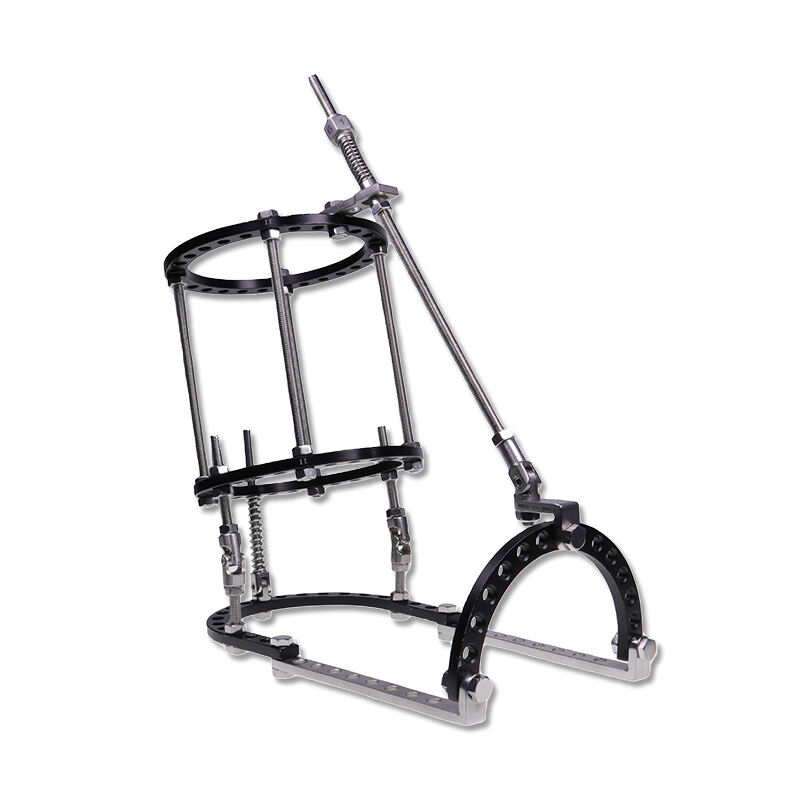
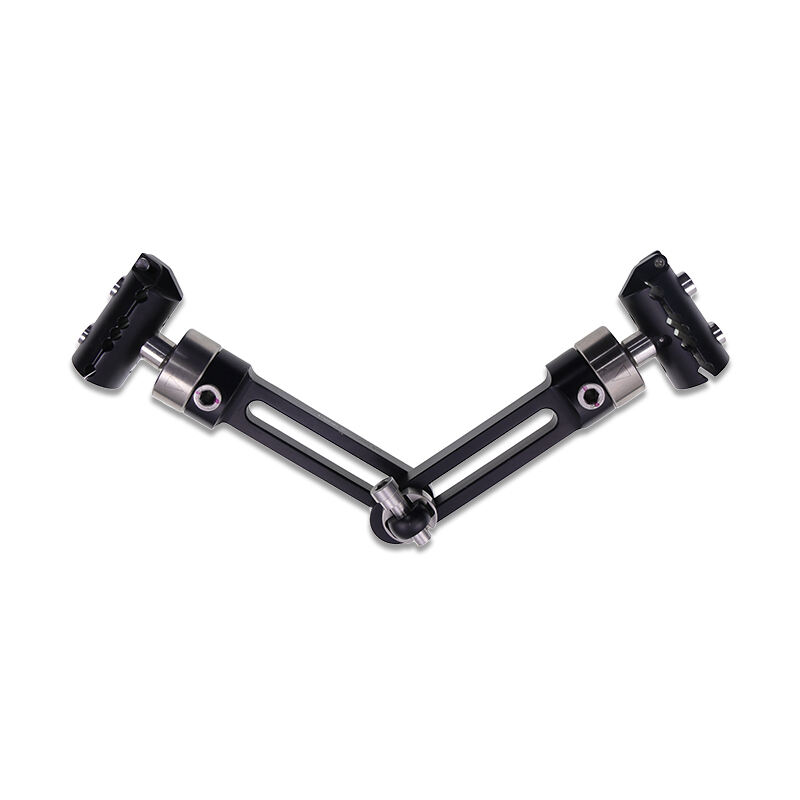
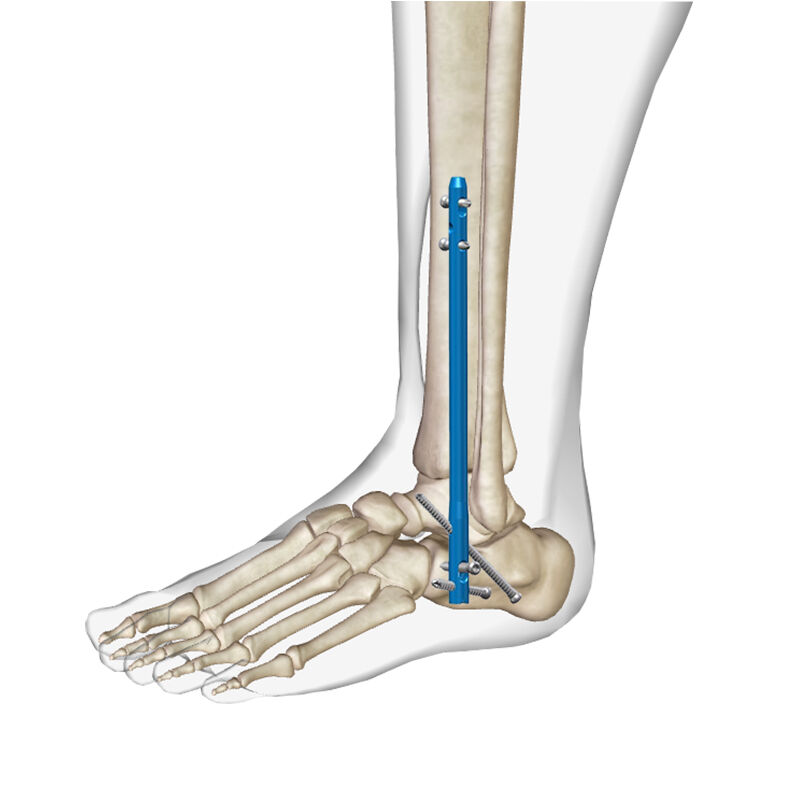
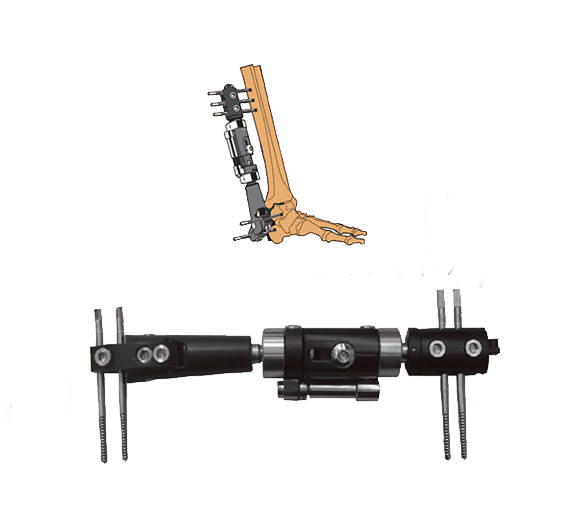
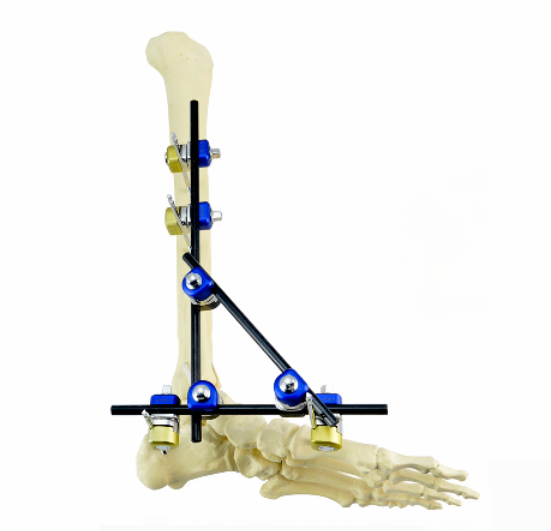
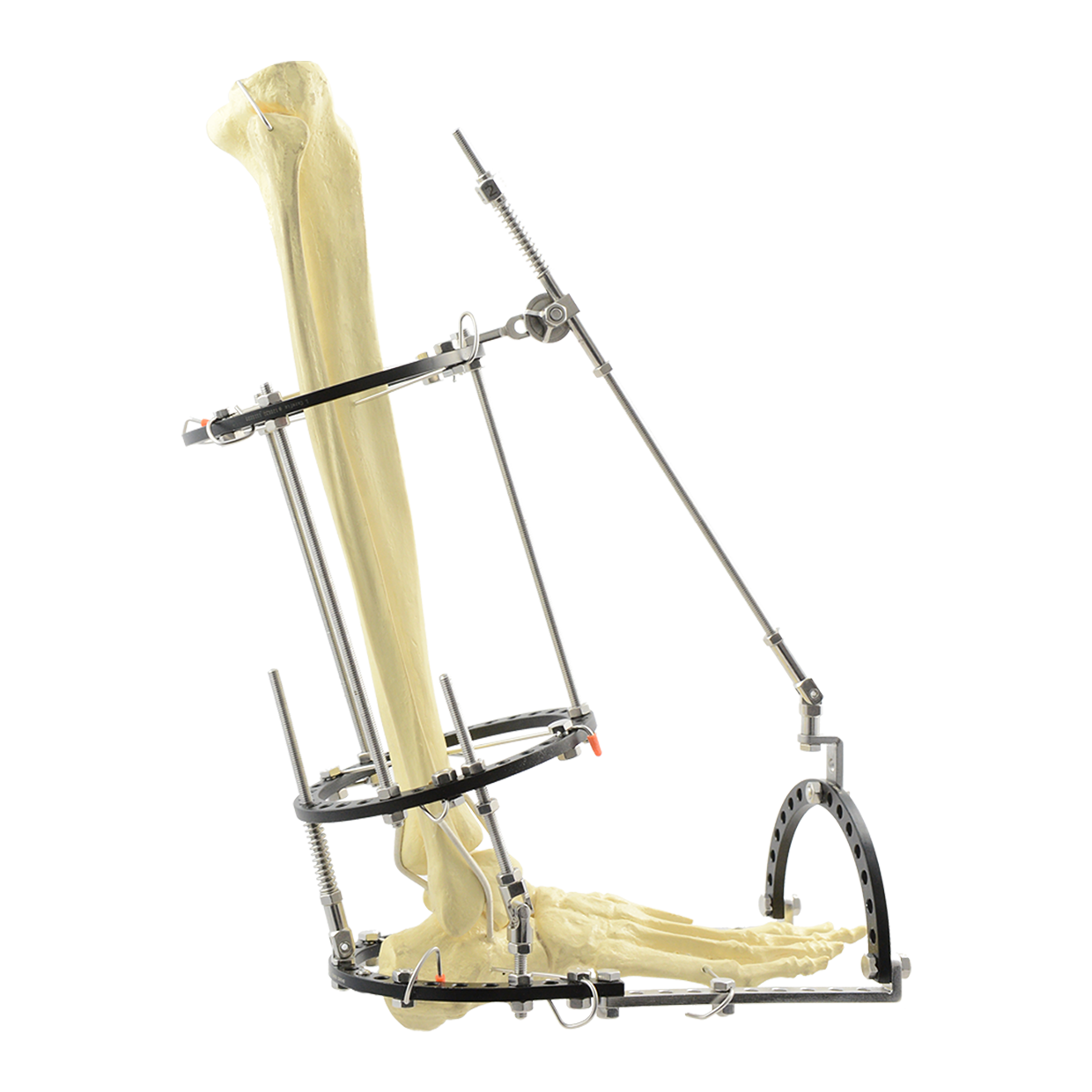
The ankle spanning external fixator is a specialized orthopedic device designed to stabilize and immobilize the ankle joint and lower leg following severe trauma, fractures, or surgical procedures. This medical framework consists of metallic pins or wires that penetrate the bone, connected to external bars and clamps that form a rigid structure spanning across the ankle joint. The primary function of the ankle spanning external fixator is to maintain proper bone alignment while allowing soft tissue healing in cases of complex fractures, severe dislocations, or when internal fixation methods are not suitable. This device provides temporary or long-term stabilization depending on the injury severity and treatment protocol. Technological features include adjustable components that enable precise control over bone positioning, radiolucent materials that facilitate clear imaging during follow-up examinations, and modular design allowing customization based on patient anatomy. The ankle spanning external fixator finds applications in treating pilon fractures, calcaneal fractures, severe ankle dislocations, open fractures with significant soft tissue damage, and as a temporizing measure before definitive surgical intervention. Medical professionals rely on this fixation system when dealing with polytrauma patients, diabetic patients with compromised healing capacity, or cases involving infection where internal hardware placement would be contraindicated. The device supports early mobilization of patients while protecting the injury site, contributing to better overall outcomes in complex lower extremity trauma management.

New Product Releases

Choosing the ankle spanning external fixator offers numerous practical benefits that directly impact patient recovery and treatment success. This stabilization system provides immediate fracture stability without requiring extensive surgical dissection, which means less tissue trauma and reduced risk of complications compared to traditional open reduction methods. Patients benefit from faster initial treatment since the ankle spanning external fixator can be applied quickly in emergency situations, allowing immediate stabilization of severe injuries. The device permits healthcare providers to monitor wound healing and perform dressing changes without disturbing bone alignment, making it invaluable for managing open fractures or injuries with compromised soft tissue. From an operational perspective, the adjustable nature of the ankle spanning external fixator enables doctors to make post-application corrections to bone positioning without additional surgery, optimizing alignment throughout the healing process. This flexibility reduces the need for repeat procedures and associated costs. The system proves particularly suitable for patients with multiple injuries, diabetes, peripheral vascular disease, or active infections where internal fixation poses elevated risks. Buyers appreciate that the ankle spanning external fixator supports early weight-bearing protocols in certain cases, helping patients maintain muscle strength and joint mobility during recovery. The device serves effectively as either definitive treatment or a temporary bridge to internal fixation once soft tissue conditions improve. Medical facilities value the versatility of this fixation method across diverse trauma scenarios, from simple stabilization needs to complex reconstruction cases. The clear visibility it provides during radiographic assessments allows continuous monitoring without device removal, streamlining patient care workflows and enabling timely intervention adjustments when necessary.

Practical Tips

Application analysis of intramedullary nail system in ankle joint fusion

16

Dec

Application analysis of intramedullary nail system in ankle joint fusion

The evolution of orthopedic surgical techniques has brought significant advancements in treating complex ankle pathologies, particularly through the implementation of modern fixation systems. An intramedullary nail system represents a revolutionary a...
View More
U-shaped nail: technical advantage of ankle surgery

13

Jan

U-shaped nail: technical advantage of ankle surgery

Modern orthopedic surgery has witnessed remarkable advancement in fixation techniques, particularly in the treatment of complex ankle and distal tibial fractures. The distal tibial interlocking intramedullary nail represents a significant breakthroug...
View More
How to choose the appropriate size and thread of hollow screws?

11

Feb

How to choose the appropriate size and thread of hollow screws?

Selecting the right hollow screws for orthopedic procedures requires careful consideration of multiple factors that directly impact surgical outcomes and patient recovery. These specialized medical devices serve critical functions in bone fixation, t...
View More
Cannulated screw system: Technological advancements in the treatment of ankle fractures

06

Mar

Cannulated screw system: Technological advancements in the treatment of ankle fractures

Ankle fractures represent one of the most challenging orthopedic injuries requiring precise surgical intervention and advanced fixation methods. The evolution of fracture treatment has been significantly enhanced by the introduction of modern cannula...
View More

Get a Free Quote

Our representative will contact you soon.
Email
Name
Company Name
Message
0/1000

ankle spanning external fixator

Rapid Emergency Stabilization Capability

Rapid Emergency Stabilization Capability

The ankle spanning external fixator excels in emergency trauma situations where immediate bone stabilization is critical for patient survival and limb preservation. Unlike internal fixation methods that require extensive surgical preparation and longer operating times, this external system can be applied rapidly in the emergency department or operating room, providing instant mechanical stability to severely injured limbs. This speed advantage becomes crucial when dealing with polytrauma patients who cannot tolerate lengthy surgical procedures or when soft tissue conditions are too compromised for safe internal hardware placement. The quick application process minimizes additional trauma to already damaged tissues while establishing the structural framework necessary for healing. Emergency physicians and orthopedic surgeons value this capability because it allows them to address life-threatening injuries first while knowing the limb is adequately stabilized. The ankle spanning external fixator serves as an effective damage control orthopedic tool, buying valuable time for patient resuscitation and comprehensive treatment planning. This rapid deployment feature translates into better patient outcomes by preventing further displacement of fracture fragments, protecting neurovascular structures, and reducing pain through immediate immobilization.
Adjustable Precision for Optimal Alignment

Adjustable Precision for Optimal Alignment

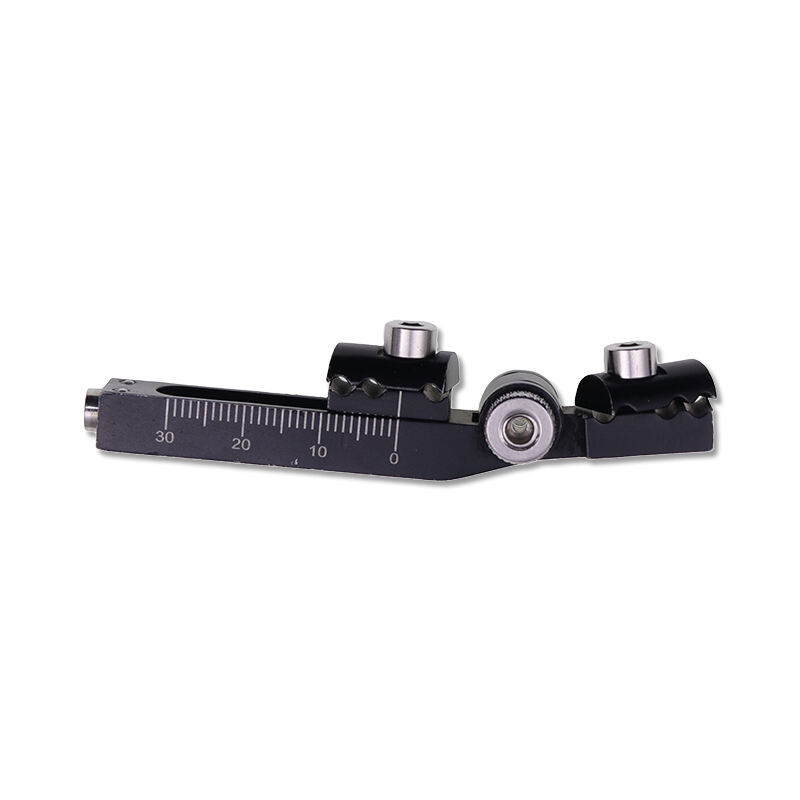
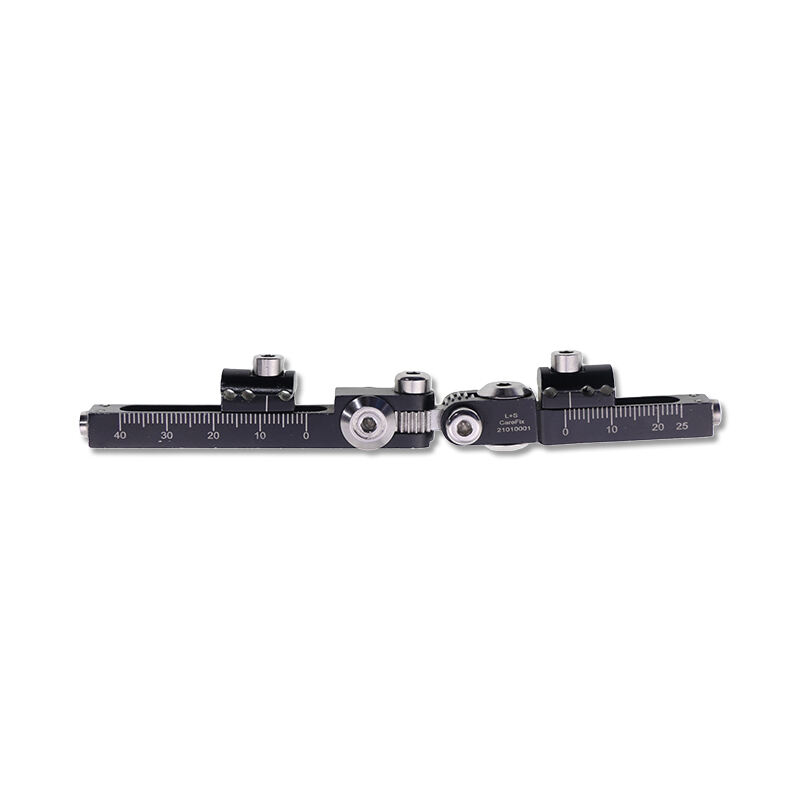
One of the most significant advantages of the ankle spanning external fixator lies in its adjustable design that permits fine-tuning of bone position throughout the treatment period without additional invasive procedures. The modular construction features multiple adjustment points along the external frame, enabling surgeons to correct alignment discrepancies that may become apparent on follow-up radiographs or as swelling subsides and anatomical relationships become clearer. This post-application adjustability eliminates the need for repeat surgeries that would otherwise be necessary with rigid fixation systems, reducing patient risk, healthcare costs, and recovery time. Clinicians can make incremental corrections to length, angulation, and rotation by manipulating the external components, achieving optimal bone positioning progressively rather than requiring perfect placement during initial application. The ankle spanning external fixator essentially functions as a dynamic treatment platform rather than a static device, adapting to the evolving needs of the healing process. This flexibility proves particularly valuable in complex fracture patterns where initial assessment may be complicated by soft tissue swelling or when treating pediatric patients whose growing bones require ongoing positional modifications. The ability to achieve and maintain precise alignment directly correlates with improved functional outcomes and reduced risk of post-traumatic arthritis.
Soft Tissue Management and Access

Soft Tissue Management and Access

The ankle spanning external fixator provides unparalleled access to damaged soft tissues, making it the preferred choice for managing open fractures, severe degloving injuries, or cases requiring ongoing wound care and monitoring. Unlike internal plates and screws that are buried beneath skin and muscle, this external system stabilizes bones while leaving soft tissues completely accessible for inspection, debridement, dressing changes, and reconstructive procedures. This open access proves essential when treating contaminated wounds that require repeated surgical cleaning or when managing infections where direct visualization and treatment of affected tissues is necessary. Healthcare providers can assess wound healing progress, identify complications early, and perform necessary interventions without compromising fracture stability or requiring device removal. The ankle spanning external fixator creates an optimal environment for staged treatment protocols common in severe trauma management, where initial stabilization is followed by multiple soft tissue procedures before definitive bone fixation. Plastic surgeons can perform skin grafts or flap coverage while the external frame maintains bone position, facilitating coordinated multidisciplinary care. This accessibility advantage significantly reduces infection rates compared to early internal fixation in contaminated cases, as it allows thorough wound management without hardware serving as a nidus for bacterial colonization. Patients experience better overall outcomes when soft tissue healing is prioritized alongside skeletal stabilization.
logo