Foot External Fixator Solutions for Orthopedic Care

Get a Free Quote

Our representative will contact you soon.
Email
Name
Company Name
Message
0/1000

foot external fixator

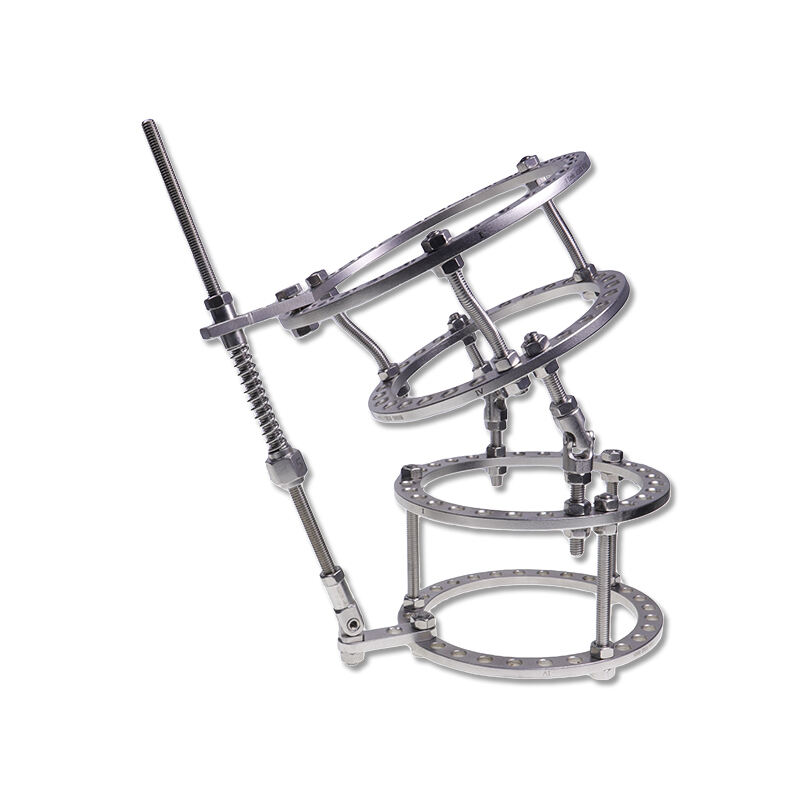
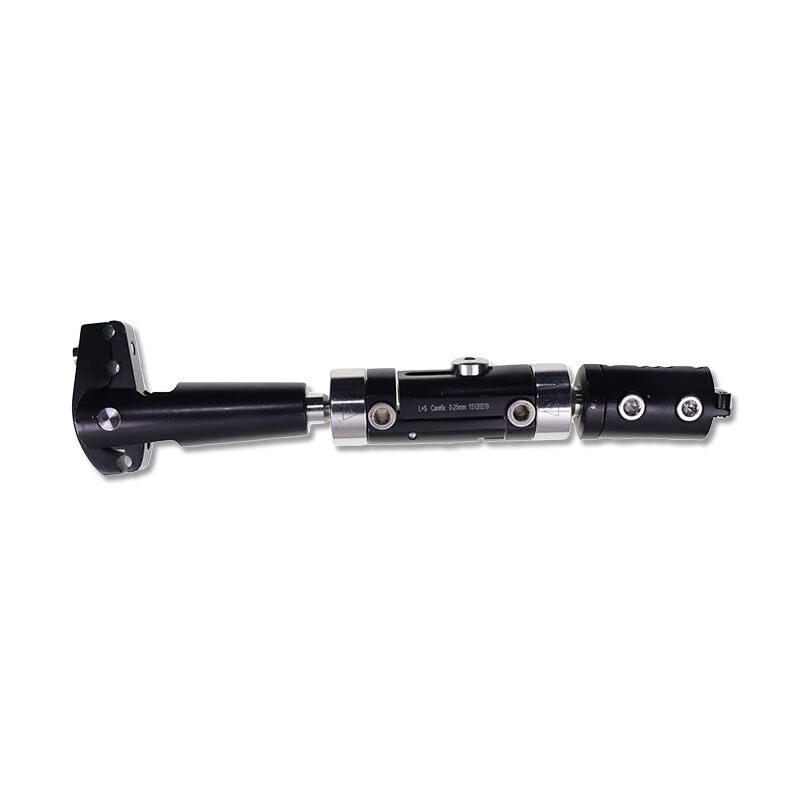
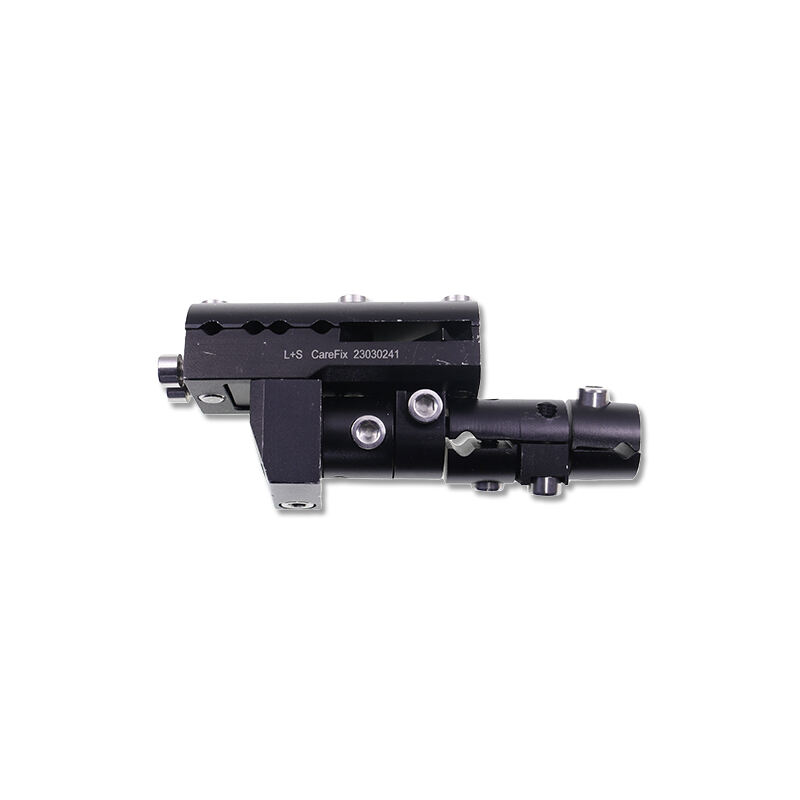
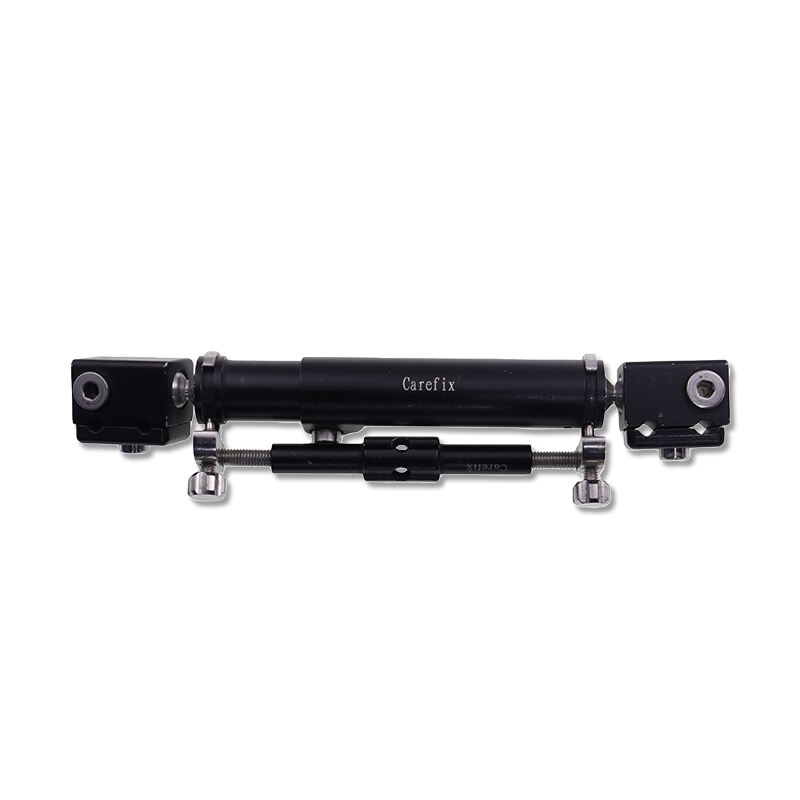
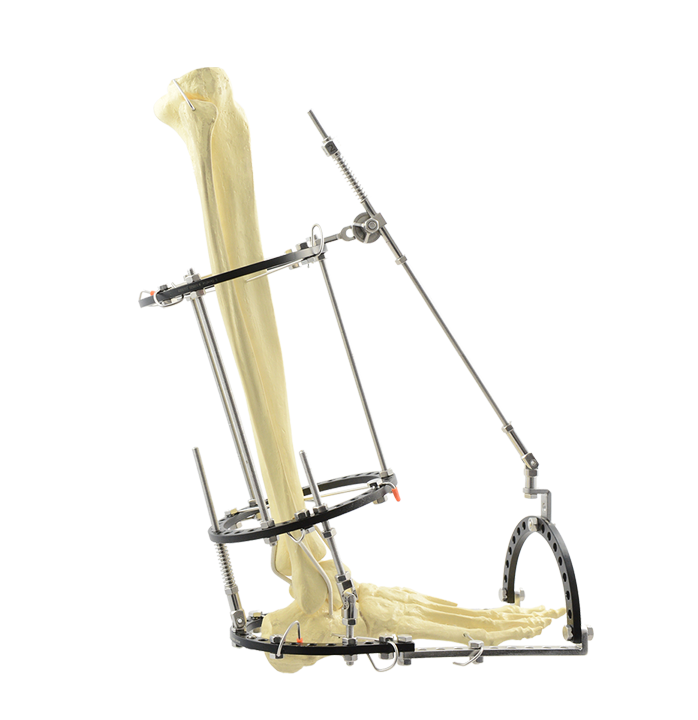
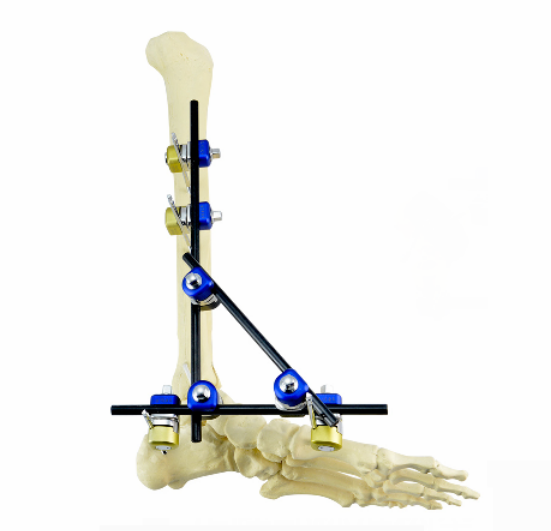
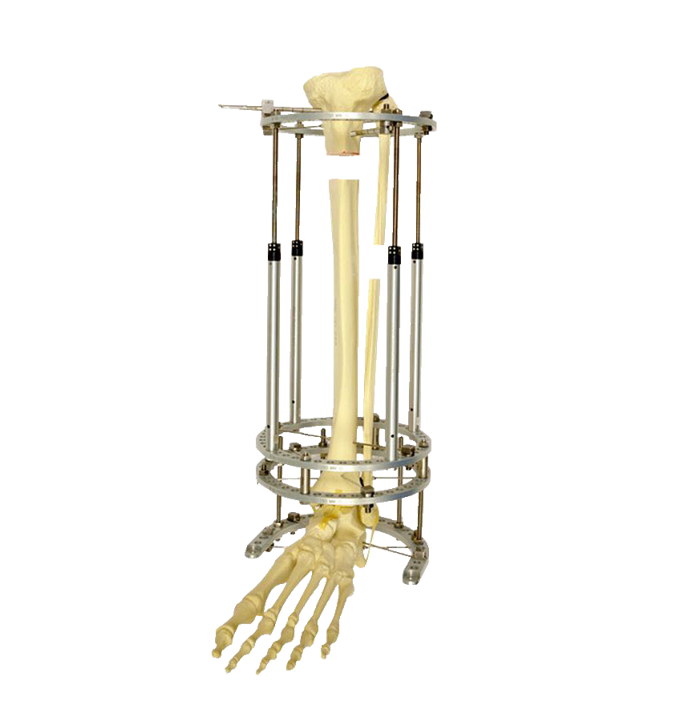
A foot external fixator is a specialized orthopedic device designed to stabilize and support fractures, deformities, and injuries of the foot and ankle through external mechanical means. This sophisticated medical apparatus consists of metal pins or wires that penetrate the bone and connect to an external framework of rods and rings, providing precise control over bone alignment during the healing process. The foot external fixator plays a crucial role in modern trauma surgery and reconstructive procedures by maintaining proper bone position without requiring large surgical incisions. Its main functions include fracture stabilization, correction of bone deformities, lengthening procedures, and management of complex soft tissue injuries. The technological features of a foot external fixator encompass adjustable components that allow surgeons to make precise modifications to bone positioning even after initial installation, promoting optimal healing outcomes. These devices utilize high-grade stainless steel or titanium materials that ensure biocompatibility and structural integrity throughout the treatment period. Applications of the foot external fixator span various clinical scenarios including severe open fractures, bone infections requiring stabilization, diabetic foot complications, congenital deformities, and post-traumatic reconstruction. The modular design enables customization according to individual patient anatomy and specific injury patterns, making it an invaluable tool in addressing challenging foot and ankle conditions that cannot be adequately managed through conventional internal fixation methods.

New Product Recommendations

The foot external fixator offers significant practical benefits that directly address the needs of patients requiring advanced orthopedic care. One primary advantage is the minimally invasive nature of the procedure, which preserves soft tissue integrity and reduces the risk of infection compared to traditional open surgical techniques. This approach proves especially valuable for patients with compromised skin conditions or multiple traumatic injuries where extensive surgical exposure could complicate recovery. The device provides exceptional versatility in treatment planning, allowing healthcare providers to adjust bone alignment progressively throughout the healing journey without requiring additional surgeries. This dynamic correction capability means physicians can fine-tune positioning as bones heal, ensuring optimal functional outcomes. Patients benefit from the ability to bear weight earlier in their recovery process when appropriate, which maintains muscle strength and joint mobility while preventing the complications associated with prolonged immobilization. The transparent nature of external fixation allows continuous monitoring of wound healing and bone regeneration, enabling timely interventions if complications arise. For healthcare facilities, the foot external fixator represents a cost-effective solution that reduces operating room time and anesthesia exposure while delivering superior results in complex cases. The modular construction suits various foot anatomies and injury patterns, eliminating the need for extensive implant inventories. Treatment duration typically ranges from several weeks to months depending on injury severity, but the adjustability features maximize healing potential. This technology particularly suits patients with diabetes, peripheral vascular disease, or polytrauma where internal hardware placement poses elevated risks, making it an essential decision-making consideration for comprehensive orthopedic care planning.

Tips And Tricks

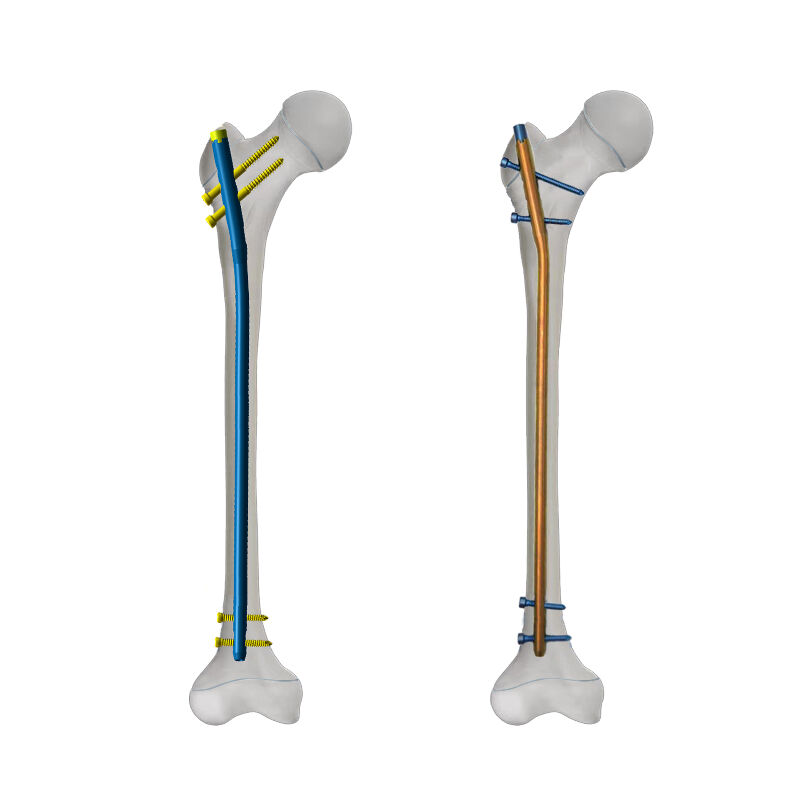
Understanding Intramedullary Nail Complications

13

Jan

Understanding Intramedullary Nail Complications

Intramedullary nail complications represent a significant concern in orthopedic surgery, affecting patient outcomes and recovery timelines. These complications can arise during insertion, throughout the healing process, or during long-term implant re...
View More
Evolution of Intervertebral Fusion Device Materials: Clinical Efficacy Comparison between PEEK and Titanium Alloy

13

Jan

Evolution of Intervertebral Fusion Device Materials: Clinical Efficacy Comparison between PEEK and Titanium Alloy

The advancement of spinal surgery has been significantly influenced by the development of sophisticated intervertebral fusion device technologies. Modern spine surgeons rely heavily on these devices to achieve successful fusion outcomes while minimiz...
View More
How to choose the appropriate size and thread of hollow screws?

11

Feb

How to choose the appropriate size and thread of hollow screws?

Selecting the right hollow screws for orthopedic procedures requires careful consideration of multiple factors that directly impact surgical outcomes and patient recovery. These specialized medical devices serve critical functions in bone fixation, t...
View More
Distal radial volar locking plate: refined design enhances the success rate of fracture fixation

06

Mar

Distal radial volar locking plate: refined design enhances the success rate of fracture fixation

The treatment of distal radius fractures has undergone significant evolution in recent decades, with the distal radial volar locking plate emerging as a cornerstone technology in modern orthopedic practice. These innovative implants represent a parad...
View More

Get a Free Quote

Our representative will contact you soon.
Email
Name
Company Name
Message
0/1000

foot external fixator

Precision Adjustability for Optimal Healing

Precision Adjustability for Optimal Healing

The foot external fixator incorporates advanced mechanical adjustment mechanisms that empower surgeons to make precise three-dimensional corrections throughout the entire treatment period. This sophisticated engineering allows for gradual bone realignment at controlled rates, typically measured in millimeters per day, which stimulates natural bone formation through distraction osteogenesis principles. Unlike fixed internal implants that maintain static positioning, the adjustable framework responds to individual healing patterns and accommodates unexpected changes in bone alignment that may occur during recovery. Surgeons can modify compression, distraction, angulation, rotation, and translation independently, providing comprehensive control over the biomechanical environment. This adaptability proves invaluable when treating complex deformities requiring sequential corrections or when initial positioning needs refinement based on radiographic assessment. Patients experience improved outcomes because the gradual adjustment process minimizes soft tissue tension and promotes better bone consolidation compared to acute correction methods. The precision adjustment capability also supports limb lengthening procedures where controlled bone growth must occur over extended periods, making the foot external fixator an indispensable tool for reconstructive surgery addressing congenital shortening, post-traumatic bone loss, or growth disturbances requiring careful mathematical planning and execution.
Enhanced Infection Control and Wound Management

Enhanced Infection Control and Wound Management

The foot external fixator provides superior advantages in managing infected fractures and complex wounds through its external stabilization approach that avoids placing foreign material directly within contaminated tissue planes. This design philosophy proves critical when treating open fractures with significant soft tissue damage, where implanting internal hardware could serve as a nidus for bacterial colonization and chronic osteomyelitis. The external framework maintains mechanical stability while allowing unrestricted access to wounds for irrigation, debridement, and dressing changes without compromising fracture alignment. Healthcare providers can directly visualize healing progress and identify infection signs early, enabling prompt intervention that prevents serious complications. The pin sites, though requiring regular care, present manageable infection risks compared to deep surgical wounds associated with plate and screw fixation. For diabetic patients or those with peripheral vascular compromise who face elevated infection susceptibility, the foot external fixator offers a safer stabilization alternative that respects compromised tissue healing capacity. The device facilitates staged reconstruction protocols where initial damage control stabilization precedes definitive treatment once soft tissue conditions improve, following established orthopedic trauma principles. This wound-friendly characteristic makes the technology particularly valuable in resource-limited settings or mass casualty scenarios where delayed definitive care necessitates temporary yet robust fracture stabilization solutions.
Rapid Application and Immediate Stability

Rapid Application and Immediate Stability

The foot external fixator delivers exceptional operational efficiency through streamlined application techniques that significantly reduce surgical time compared to complex internal fixation procedures requiring extensive anatomical dissection and hardware contouring. Emergency trauma situations benefit tremendously from this rapid deployment capability, as the device can be installed quickly under local or regional anesthesia when general anesthesia poses excessive risk for critically injured or medically unstable patients. The immediate mechanical stability provided upon installation enables early patient mobilization and facilitates concurrent treatment of other injuries in polytrauma cases, supporting comprehensive care coordination. Surgical teams appreciate the standardized application protocols that minimize technical variability and allow proficient installation after appropriate training, making the foot external fixator accessible across various healthcare settings including community hospitals without specialized fellowship-trained foot and ankle surgeons. The modular component system features intuitive assembly that accommodates diverse fracture patterns without requiring extensive preoperative planning or custom implant fabrication. This accessibility democratizes advanced orthopedic care delivery and ensures patients receive timely definitive stabilization regardless of facility resources. The immediate stability also permits safe patient transfer between facilities when specialized care becomes necessary, as the robust external frame protects fracture alignment during transport better than temporary splinting methods, reducing secondary displacement risks.
logo