Hybrid External Fixator: Advanced Bone Fixation

Get a Free Quote

Our representative will contact you soon.
Email
Name
Company Name
Message
0/1000

hybrid external fixator

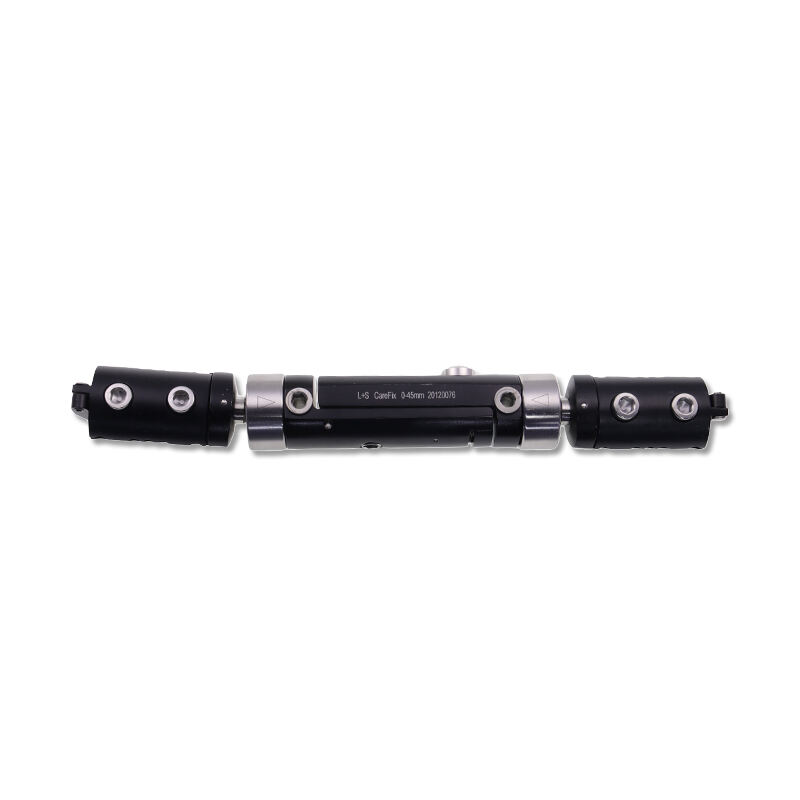
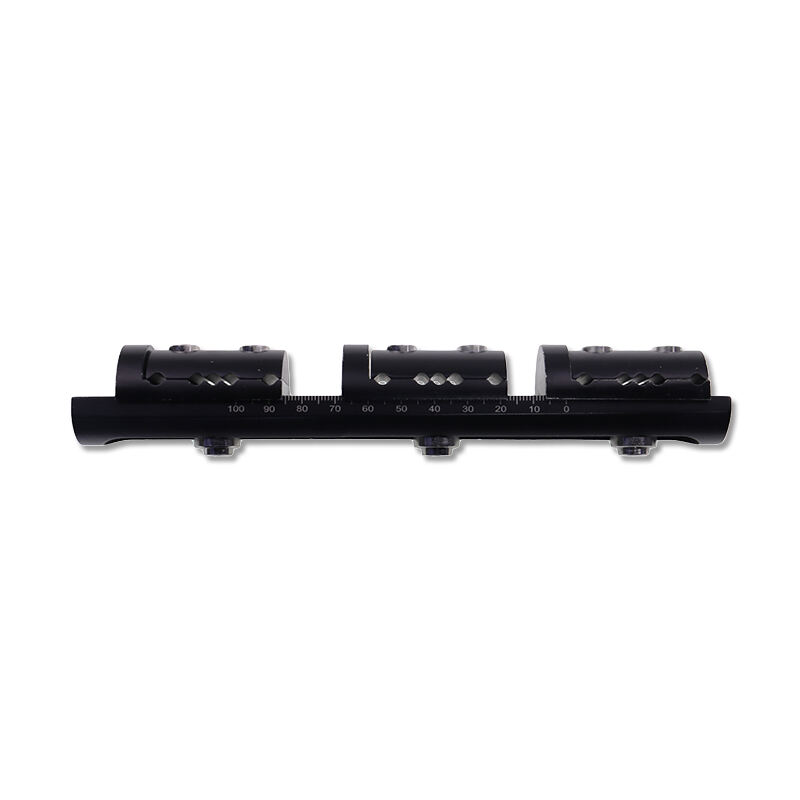
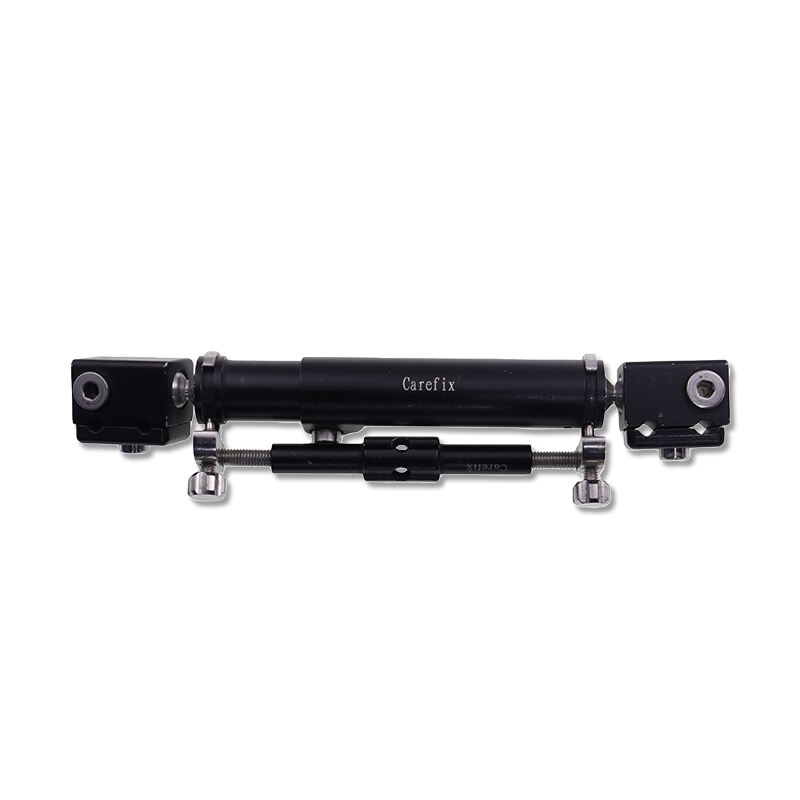
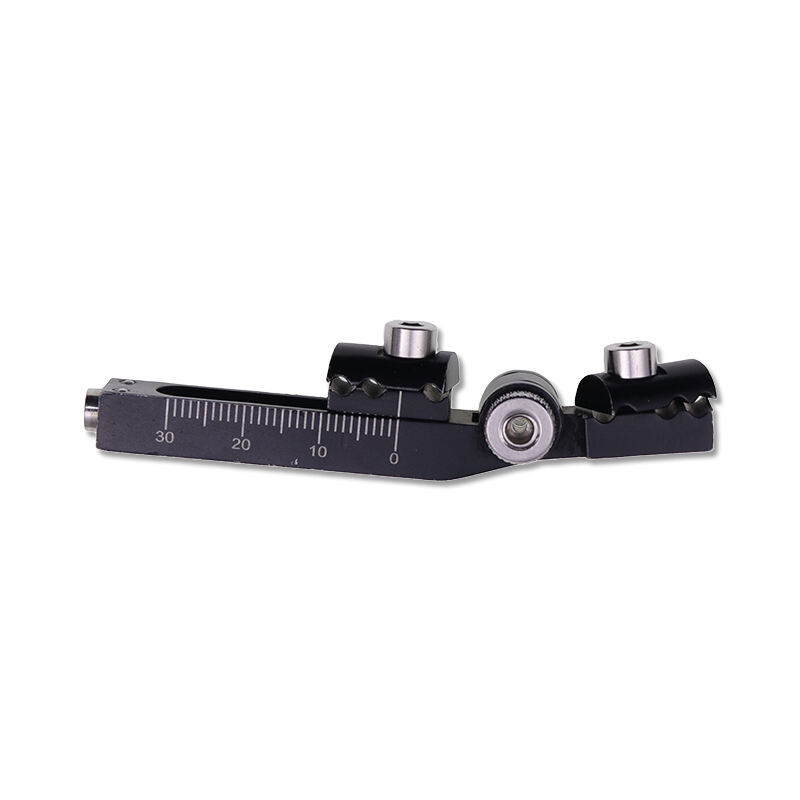
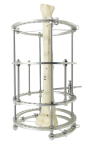
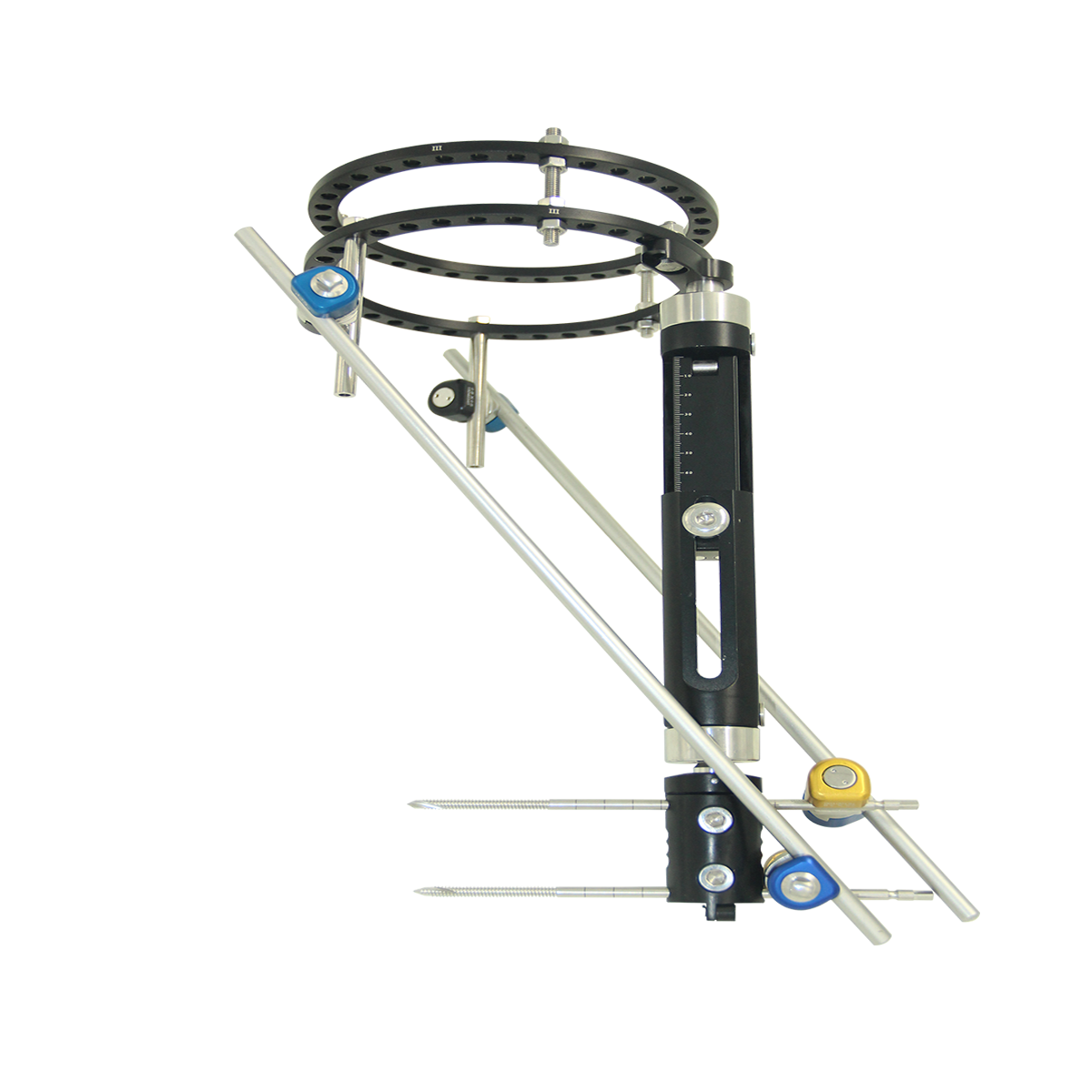
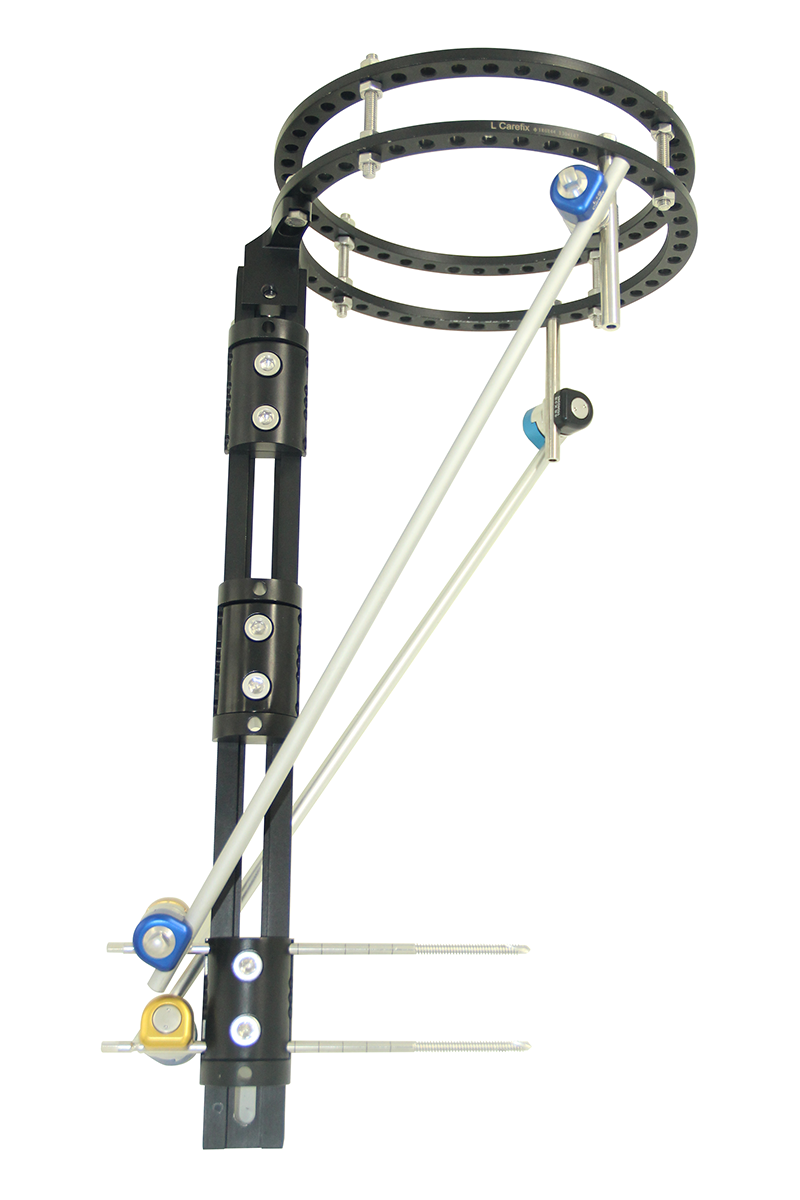
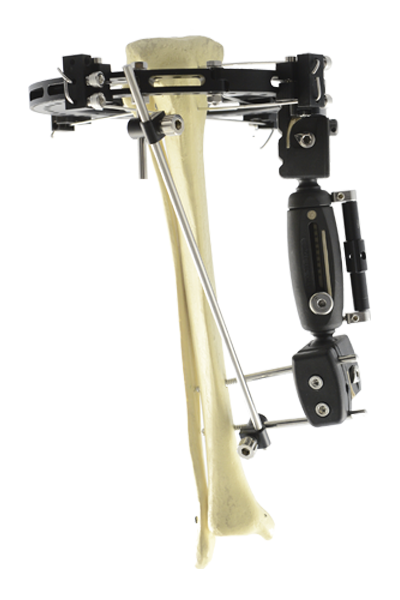
The hybrid external fixator is an advanced orthopedic device that combines the structural benefits of circular and linear external fixation systems into a single comprehensive solution. This innovative medical equipment is specifically designed to treat complex bone fractures, deformities, and limb reconstruction cases that require maximum stability and precise control during the healing process. The hybrid external fixator utilizes a combination of tensioned wires attached to circular rings and traditional half-pins connected to linear bars, creating a versatile framework that adapts to various anatomical requirements and surgical objectives. This dual-component design allows surgeons to address challenging fractures involving joints, metaphyseal regions, and diaphyseal segments simultaneously. The system incorporates adjustable connection points that enable three-dimensional correction of bone alignment, length discrepancies, and angular deformities throughout the treatment period. Medical professionals favor this technology for managing periarticular fractures, especially around the knee and ankle joints where soft tissue preservation is critical. The hybrid external fixator provides exceptional mechanical stability while minimizing interference with adjacent joints and maintaining access to wounds for monitoring and care. Its modular construction supports gradual correction protocols, including distraction osteogenesis for limb lengthening and deformity correction procedures. The device accommodates both acute trauma management and elective reconstructive surgeries, making it an essential tool in modern orthopedic practice for treating complex skeletal conditions that demand superior fixation strength combined with surgical flexibility.

New Products

Choosing a hybrid external fixator delivers significant practical benefits that directly impact patient outcomes and surgical success rates. This device offers superior fracture stability compared to conventional fixation methods, reducing the risk of treatment failure and promoting faster bone healing. The system's ability to provide rigid fixation while preserving periosteal blood supply creates an optimal biological environment for bone regeneration. Surgeons appreciate the operational flexibility that allows real-time adjustments without requiring additional surgical procedures, saving time and reducing patient exposure to anesthesia risks. The hybrid external fixator accommodates progressive correction of deformities over weeks or months, enabling controlled bone remodeling that achieves optimal alignment results. Patients benefit from earlier weight-bearing capability, which maintains muscle strength and joint mobility during the recovery period. The open frame design facilitates wound care access, particularly valuable when treating open fractures or managing soft tissue complications. Medical facilities find this technology cost-effective because it reduces the need for revision surgeries and shortens hospital stays. The hybrid external fixator proves especially suitable for treating high-energy trauma, infected nonunions, and complex deformity corrections where traditional internal fixation would be inadequate or contraindicated. Its versatility makes it appropriate for pediatric limb lengthening, adult trauma reconstruction, and salvage procedures following failed previous treatments. Decision-makers value the device's proven track record in challenging cases, supported by extensive clinical research demonstrating improved functional outcomes. The system's compatibility with imaging equipment allows for accurate monitoring of healing progress without requiring frame removal. Healthcare providers recognize that investing in hybrid external fixator technology enhances their capability to manage complex orthopedic cases, attracting referrals and establishing their institution as a center for advanced bone reconstruction treatments.

Practical Tips

Evolution of Intervertebral Fusion Device Materials: Clinical Efficacy Comparison between PEEK and Titanium Alloy

13

Jan

Evolution of Intervertebral Fusion Device Materials: Clinical Efficacy Comparison between PEEK and Titanium Alloy

The advancement of spinal surgery has been significantly influenced by the development of sophisticated intervertebral fusion device technologies. Modern spine surgeons rely heavily on these devices to achieve successful fusion outcomes while minimiz...
View More
Ankle internal fixation system: Advantages of ankle locking plate in the treatment of complex fractures

06

Mar

Ankle internal fixation system: Advantages of ankle locking plate in the treatment of complex fractures

Complex ankle fractures represent one of the most challenging orthopedic injuries, requiring precise surgical intervention and advanced fixation techniques to restore optimal function and stability. The ankle locking plate has emerged as a revolution...
View More
Cannulated screw system: Technological advancements in the treatment of ankle fractures

06

Mar

Cannulated screw system: Technological advancements in the treatment of ankle fractures

Ankle fractures represent one of the most challenging orthopedic injuries requiring precise surgical intervention and advanced fixation methods. The evolution of fracture treatment has been significantly enhanced by the introduction of modern cannula...
View More
Treatment of osteomyelitis and tibial pseudarthrosis: The advantages of the Ilizarov frame

06

Mar

Treatment of osteomyelitis and tibial pseudarthrosis: The advantages of the Ilizarov frame

The treatment of complex orthopedic conditions such as osteomyelitis and tibial pseudarthrosis presents significant challenges that require innovative surgical approaches. Among the most effective solutions available to orthopedic surgeons today is t...
View More

Get a Free Quote

Our representative will contact you soon.
Email
Name
Company Name
Message
0/1000

hybrid external fixator

Dual-Component Stability System

Dual-Component Stability System

The hybrid external fixator distinguishes itself through its innovative combination of circular wire fixation and traditional half-pin constructs, creating unparalleled mechanical stability for complex fractures. This dual-component architecture enables surgeons to secure bone fragments with tensioned wires where pin placement would be impossible or unsafe, while simultaneously using half-pins in areas with adequate bone stock. The circular component distributes forces evenly across the bone circumference, minimizing stress concentration points that could cause implant failure or bone resorption. Meanwhile, the linear bars provide robust support for diaphyseal segments and allow for easy connection to adjacent ring structures. This engineering approach proves particularly valuable when treating juxta-articular fractures where maintaining joint alignment requires precision that single-system fixators cannot reliably achieve. The integrated design accommodates both compression and distraction forces, supporting diverse treatment protocols from acute fracture management to gradual deformity correction. Surgeons can customize the frame configuration to match specific anatomical challenges, ensuring optimal biomechanical support tailored to each patient's unique condition. This adaptability translates into higher success rates for complex cases that previously had limited treatment options.
Three-Dimensional Correction Capability

Three-Dimensional Correction Capability

The hybrid external fixator excels in providing comprehensive three-dimensional correction capabilities that address multiple deformity planes simultaneously during treatment. This advanced functionality allows orthopedic surgeons to correct angular deformities, rotational malalignments, and length discrepancies through precise adjustments made at various connection points throughout the frame structure. The system incorporates specialized hinges and translation mechanisms that enable controlled bone movement in specific directions without compromising overall stability. Patients undergoing limb lengthening procedures benefit from gradual distraction protocols that stimulate new bone formation while maintaining proper alignment throughout the treatment course. The hybrid external fixator supports computer-assisted planning integration, where preoperative analysis determines exact correction parameters that clinicians then execute through systematic frame adjustments. This level of control proves essential when treating congenital deformities, post-traumatic malunions, or growth plate injuries requiring complex spatial corrections. The ability to modify treatment plans based on healing progress without surgical intervention reduces patient burden and improves compliance. Healthcare providers appreciate how this three-dimensional correction capability expands their treatment offerings, enabling them to accept referrals for challenging reconstruction cases that demand sophisticated fixation technology and producing superior functional outcomes that enhance patient satisfaction and clinical reputation.
Enhanced Soft Tissue Management

Enhanced Soft Tissue Management

The hybrid external fixator provides exceptional advantages for soft tissue management, a critical consideration in complex trauma and reconstruction cases where tissue viability determines overall success. The frame's open architecture maintains clearance from damaged skin and underlying structures, preventing additional compression or irritation that could compromise healing or cause complications. This design proves invaluable when managing open fractures with significant soft tissue injury, allowing medical teams to monitor wounds, perform dressing changes, and conduct debridement procedures without frame removal or disruption of fracture stability. The hybrid external fixator minimizes surgical dissection compared to internal fixation approaches, preserving blood supply to both bone and surrounding tissues. Reduced soft tissue trauma translates into lower infection risks, decreased scarring, and faster overall recovery timelines. The system's external positioning eliminates foreign material within the injury zone, particularly beneficial for contaminated wounds or patients with compromised immune systems. Clinicians can apply negative pressure wound therapy and other advanced wound care techniques while maintaining fracture reduction, optimizing conditions for tissue regeneration. The hybrid external fixator accommodates flap coverage procedures and skin grafting when necessary, providing stable skeletal support throughout plastic surgery interventions. This soft tissue compatibility makes the device especially suitable for managing complex lower extremity injuries where skin coverage challenges frequently complicate treatment, ultimately reducing amputation rates and preserving limb function.

logo