Knee Spanning External Fixator Solutions

Get a Free Quote

Our representative will contact you soon.
Email
Name
Company Name
Message
0/1000

knee spanning external fixator

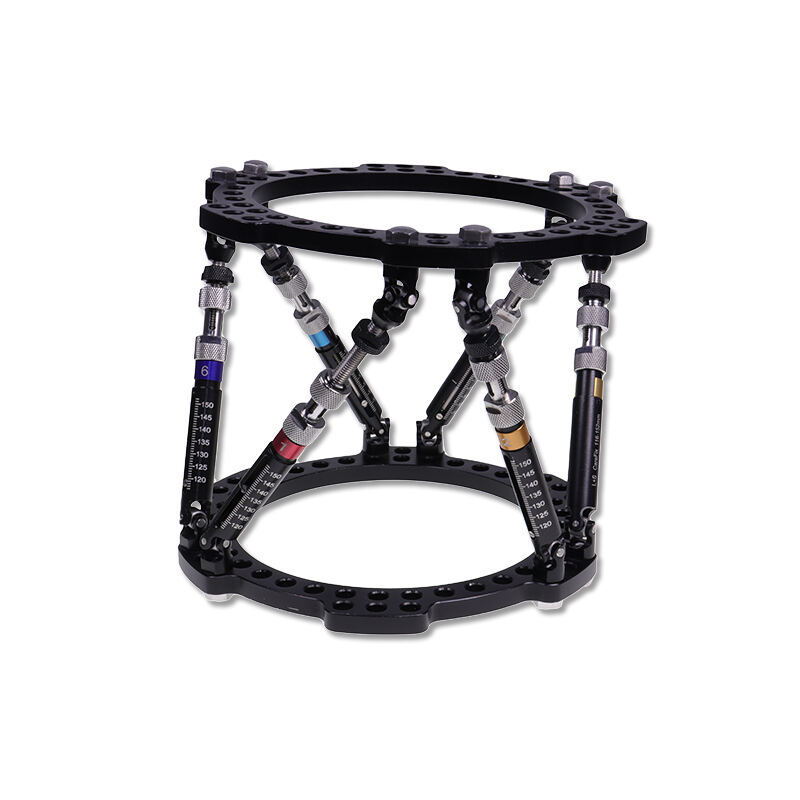
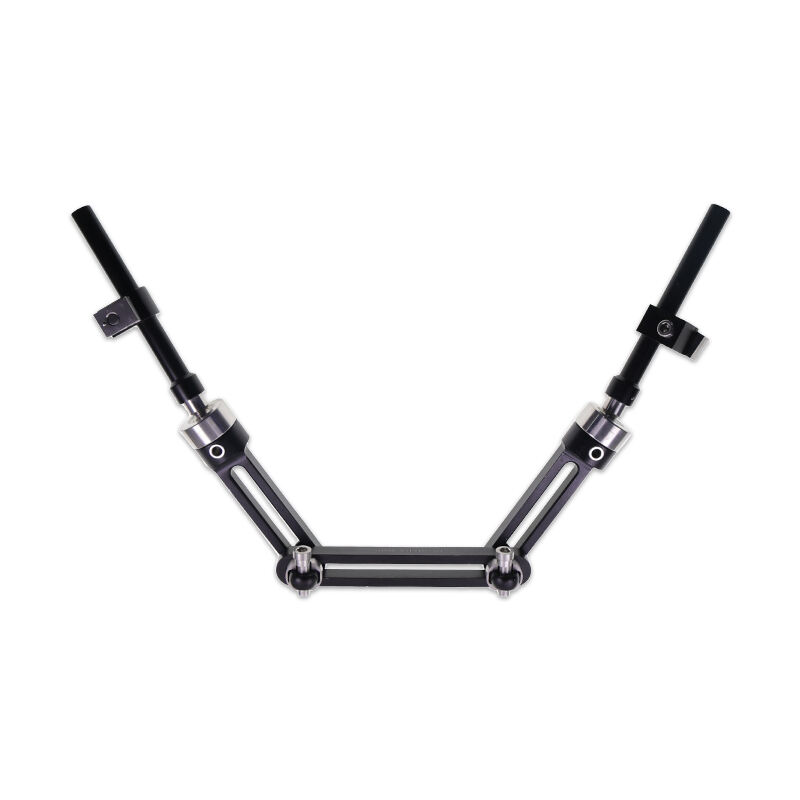
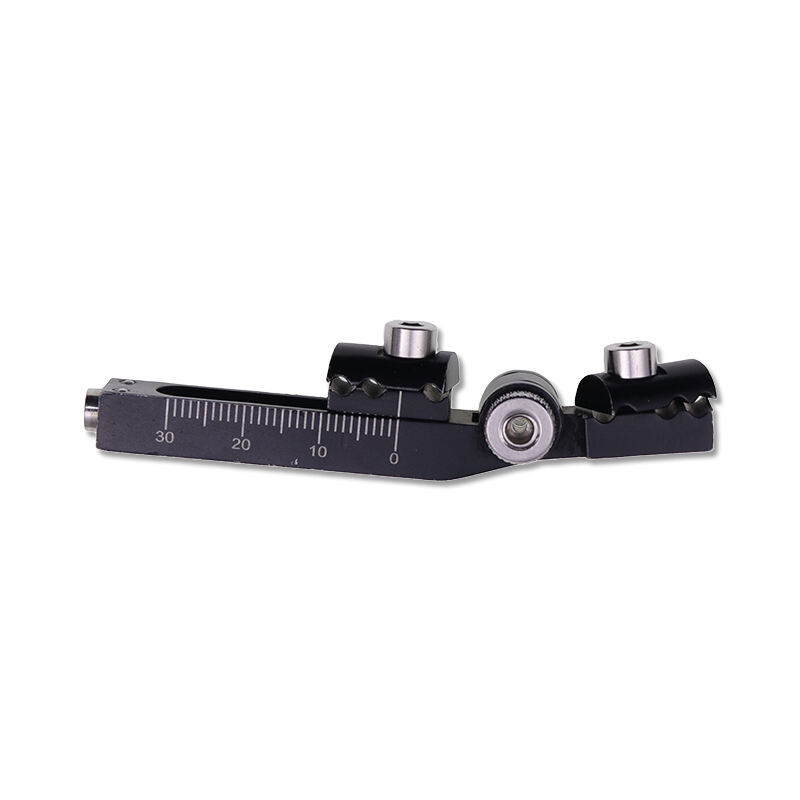
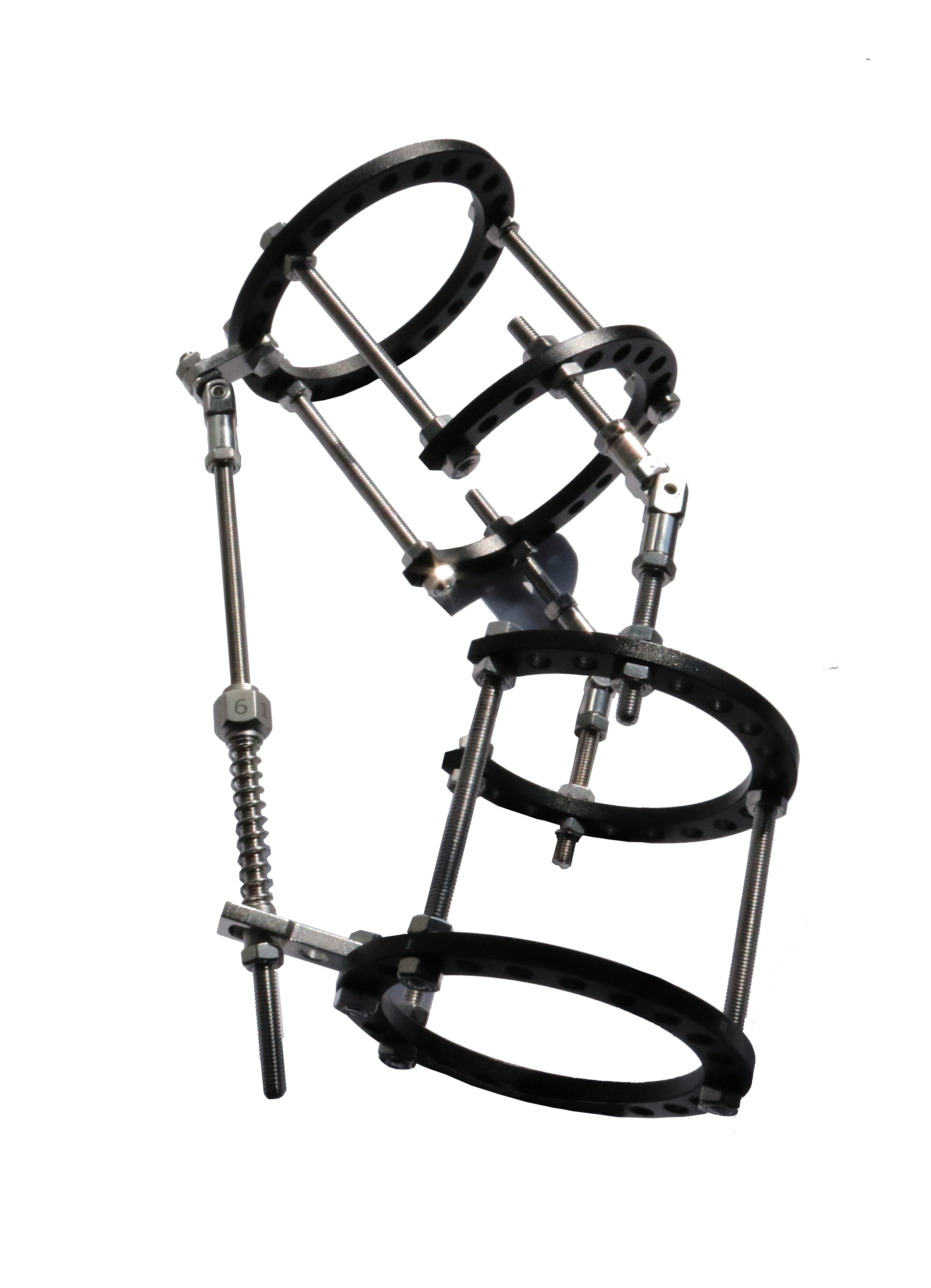
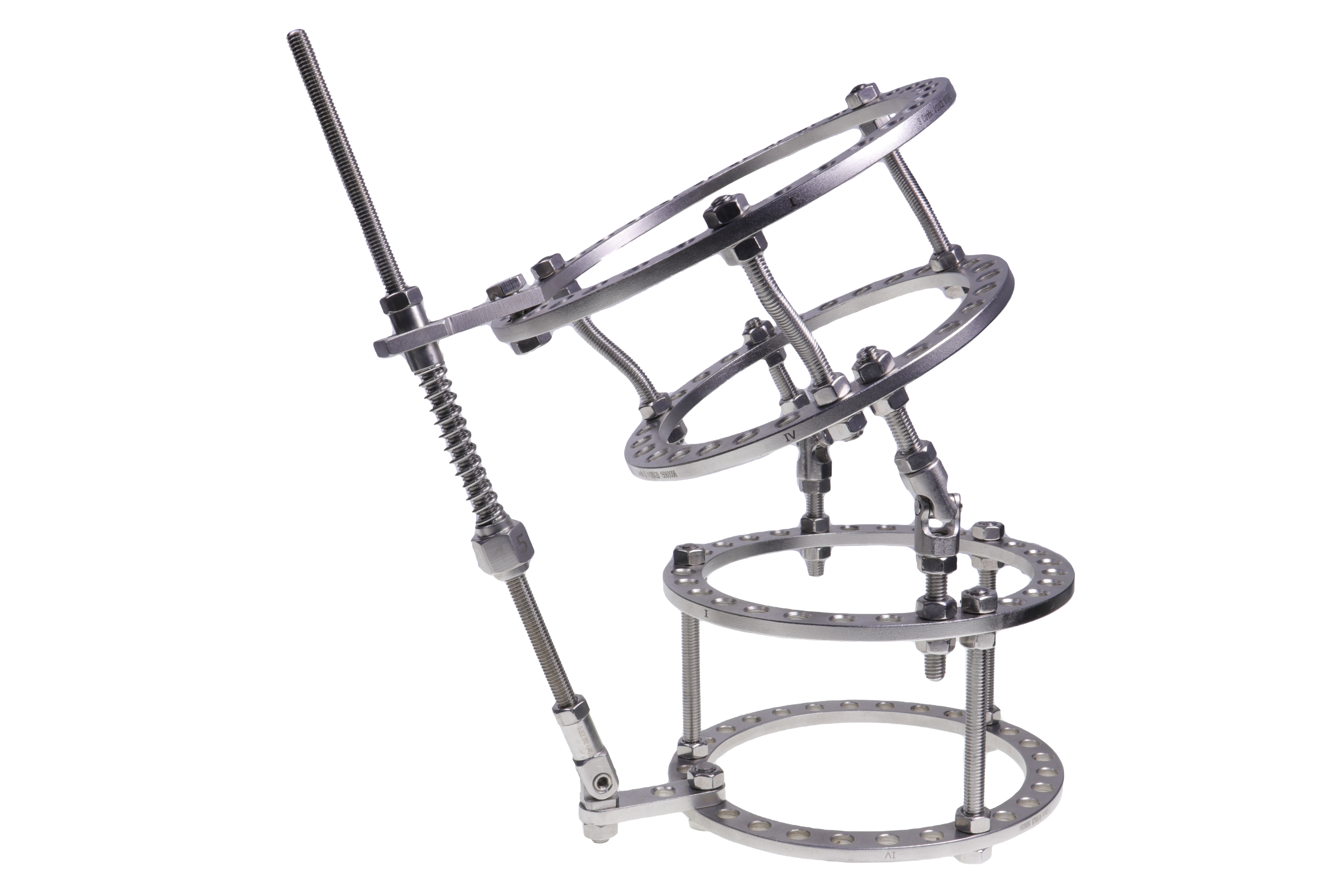
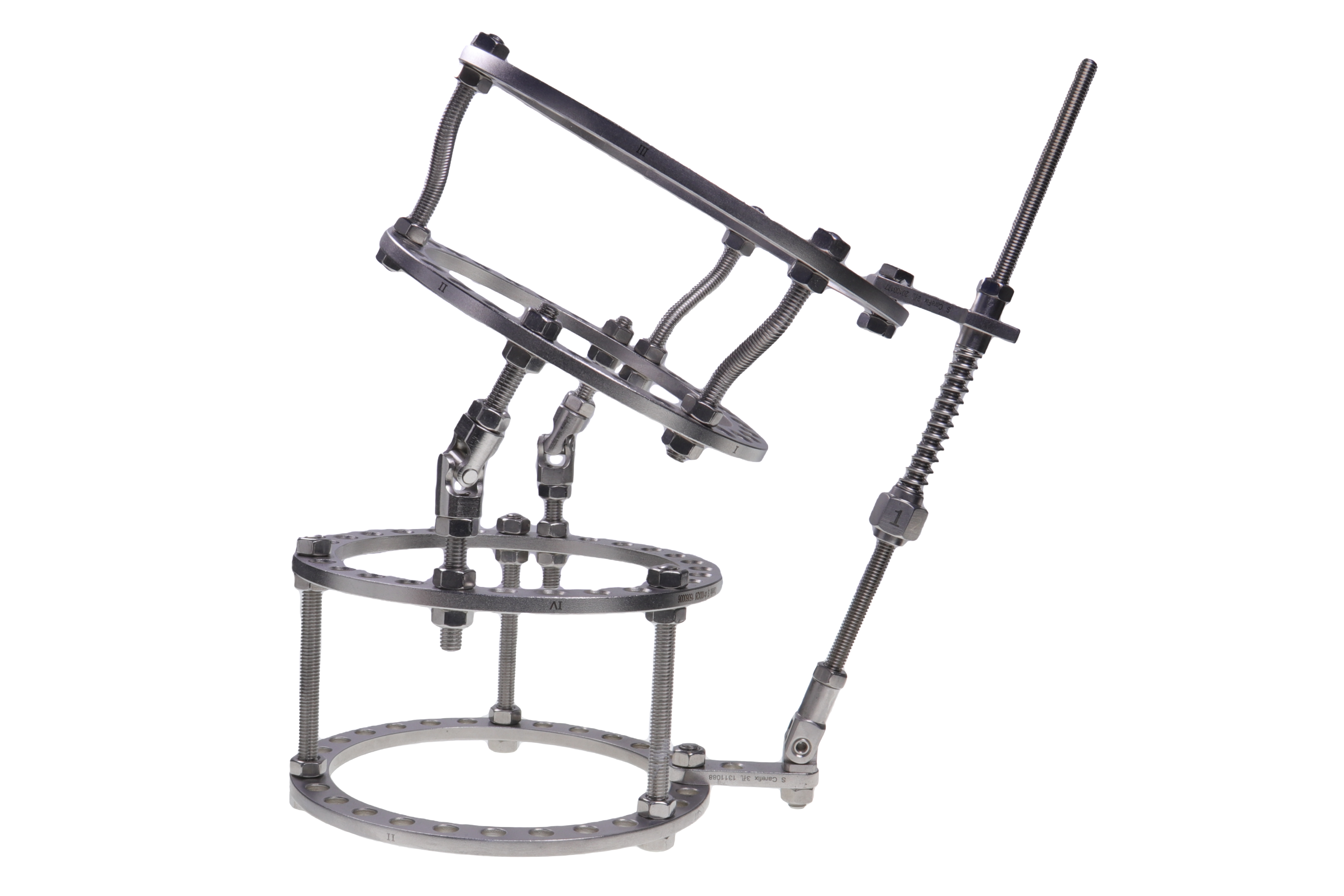
A knee spanning external fixator is a specialized orthopedic device designed to stabilize the knee joint and surrounding bone structures from the outside of the leg. This medical apparatus consists of metal pins or wires that are inserted through the skin into the bone above and below the knee, connected by external bars and clamps to create a rigid frame. The knee spanning external fixator serves as a temporary or definitive treatment solution for complex knee injuries, severe fractures around the knee joint, and soft tissue damage requiring immobilization. The primary functions include maintaining proper bone alignment, protecting healing tissues, allowing access to wounds for treatment, and providing stability while preserving the option for future surgical interventions. Technological features of modern systems incorporate modular components that enable precise adjustments, radiolucent materials for clear imaging during follow-up assessments, and lightweight yet durable construction for patient comfort. Applications encompass trauma cases involving high-energy injuries, infected knee replacements requiring staged reconstruction, periarticular fractures of the distal femur or proximal tibia, and complex ligamentous injuries with bone involvement. The knee spanning external fixator proves particularly valuable in damage control orthopedics, where immediate definitive fixation may be contraindicated due to patient instability or severe soft tissue compromise. This versatile device bridges the gap between emergency stabilization and definitive reconstruction, offering surgeons flexibility in managing challenging knee pathologies while minimizing additional surgical trauma during the critical healing phase.

New Product Releases

The knee spanning external fixator delivers significant practical benefits that directly address the needs of trauma surgeons and orthopedic specialists managing complex knee injuries. This device allows rapid application in emergency settings, typically requiring less operative time compared to internal fixation methods, which proves critical when treating polytrauma patients who cannot tolerate lengthy procedures. The external nature of the fixator provides unrestricted access to damaged soft tissues, enabling medical teams to monitor wounds, perform dressing changes, and address compartment syndrome without removing hardware. Patients benefit from early mobilization possibilities as the rigid frame supports the injured limb while allowing transfer and positioning that would be impossible with traditional traction methods. The modular design permits ongoing adjustments without additional surgery, letting physicians fine-tune alignment as swelling resolves and treatment progresses. For facilities managing high-acuity trauma cases, the knee spanning external fixator represents a cost-effective bridge solution that postpones definitive fixation until optimal conditions exist, reducing complication rates associated with premature internal surgery. The system accommodates various patient anatomies and injury patterns through adjustable components, making it suitable for pediatric through adult populations. Decision-makers appreciate that this fixator minimizes additional tissue disruption in already compromised zones, preserving blood supply and reducing infection risks compared to immediate internal plate and screw constructs. Operational benefits include compatibility with standard imaging equipment, straightforward removal procedures when healing permits, and the ability to convert to definitive fixation without hardware interference. Medical professionals gain valuable treatment flexibility, transforming a devastating injury scenario into a manageable staged reconstruction pathway that optimizes patient outcomes while controlling healthcare costs and resource utilization.

Practical Tips

Cannulated Screw Types: Features and Benefits Explained

16

Dec

Cannulated Screw Types: Features and Benefits Explained

Orthopedic surgery has evolved significantly over the past decades, with advances in implant technology playing a crucial role in improving patient outcomes. Among these innovations, the cannulated screw stands out as a versatile and highly effective...
View More
Special Needs of Children's Bones: Design Philosophy of Pediatric Internal Fixation Systems

16

Dec

Special Needs of Children's Bones: Design Philosophy of Pediatric Internal Fixation Systems

Children's bones present unique challenges that require specialized approaches in orthopedic surgery. Unlike adult skeletal structures, pediatric bones are constantly growing, adapting, and remodeling throughout development. When fractures or deformi...
View More
Application analysis of intramedullary nail system in ankle joint fusion

16

Dec

Application analysis of intramedullary nail system in ankle joint fusion

The evolution of orthopedic surgical techniques has brought significant advancements in treating complex ankle pathologies, particularly through the implementation of modern fixation systems. An intramedullary nail system represents a revolutionary a...
View More
Distal radial volar locking plate: refined design enhances the success rate of fracture fixation

06

Mar

Distal radial volar locking plate: refined design enhances the success rate of fracture fixation

The treatment of distal radius fractures has undergone significant evolution in recent decades, with the distal radial volar locking plate emerging as a cornerstone technology in modern orthopedic practice. These innovative implants represent a parad...
View More

Get a Free Quote

Our representative will contact you soon.
Email
Name
Company Name
Message
0/1000

knee spanning external fixator

Rapid Emergency Stabilization Capability

Rapid Emergency Stabilization Capability

The knee spanning external fixator excels in emergency trauma situations where immediate bone and joint stabilization is paramount. This device can be applied quickly in the emergency department or operating room, often within 30 minutes, providing life-saving stability to severely injured limbs without subjecting unstable patients to prolonged anesthesia. The straightforward application technique requires minimal surgical exposure, reducing blood loss and operative trauma during the critical golden hour of trauma management. Surgeons appreciate how the system accommodates damage control orthopedic principles, allowing temporary stabilization that prevents further injury to damaged nerves and vessels while medical teams address life-threatening conditions. The external frame immediately restores limb length and alignment, preventing displacement that could compromise vascular structures or skin integrity. This rapid deployment capability proves especially valuable in mass casualty situations or resource-limited settings where definitive treatment must be delayed. The knee spanning external fixator transforms an orthopedic emergency into a controlled situation, buying time for comprehensive treatment planning while protecting the injured extremity from additional harm.
Superior Soft Tissue Management Access

Superior Soft Tissue Management Access

One of the most significant advantages of the knee spanning external fixator is the unparalleled access it provides to damaged soft tissues surrounding the knee joint. Unlike internal fixation devices that lie beneath skin and muscle, this external system leaves the entire injury zone exposed for ongoing assessment and treatment. Medical teams can perform frequent wound inspections, debridement procedures, vacuum-assisted closure therapy applications, and dressing changes without disturbing the skeletal stabilization. This accessibility dramatically reduces infection rates in contaminated open fractures, as thorough cleaning and tissue management can continue throughout the healing process. Plastic surgeons can plan and execute complex soft tissue reconstructions, including flap coverage and skin grafting, with the stabilizing frame in place, eliminating the need for temporary hardware removal. The ability to visualize and treat evolving compartment syndrome, vascular compromise, or wound complications without anesthesia or operating room resources represents a substantial clinical and economic advantage. For patients with severe burns, crushing injuries, or degloving wounds around the knee, the knee spanning external fixator provides the only practical method to maintain skeletal stability while addressing extensive soft tissue pathology that would otherwise prevent traditional surgical approaches.
Adjustable Alignment and Treatment Flexibility

Adjustable Alignment and Treatment Flexibility

The knee spanning external fixator offers exceptional versatility through its fully adjustable design, allowing clinicians to modify treatment parameters as clinical conditions evolve. Unlike rigid internal implants that fix bone position permanently at the time of surgery, this external system permits gradual correction of alignment discrepancies, length adjustments, and angular modifications through simple bedside manipulations of the frame components. As post-injury swelling subsides and tissue conditions improve, surgeons can incrementally adjust the construct to optimize bone position without additional invasive procedures. This adaptability proves invaluable when initial injury assessment underestimates fracture complexity or when staged reconstruction plans require altered positioning for subsequent surgical steps. The system supports various treatment philosophies, functioning as a temporary bridge to internal fixation, a definitive treatment device for nonsurgical candidates, or a distraction frame for joint preservation techniques. Healthcare providers value how the knee spanning external fixator accommodates changing treatment plans without committing to irreversible surgical decisions during the uncertain acute injury phase. Patients benefit from personalized care pathways that can be modified based on individual healing responses, comorbidities, and functional goals, rather than following a predetermined course dictated by initially placed hardware.
logo