Hand External Fixator: Advanced Bone Stabilization

Get a Free Quote

Our representative will contact you soon.
Email
Name
Company Name
Message
0/1000

hand external fixator

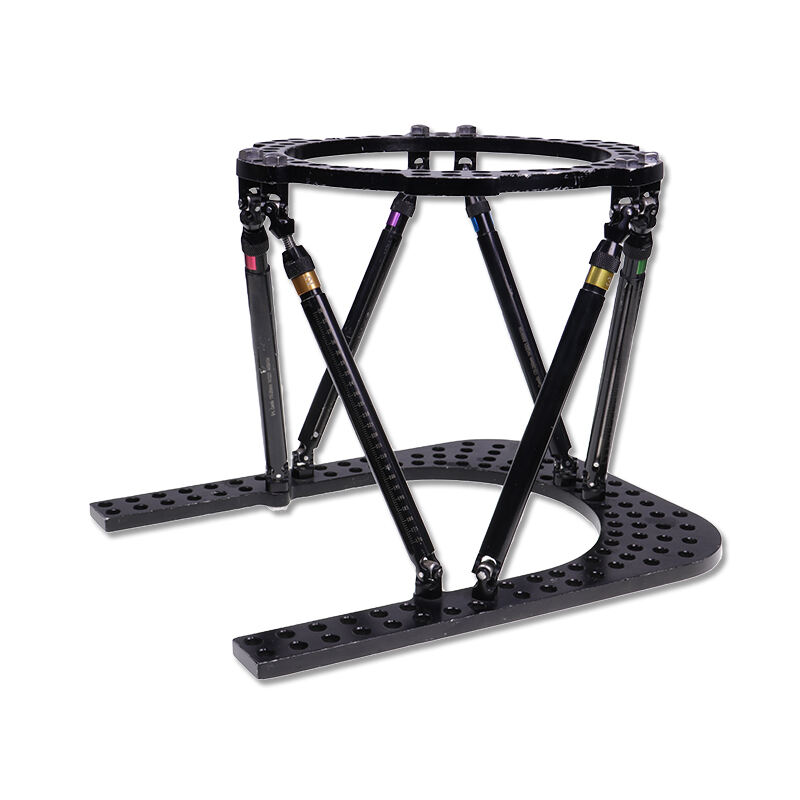
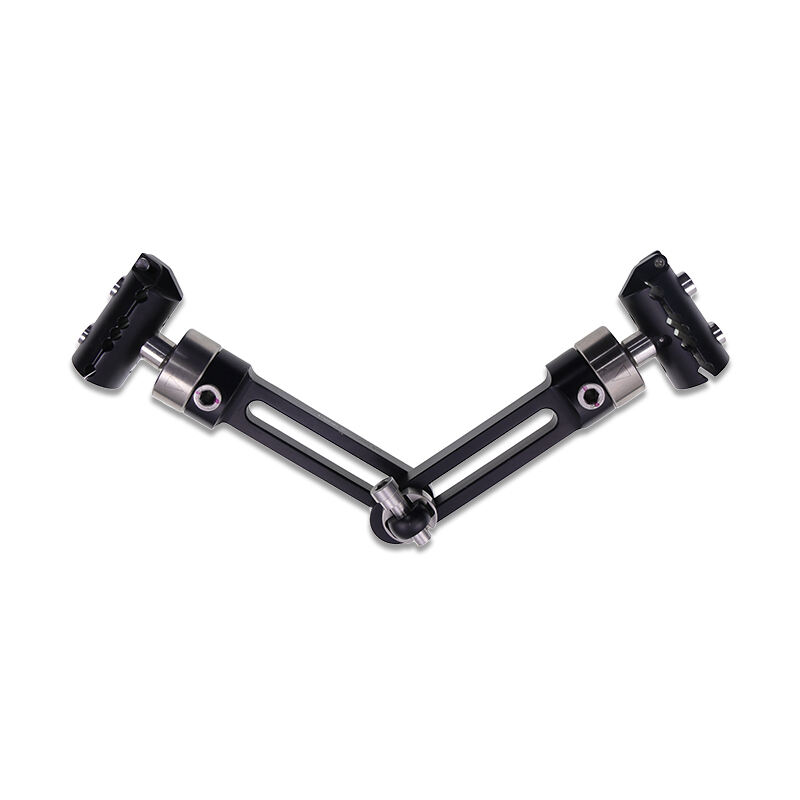
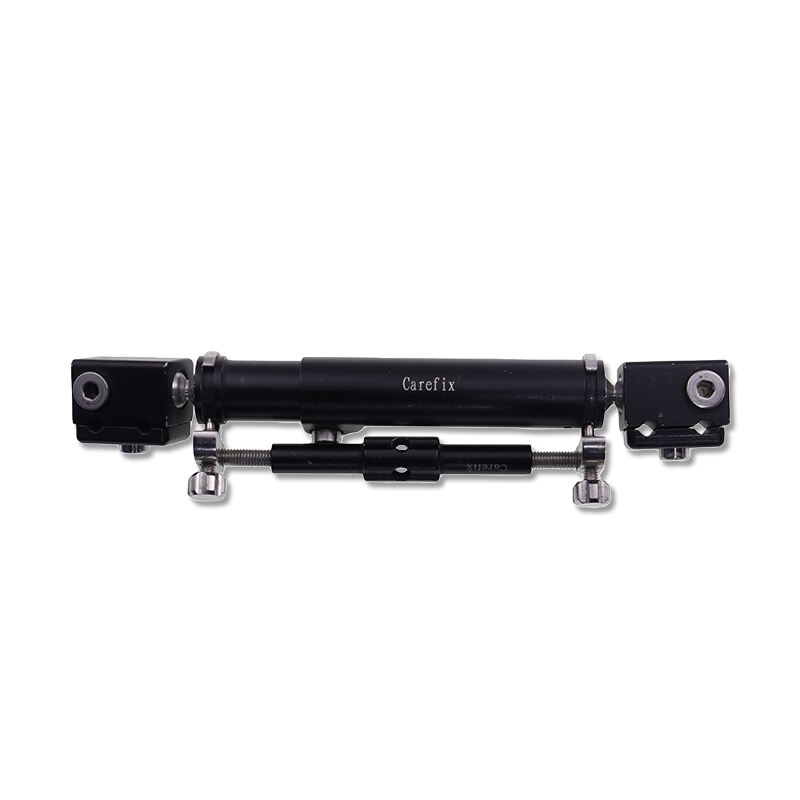
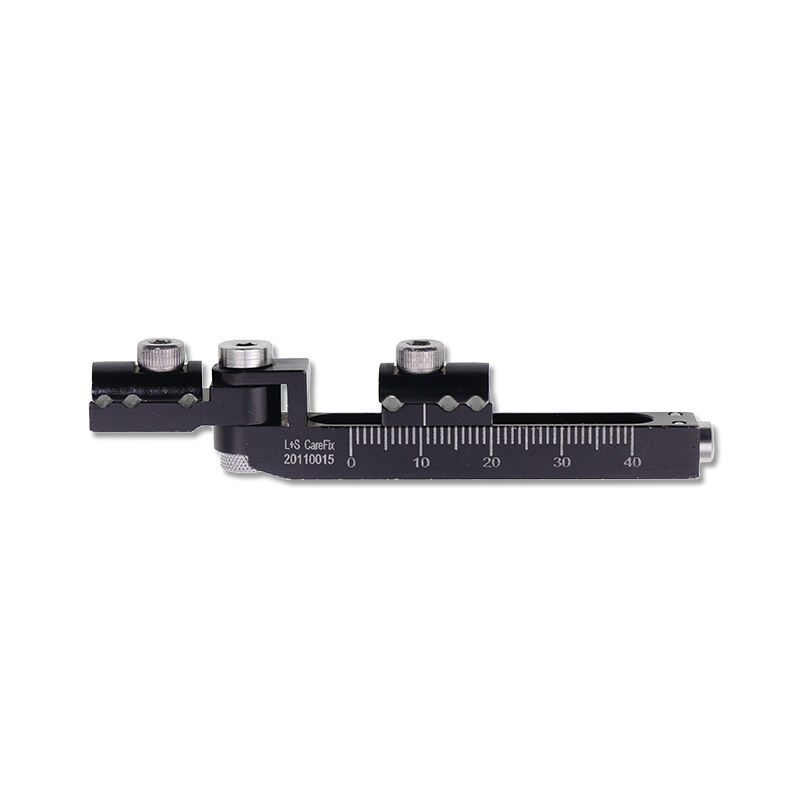
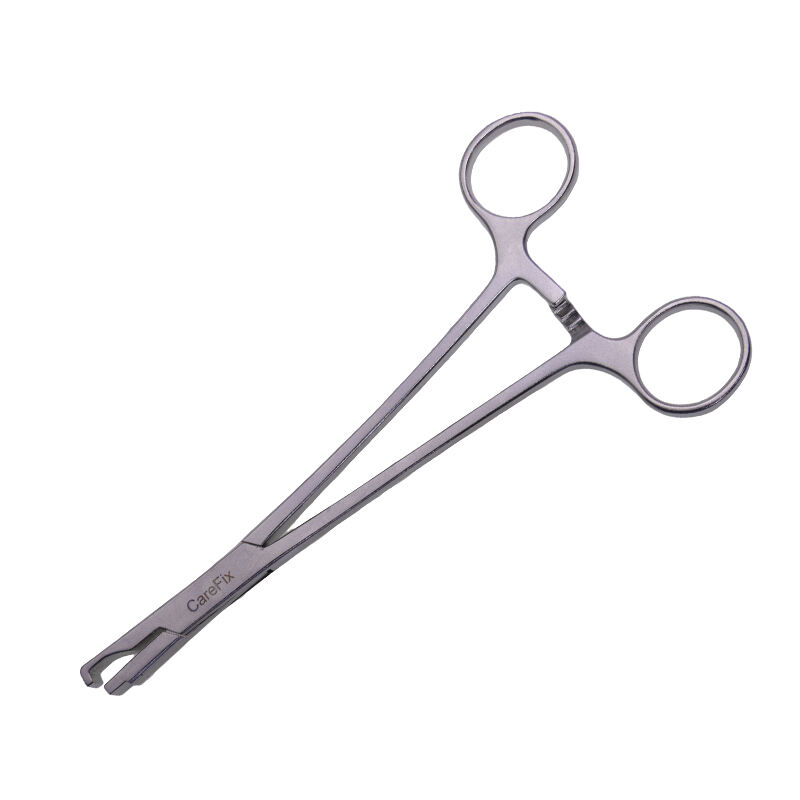
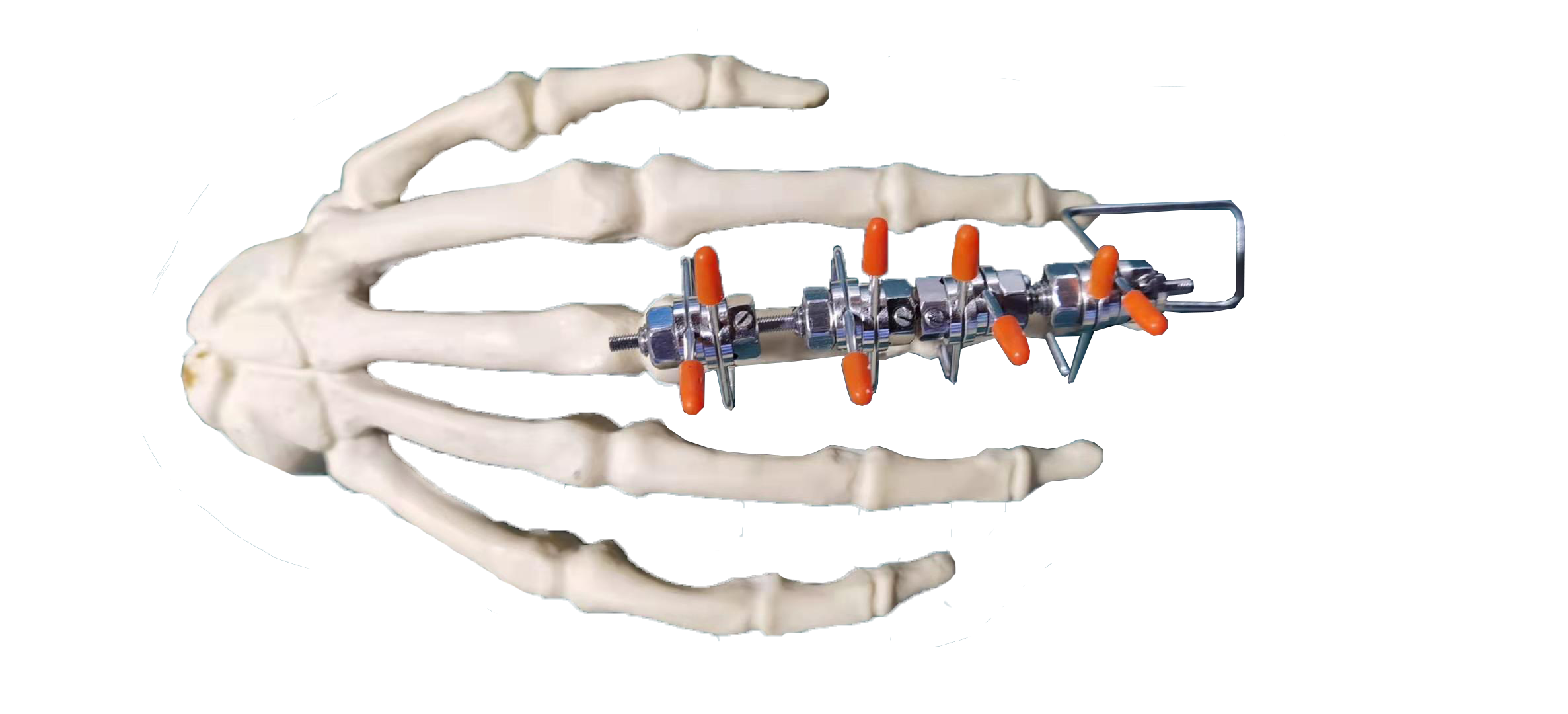
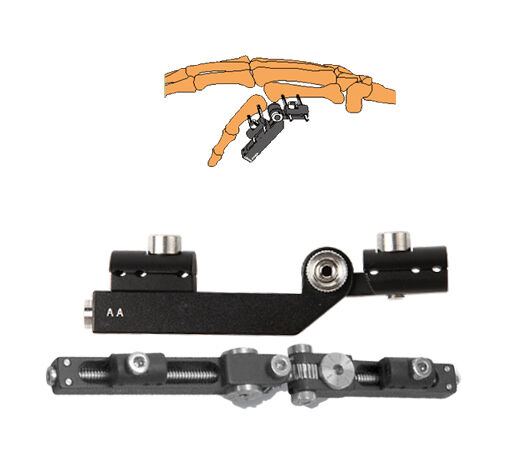
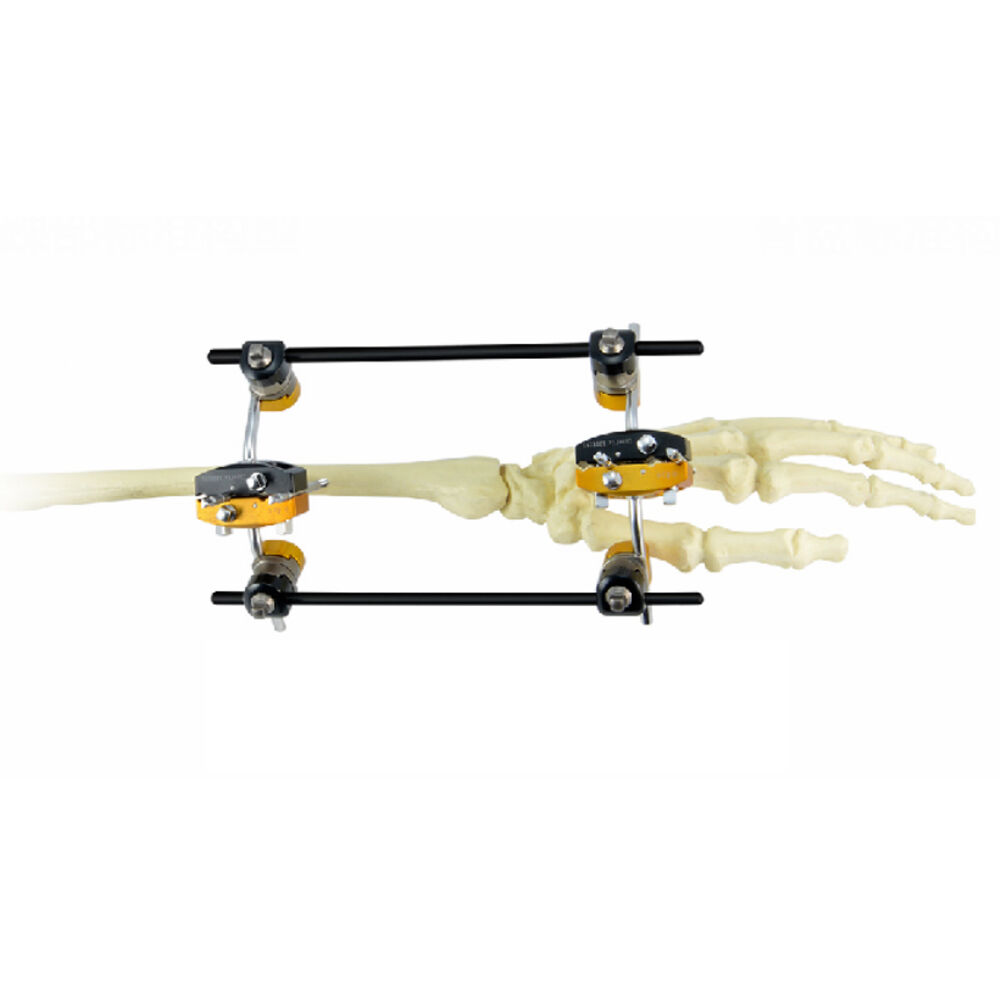
A hand external fixator is a specialized orthopedic device designed to stabilize and align bones in the hand following trauma, fractures, or reconstructive surgery. This sophisticated medical apparatus consists of metal pins or wires that are surgically inserted into the bone fragments and connected to an external frame, creating a rigid structure that maintains proper bone positioning during the healing process. The hand external fixator serves as a temporary skeletal support system that allows precise control over bone alignment while permitting access to surrounding soft tissues for wound care and monitoring. The device operates on the principle of external skeletal fixation, where the stabilizing framework remains outside the body, eliminating the need for large internal implants. Modern hand external fixator systems incorporate adjustable components that enable surgeons to make precise modifications to bone positioning even after initial application, facilitating optimal healing outcomes. The technology behind the hand external fixator has evolved significantly, with contemporary designs featuring radiolucent materials that allow clear visualization during X-ray examinations without removing the device. These fixators are particularly valuable in managing complex hand injuries including comminuted fractures, open fractures with soft tissue damage, bone infections, and cases requiring gradual bone lengthening or deformity correction. The hand external fixator provides stable fixation while maintaining the delicate balance between rigidity for bone healing and flexibility for joint function preservation, making it an indispensable tool in modern hand surgery and trauma management.

New Product Recommendations

The hand external fixator delivers substantial practical benefits that directly impact patient recovery and clinical outcomes. This device allows immediate stability without extensive surgical dissection, reducing operative time and minimizing trauma to already compromised tissues. Patients benefit from easier wound management since the external framework provides complete access to injury sites, enabling healthcare providers to monitor healing progress, change dressings, and address complications without removing the fixation system. The adjustability feature represents a significant operational advantage, as surgeons can fine-tune bone alignment during follow-up appointments without additional surgery, correcting any displacement that may occur during the healing phase. For medical facilities, the hand external fixator offers cost-effectiveness through reusable components and reduced need for revision surgeries. The device supports early mobilization of unaffected joints, preventing stiffness and promoting better functional recovery compared to traditional casting methods. Patients with complex injuries involving bone loss, severe soft tissue damage, or infection particularly benefit from this fixation method, as it maintains skeletal stability while allowing necessary soft tissue reconstruction procedures. The hand external fixator accommodates various hand sizes and injury patterns through modular design, making it suitable for diverse patient populations from pediatric to adult cases. Decision-makers in healthcare settings value the versatility of the hand external fixator for managing multiple injury types with a single system, reducing inventory complexity. The transparent treatment approach allows patients to visualize their healing progress, improving compliance and understanding of their recovery timeline. Furthermore, the hand external fixator minimizes the risk of implant-related complications such as hardware irritation or the need for secondary removal surgeries, as the device is simply detached once healing is complete, offering a practical solution for complex hand trauma management.

Latest News

Application of carbon fiber material external fixation bracket in clinical practice

13

Jan

Application of carbon fiber material external fixation bracket in clinical practice

The integration of advanced materials in orthopedic surgery has revolutionized patient care and treatment outcomes. Among these innovations, carbon fiber external fixation systems have emerged as a superior alternative to traditional metal frameworks...
View More
Ankle internal fixation system: Advantages of ankle locking plate in the treatment of complex fractures

06

Mar

Ankle internal fixation system: Advantages of ankle locking plate in the treatment of complex fractures

Complex ankle fractures represent one of the most challenging orthopedic injuries, requiring precise surgical intervention and advanced fixation techniques to restore optimal function and stability. The ankle locking plate has emerged as a revolution...
View More
Cannulated screw system: Technological advancements in the treatment of ankle fractures

06

Mar

Cannulated screw system: Technological advancements in the treatment of ankle fractures

Ankle fractures represent one of the most challenging orthopedic injuries requiring precise surgical intervention and advanced fixation methods. The evolution of fracture treatment has been significantly enhanced by the introduction of modern cannula...
View More
Treatment of osteomyelitis and tibial pseudarthrosis: The advantages of the Ilizarov frame

06

Mar

Treatment of osteomyelitis and tibial pseudarthrosis: The advantages of the Ilizarov frame

The treatment of complex orthopedic conditions such as osteomyelitis and tibial pseudarthrosis presents significant challenges that require innovative surgical approaches. Among the most effective solutions available to orthopedic surgeons today is t...
View More

Get a Free Quote

Our representative will contact you soon.
Email
Name
Company Name
Message
0/1000

hand external fixator

Precision Adjustability for Optimal Bone Alignment

Precision Adjustability for Optimal Bone Alignment

The hand external fixator features sophisticated adjustability mechanisms that empower surgeons to achieve and maintain precise bone positioning throughout the entire healing process. Unlike internal fixation methods that lock bone fragments in a fixed position, this external system incorporates calibrated adjustment joints and telescoping rods that allow three-dimensional positional corrections. Surgeons can gradually distract bone fragments to correct length discrepancies, compress fracture sites to promote union, or rotate segments to achieve proper anatomical alignment. These adjustments can be performed in the outpatient setting without anesthesia, eliminating the need for revision surgeries when initial positioning proves suboptimal. The graduated adjustment capability is particularly valuable in treating growth plate injuries in pediatric patients or managing bone defects that require gradual lengthening. This precision control translates to improved functional outcomes, as even millimeter-level discrepancies in hand bone alignment can significantly impact grip strength, range of motion, and overall hand function. The ability to make incremental corrections responds to the dynamic nature of bone healing, accommodating settling or displacement that naturally occurs during the consolidation phase.
Enhanced Soft Tissue Management and Wound Access

Enhanced Soft Tissue Management and Wound Access

A distinguishing advantage of the hand external fixator is its exceptional facilitation of soft tissue care in complex injury scenarios. The external framework maintains skeletal stability while leaving the entire injury zone accessible for comprehensive wound management, a critical factor in preventing infection and promoting healing in open fractures. Healthcare providers can perform regular wound inspections, debridement procedures, dressing changes, and skin grafting operations without compromising bone stability or requiring device removal. This open access architecture proves invaluable when treating crush injuries, burns combined with fractures, or cases with significant soft tissue loss where multiple reconstructive procedures are anticipated. The hand external fixator supports staged treatment protocols, allowing soft tissue to recover before definitive bone grafting or coverage procedures. Patients benefit from reduced infection rates compared to immediate internal fixation in contaminated wounds, as the external fixation method avoids placing foreign material directly in compromised tissue beds. The transparent monitoring capability enables early detection of complications such as pin site infections, vascular compromise, or wound dehiscence, allowing prompt intervention. For injuries requiring vacuum-assisted closure therapy or other advanced wound care technologies, the hand external fixator seamlessly integrates with these treatment modalities without interference.

Versatile Application Across Diverse Hand Pathologies

Versatile Application Across Diverse Hand Pathologies

The hand external fixator demonstrates remarkable versatility in addressing a comprehensive spectrum of hand conditions beyond simple fracture stabilization. This adaptability makes it an essential tool for treating complicated scenarios including metacarpal and phalangeal fractures with bone loss, severely comminuted articular injuries, post-traumatic deformities requiring gradual correction, infected nonunions where internal hardware removal is necessary, and congenital hand deformities needing skeletal lengthening. The modular design accommodates different hand sizes, bone diameters, and fracture configurations through interchangeable components and multiple mounting options. Pediatric applications benefit from the growth-friendly nature of external fixation, as the device can be adjusted to accommodate ongoing skeletal development while maintaining alignment. In arthrodesis procedures, the hand external fixator provides rigid compression across joint surfaces to promote fusion while allowing continued use of adjacent joints. Complex reconstructive cases involving multiple injured digits can be managed simultaneously with interconnected fixator frames, maintaining proper spatial relationships during healing. The device supports both emergency trauma applications and elective reconstructive procedures, offering healthcare facilities a single system capable of managing diverse clinical scenarios, thereby improving resource utilization and clinical team familiarity with the technology.
logo