Medical Screws - Precision Orthopedic Fixation

Get a Free Quote

Our representative will contact you soon.
Email
Name
Company Name
Message
0/1000

medical screws

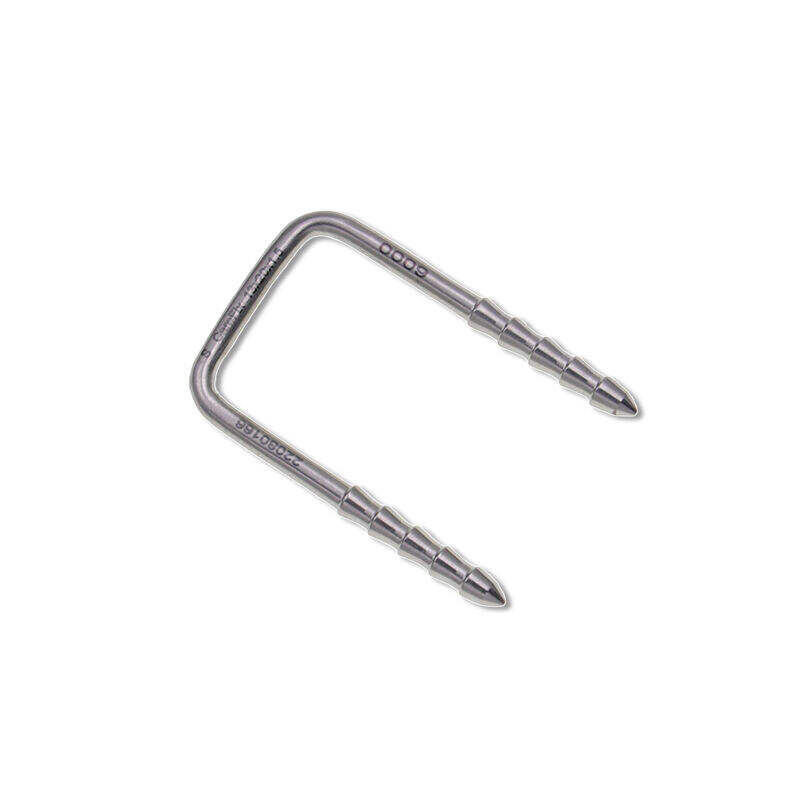
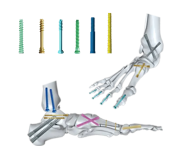
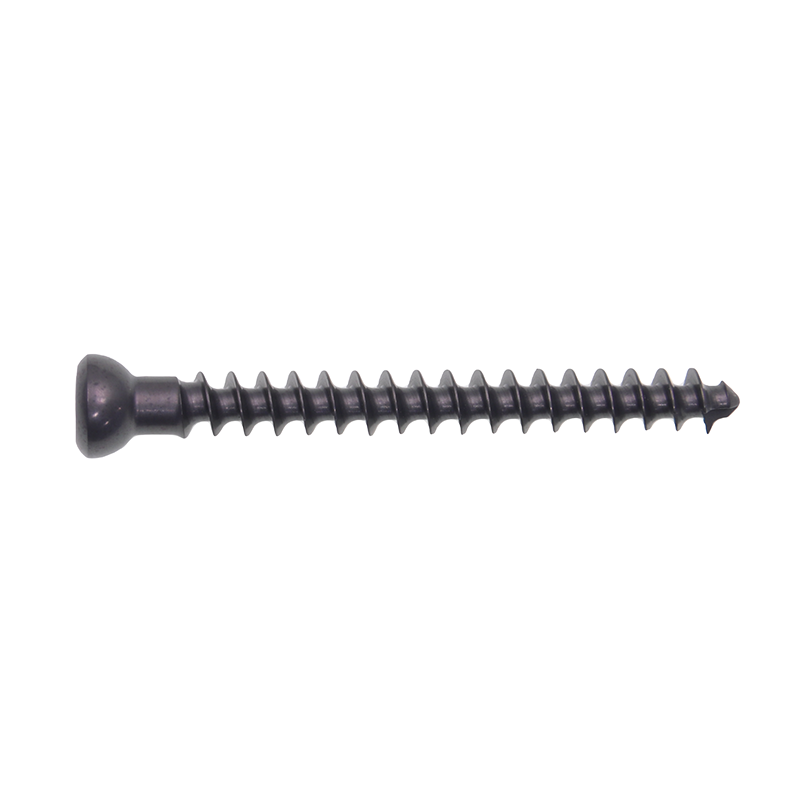
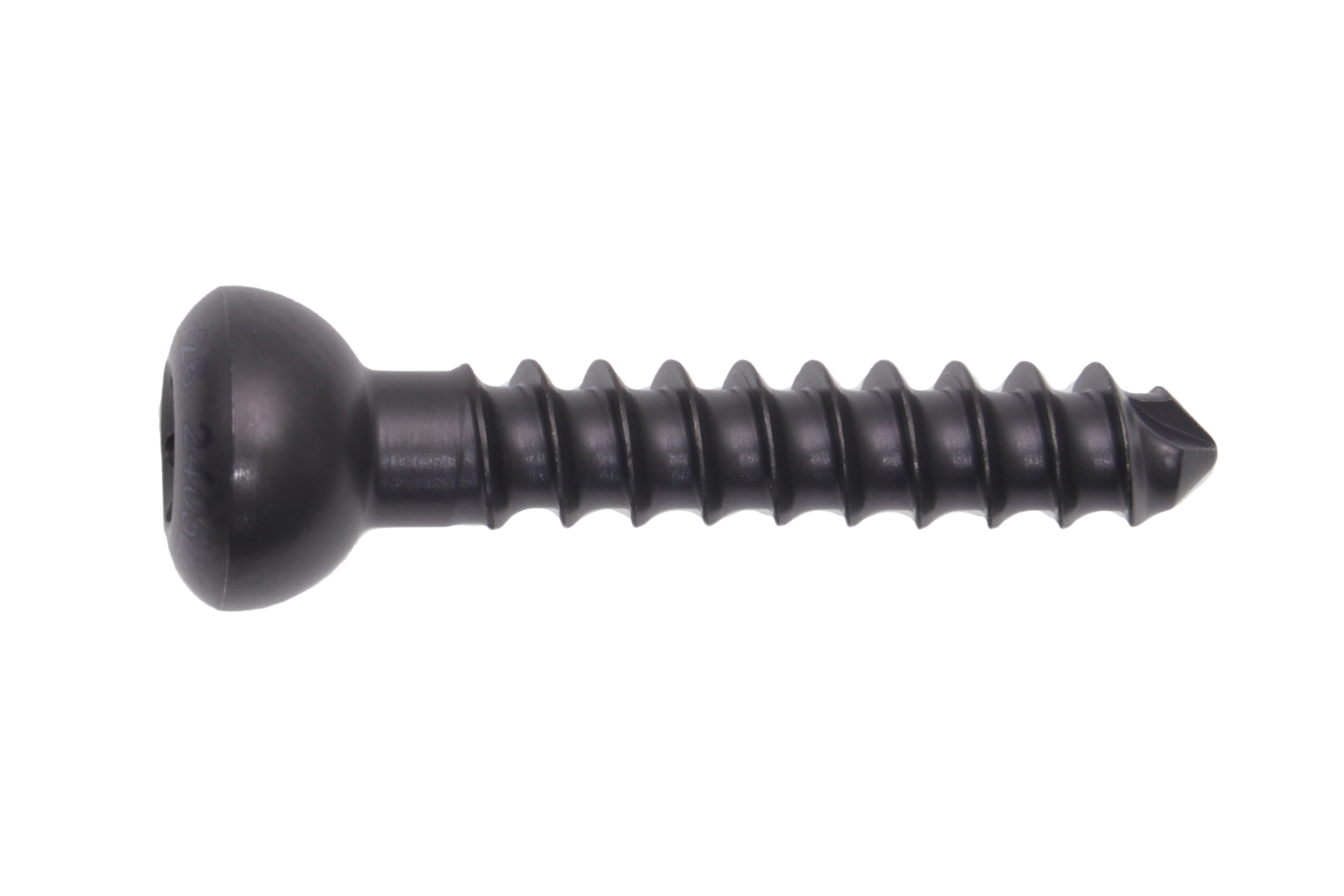
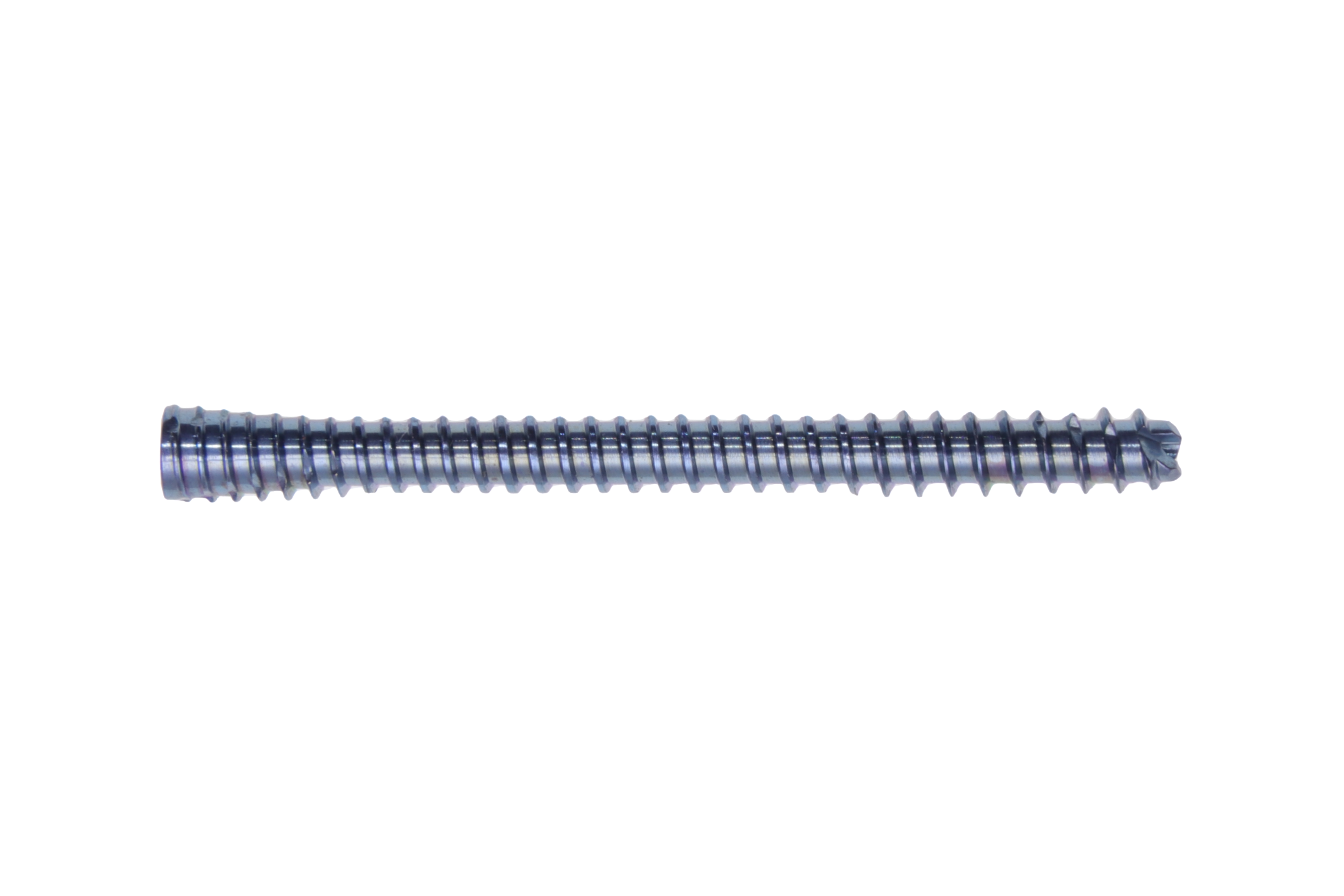
Medical screws are specialized orthopedic fastening devices designed to secure bone fragments, implants, and fixation plates during surgical procedures. These precision-engineered components play a critical role in fracture stabilization, joint reconstruction, spinal fusion, and trauma repair surgeries. Manufactured from biocompatible materials such as titanium alloys, stainless steel, and bioabsorbable polymers, medical screws ensure optimal integration with human tissue while maintaining structural integrity under physiological loads. The threaded design of medical screws provides exceptional grip strength within bone structures, allowing surgeons to achieve stable fixation across various bone densities and anatomical locations. Advanced manufacturing processes ensure consistent thread geometry, precise dimensions, and surface treatments that promote osseointegration. Medical screws come in diverse configurations including cortical screws for dense outer bone, cancellous screws for softer inner bone, locking screws for angular stability, and cannulated screws that allow guidewire insertion for accurate placement. Self-tapping designs eliminate the need for pre-drilling in certain applications, reducing surgical time and tissue trauma. The technological evolution of medical screws has introduced features such as variable pitch threading, dual-lead designs, and optimized head geometries that enhance purchase strength and reduce insertion torque. These innovations enable surgeons to address complex fracture patterns, osteoporotic bone conditions, and minimally invasive surgical approaches with greater confidence and predictability in patient outcomes.

New Product Releases

Medical screws deliver substantial value to healthcare facilities and surgical teams through proven clinical performance and operational efficiency. The biocompatible composition eliminates adverse tissue reactions while supporting natural bone healing processes, directly contributing to improved patient recovery times and reduced complication rates. Surgeons benefit from the extensive range of sizes and designs that accommodate diverse anatomical requirements, from pediatric cases to complex revision surgeries, ensuring appropriate solutions for virtually every orthopedic challenge. The precision manufacturing standards guarantee dimensional accuracy and thread consistency, which translates to reliable insertion torque and predictable fixation strength during procedures. Healthcare providers appreciate how medical screws integrate seamlessly with existing surgical instrumentation and plating systems, minimizing training requirements and inventory complexity. The availability of cannulated options facilitates minimally invasive techniques that reduce patient trauma, shorten hospital stays, and accelerate return to normal activities. Cost-conscious facilities recognize the long-term value proposition, as the durability of medical screws minimizes revision surgery needs and associated expenses. The self-tapping capability of many medical screws reduces procedural steps, saving valuable operating room time and decreasing anesthesia exposure for patients. Radiolucent properties in certain materials allow clear postoperative imaging without artifacts, enabling accurate assessment of bone healing progress. The corrosion resistance and fatigue strength of premium medical screws ensure stable fixation throughout the healing period, even under dynamic loading conditions. For procurement decision-makers, the regulatory compliance and comprehensive documentation accompanying medical screws simplify quality assurance processes and support institutional accreditation requirements, making these devices a dependable choice for orthopedic departments seeking to balance clinical excellence with operational practicality.

Tips And Tricks

U-shaped nail: technical advantage of ankle surgery

13

Jan

U-shaped nail: technical advantage of ankle surgery

Modern orthopedic surgery has witnessed remarkable advancement in fixation techniques, particularly in the treatment of complex ankle and distal tibial fractures. The distal tibial interlocking intramedullary nail represents a significant breakthroug...
View More
Evolution of Intervertebral Fusion Device Materials: Clinical Efficacy Comparison between PEEK and Titanium Alloy

13

Jan

Evolution of Intervertebral Fusion Device Materials: Clinical Efficacy Comparison between PEEK and Titanium Alloy

The advancement of spinal surgery has been significantly influenced by the development of sophisticated intervertebral fusion device technologies. Modern spine surgeons rely heavily on these devices to achieve successful fusion outcomes while minimiz...
View More
How to choose the appropriate size and thread of hollow screws?

11

Feb

How to choose the appropriate size and thread of hollow screws?

Selecting the right hollow screws for orthopedic procedures requires careful consideration of multiple factors that directly impact surgical outcomes and patient recovery. These specialized medical devices serve critical functions in bone fixation, t...
View More
Ankle internal fixation system: Advantages of ankle locking plate in the treatment of complex fractures

06

Mar

Ankle internal fixation system: Advantages of ankle locking plate in the treatment of complex fractures

Complex ankle fractures represent one of the most challenging orthopedic injuries, requiring precise surgical intervention and advanced fixation techniques to restore optimal function and stability. The ankle locking plate has emerged as a revolution...
View More

Get a Free Quote

Our representative will contact you soon.
Email
Name
Company Name
Message
0/1000

medical screws

Superior Biocompatibility and Osseointegration

Superior Biocompatibility and Osseointegration

Medical screws manufactured from titanium alloys and specialized biocompatible materials demonstrate exceptional tissue compatibility that minimizes inflammatory responses and promotes natural bone integration. The carefully engineered surface treatments and material composition create an optimal environment for osteoblast activity, facilitating direct bone-to-implant contact that enhances fixation stability over time. This biocompatibility advantage proves particularly valuable in patients with compromised healing capacity or sensitivity concerns, as the inert nature of these materials reduces rejection risks. The osseointegration properties of medical screws ensure that temporary mechanical fixation gradually transitions to biological stability as new bone forms around the implant threads. Surgeons can confidently apply medical screws in load-bearing applications knowing that the material strength will maintain structural support while biological healing progresses. The corrosion-resistant properties prevent material degradation within the physiological environment, ensuring consistent performance throughout the healing timeline. For patients requiring long-term implantation, the proven biocompatibility of medical screws translates to improved quality of life without concerns about material-related complications. Healthcare providers selecting medical screws gain assurance that these devices meet rigorous biocompatibility standards established by international regulatory bodies, supporting both patient safety objectives and institutional quality benchmarks.
Versatile Design Options for Diverse Surgical Applications

Versatile Design Options for Diverse Surgical Applications

The comprehensive range of medical screws available addresses virtually every orthopedic fixation requirement across multiple anatomical regions and surgical specialties. Cortical screw designs feature fine thread patterns optimized for dense outer bone structures, providing exceptional purchase in diaphyseal fractures and plate fixation applications. Cancellous medical screws incorporate wider thread spacing specifically engineered for trabecular bone, delivering reliable grip in metaphyseal regions and joint reconstruction procedures. Locking screw technology creates fixed-angle constructs that transform conventional plates into internal fixators, particularly beneficial in osteoporotic bone or periarticular fractures where traditional compression may compromise fixation. Cannulated medical screws accommodate guidewire placement for precise positioning in challenging anatomical locations, reducing soft tissue disruption and improving alignment accuracy in minimally invasive approaches. Variable pitch threading designs optimize compression dynamics during insertion, while dual-lead configurations reduce insertion torque requirements without sacrificing fixation strength. The availability of headless compression screws enables subchondral placement for small bone and joint fusion procedures where prominence could cause discomfort. Biodegradable medical screws manufactured from polylactic acid polymers eliminate the need for removal surgeries in appropriate indications, particularly advantageous in pediatric populations. This design versatility empowers surgical teams to select the optimal medical screw configuration for each unique clinical scenario, enhancing procedural outcomes across trauma, reconstruction, and elective orthopedic interventions.
Enhanced Surgical Efficiency and Procedural Reliability

Enhanced Surgical Efficiency and Procedural Reliability

Medical screws incorporate design features that streamline surgical workflows and improve procedural predictability for operating room teams. Self-tapping cutting flutes eliminate the requirement for separate tapping procedures in many applications, reducing surgical steps and minimizing bone preparation time during complex reconstructions. The consistent thread geometry and precisely controlled dimensions ensure predictable insertion torque characteristics, allowing surgeons to achieve optimal fixation without overtightening risks that could compromise bone integrity or strip threads. Color-coded and clearly marked head designs facilitate rapid identification of screw types and sizes during procedures, reducing selection errors and maintaining surgical momentum. The compatibility of medical screws with standardized instrument systems means surgical teams work with familiar tools, minimizing learning curves when transitioning between manufacturers or updating inventory. Break-off designs in certain medical screw configurations allow quick removal of excess shank length without additional instruments, particularly useful in percutaneous procedures where minimizing incision size matters. The radiopaque markers incorporated into many medical screws provide clear fluoroscopic visualization during insertion, enabling accurate trajectory confirmation without repeated imaging. Quality control processes ensure each medical screw meets strict dimensional tolerances, virtually eliminating device-related procedural complications. These efficiency-enhancing features translate to shorter operative times, reduced patient anesthesia exposure, and improved operating room utilization rates, delivering measurable value to healthcare organizations while maintaining the clinical excellence that surgeons demand from orthopedic fixation devices.
logo