Cancellous Bone Screw: Advanced Fixation Solutions

Get a Free Quote

Our representative will contact you soon.
Email
Name
Company Name
Message
0/1000

cancellous bone screw

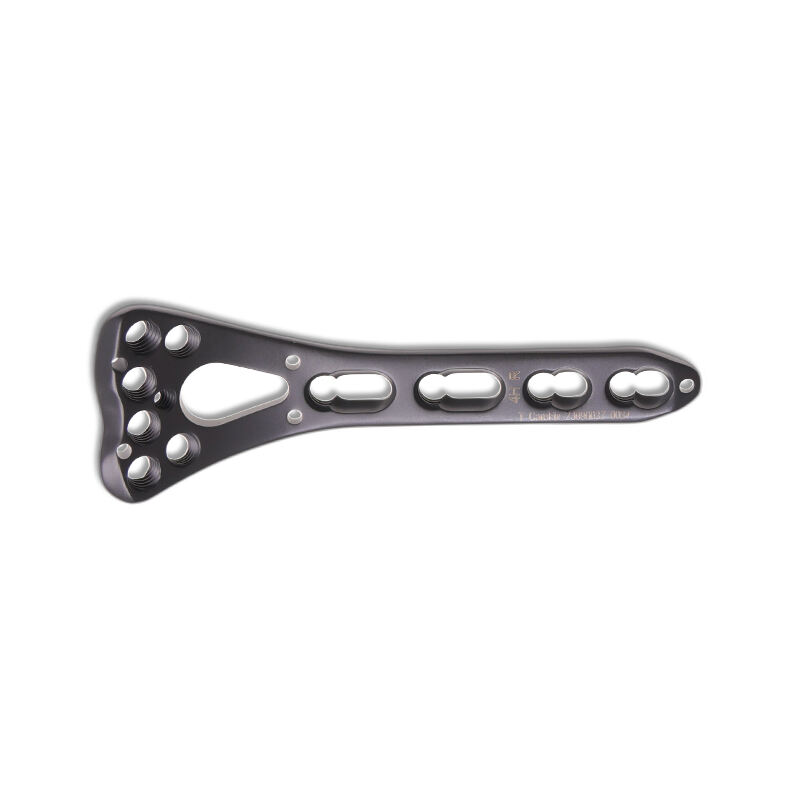
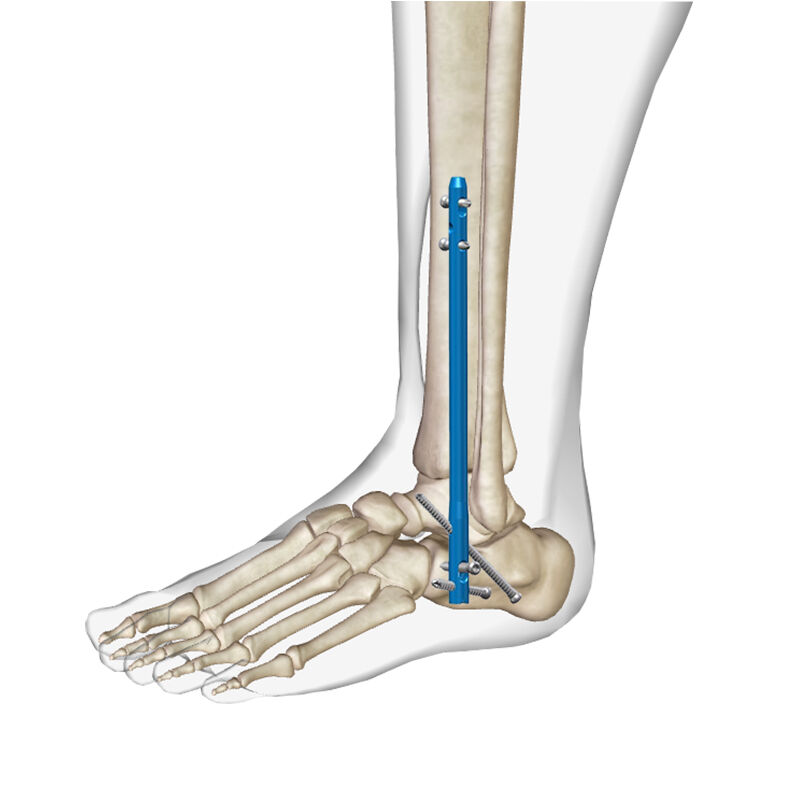
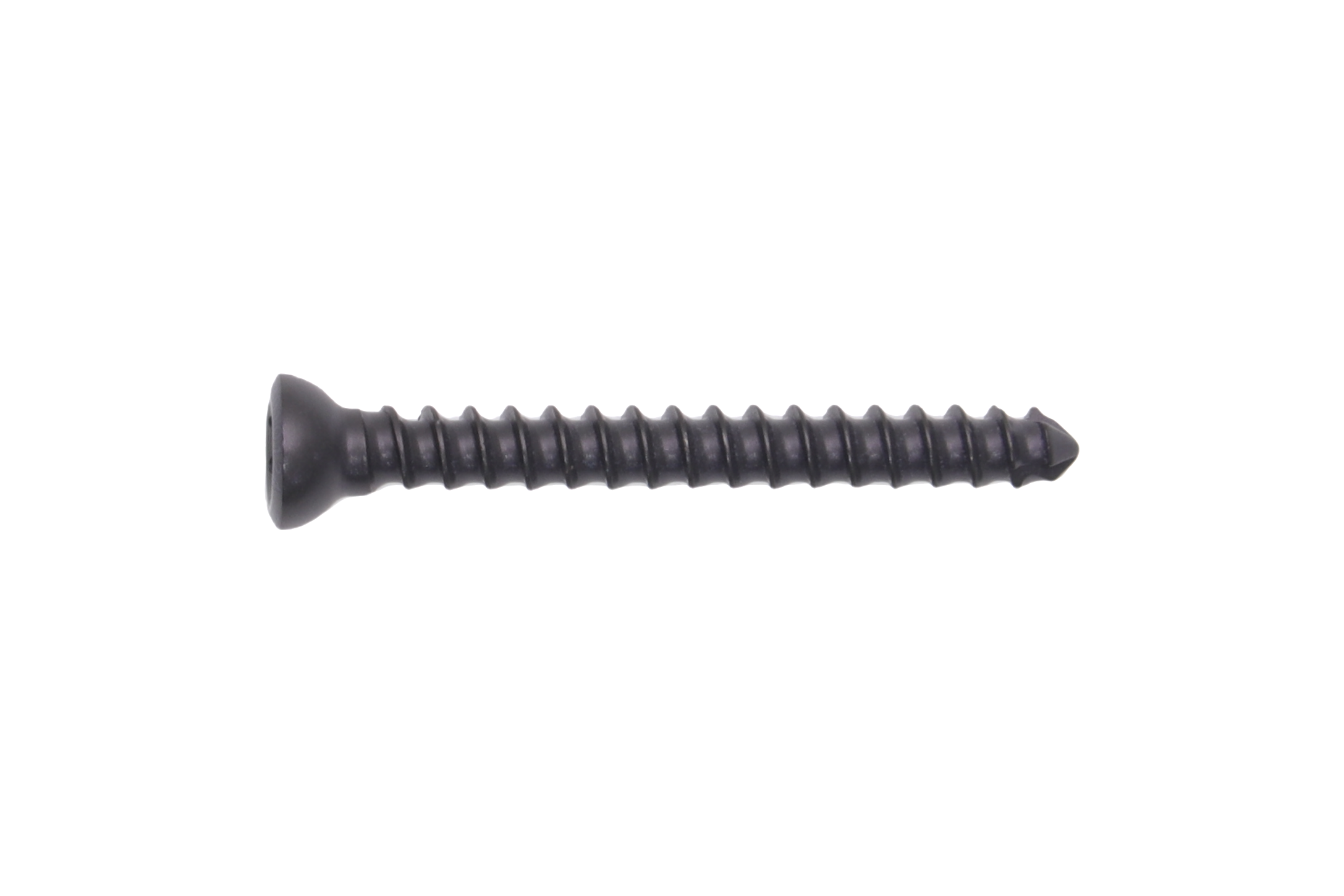
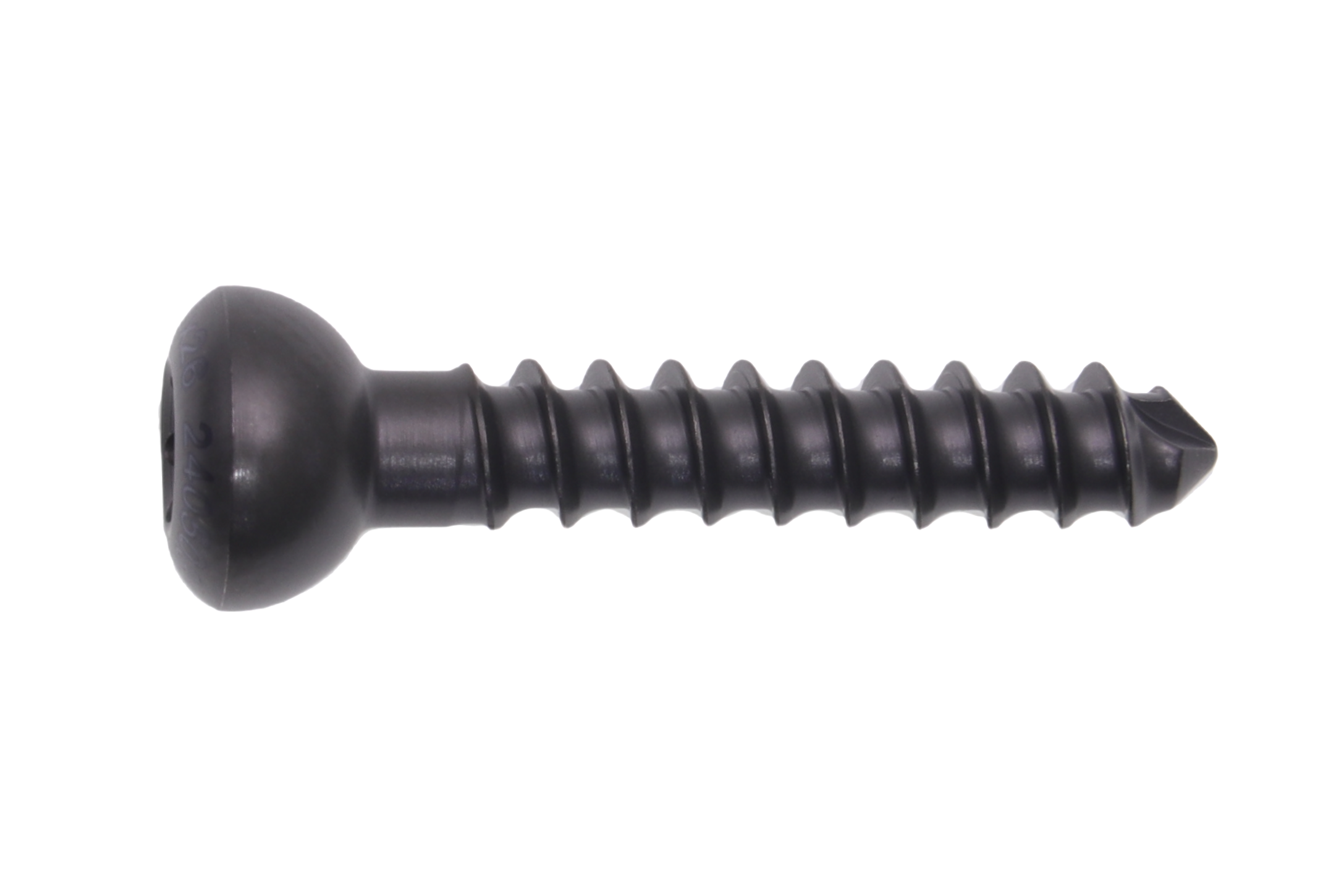
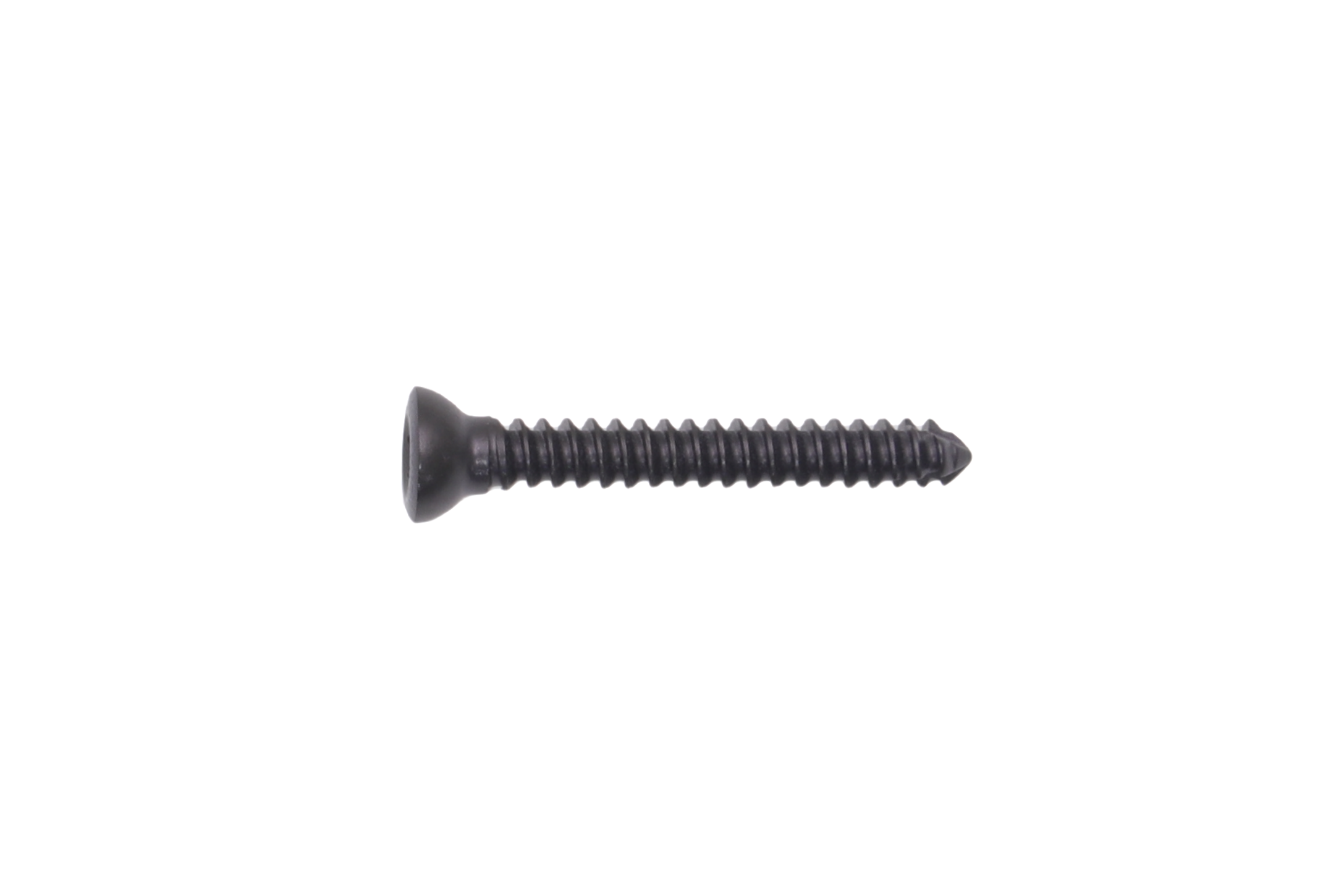
A cancellous bone screw is a specialized orthopedic fastening device designed specifically for use in soft, spongy bone tissue, also known as cancellous or trabecular bone. These screws feature a unique thread design with deeper, wider, and more aggressive threads compared to cortical bone screws, allowing them to achieve optimal purchase in the less dense bone structure found in areas such as the metaphysis, epiphysis, and within vertebral bodies. The cancellous bone screw plays a critical role in fracture fixation, joint reconstruction, and spinal fusion procedures by providing stable internal fixation that promotes proper healing and bone integration. Manufactured from biocompatible materials such as titanium alloy or stainless steel, these screws are engineered to distribute loads effectively across the porous bone architecture while minimizing the risk of thread stripping or pull-out failure. The technological features of a cancellous bone screw include self-tapping capabilities that reduce insertion torque, partially threaded or fully threaded shaft options to accommodate various surgical techniques, and a variety of head designs including hexagonal, cruciate, and low-profile configurations for compatibility with different plating systems. Applications for the cancellous bone screw span multiple surgical specialties, including trauma surgery for ankle and wrist fractures, reconstructive procedures involving the pelvis and proximal femur, foot and ankle fusion operations, and spinal instrumentation for vertebral body stabilization. The versatility and reliability of the cancellous bone screw make it an indispensable component in modern orthopedic and trauma care.

New Products

The cancellous bone screw offers numerous practical benefits that directly address the needs of surgeons and improve patient outcomes. First, the specialized thread design ensures superior holding power in soft bone, reducing the risk of hardware failure and the need for revision surgery, which translates to cost savings and better long-term results for patients. The self-tapping feature streamlines surgical procedures by eliminating the need for pre-tapping in many cases, reducing operative time and minimizing tissue trauma, which leads to faster patient recovery and shorter hospital stays. Surgeons benefit from the wide range of sizes and configurations available, allowing them to select the optimal cancellous bone screw for each specific anatomical location and fracture pattern, ensuring personalized treatment that maximizes fixation stability. The biocompatible materials used in manufacturing these screws minimize the risk of adverse reactions and support osseointegration, the process by which bone tissue bonds directly to the implant surface, creating a stable biological fixation that enhances healing. For healthcare facilities, the reliability of the cancellous bone screw reduces complication rates and associated costs while improving patient satisfaction scores. The versatility of these screws across multiple surgical applications means hospitals can standardize their inventory with fewer specialized products, simplifying procurement and reducing storage costs. Patients experience the operational benefits through improved mobility during recovery, reduced pain from stable fixation, and lower likelihood of requiring additional procedures. Decision-makers in healthcare purchasing will appreciate that investing in high-quality cancellous bone screw systems delivers value through proven clinical performance, compatibility with existing surgical instruments, and comprehensive support from manufacturers. The practical design considerations built into every cancellous bone screw reflect decades of clinical feedback and engineering innovation focused on solving real surgical challenges.

Latest News

Cannulated Screw Types: Features and Benefits Explained

16

Dec

Cannulated Screw Types: Features and Benefits Explained

Orthopedic surgery has evolved significantly over the past decades, with advances in implant technology playing a crucial role in improving patient outcomes. Among these innovations, the cannulated screw stands out as a versatile and highly effective...
View More
Application analysis of intramedullary nail system in ankle joint fusion

16

Dec

Application analysis of intramedullary nail system in ankle joint fusion

The evolution of orthopedic surgical techniques has brought significant advancements in treating complex ankle pathologies, particularly through the implementation of modern fixation systems. An intramedullary nail system represents a revolutionary a...
View More
How to choose the appropriate size and thread of hollow screws?

11

Feb

How to choose the appropriate size and thread of hollow screws?

Selecting the right hollow screws for orthopedic procedures requires careful consideration of multiple factors that directly impact surgical outcomes and patient recovery. These specialized medical devices serve critical functions in bone fixation, t...
View More
Ankle internal fixation system: Advantages of ankle locking plate in the treatment of complex fractures

06

Mar

Ankle internal fixation system: Advantages of ankle locking plate in the treatment of complex fractures

Complex ankle fractures represent one of the most challenging orthopedic injuries, requiring precise surgical intervention and advanced fixation techniques to restore optimal function and stability. The ankle locking plate has emerged as a revolution...
View More

Get a Free Quote

Our representative will contact you soon.
Email
Name
Company Name
Message
0/1000

cancellous bone screw

Advanced Thread Design for Maximum Fixation Strength

Advanced Thread Design for Maximum Fixation Strength

The cancellous bone screw features an intelligently engineered thread pattern specifically optimized for the unique structural characteristics of trabecular bone. Unlike standard screws, the thread pitch is wider and deeper, with a coarser design that engages more effectively with the honeycomb-like structure of cancellous tissue. This specialized geometry creates multiple points of contact throughout the bone matrix, distributing mechanical loads across a larger surface area and preventing stress concentration that could lead to bone fracture or screw migration. The result is exceptional pull-out resistance even in osteoporotic or compromised bone quality, a common challenge in elderly patients or those with metabolic bone disease. Surgeons can rely on this enhanced fixation strength to support early mobilization protocols, which are critical for preventing complications such as joint stiffness, muscle atrophy, and deep vein thrombosis. The thread design also facilitates controlled compression at fracture sites when used with appropriate surgical techniques, promoting primary bone healing and reducing the time to union. This feature represents a fundamental advantage of the cancellous bone screw over alternative fixation methods and demonstrates the value of purpose-built orthopedic hardware.
Self-Tapping Technology for Surgical Efficiency

Self-Tapping Technology for Surgical Efficiency

Modern cancellous bone screw designs incorporate self-tapping flutes or cutting edges at the leading threads, eliminating the need for separate tapping procedures in most clinical scenarios. This technological innovation delivers substantial benefits in the operating room by reducing the number of surgical steps, decreasing total procedure time, and minimizing the exchange of instruments, which collectively lower the risk of contamination and infection. For surgeons, the self-tapping cancellous bone screw simplifies technique and reduces physical effort during insertion, allowing for more precise control and better tactile feedback through the screwdriver. This is particularly valuable in complex reconstructive cases where multiple screws must be placed through minimal access incisions or when working in anatomically challenging locations with limited visualization. The reduced insertion torque required by self-tapping designs also decreases the mechanical stress on surrounding bone tissue, preserving bone stock and reducing the potential for iatrogenic fracture propagation. From a healthcare economics perspective, shorter operative times translate directly to increased operating room efficiency, allowing facilities to perform more procedures and improve resource utilization. Patients benefit from reduced anesthesia exposure and smaller surgical wounds, contributing to faster recovery trajectories and earlier return to normal activities.
Comprehensive Size Range and Configuration Options

Comprehensive Size Range and Configuration Options

The cancellous bone screw is available in an extensive array of diameters, lengths, and thread configurations to address the full spectrum of anatomical variations and surgical indications encountered in orthopedic practice. Diameter options typically range from small 2.0mm screws for delicate foot and hand procedures to robust 7.3mm or larger screws for major load-bearing applications in the pelvis and proximal femur. Length selections span from 10mm to over 100mm, ensuring appropriate sizing for both thin metaphyseal regions and longer trajectory fixation across joints or through vertebral bodies. Surgeons can choose between fully threaded designs that provide fixation along the entire screw length or partially threaded versions that enable dynamic compression when the unthreaded shaft spans a fracture line. Head styles include standard heads for standalone applications, low-profile heads for subcutaneous placement with minimal soft tissue irritation, and locking head options that interface with modern plating systems for angular stability. This comprehensive selection empowers surgical teams to optimize their fixation strategy for each unique patient presentation, accommodating factors such as bone quality, fracture configuration, soft tissue constraints, and biomechanical requirements. The availability of multiple options within the cancellous bone screw family eliminates the need for compromise in surgical planning and supports evidence-based decision-making that prioritizes patient-specific outcomes over one-size-fits-all approaches.
logo