Malleolar Screw: Precision Ankle Fracture Fixation

Get a Free Quote

Our representative will contact you soon.
Email
Name
Company Name
Message
0/1000

malleolar screw

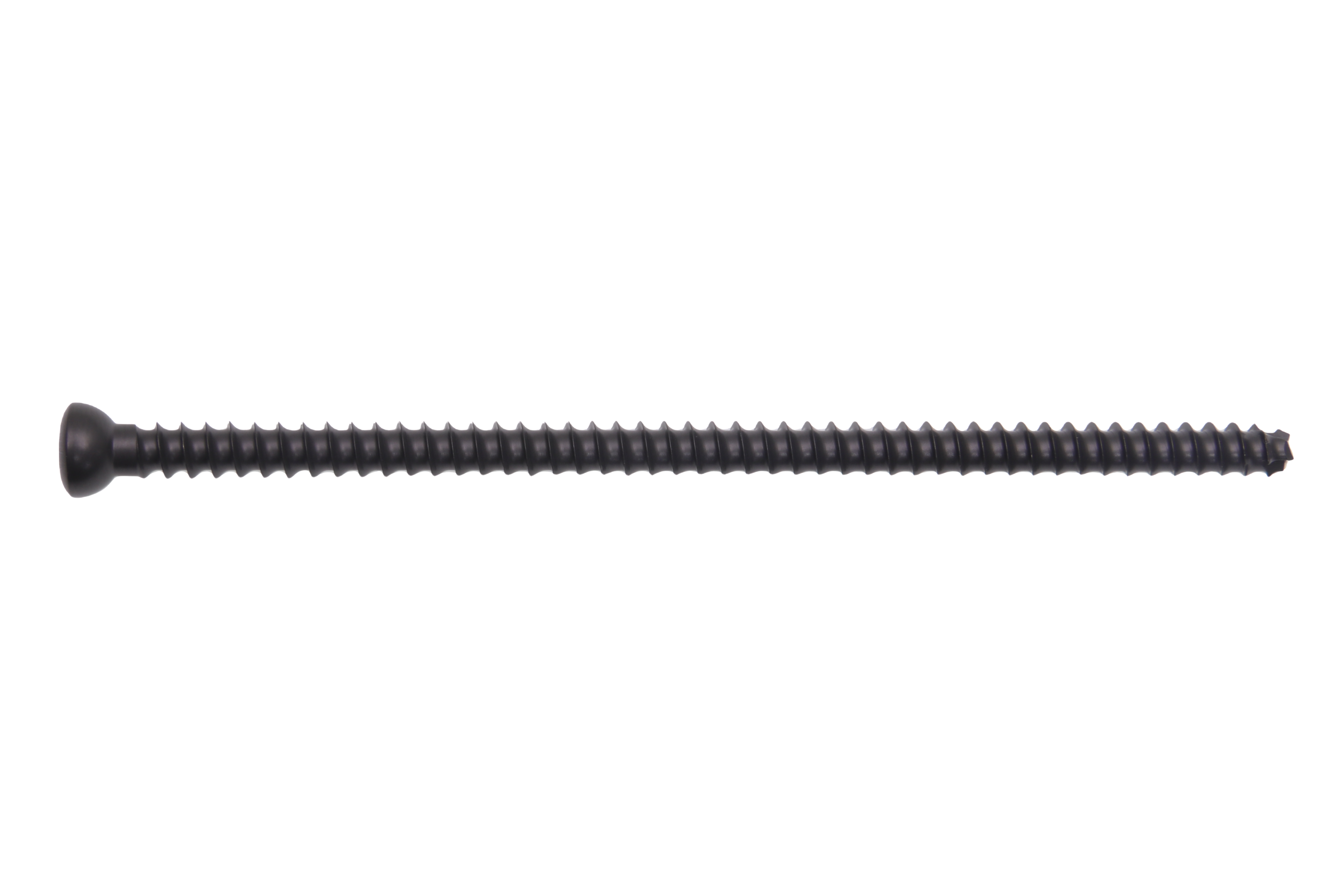
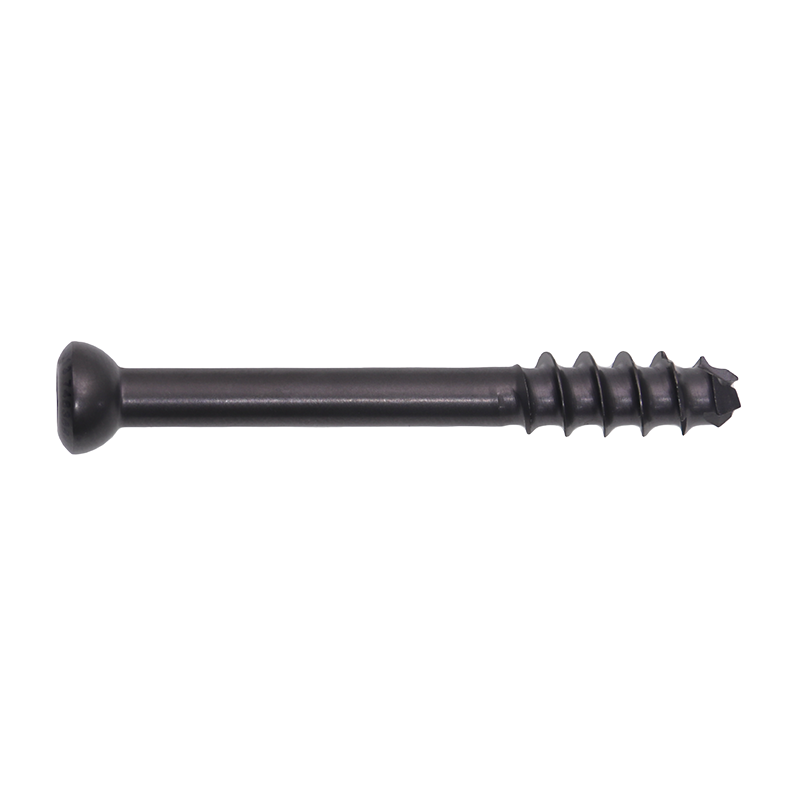
The malleolar screw is a specialized orthopedic implant designed specifically for the fixation of fractures involving the malleolus, which refers to the bony prominences on either side of the ankle joint. This precision-engineered device plays a critical role in ankle fracture repair by providing stable compression and secure fixation of fractured bone fragments. The malleolar screw features a threaded shaft with a precisely machined head designed to sit flush against the bone surface, ensuring optimal bone-to-bone contact during the healing process. These implants are manufactured from biocompatible materials such as titanium alloy or stainless steel, offering excellent strength-to-weight ratios and corrosion resistance within the body. The malleolar screw comes in various diameters and lengths to accommodate different fracture patterns and patient anatomies, allowing surgeons to select the most appropriate size for each specific case. Technological features include self-tapping threads that reduce insertion torque and minimize bone damage during placement, as well as cannulated designs that permit guidewire-assisted insertion for enhanced accuracy. The malleolar screw is primarily applied in lateral malleolus fractures, medial malleolus fractures, and posterior malleolus fractures, making it an essential component in ankle trauma surgery. Its applications extend to both simple transverse fractures and more complex oblique or spiral fracture patterns. By providing rigid internal fixation, the malleolar screw enables early mobilization protocols that can improve patient outcomes and reduce recovery times following ankle injuries.

New Products

Choosing the malleolar screw for ankle fracture treatment delivers significant practical benefits that directly impact surgical outcomes and patient recovery. The primary advantage lies in its ability to provide immediate rigid fixation, which eliminates unwanted movement at the fracture site and creates an optimal environment for bone healing. This stability means patients can often begin weight-bearing exercises sooner than with external fixation methods, leading to faster return to daily activities and reduced risk of joint stiffness. The malleolar screw offers superior compression across fracture lines, actively pulling bone fragments together to promote primary bone healing without excessive callus formation. This compression capability results in stronger unions and lower rates of nonunion complications compared to alternative fixation methods. From an operational perspective, surgeons benefit from the straightforward insertion technique that reduces operative time and minimizes soft tissue disruption. The low-profile design of the malleolar screw sits beneath the skin surface without causing irritation or requiring routine removal, unlike bulkier plates that may need secondary surgery for extraction. This feature translates to cost savings and eliminates additional procedures for patients. The malleolar screw proves particularly suitable for fractures in anatomically challenging locations where plate fixation would be impractical or compromise blood supply to the bone. Its versatility across different fracture patterns makes it a reliable choice for various clinical scenarios, from sports injuries to age-related fractures. Decision-makers in healthcare settings value the proven track record of the malleolar screw, backed by decades of clinical research demonstrating excellent union rates and low complication profiles. The biocompatible materials ensure long-term integration without adverse reactions, providing patients with durable fixation that lasts throughout the healing process and beyond.

Latest News

Cannulated Screw Types: Features and Benefits Explained

16

Dec

Cannulated Screw Types: Features and Benefits Explained

Orthopedic surgery has evolved significantly over the past decades, with advances in implant technology playing a crucial role in improving patient outcomes. Among these innovations, the cannulated screw stands out as a versatile and highly effective...
View More
Application of carbon fiber material external fixation bracket in clinical practice

13

Jan

Application of carbon fiber material external fixation bracket in clinical practice

The integration of advanced materials in orthopedic surgery has revolutionized patient care and treatment outcomes. Among these innovations, carbon fiber external fixation systems have emerged as a superior alternative to traditional metal frameworks...
View More
Expanding the Boundaries of IM Nail Technology: Periarticular Fractures and Deformity Correction

06

Mar

Expanding the Boundaries of IM Nail Technology: Periarticular Fractures and Deformity Correction

Modern orthopedic surgery continues to evolve with innovative solutions that address complex fracture patterns and deformity corrections. The telescopic intramedullary nail represents a significant advancement in treating challenging periarticular fr...
View More
The application advantages of modular braces in ankle fractures

15

Apr

The application advantages of modular braces in ankle fractures

Ankle fractures represent one of the most challenging orthopedic injuries to manage effectively, requiring precise stabilization and controlled healing environments. Traditional casting methods often fall short in providing the dynamic support and ad...
View More

Get a Free Quote

Our representative will contact you soon.
Email
Name
Company Name
Message
0/1000

malleolar screw

Precision-Engineered Thread Design for Superior Fixation

Precision-Engineered Thread Design for Superior Fixation

The malleolar screw incorporates an advanced thread design that represents a significant breakthrough in fracture fixation technology. The precisely machined threads feature optimal pitch and depth calculations that maximize purchase in both cortical and cancellous bone, ensuring secure anchoring even in compromised bone quality situations such as osteoporosis. The self-tapping capability of the malleolar screw eliminates the need for separate tapping procedures, streamlining surgical workflow and reducing operative time by several minutes per screw insertion. This thread geometry creates progressive compression as the screw advances, actively drawing fracture fragments together with controlled force that promotes interfragmentary compression without risking bone damage. The thread configuration also distributes mechanical loads evenly across a larger bone surface area, reducing stress concentration points that could lead to screw loosening or bone resorption. For surgeons, this translates to confident fixation that maintains stability throughout the critical healing period, while patients benefit from reduced risk of hardware failure and improved fracture healing rates that get them back to normal function faster.
Cannulated Design Enabling Guidewire-Assisted Accuracy

Cannulated Design Enabling Guidewire-Assisted Accuracy

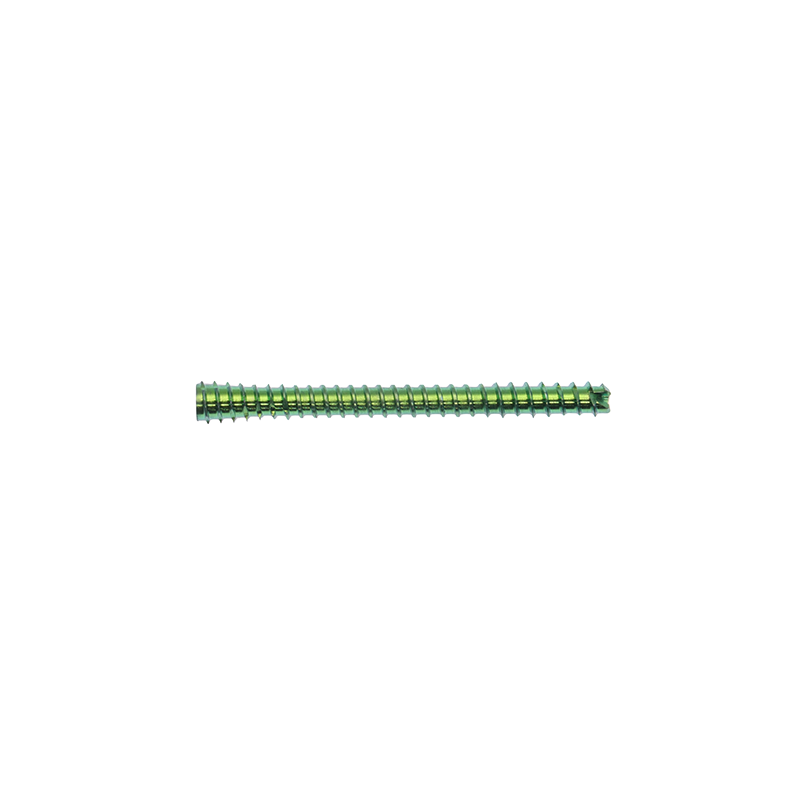
The cannulated configuration of the malleolar screw represents a transformative feature that significantly enhances surgical precision during ankle fracture repair. This hollow-core design allows the screw to be placed over a pre-positioned guidewire, giving surgeons exact control over trajectory and final positioning before committing to the permanent implant. The guidewire technique enables fluoroscopic verification of screw path from multiple angles, ensuring optimal placement that avoids articular surfaces, neurovascular structures, and achieves ideal purchase in high-quality bone. This accuracy is particularly valuable in the confined anatomical space of the ankle joint, where millimeter-level precision can determine the difference between excellent outcomes and complications. The malleolar screw cannulation also facilitates minimally invasive approaches by allowing percutaneous insertion through smaller incisions, which preserves soft tissue integrity and reduces surgical trauma. Patients experience less postoperative pain, smaller scars, and faster recovery when their fractures are treated with this precision-guided approach. The reduced tissue disruption also lowers infection risk and improves cosmetic results, addressing concerns that matter significantly to patients during their treatment decision process.
Biocompatible Materials Ensuring Long-Term Integration

Biocompatible Materials Ensuring Long-Term Integration

The material composition of the malleolar screw reflects cutting-edge metallurgical science applied to orthopedic implant design. Manufactured from medical-grade titanium alloy or surgical stainless steel, the malleolar screw offers an optimal balance of mechanical strength, fatigue resistance, and biological compatibility that ensures reliable performance throughout the healing process and beyond. Titanium variants provide exceptional corrosion resistance and the lowest modulus of elasticity among metallic implants, which more closely matches natural bone properties and reduces stress shielding effects that can lead to bone resorption around the implant. The biocompatible surface characteristics promote osseointegration, where bone tissue actually bonds to the implant surface, creating a biological fixation that supplements the mechanical stability provided by the threads. These materials have demonstrated excellent long-term safety profiles with minimal inflammatory response or allergic reactions, even in patients with metal sensitivities. The malleolar screw constructed from these advanced materials can remain permanently implanted without requiring removal, eliminating the need for additional surgery and associated costs while providing lifelong structural support to the healed fracture site.
logo