Headless Compression Screw - Advanced Fixation

Get a Free Quote

Our representative will contact you soon.
Email
Name
Company Name
Message
0/1000

headless compression screw

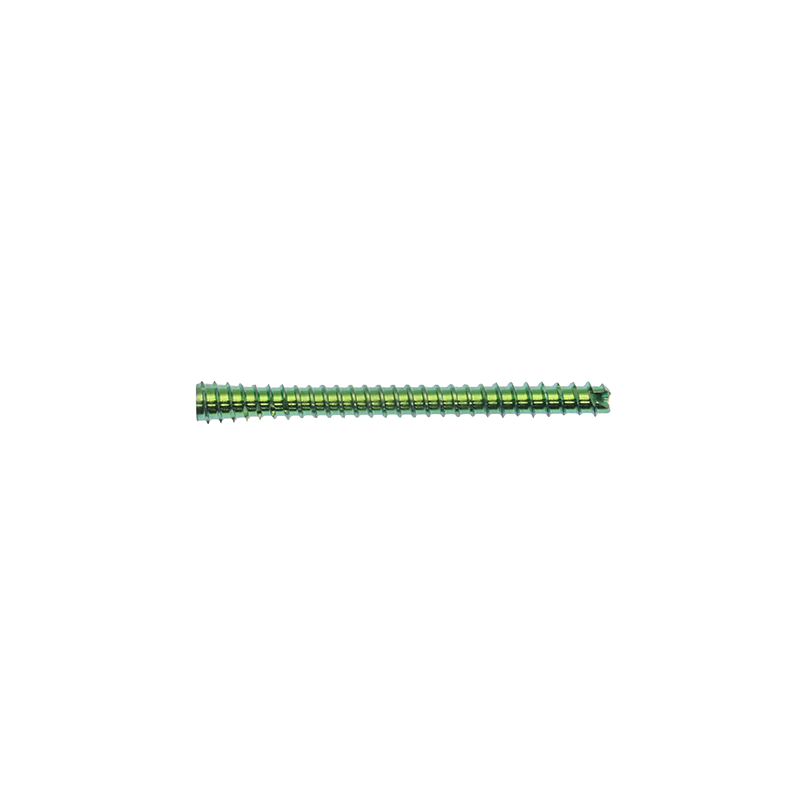
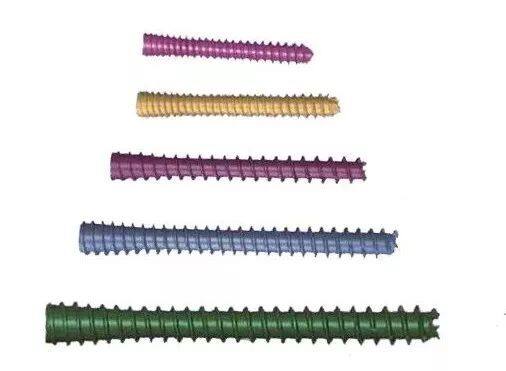
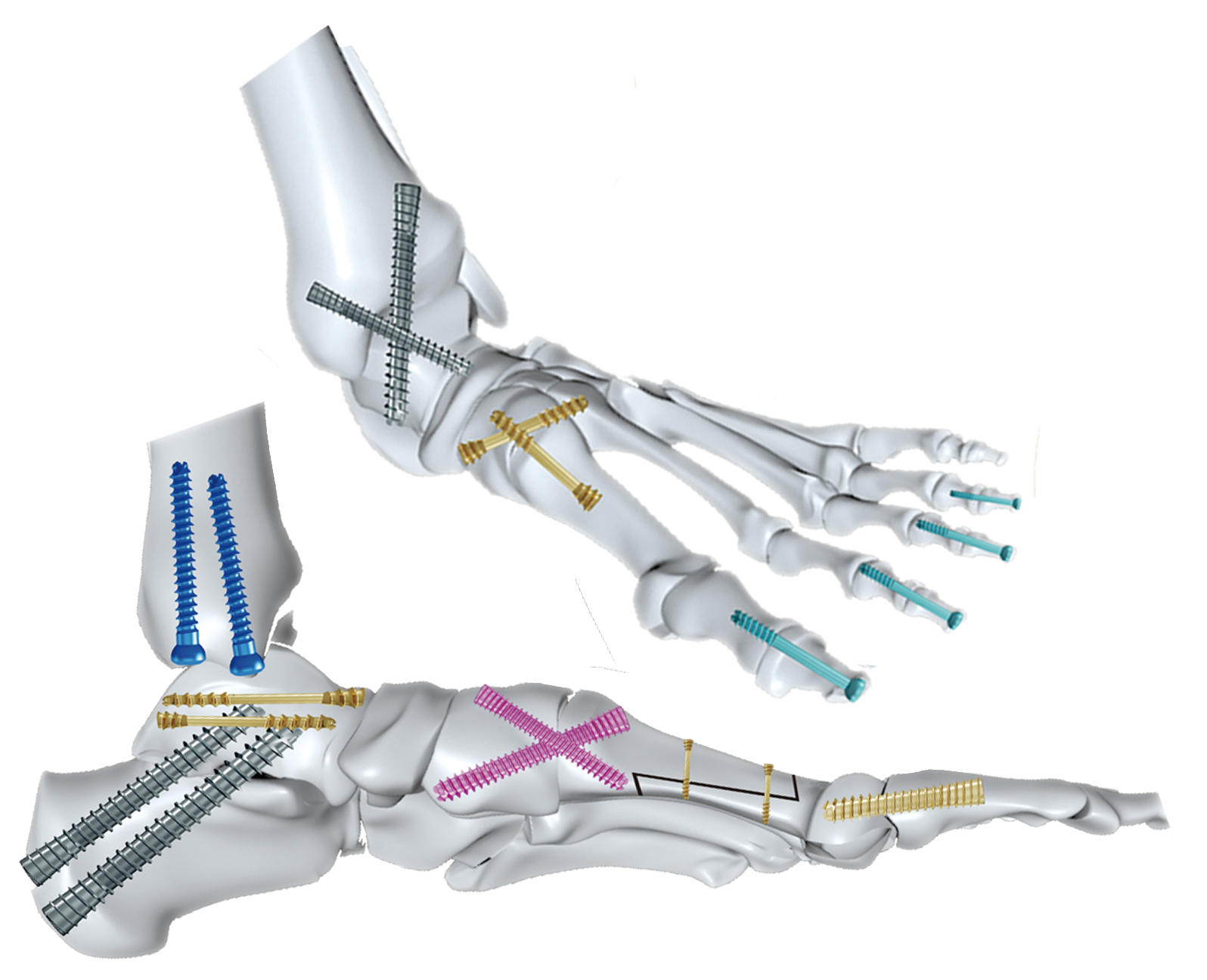
A headless compression screw is an advanced orthopedic implant designed to provide stable internal fixation for small bone fractures and joint fusions. Unlike traditional screws with protruding heads, the headless compression screw features a tapered design that allows complete burial beneath the bone surface, eliminating soft tissue irritation and the need for subsequent hardware removal. This innovative fixation device incorporates a variable thread pitch along its length, creating compression forces that draw bone fragments together as the screw is inserted. The headless compression screw is manufactured from high-grade titanium alloy or stainless steel, ensuring biocompatibility and exceptional strength. Its cannulated design permits insertion over a guide wire for precise placement under fluoroscopic guidance. The dual-thread technology generates interfragmentary compression while maintaining rotational stability throughout the healing process. Primary applications include scaphoid fractures, metacarpal and metatarsal fixation, small joint arthrodesis procedures, and osteochondral defect repair. The low-profile design of the headless compression screw makes it particularly valuable in anatomical locations where prominent hardware would compromise function or cause patient discomfort. Surgeons favor this implant for its ability to provide robust fixation without sacrificing the surrounding soft tissue envelope. The headless compression screw represents a significant advancement in fracture management, combining mechanical efficiency with patient-centered design principles that optimize both surgical outcomes and postoperative recovery experiences.

New Product Releases

The headless compression screw offers multiple practical benefits that directly improve patient outcomes and surgical efficiency. First, the flush positioning eliminates hardware prominence, meaning patients experience significantly less irritation to surrounding tendons, ligaments, and skin compared to traditional screw designs. This translates to reduced postoperative pain and faster return to normal activities without the need for secondary surgery to remove protruding hardware. For buyers evaluating fixation options, this represents substantial cost savings by eliminating revision procedures and associated anesthesia risks. The compression mechanism actively pulls bone fragments together during insertion, creating optimal conditions for fracture healing. This dynamic compression promotes faster bone union and reduces nonunion rates, which means better clinical results and higher patient satisfaction scores for your practice. The cannulated design allows precise positioning using guidewire technique, reducing surgical time and radiation exposure during fluoroscopy. Shorter operative times mean improved operating room efficiency and lower procedural costs. The headless compression screw works exceptionally well in confined anatomical spaces where traditional hardware simply cannot fit without causing functional impairment. Hand and foot surgeons particularly benefit from this application versatility, as the implant provides strong fixation in areas with minimal soft tissue coverage. The biocompatible materials ensure long-term stability without adverse tissue reactions, giving patients confidence in their treatment. Decision-makers should recognize that the headless compression screw addresses real clinical challenges while delivering measurable economic value through reduced complication rates, eliminated removal procedures, and improved patient throughput. These operational benefits make the headless compression screw a strategically sound investment for facilities seeking to enhance orthopedic care quality while maintaining cost-effective treatment protocols.

Latest News

Cannulated Screw Types: Features and Benefits Explained

16

Dec

Cannulated Screw Types: Features and Benefits Explained

Orthopedic surgery has evolved significantly over the past decades, with advances in implant technology playing a crucial role in improving patient outcomes. Among these innovations, the cannulated screw stands out as a versatile and highly effective...
View More
Application of carbon fiber material external fixation bracket in clinical practice

13

Jan

Application of carbon fiber material external fixation bracket in clinical practice

The integration of advanced materials in orthopedic surgery has revolutionized patient care and treatment outcomes. Among these innovations, carbon fiber external fixation systems have emerged as a superior alternative to traditional metal frameworks...
View More
Finite Element Optimization Design and Biomechanical Validation of Personalized IM Nails

11

Feb

Finite Element Optimization Design and Biomechanical Validation of Personalized IM Nails

The evolution of orthopedic trauma surgery has reached a pivotal moment with the emergence of personalized IM nails that revolutionize fracture treatment approaches. Advanced computational modeling and finite element analysis have enabled surgeons to...
View More
Taylor brace: a new choice for minimally invasive treatment of complex fracture repair

15

Apr

Taylor brace: a new choice for minimally invasive treatment of complex fracture repair

The Taylor brace represents a significant advancement in orthopedic external fixation technology, offering surgeons and patients a minimally invasive solution for complex fracture repair scenarios. This innovative Taylor brace system combines precisi...
View More

Get a Free Quote

Our representative will contact you soon.
Email
Name
Company Name
Message
0/1000

headless compression screw

Advanced Compression Technology for Superior Bone Healing

Advanced Compression Technology for Superior Bone Healing

The headless compression screw incorporates sophisticated dual-thread architecture that generates continuous compression forces across fracture sites throughout the insertion process. The proximal threads feature a different pitch than the distal threads, creating a mechanical advantage that draws bone fragments together with controlled force. This interfragmentary compression is crucial for primary bone healing, as it reduces micro-motion at the fracture site and promotes direct osteonal remodeling rather than callus formation. Unlike static fixation methods, the compression generated by the headless compression screw actively contributes to the biological healing cascade. Clinical studies demonstrate that compression fixation significantly reduces healing time and nonunion rates compared to non-compression alternatives. For surgeons, this translates to more predictable outcomes and fewer revision procedures. For patients, it means faster recovery and quicker return to work or sports activities. The consistent compression also improves stability during the critical early healing phase when patients are most vulnerable to fixation failure. This technology represents a fundamental advantage that addresses the core biological requirements for optimal fracture healing.
Flush Profile Design Eliminates Soft Tissue Complications

Flush Profile Design Eliminates Soft Tissue Complications

The defining characteristic of the headless compression screw is its completely buried profile after insertion, which eliminates the single most common complication associated with traditional screw fixation: hardware prominence and soft tissue irritation. Traditional screws with protruding heads frequently cause tendon irritation, skin breakdown, and painful impingement that necessitates hardware removal in up to thirty percent of cases. The headless compression screw counters beneath the bone surface, leaving no protruding elements to irritate surrounding structures. This design innovation is particularly valuable in anatomical locations with thin soft tissue coverage, such as the hand, wrist, and foot, where even minimal hardware prominence causes significant patient discomfort. By eliminating this complication, the headless compression screw provides lasting fixation without compromising patient comfort or function. Healthcare facilities benefit from reduced reoperation rates, lower overall treatment costs, and improved patient satisfaction metrics. The flush design also permits earlier range-of-motion exercises and rehabilitation, as there are no external hardware concerns limiting therapy progression. This advantage directly impacts functional outcomes and patient quality of life following surgery.

Precision Cannulated Design for Accurate Placement

Precision Cannulated Design for Accurate Placement

The cannulated core of the headless compression screw represents a significant technical advantage that enhances surgical precision and reduces procedural complexity. This hollow design allows the screw to be inserted over a pre-positioned guidewire, providing exact control over trajectory, depth, and final position. Surgeons can verify optimal guidewire placement using fluoroscopy before committing to screw insertion, dramatically reducing the risk of malposition. This is especially critical in small bone procedures where millimeter-level accuracy determines success or failure. The guidewire technique also simplifies percutaneous and minimally invasive approaches, allowing the headless compression screw to be placed through small incisions with minimal soft tissue disruption. Reduced surgical dissection translates to less postoperative pain, smaller scars, and faster recovery for patients. The cannulated design also facilitates placement in challenging anatomical locations where direct visualization is limited. For complex fracture patterns requiring multiple screws, the guidewire technique allows parallel or convergent screw placement with consistent accuracy. Training new surgeons becomes more standardized when using the cannulated headless compression screw system, as the guidewire provides visual and tactile feedback throughout the procedure. This precision-enabling feature reduces operative time, improves safety, and delivers consistent results across varying skill levels.
logo