Titanium Screw for Bone - Medical Implant

Get a Free Quote

Our representative will contact you soon.
Email
Name
Company Name
Message
0/1000

titanium screw for bone

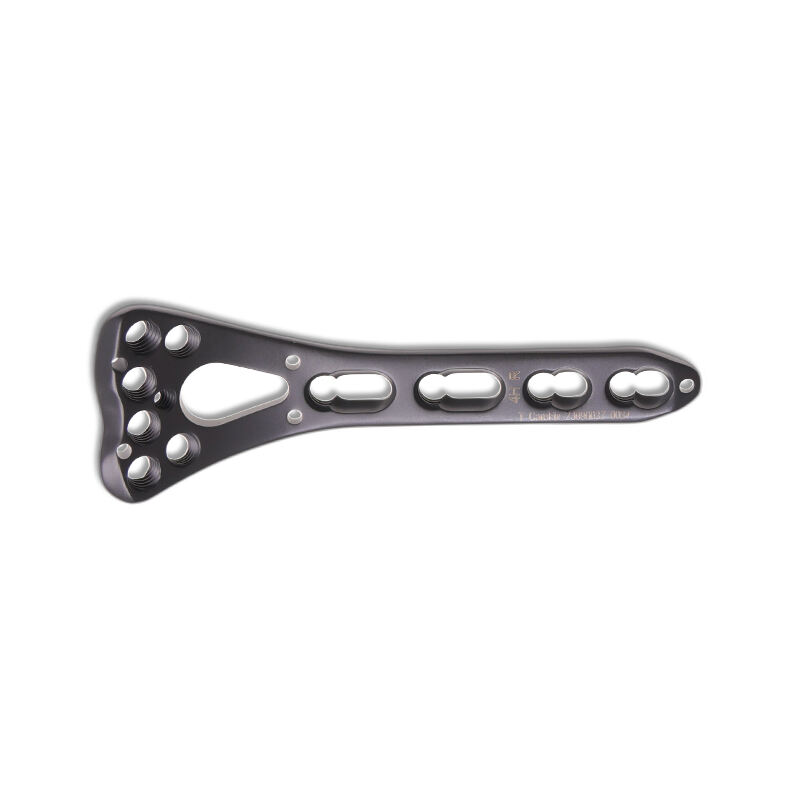
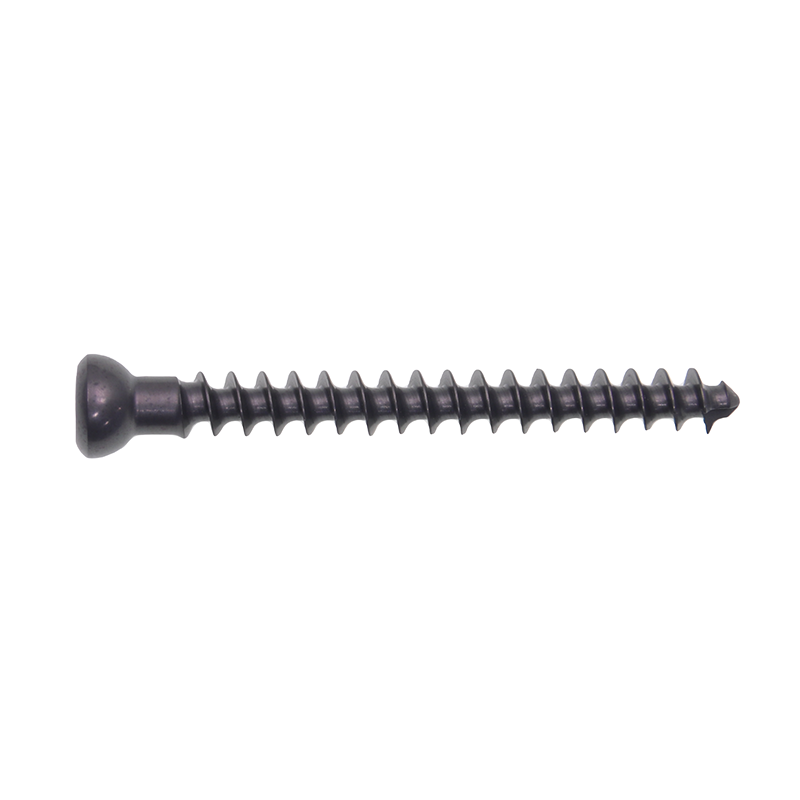
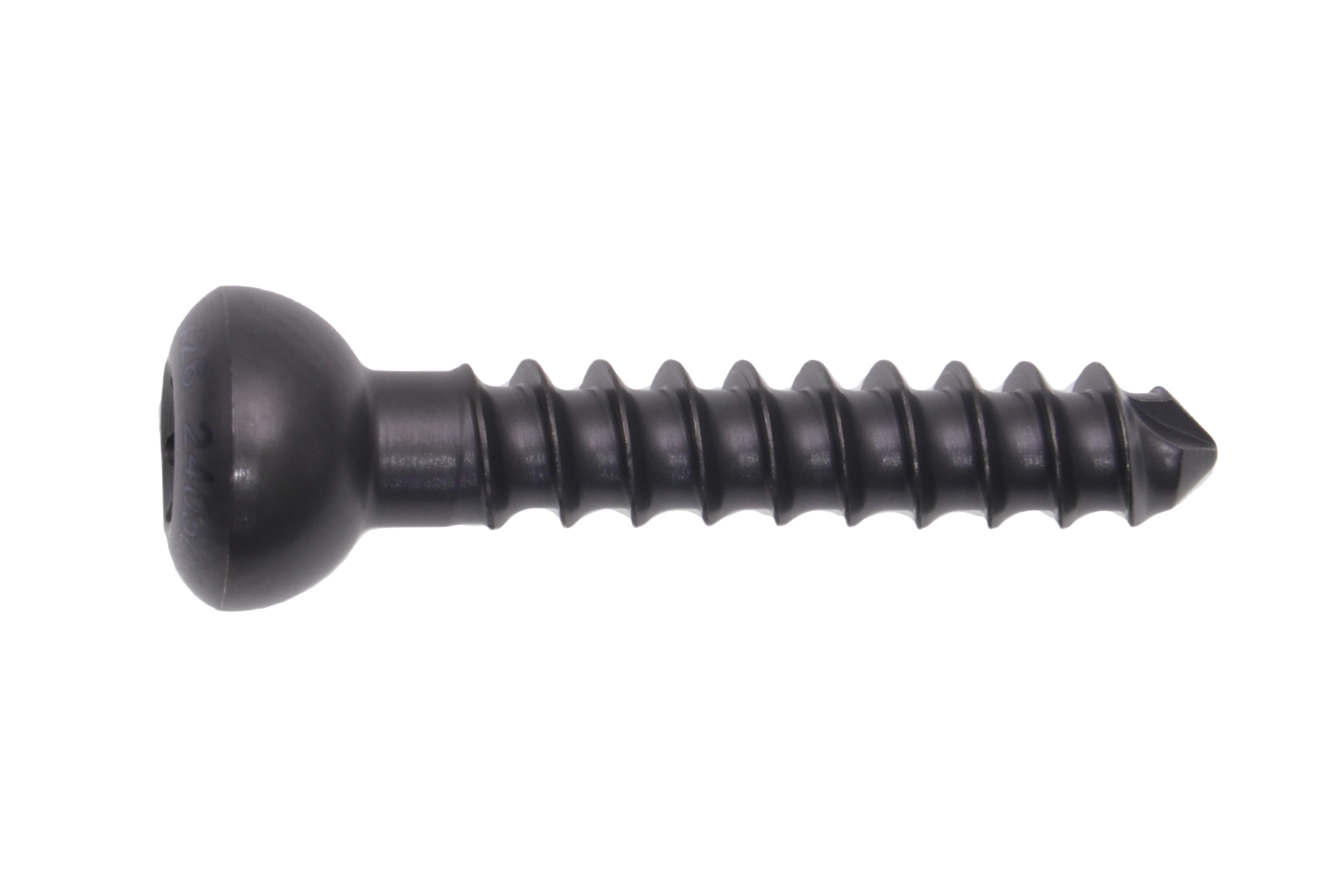
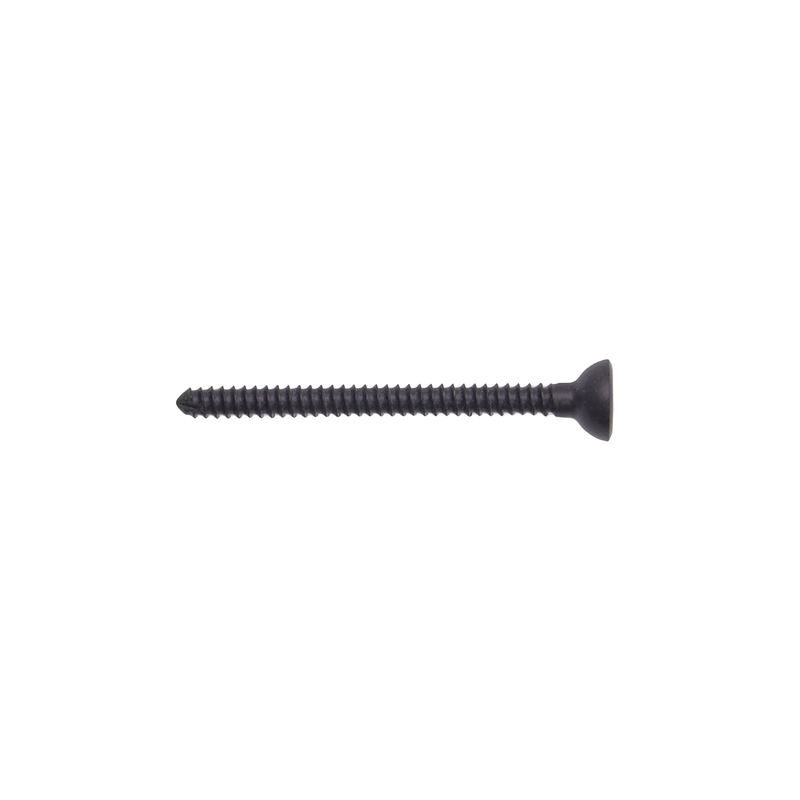
A titanium screw for bone is a specialized medical implant designed to provide secure fixation in orthopedic and dental surgical procedures. Manufactured from medical-grade titanium alloy, this fastening device serves as a critical component in bone reconstruction, fracture repair, and skeletal stabilization. The titanium screw for bone demonstrates exceptional biocompatibility, allowing seamless integration with human bone tissue through a process called osseointegration. These surgical implants come in various sizes, thread configurations, and head designs to accommodate different anatomical locations and clinical requirements. The primary function of a titanium screw for bone involves anchoring bone fragments together, securing prosthetic devices, or fixing orthopedic plates in position during the healing process. Advanced manufacturing techniques ensure precise threading patterns that maximize purchase in bone tissue while minimizing insertion torque. The corrosion-resistant properties of titanium material prevent degradation within the body's physiological environment, ensuring long-term stability and performance. Medical professionals rely on the titanium screw for bone across multiple specialties, including trauma surgery, spinal fusion procedures, joint reconstruction, and maxillofacial applications. The lightweight nature combined with superior strength characteristics makes these implants ideal for load-bearing applications where mechanical reliability is paramount. Modern designs incorporate features such as self-tapping tips, cannulated cores for guided insertion, and color-coded identification systems that streamline surgical workflows and enhance procedural accuracy.

New Products

Patients and healthcare providers benefit significantly from selecting a titanium screw for bone due to its remarkable biocompatibility that reduces rejection risks and promotes natural bone healing. The material's inherent resistance to corrosion ensures that implants remain stable and functional throughout extended periods without degradation or adverse tissue reactions. Surgeons appreciate the practical advantage of working with implants that offer excellent radiolucency under imaging systems, allowing clear post-operative monitoring without significant artifacts that could obscure diagnostic evaluation. The mechanical strength-to-weight ratio of a titanium screw for bone surpasses many alternative materials, providing robust fixation while minimizing additional mass that could stress surrounding tissues. This operational benefit translates to reduced patient discomfort and faster recovery timelines. Clinical applications span trauma cases, reconstructive procedures, and degenerative condition treatments, making these implants versatile solutions for diverse medical scenarios. Decision-makers value the proven track record of titanium implants, with decades of successful outcomes documented across surgical specialties. The osseointegration capability means bone cells actually bond with the titanium screw for bone surface, creating a biological connection rather than merely mechanical fixation. This unique property provides superior long-term stability compared to implants that rely solely on friction or press-fit mechanisms. Cost-effectiveness emerges from the durability and longevity of these devices, as patients typically require fewer revision procedures. Healthcare facilities benefit from standardized instrumentation compatible with various screw designs, reducing inventory complexity and training requirements. The titanium screw for bone represents a reliable investment in patient outcomes, combining advanced material science with practical clinical functionality that addresses real-world surgical challenges effectively.

Tips And Tricks

Cannulated Screw Types: Features and Benefits Explained

16

Dec

Cannulated Screw Types: Features and Benefits Explained

Orthopedic surgery has evolved significantly over the past decades, with advances in implant technology playing a crucial role in improving patient outcomes. Among these innovations, the cannulated screw stands out as a versatile and highly effective...
View More
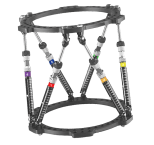
Taylor brace: a new choice for minimally invasive treatment of complex fracture repair

11

Feb

Taylor brace: a new choice for minimally invasive treatment of complex fracture repair

The Taylor brace represents a significant advancement in orthopedic trauma management, offering surgeons and patients a minimally invasive alternative for treating complex fracture repairs. This innovative external fixation system has transformed the...
View More
Treatment of osteomyelitis and tibial pseudarthrosis: The advantages of the Ilizarov frame

06

Mar

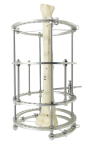
Treatment of osteomyelitis and tibial pseudarthrosis: The advantages of the Ilizarov frame

The treatment of complex orthopedic conditions such as osteomyelitis and tibial pseudarthrosis presents significant challenges that require innovative surgical approaches. Among the most effective solutions available to orthopedic surgeons today is t...
View More
The application advantages of modular braces in ankle fractures

15

Apr

The application advantages of modular braces in ankle fractures

Ankle fractures represent one of the most challenging orthopedic injuries to manage effectively, requiring precise stabilization and controlled healing environments. Traditional casting methods often fall short in providing the dynamic support and ad...
View More

Get a Free Quote

Our representative will contact you soon.
Email
Name
Company Name
Message
0/1000

titanium screw for bone

Superior Biocompatibility and Osseointegration

Superior Biocompatibility and Osseointegration

The titanium screw for bone exhibits unparalleled biocompatibility, establishing it as the gold standard in orthopedic and dental implantology. This exceptional compatibility stems from titanium's unique surface chemistry, which naturally forms a stable oxide layer that the human body recognizes as biologically neutral. Unlike materials that trigger immune responses or inflammatory reactions, titanium actively encourages bone cell adhesion and proliferation. The osseointegration process allows living bone tissue to form direct structural and functional connections with the titanium screw for bone surface, creating a hybrid biological-mechanical construct that mimics natural skeletal strength. This biological bonding mechanism provides fixation stability that improves over time rather than degrading, offering patients confidence in long-term implant performance. Medical research consistently demonstrates that titanium implants reduce complication rates associated with foreign body rejection, infection susceptibility, and chronic inflammation. For patients requiring permanent fixation solutions, this biocompatibility advantage translates directly to improved quality of life and reduced need for implant removal or revision surgeries.
Exceptional Mechanical Strength and Durability

Exceptional Mechanical Strength and Durability

Engineering excellence defines the titanium screw for bone through its outstanding mechanical properties that withstand the demanding biomechanical environment within the human skeleton. Titanium alloys used in these implants possess tensile strength comparable to stainless steel while weighing approximately forty percent less, reducing stress concentration at implant sites. This favorable strength-to-weight characteristic allows surgeons to use smaller profile implants that achieve equivalent fixation strength, minimizing surgical invasiveness and tissue disruption. The fatigue resistance of a titanium screw for bone ensures reliable performance under cyclical loading conditions that occur during normal daily activities, from walking and climbing stairs to more strenuous physical exertion. Corrosion resistance remains absolute even in the body's saline-rich, oxygenated environment, eliminating concerns about material degradation that could compromise structural integrity or release harmful metallic ions. These mechanical advantages enable the titanium screw for bone to maintain precise positioning and load distribution throughout extended healing periods, supporting optimal bone remodeling and functional restoration. Patients experience greater confidence knowing their implants can withstand physiological demands without mechanical failure risks.
Versatile Clinical Applications Across Specialties

Versatile Clinical Applications Across Specialties

The adaptability of the titanium screw for bone across multiple surgical disciplines demonstrates its value as a comprehensive fixation solution for diverse medical needs. Orthopedic trauma surgeons employ these implants to stabilize complex fractures in long bones, pelvis, and extremities, achieving anatomical reduction that promotes proper healing alignment. Spinal surgeons rely on specialized titanium screw for bone designs to perform fusion procedures, correcting deformities and stabilizing degenerative segments with precision. Dental implantology utilizes these devices as artificial tooth roots, restoring masticatory function and preventing bone resorption in edentulous regions. Maxillofacial reconstruction benefits from miniature versions that repair facial fractures and secure osteotomy segments during corrective jaw surgery. Sports medicine applications include ligament reconstruction procedures where the titanium screw for bone anchors soft tissue grafts to skeletal attachment points. This clinical versatility means healthcare facilities can standardize on proven titanium technology across departments, streamlining procurement, inventory management, and staff training protocols. Patients benefit from access to time-tested implant technology regardless of their specific condition, while surgeons gain confidence from extensive clinical evidence supporting successful outcomes across varied applications and patient populations.
logo