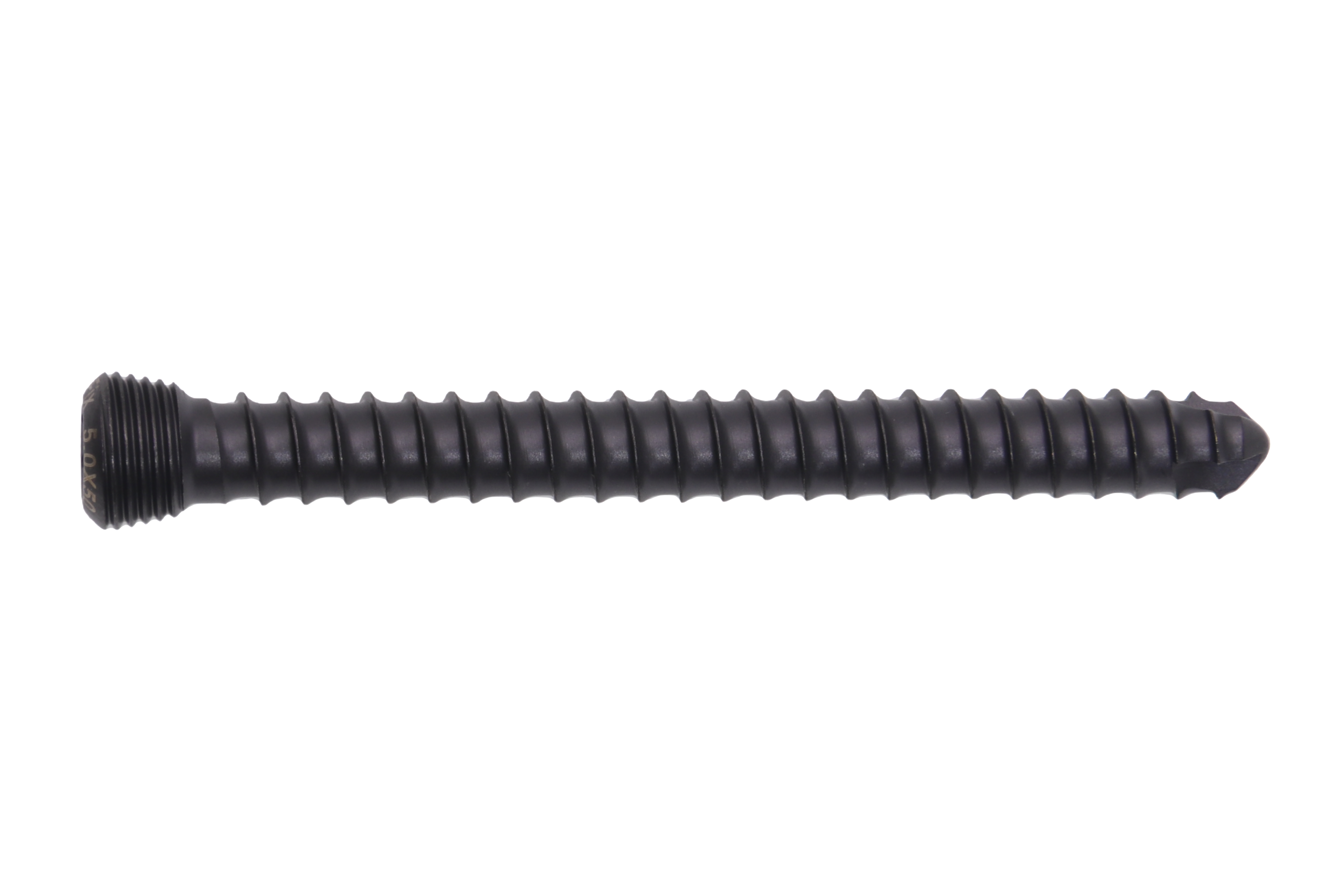
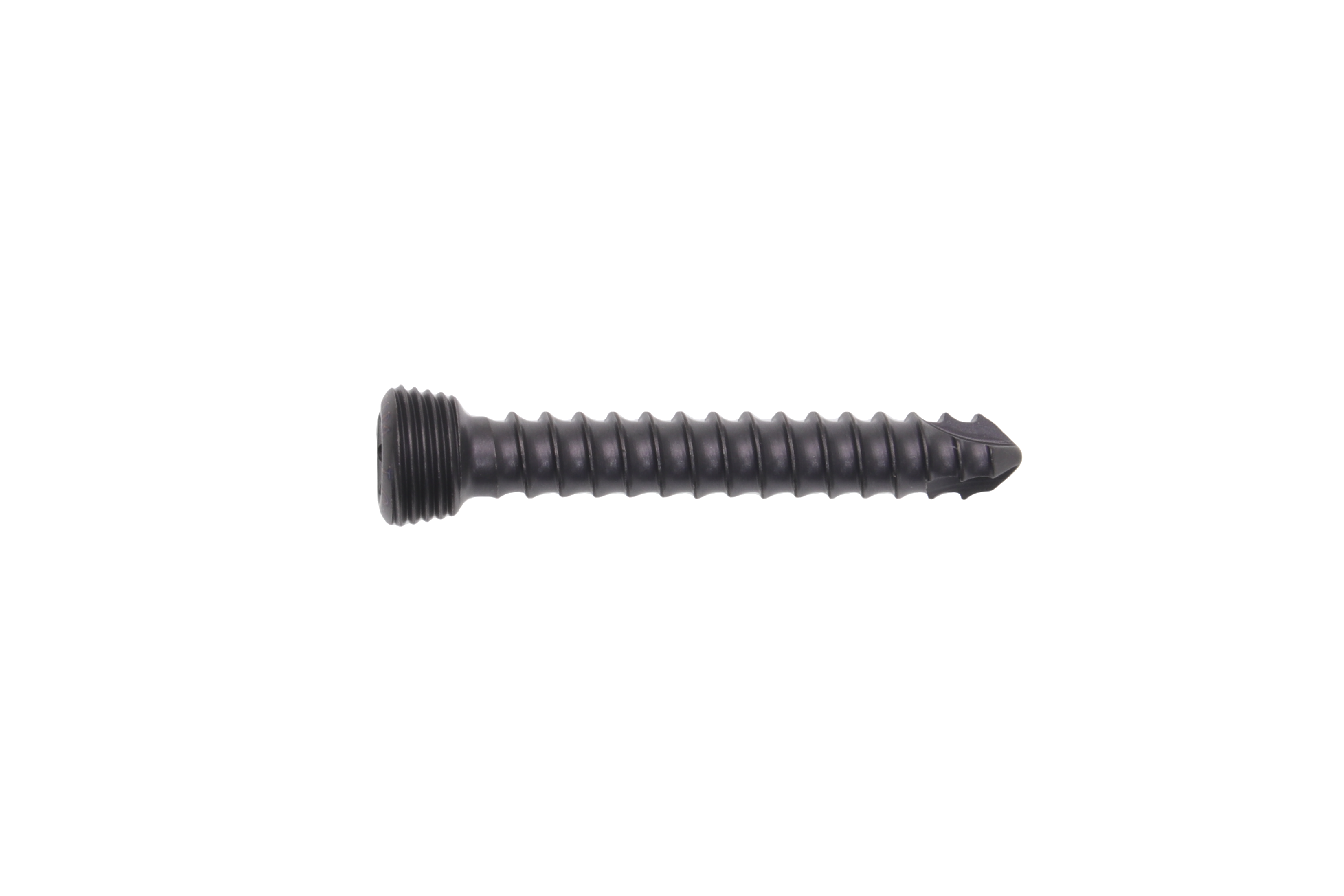
Locking Bone Screw: Advanced Orthopedic Fixation

Get a Free Quote

Our representative will contact you soon.
Email
Name
Company Name
Message
0/1000

locking bone screw

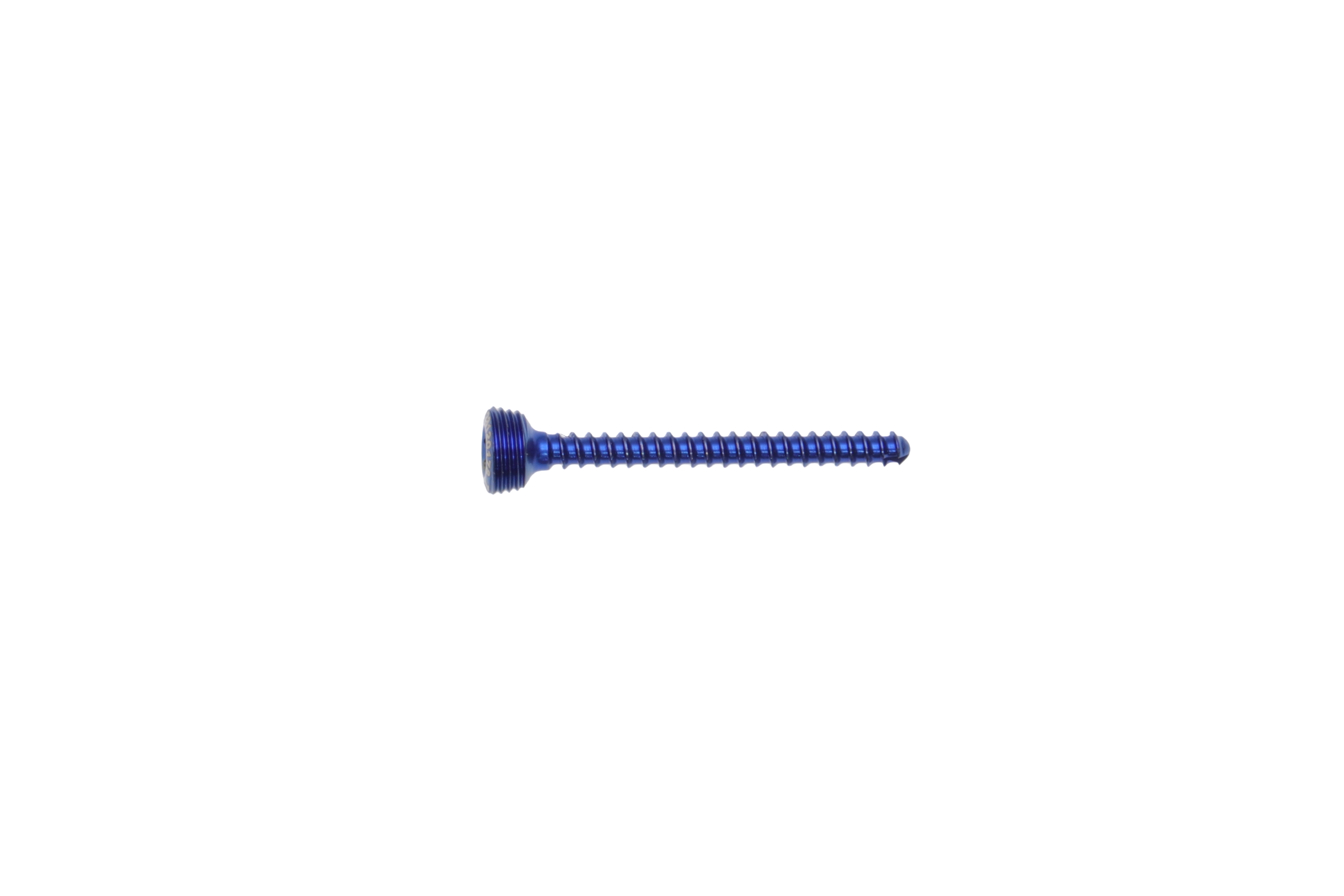
A locking bone screw represents an advanced orthopedic fixation device designed to provide superior stability in fracture treatment and bone reconstruction procedures. This innovative implant combines traditional screw mechanics with a locking mechanism that creates a fixed-angle construct between the screw and the bone plate. The locking bone screw features specialized threading that engages both the bone tissue and the corresponding threaded holes in the bone plate, establishing a stable angular relationship that resists toggle and maintains reduction. The main functions include securing fractured bone fragments, maintaining anatomical alignment during healing, and distributing mechanical loads across the fixation construct. Technological features incorporate cold-welded thread design, biocompatible materials such as titanium alloy or stainless steel, and self-tapping capabilities that simplify surgical insertion. The locking bone screw differs from conventional cortical screws by eliminating the need for precise plate-to-bone contact, as the angular stability derives from the screw-plate interface rather than friction between plate and bone. Applications span multiple orthopedic specialties including trauma surgery for comminuted fractures, reconstructive procedures for malunions, osteoporotic bone fixation where traditional compression may compromise stability, and periarticular fractures requiring precise anatomical restoration. The locking bone screw system proves particularly valuable in challenging clinical scenarios involving poor bone quality, complex fracture patterns, or anatomical regions where traditional compression plating techniques demonstrate limitations in achieving adequate mechanical stability.

New Products

Choosing a locking bone screw offers significant practical benefits that directly impact surgical outcomes and patient recovery. The primary advantage lies in enhanced fixation stability, particularly in compromised bone where traditional screws may lose purchase. The locked construct functions as an internal fixator, maintaining reduction without requiring intimate plate-to-bone contact, which preserves periosteal blood supply essential for bone healing. This design allows surgeons to bridge comminuted fracture zones without collapsing fragments, maintaining length and alignment throughout the healing process. For patients with osteoporosis or weakened bone structure, the locking bone screw provides reliable fixation where conventional methods often fail, reducing the risk of screw loosening or toggle that can compromise fracture stability. The fixed-angle relationship between the locking bone screw and plate creates a mechanically superior construct that resists deforming forces more effectively than compression plating alone. Operationally, surgeons benefit from simplified technique as precise plate contouring becomes less critical, reducing operative time and technical demands. The locking bone screw allows for percutaneous or minimally invasive approaches, as the screws achieve angular stability without requiring compression against the bone surface. This versatility makes the system suitable for various anatomical locations including metaphyseal regions, periarticular fractures, and areas with irregular bone contours. The technology proves especially valuable in revision surgeries where previous hardware has compromised bone stock, offering reliable fixation in challenging circumstances. From a decision-making perspective, investing in locking bone screw systems provides surgical teams with expanded treatment capabilities, enabling successful management of complex cases that might otherwise require external fixation or alternative stabilization methods with higher complication rates.

Practical Tips

How to choose the appropriate size and thread of hollow screws?

11

Feb

How to choose the appropriate size and thread of hollow screws?

Selecting the right hollow screws for orthopedic procedures requires careful consideration of multiple factors that directly impact surgical outcomes and patient recovery. These specialized medical devices serve critical functions in bone fixation, t...
View More
No need for secondary surgery: How does the self-lengthening intramedullary nail synchronize with bone development?

11

Feb

No need for secondary surgery: How does the self-lengthening intramedullary nail synchronize with bone development?

The evolution of pediatric orthopedic surgery has witnessed remarkable advancements in recent decades, with the telescopic intramedullary nail emerging as a groundbreaking solution for treating femoral shaft fractures in growing children. This innova...
View More
The application advantages of modular braces in ankle fractures

15

Apr

The application advantages of modular braces in ankle fractures

Ankle fractures represent one of the most challenging orthopedic injuries to manage effectively, requiring precise stabilization and controlled healing environments. Traditional casting methods often fall short in providing the dynamic support and ad...
View More
Taylor brace: a new choice for minimally invasive treatment of complex fracture repair

15

Apr

Taylor brace: a new choice for minimally invasive treatment of complex fracture repair

The Taylor brace represents a significant advancement in orthopedic external fixation technology, offering surgeons and patients a minimally invasive solution for complex fracture repair scenarios. This innovative Taylor brace system combines precisi...
View More

Get a Free Quote

Our representative will contact you soon.
Email
Name
Company Name
Message
0/1000

locking bone screw

Fixed-Angle Stability for Superior Fracture Control

Fixed-Angle Stability for Superior Fracture Control

The defining characteristic of the locking bone screw is its ability to create a fixed-angle construct that fundamentally changes how orthopedic implants interact with bone tissue. Unlike conventional screws that rely on friction and compression between the plate and bone surface, the locking bone screw threads directly into the plate itself, forming a rigid connection independent of bone quality. This locked interface transforms the plate and screws into a unified structure that functions as an internal scaffold, maintaining fracture reduction through angular stability rather than compression forces alone. The importance of this feature becomes evident in osteoporotic bone, comminuted fractures, or periarticular regions where achieving adequate compression proves difficult or counterproductive. Surgeons can confidently apply the locking bone screw knowing that the fixation strength derives from the mechanical interlock between screw and plate, not from the potentially unreliable grip in weakened bone. This innovation brings tremendous value to patients by reducing implant failure rates, minimizing the need for revision surgery, and enabling earlier mobilization with decreased risk of hardware loosening. The fixed-angle stability provided by each locking bone screw accumulates across the construct, creating exceptional resistance to bending, torsion, and axial loads that might otherwise displace fracture fragments during the healing phase.
Biological Preservation Through Minimal Contact Design

Biological Preservation Through Minimal Contact Design

The locking bone screw system offers significant biological advantages by eliminating the requirement for intimate plate-to-bone contact that traditional compression plating demands. This minimal-contact philosophy preserves the periosteal blood supply, which serves as the primary source of nutrients and osteogenic cells necessary for fracture healing. When surgeons use the locking bone screw approach, they avoid the compression forces that can compromise microcirculation in the underlying bone, reducing the risk of avascular necrosis and delayed union. The design allows the plate to function as a bridge, spanning damaged bone segments without directly contacting every millimeter of the fracture zone. Each locking bone screw independently achieves purchase in its respective bone fragment, maintaining spatial relationships without requiring compression between plate and bone surface. This feature proves particularly valuable in comminuted fractures where compressing the plate against irregular bone surfaces might inadvertently shorten or malalign the limb. The biological benefit translates to faster healing times, reduced infection rates due to preserved soft tissue vitality, and lower incidence of stress shielding that can weaken bone over time. For patients, this means shorter recovery periods, fewer complications, and better long-term functional outcomes. The locking bone screw technology essentially provides mechanical stability while respecting biological healing principles, achieving the optimal balance between rigid fixation and physiological bone regeneration.
Versatile Application Across Complex Clinical Scenarios

Versatile Application Across Complex Clinical Scenarios

The adaptability of the locking bone screw makes it an invaluable tool for addressing diverse orthopedic challenges that conventional fixation methods struggle to resolve effectively. In osteoporotic patients, where traditional screws frequently pull out or toggle within soft cancellous bone, the locking bone screw provides dependable anchorage by distributing forces through the locked plate-screw construct rather than relying solely on thread purchase in compromised bone tissue. The system excels in periarticular fractures near joints, where anatomical restoration requires precise fragment positioning without the ability to achieve traditional compression due to thin metaphyseal bone and proximity to articular surfaces. Surgeons employing the locking bone screw gain flexibility in surgical approach, as the technology enables minimally invasive percutaneous plating techniques that reduce soft tissue disruption while maintaining robust fixation. The screws can be inserted through small incisions at angles that accommodate anatomical constraints, eliminating the need for extensive exposure required by conventional plating methods. This versatility extends to revision scenarios where previous hardware has created stress risers or bone defects, allowing the locking bone screw to achieve stable fixation in compromised situations. For healthcare facilities and surgical practices, offering locking bone screw solutions expands treatment capabilities, attracts referrals of complex cases, and improves overall patient satisfaction through superior outcomes in challenging clinical circumstances that demand both mechanical strength and technical flexibility.
logo