Cortical Bone Screw: Premium Fixation Solutions

Get a Free Quote

Our representative will contact you soon.
Email
Name
Company Name
Message
0/1000

cortical bone screw

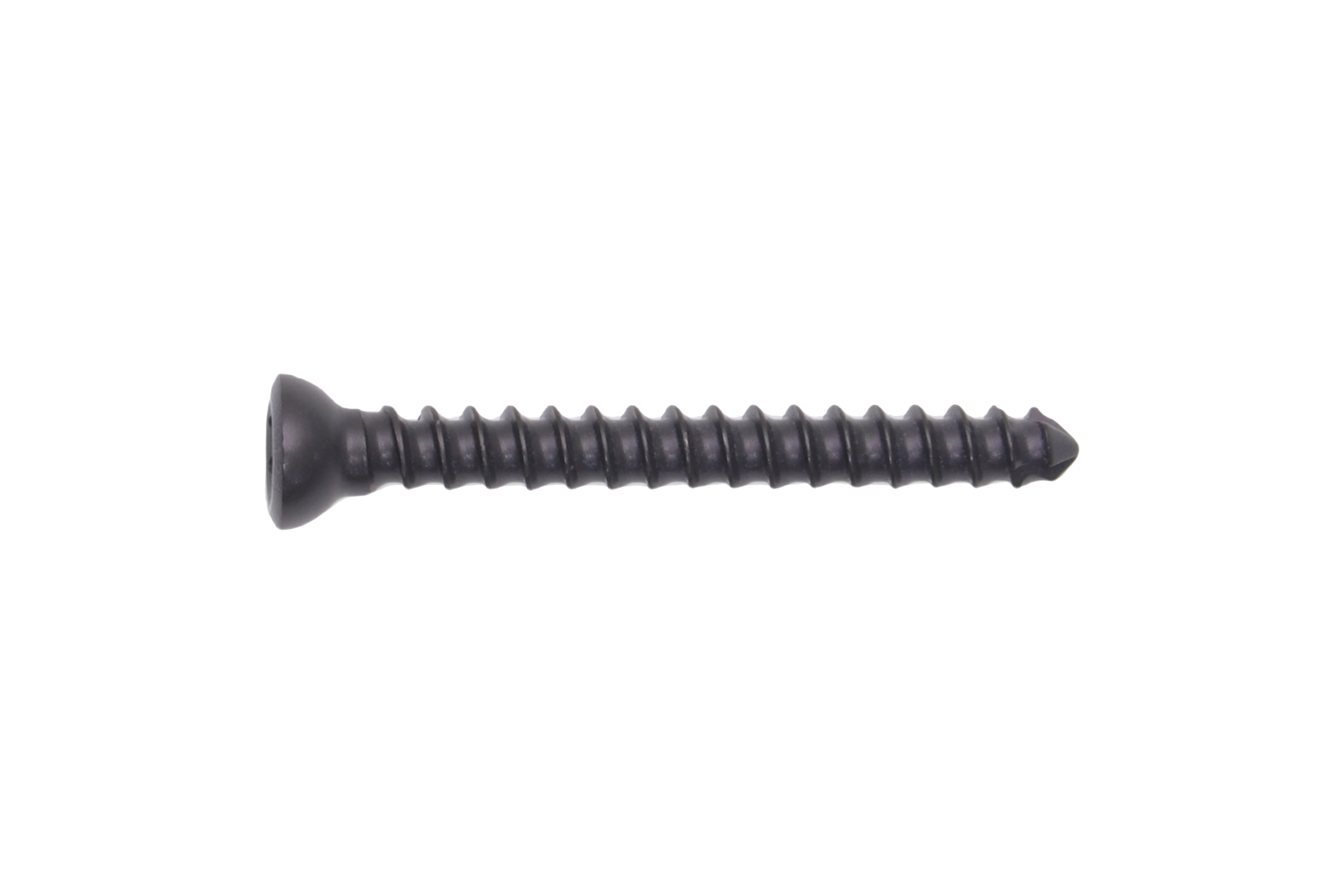
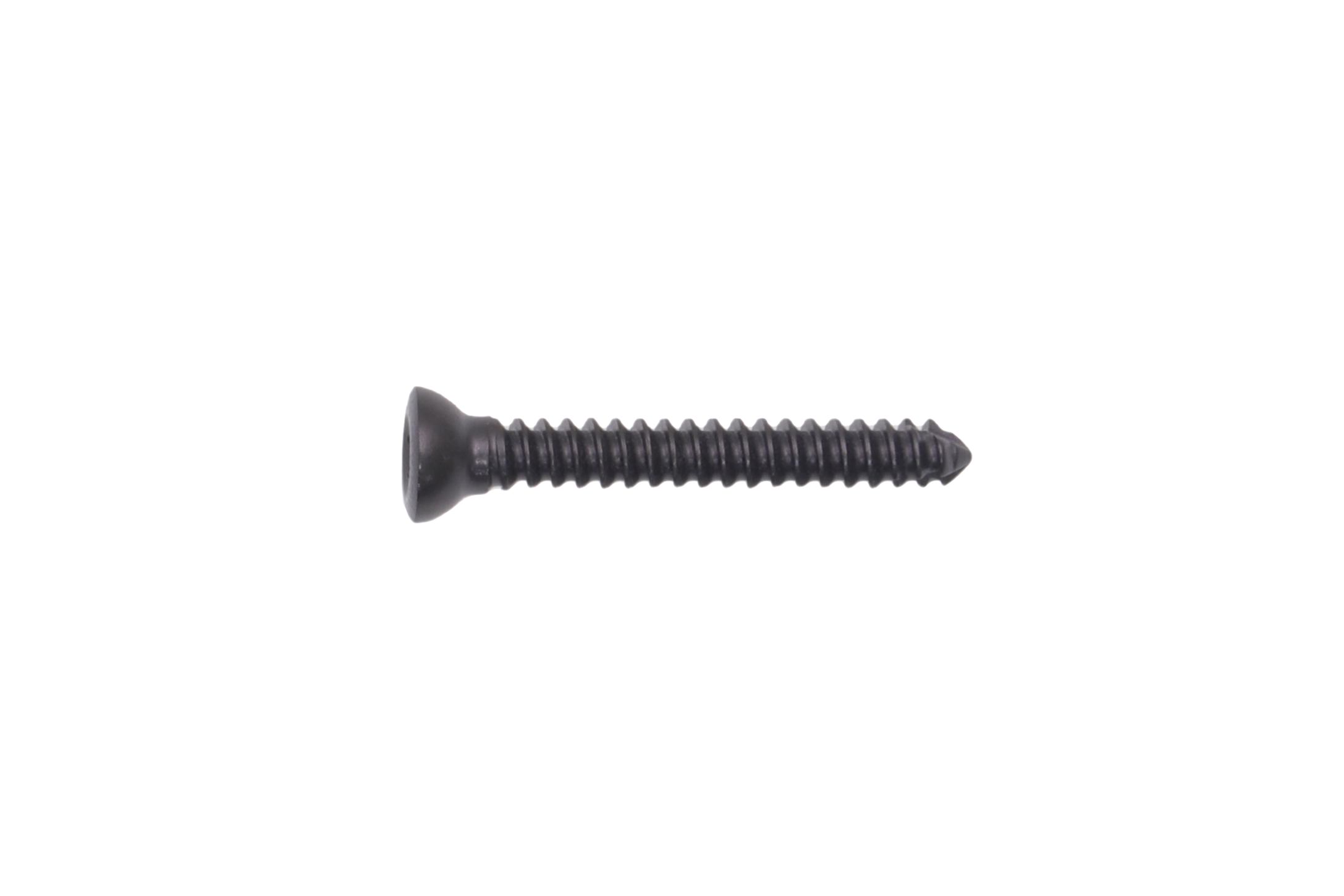
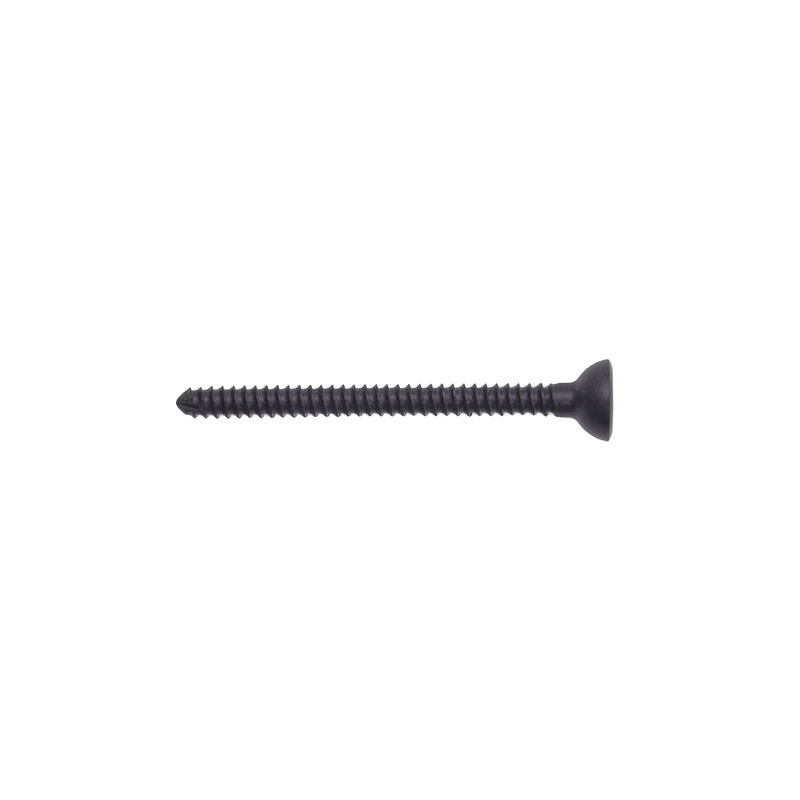
A cortical bone screw is a specialized orthopedic fastener designed to secure bone fragments and fixation plates in areas where dense, compact bone tissue predominates. Unlike cancellous screws that feature wider thread patterns for softer bone, the cortical bone screw incorporates finer, shallower threads optimized for the hard outer layer of bone structure. These precision-engineered devices play a crucial role in fracture fixation, reconstructive procedures, and skeletal stabilization across various anatomical locations. The cortical bone screw features a distinctive thread design with reduced pitch and depth, allowing superior purchase in dense cortical bone without causing structural compromise. Manufacturing typically involves medical-grade stainless steel or titanium alloys, materials selected for biocompatibility, strength, and resistance to corrosion within the physiological environment. Self-tapping variants incorporate cutting flutes that eliminate pre-tapping requirements, streamlining surgical procedures and reducing operative time. Available in multiple diameters ranging from 1.5mm to 4.5mm and lengths extending from 6mm to 50mm or more, the cortical bone screw accommodates diverse anatomical requirements and surgical applications. Contemporary designs may incorporate features such as self-drilling tips, variable thread geometries, and locking mechanisms that interface with specialized plate systems. Clinical applications span traumatology, orthopedic surgery, maxillofacial reconstruction, and spinal fixation, with surgeons selecting specific cortical bone screw configurations based on anatomical location, bone quality, loading requirements, and fixation objectives. Understanding the fundamental characteristics and appropriate applications of the cortical bone screw enables medical professionals to achieve optimal surgical outcomes and promote successful bone healing.

Popular Products

The cortical bone screw delivers exceptional holding power in dense bone structures, providing surgeons with reliable fixation strength that withstands physiological loads during the healing process. This superior grip translates directly to enhanced stability at fracture sites, reducing the risk of hardware failure and promoting faster patient recovery. Medical facilities benefit from the versatility these screws offer, as a single inventory can address multiple surgical scenarios across different skeletal regions, simplifying procurement and reducing storage costs. Patients experience improved outcomes because the cortical bone screw maintains consistent compression and alignment throughout the critical healing period, minimizing complications such as malunion or nonunion. The precision threading creates minimal bone trauma during insertion, preserving valuable bone stock and reducing postoperative inflammation. Surgeons appreciate the predictable performance characteristics that allow confident surgical planning and execution, even in challenging anatomical locations with limited bone volume. The biocompatible materials used in manufacturing ensure long-term tissue tolerance, eliminating concerns about adverse reactions that could compromise healing or require hardware removal. Self-tapping designs streamline surgical workflows by eliminating separate tapping steps, reducing operative time and minimizing patient exposure to anesthesia risks. Healthcare providers find that the cortical bone screw supports various fixation strategies, from simple lag screw techniques to complex plate-and-screw constructs, offering flexibility in treatment approaches. The low-profile head designs available in many cortical bone screw variants reduce soft tissue irritation and improve patient comfort during recovery. Cost-effectiveness emerges from the durability and reliability of these devices, as successful first-time fixation eliminates expenses associated with revision procedures. Whether addressing traumatic fractures, performing osteotomies, or executing reconstructive procedures, the cortical bone screw provides the foundational stability essential for successful skeletal repair.

Practical Tips

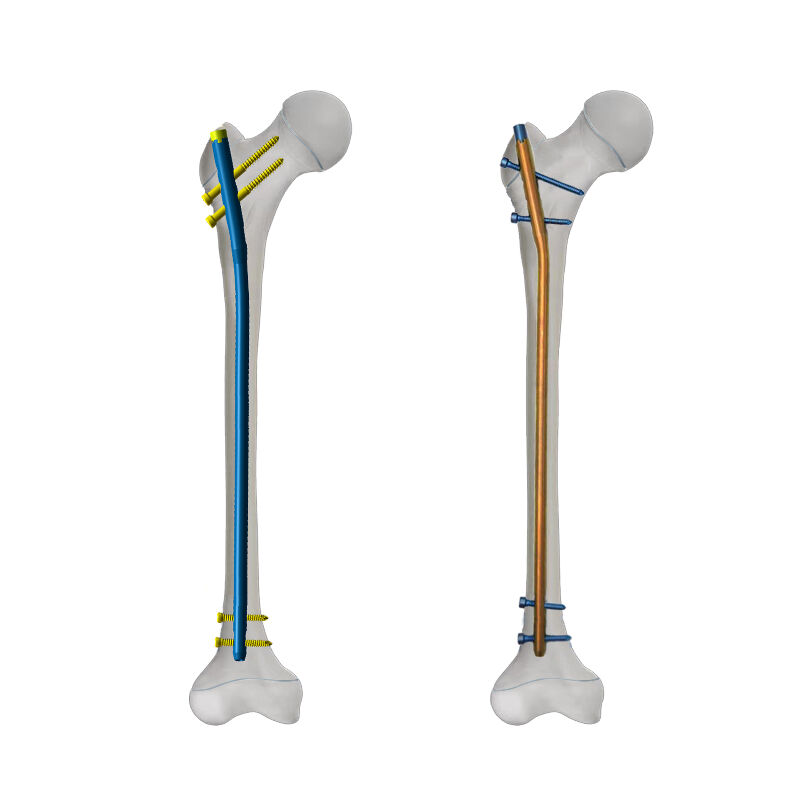
Understanding Intramedullary Nail Complications

13

Jan

Understanding Intramedullary Nail Complications

Intramedullary nail complications represent a significant concern in orthopedic surgery, affecting patient outcomes and recovery timelines. These complications can arise during insertion, throughout the healing process, or during long-term implant re...
View More
Ankle internal fixation system: Advantages of ankle locking plate in the treatment of complex fractures

06

Mar

Ankle internal fixation system: Advantages of ankle locking plate in the treatment of complex fractures

Complex ankle fractures represent one of the most challenging orthopedic injuries, requiring precise surgical intervention and advanced fixation techniques to restore optimal function and stability. The ankle locking plate has emerged as a revolution...
View More
Treatment of osteomyelitis and tibial pseudarthrosis: The advantages of the Ilizarov frame

06

Mar

Treatment of osteomyelitis and tibial pseudarthrosis: The advantages of the Ilizarov frame

The treatment of complex orthopedic conditions such as osteomyelitis and tibial pseudarthrosis presents significant challenges that require innovative surgical approaches. Among the most effective solutions available to orthopedic surgeons today is t...
View More
Distal radial volar locking plate: refined design enhances the success rate of fracture fixation

06

Mar

Distal radial volar locking plate: refined design enhances the success rate of fracture fixation

The treatment of distal radius fractures has undergone significant evolution in recent decades, with the distal radial volar locking plate emerging as a cornerstone technology in modern orthopedic practice. These innovative implants represent a parad...
View More

Get a Free Quote

Our representative will contact you soon.
Email
Name
Company Name
Message
0/1000

cortical bone screw

Optimized Thread Design for Dense Bone

Optimized Thread Design for Dense Bone

The cortical bone screw features an engineered thread configuration specifically tailored to the structural characteristics of cortical bone tissue. The shallow thread depth and fine pitch create maximum surface contact with the dense outer bone layer, distributing mechanical loads across a larger area and preventing stress concentrations that could lead to bone fracture or screw pullout. This specialized geometry achieves superior purchase compared to standard fasteners, with holding strength that remains stable throughout the healing process. The thread profile incorporates precise angles and spacing calculated to balance insertion torque with extraction resistance, allowing surgeons to achieve optimal compression without risking bone damage during placement. Advanced manufacturing techniques ensure thread consistency across the entire screw length, eliminating weak points and providing predictable mechanical performance. The design accommodates the rigid, non-compressible nature of cortical bone while maintaining sufficient thread engagement to resist both tensile and rotational forces. This optimization proves particularly valuable in long bone diaphysis fixation, where the predominantly cortical structure demands fasteners capable of reliable performance under substantial biomechanical stresses during weight-bearing activities.
Material Excellence and Biocompatibility

Material Excellence and Biocompatibility

Medical-grade materials form the foundation of every cortical bone screw, with stainless steel and titanium alloys selected for their exceptional combination of strength, corrosion resistance, and tissue compatibility. Titanium variants offer superior biocompatibility and reduced magnetic resonance imaging artifacts, making them ideal for patients requiring postoperative diagnostic imaging or those with metal sensitivities. The material strength allows smaller diameter screws to achieve fixation goals previously requiring larger implants, reducing surgical invasiveness and preserving bone stock. Manufacturing processes include rigorous quality controls and surface treatments that enhance osseointegration while preventing debris generation during insertion. The corrosion resistance inherent in these materials ensures long-term structural integrity within the physiological environment, eliminating concerns about degradation that could compromise fixation strength over time. Surgeons can confidently select the cortical bone screw knowing that material properties will support healing requirements, whether the implant remains permanently or requires eventual removal. The polished surfaces reduce friction during insertion while the material hardness prevents thread deformation under insertion torque, maintaining the designed geometry that delivers optimal mechanical performance throughout the implant's service life.
Versatile Clinical Applications

Versatile Clinical Applications

The cortical bone screw serves diverse surgical specialties and anatomical locations, demonstrating remarkable adaptability across the spectrum of skeletal fixation challenges. In trauma surgery, these screws secure fracture fragments in long bone shafts where cortical bone predominates, providing the stability essential for healing without secondary displacement. Reconstructive procedures benefit from the precise control cortical bone screw placement offers, enabling surgeons to achieve exact anatomical alignment during osteotomies and bone grafting procedures. Maxillofacial applications utilize smaller diameter variants to address facial fractures and jaw reconstructions, where compact bone structure demands specialized fixation solutions. Spinal surgery incorporates the cortical bone screw in various constructs, taking advantage of the dense vertebral bone to anchor stabilization systems. The availability of multiple sizes allows surgeons to match screw dimensions to patient anatomy and bone quality, accommodating pediatric patients with smaller skeletal structures and adult cases requiring robust fixation. Plate fixation systems rely on the cortical bone screw as the fundamental anchoring element, with threaded or non-threaded head configurations supporting different compression and stability requirements. This versatility extends instrument inventory efficiency, as surgical teams maintain comprehensive fixation capabilities across multiple specialties with standardized screw platforms and compatible instrumentation.
logo