Surgical Bone Screws: Orthopedic Fixation

Get a Free Quote

Our representative will contact you soon.
Email
Name
Company Name
Message
0/1000

surgical bone screws

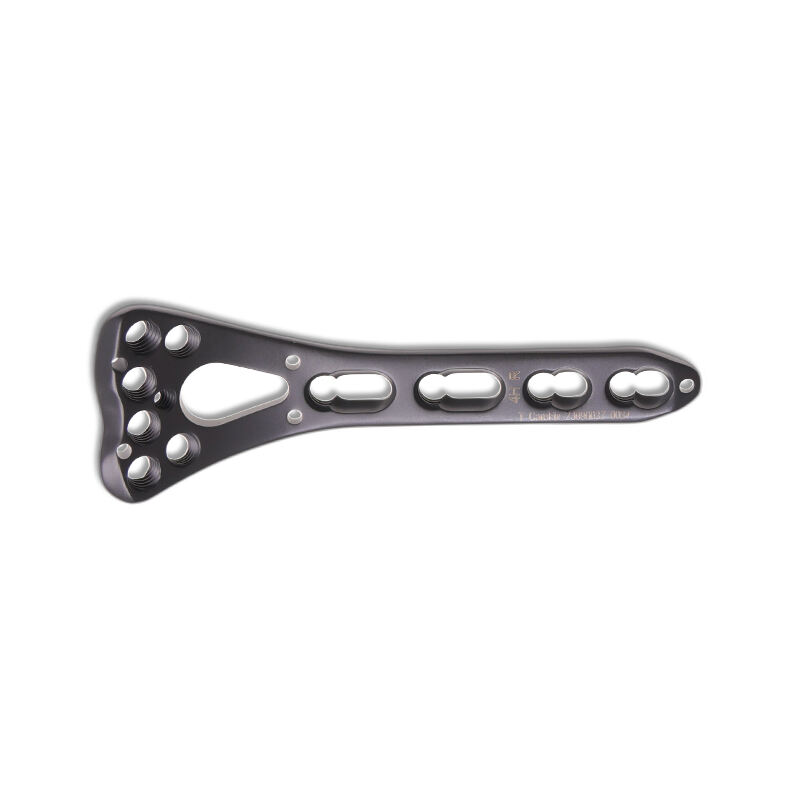
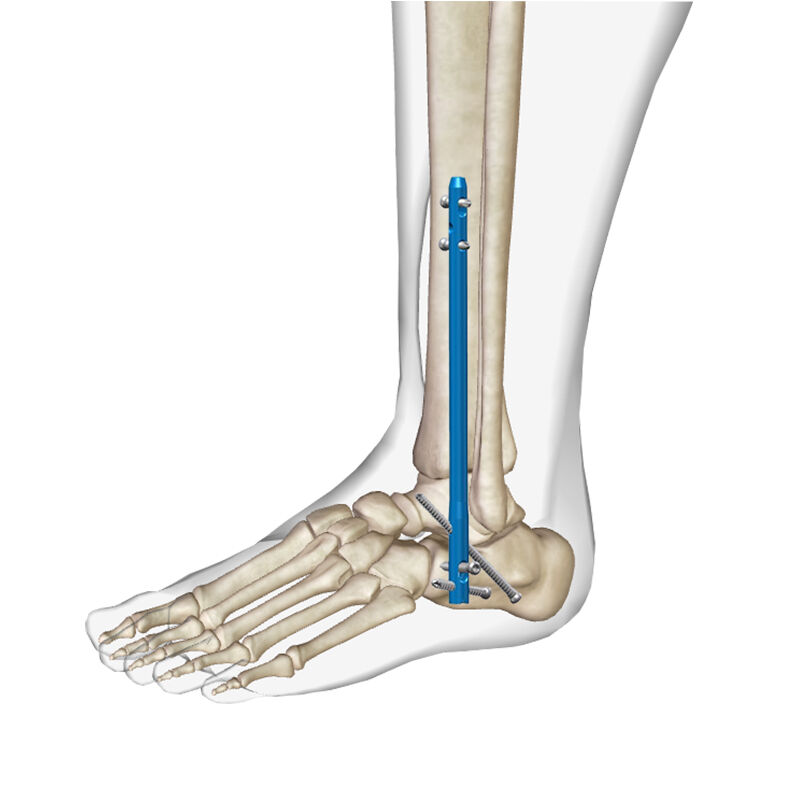
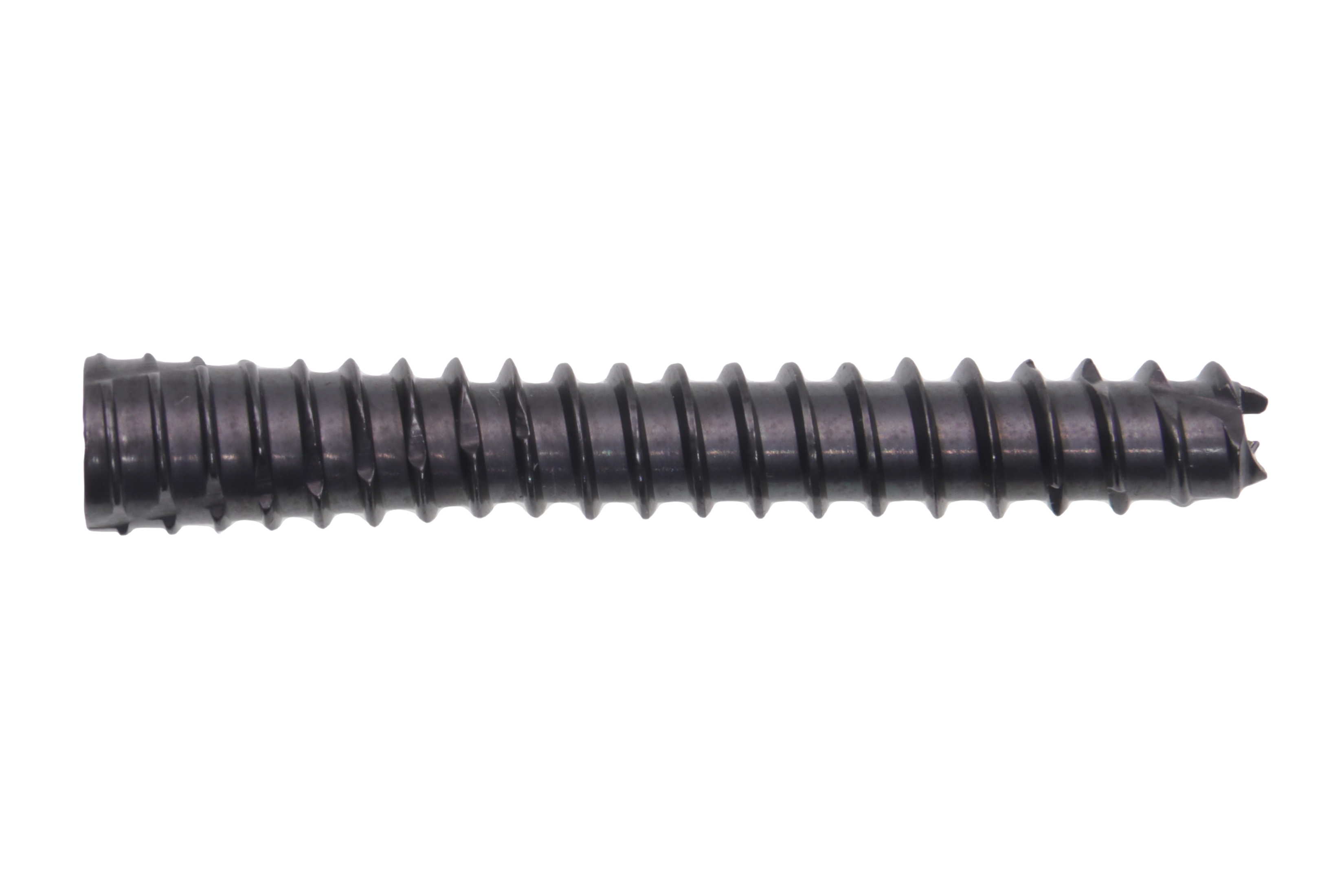
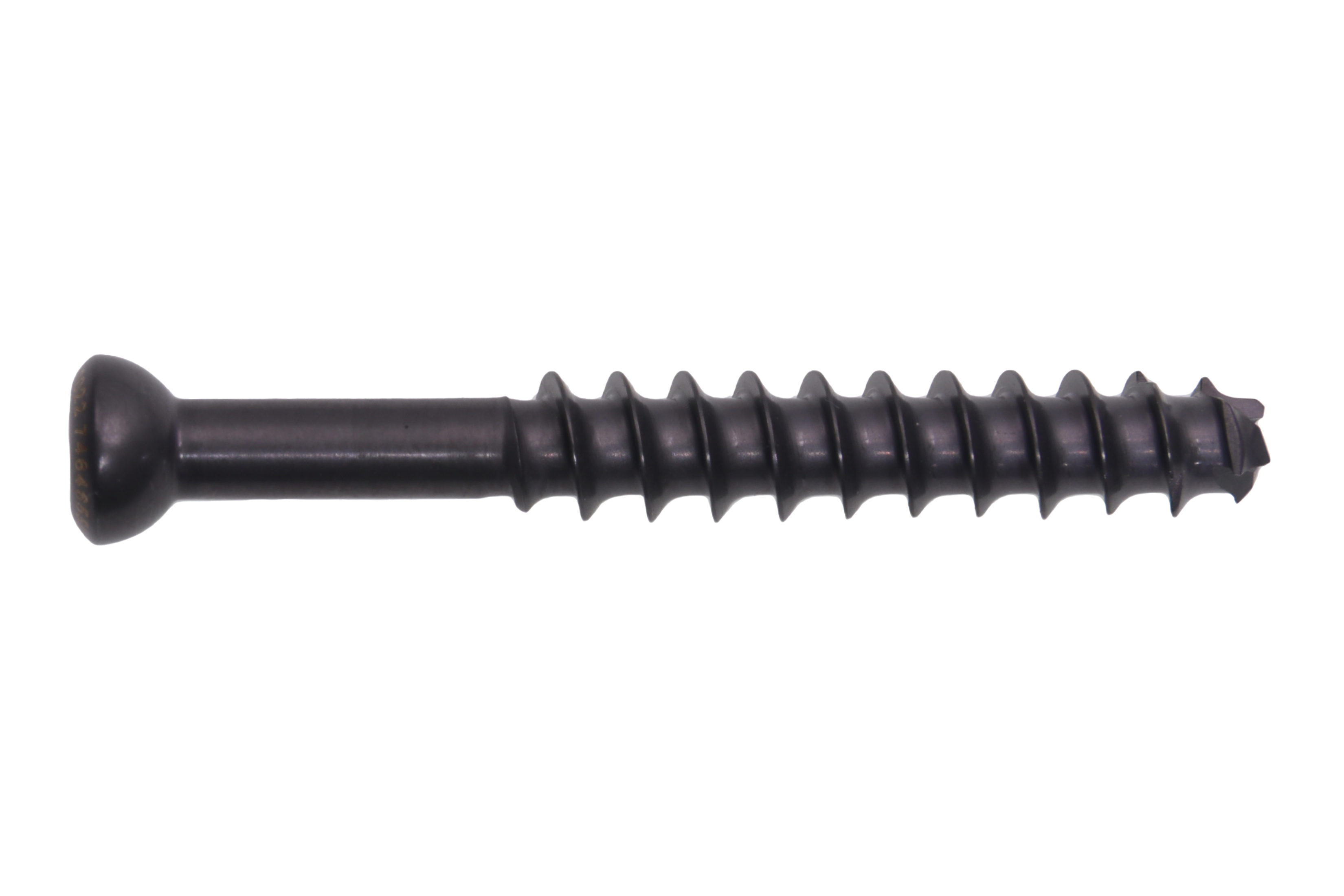
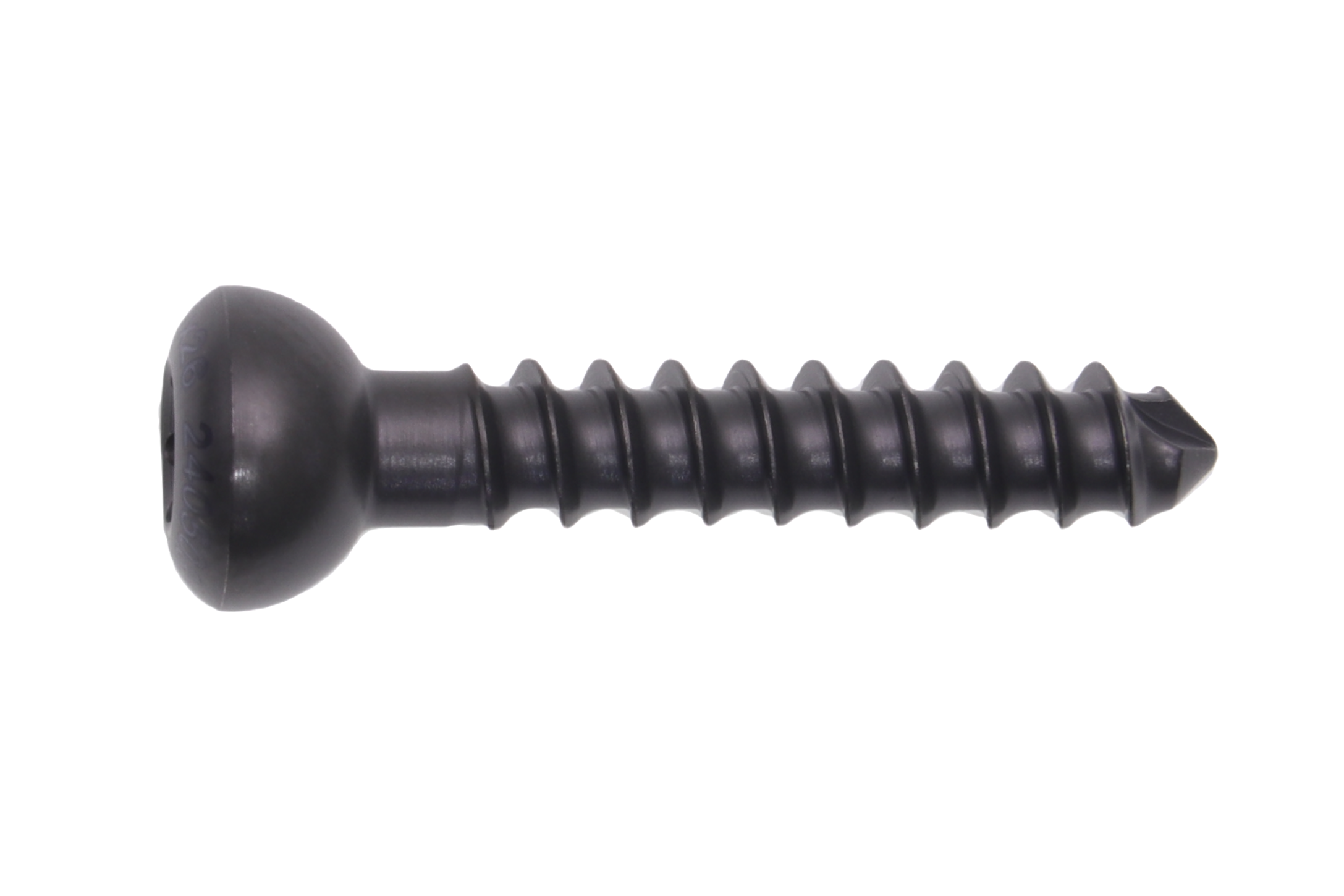
Surgical bone screws are essential orthopedic fixation devices designed to stabilize fractured bones, secure implants, and facilitate proper healing during reconstructive procedures. These precision-engineered medical devices serve as anchoring mechanisms that hold bone fragments in their anatomical position, enabling patients to recover mobility and function after injuries or surgical interventions. Manufactured from biocompatible materials such as titanium alloys and stainless steel, surgical bone screws provide the necessary mechanical strength while minimizing adverse tissue reactions. Modern surgical bone screws feature advanced thread designs that optimize purchase in both cortical and cancellous bone, ensuring reliable fixation across diverse anatomical sites. The technological innovation behind these devices includes self-tapping capabilities that eliminate the need for pre-threading, cannulated designs that allow guidewire-assisted insertion for enhanced precision, and locking mechanisms that create fixed-angle constructs with plates. Applications span trauma surgery, spinal fusion procedures, joint reconstruction, maxillofacial surgery, and pediatric orthopedics. Surgeons select from various screw types including cortical screws for dense outer bone, cancellous screws for softer interior bone, and specialized compression screws that dynamically reduce fracture gaps. The dimensional specifications of surgical bone screws range from miniature sizes for delicate hand and foot procedures to larger diameter screws for major load-bearing applications in the femur and tibia. Quality surgical bone screws undergo rigorous biocompatibility testing and mechanical validation to meet international regulatory standards, ensuring patient safety and predictable clinical outcomes across all orthopedic specialties.

New Products

Choosing high-quality surgical bone screws delivers significant practical benefits that directly impact surgical success rates and patient recovery outcomes. First, these devices provide immediate mechanical stability at fracture sites, allowing early mobilization that prevents muscle atrophy and joint stiffness commonly associated with prolonged immobilization. Patients experience faster return to daily activities and reduced rehabilitation time, which translates to lower overall healthcare costs and improved quality of life. From an operational perspective, surgical bone screws simplify insertion procedures through intuitive design features that reduce surgery duration and minimize soft tissue trauma. Self-drilling tips eliminate additional procedural steps, while color-coded identification systems prevent size selection errors during critical moments in the operating room. Surgeons benefit from comprehensive inventory systems that offer complete size ranges for every anatomical requirement, ensuring the right fixation solution is always available. The biocompatible materials used in surgical bone screws reduce inflammation and promote natural bone integration, which decreases the likelihood of hardware removal surgeries and associated complications. Application suitability extends across patient populations, from pediatric cases requiring growth-friendly fixation to geriatric patients with osteoporotic bone requiring specialized thread patterns for enhanced grip. Decision-makers in hospitals and surgical centers value the proven track record of surgical bone screws, backed by extensive clinical research demonstrating excellent union rates and low failure percentages. The versatility of these devices allows surgeons to address simple fractures and complex reconstructions using familiar techniques, reducing learning curves for new staff members. Long-term value comes from durable construction that maintains integrity throughout the healing process, eliminating premature loosening that could compromise patient outcomes and necessitate revision procedures.

Tips And Tricks

Cannulated Screw Types: Features and Benefits Explained

16

Dec

Cannulated Screw Types: Features and Benefits Explained

Orthopedic surgery has evolved significantly over the past decades, with advances in implant technology playing a crucial role in improving patient outcomes. Among these innovations, the cannulated screw stands out as a versatile and highly effective...
View More
Application analysis of intramedullary nail system in ankle joint fusion

16

Dec

Application analysis of intramedullary nail system in ankle joint fusion

The evolution of orthopedic surgical techniques has brought significant advancements in treating complex ankle pathologies, particularly through the implementation of modern fixation systems. An intramedullary nail system represents a revolutionary a...
View More
Cannulated screw system: Technological advancements in the treatment of ankle fractures

06

Mar

Cannulated screw system: Technological advancements in the treatment of ankle fractures

Ankle fractures represent one of the most challenging orthopedic injuries requiring precise surgical intervention and advanced fixation methods. The evolution of fracture treatment has been significantly enhanced by the introduction of modern cannula...
View More
Taylor brace: a new choice for minimally invasive treatment of complex fracture repair

15

Apr

Taylor brace: a new choice for minimally invasive treatment of complex fracture repair

The Taylor brace represents a significant advancement in orthopedic external fixation technology, offering surgeons and patients a minimally invasive solution for complex fracture repair scenarios. This innovative Taylor brace system combines precisi...
View More

Get a Free Quote

Our representative will contact you soon.
Email
Name
Company Name
Message
0/1000

surgical bone screws

Advanced Thread Technology for Superior Bone Purchase

Advanced Thread Technology for Superior Bone Purchase

The thread geometry of modern surgical bone screws represents a critical advancement in orthopedic fixation technology, directly influencing the quality of bone purchase and overall construct stability. Engineered thread profiles feature variable pitch designs that optimize compression forces during insertion, drawing bone fragments together while minimizing the risk of over-compression that could cause fragment necrosis. The thread depth and flank angles are precisely calculated to maximize contact area with surrounding bone tissue, distributing load forces evenly and preventing stress concentration points that lead to screw loosening or bone fracture. Self-tapping flutes incorporated into the thread design cut cleanly through bone during insertion, creating precisely matched threads that enhance pullout strength compared to conventional pre-tapped techniques. This technological refinement proves particularly valuable in compromised bone quality scenarios, where maximizing the mechanical interlock between implant and tissue becomes essential for successful fixation. Surgeons appreciate how advanced thread technology in surgical bone screws reduces insertion torque requirements while simultaneously improving holding power, creating a safer insertion experience with more predictable long-term performance across diverse patient anatomies and bone density conditions.
Biocompatible Materials Ensuring Safe Integration

Biocompatible Materials Ensuring Safe Integration

Material selection for surgical bone screws fundamentally determines biocompatibility, mechanical performance, and long-term clinical success. Premium titanium alloys dominate contemporary orthopedic applications due to their exceptional strength-to-weight ratio, outstanding corrosion resistance, and proven osseointegration properties that promote natural bone bonding at the implant interface. The passive oxide layer that forms on titanium surfaces creates a protective barrier that prevents metal ion release, eliminating inflammatory responses and allergic reactions that occasionally occur with alternative materials. Medical-grade stainless steel remains valuable for specific applications requiring temporary fixation with planned removal, offering excellent mechanical properties at competitive costs. Both material options undergo extensive biocompatibility testing following ISO standards, including cytotoxicity assays, sensitization studies, and implantation trials that verify tissue tolerance. The radiopaque nature of these materials ensures clear visualization on postoperative imaging, allowing surgeons to confirm accurate placement and monitor healing progress throughout recovery. Patients benefit from knowing that surgical bone screws manufactured from certified biocompatible materials carry minimal risk of adverse tissue reactions, supporting uneventful healing processes and reducing the likelihood of complications that could extend recovery periods or necessitate additional interventions.
Comprehensive Size Range for Every Clinical Scenario

Comprehensive Size Range for Every Clinical Scenario

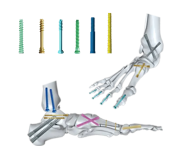
The availability of surgical bone screws in extensive dimensional ranges ensures surgeons can precisely match fixation devices to specific anatomical requirements and fracture patterns. Diameter options spanning from 1.5mm miniature screws for delicate hand and craniofacial procedures to 7.3mm large-fragment screws for major long bone applications provide complete coverage across the orthopedic spectrum. Length variations in 2mm increments allow exact matching to bone thickness and desired purchase depth, preventing complications associated with screws that are too short to achieve adequate fixation or too long and risk penetrating critical structures on the far cortex. Thread length options including fully threaded and partially threaded configurations give surgeons tactical choices for creating compression or neutralization effects based on fracture biomechanics. Specialized head geometries including button heads for low-profile applications, countersunk heads for flush plate integration, and locking heads for fixed-angle stability expand the surgical toolkit for addressing complex reconstructive challenges. This comprehensive selection of surgical bone screws eliminates compromises during surgery, empowering surgeons to implement optimal fixation strategies tailored to each unique clinical presentation rather than adapting techniques to accommodate limited inventory options that may not ideally suit the specific anatomical and mechanical requirements of the case.
logo