Titanium Medical Screws - Premium Bone Fixation

Get a Free Quote

Our representative will contact you soon.
Email
Name
Company Name
Message
0/1000

titanium medical screws

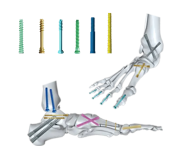
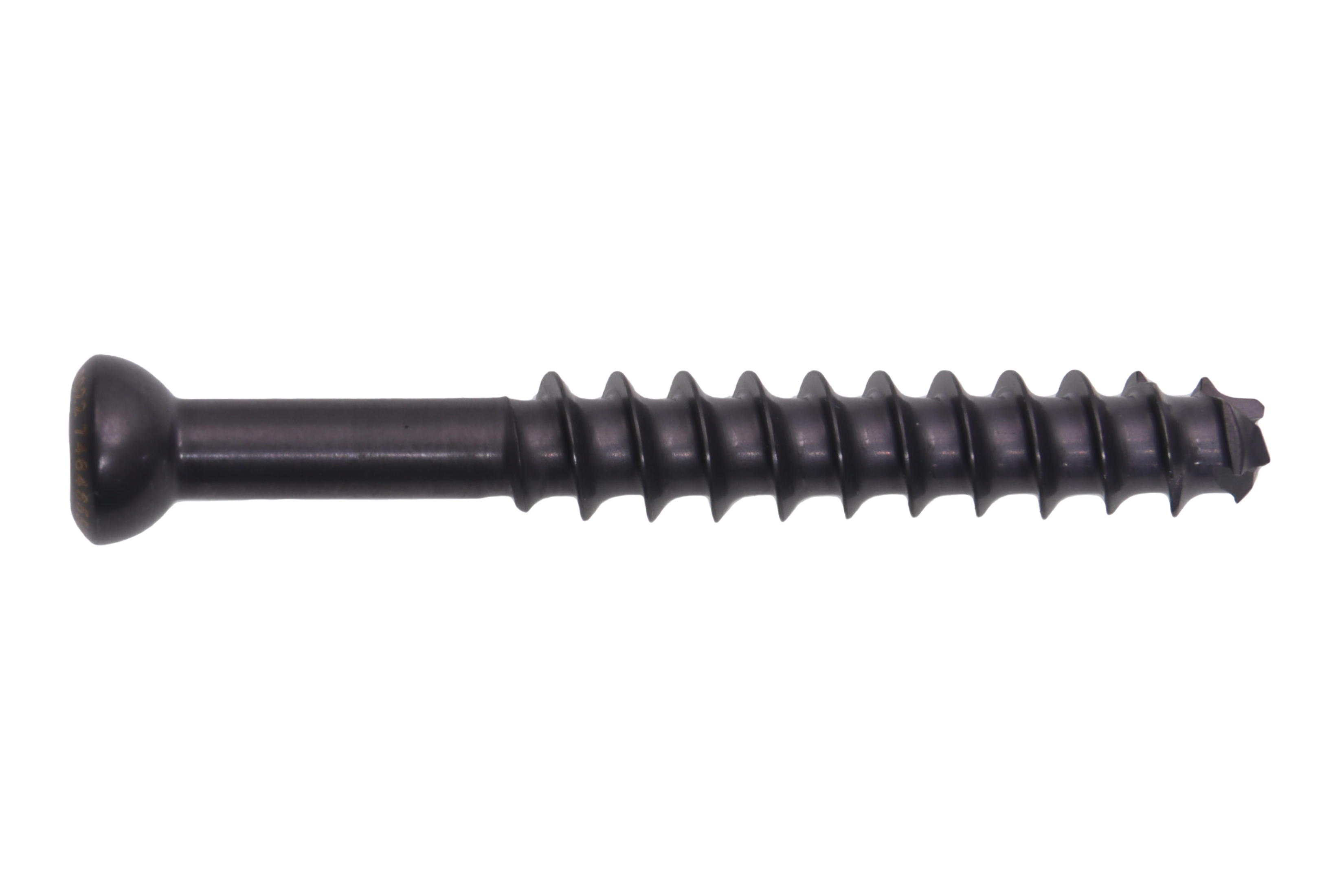
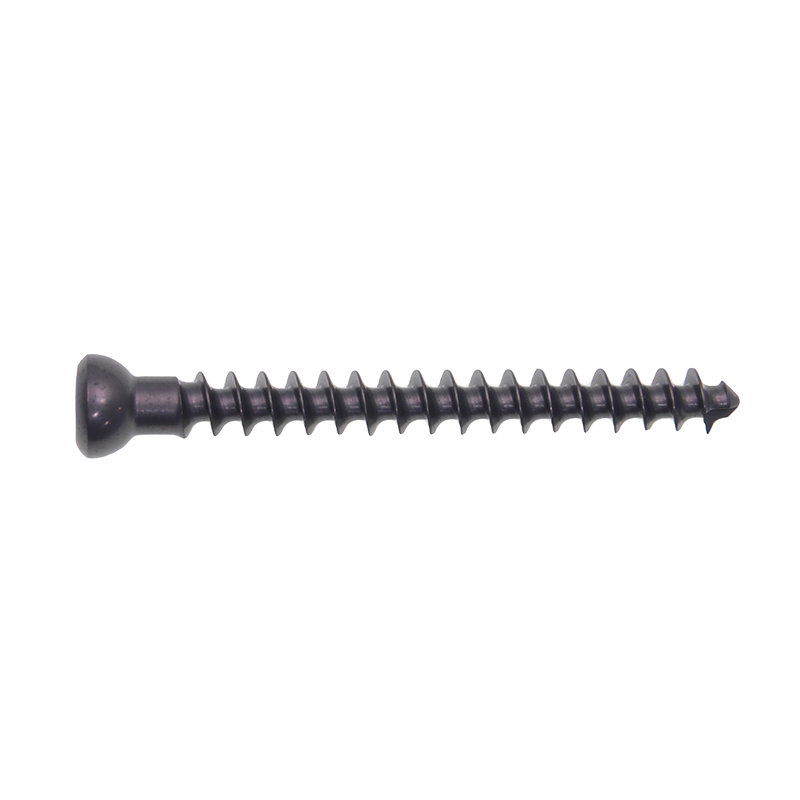
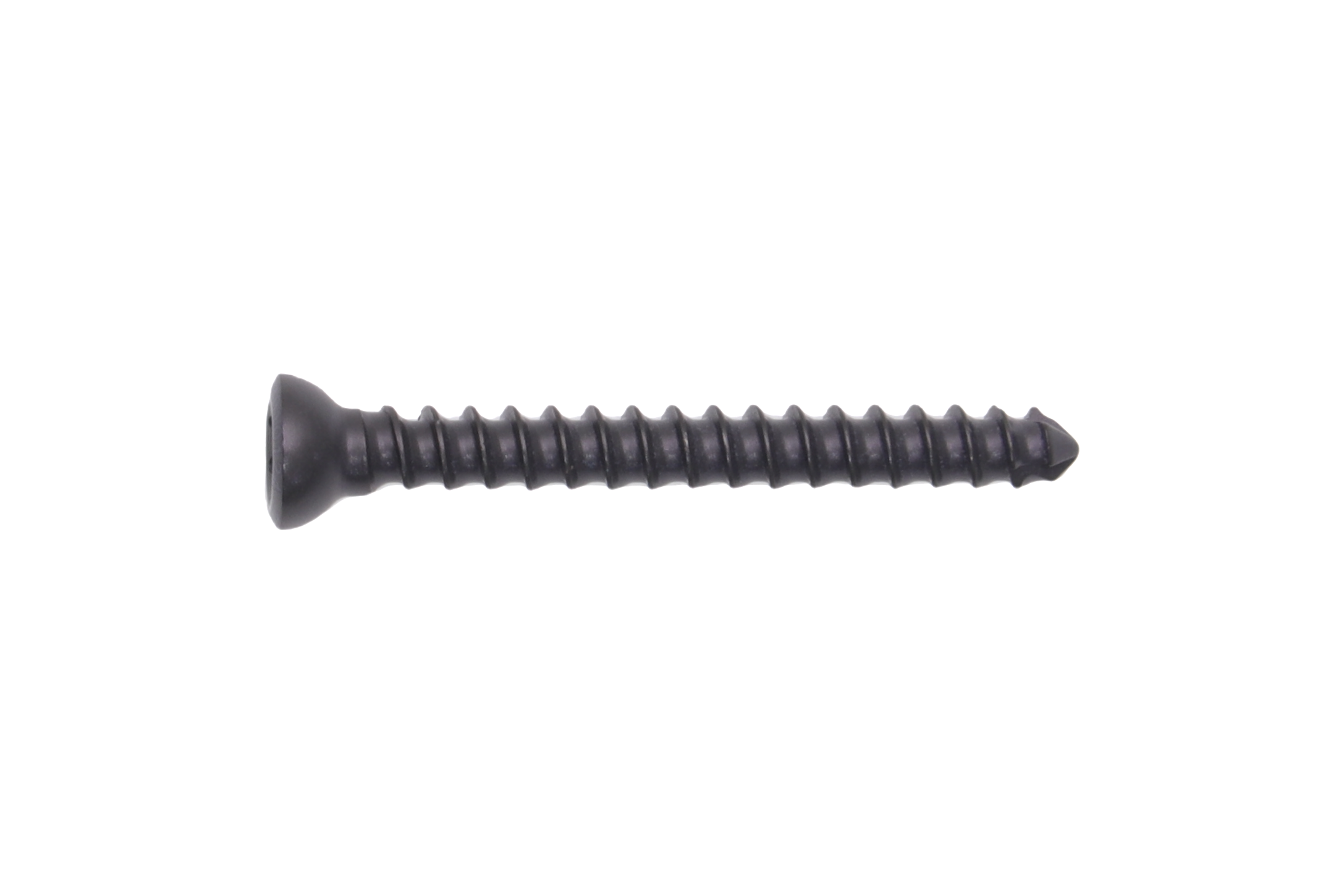
Titanium medical screws are specialized orthopedic fixation devices designed to provide secure bone stabilization during surgical procedures and throughout the healing process. These precision-engineered fasteners are manufactured from medical-grade titanium alloy, specifically chosen for its exceptional biocompatibility and mechanical properties. Titanium medical screws serve essential functions in trauma surgery, spinal fusion procedures, joint reconstruction, and fracture fixation across various anatomical locations. The primary technological features include self-tapping thread designs that facilitate insertion without pre-drilling, cannulated options that allow guidewire placement for accurate positioning, and varied head configurations to accommodate different plating systems. Advanced manufacturing processes ensure consistent thread geometry, optimal surface finishes, and dimensional accuracy that meets stringent international medical device standards. These screws are available in multiple diameters, lengths, and thread pitches to match specific clinical requirements and bone density variations. The applications of titanium medical screws span across maxillofacial surgery, where they secure reconstructive plates, to long bone fracture treatment, where they anchor intramedullary devices and compression plates. Spinal surgeons utilize titanium medical screws extensively for pedicle screw systems that stabilize vertebral segments during fusion procedures. The material composition provides the necessary strength to withstand physiological loading while maintaining a modulus of elasticity closer to natural bone compared to stainless steel alternatives, reducing stress shielding effects that can compromise bone remodeling.

New Products

Choosing titanium medical screws offers significant practical benefits that directly impact patient outcomes and surgical efficiency. The biocompatibility of titanium means these screws integrate seamlessly with human tissue, minimizing inflammatory responses and reducing the risk of implant rejection or adverse reactions. Patients with titanium medical screws rarely experience allergic reactions, unlike some alternatives that may contain nickel or other sensitizing elements. The corrosion resistance inherent to titanium ensures long-term implant stability, as these screws maintain their structural integrity throughout the healing period and beyond, eliminating concerns about degradation within the body environment. From an operational perspective, surgeons appreciate the radiolucent properties of titanium medical screws, which allow clear visualization of bone healing on X-rays and CT scans without significant artifact interference. This imaging clarity enables precise post-operative monitoring and facilitates accurate assessment of fusion progress in spinal procedures. The strength-to-weight ratio of titanium medical screws provides robust fixation without excessive bulk, making them particularly suitable for pediatric applications and areas where minimizing implant profile is crucial. Their osseointegration capacity promotes direct bone-to-implant contact, creating stable long-term fixation that supports active patient rehabilitation protocols. For healthcare facilities, titanium medical screws represent a cost-effective solution when considering the complete patient journey, as their durability reduces revision surgery rates and their compatibility with MRI imaging eliminates the need for implant removal before diagnostic scanning. The decision to select titanium medical screws is supported by decades of clinical evidence demonstrating superior performance across diverse patient populations and surgical applications, making them the preferred choice for orthopedic and trauma surgeons worldwide.

Tips And Tricks

Application of carbon fiber material external fixation bracket in clinical practice

13

Jan

Application of carbon fiber material external fixation bracket in clinical practice

The integration of advanced materials in orthopedic surgery has revolutionized patient care and treatment outcomes. Among these innovations, carbon fiber external fixation systems have emerged as a superior alternative to traditional metal frameworks...
View More
No need for secondary surgery: How does the self-lengthening intramedullary nail synchronize with bone development?

11

Feb

No need for secondary surgery: How does the self-lengthening intramedullary nail synchronize with bone development?

The evolution of pediatric orthopedic surgery has witnessed remarkable advancements in recent decades, with the telescopic intramedullary nail emerging as a groundbreaking solution for treating femoral shaft fractures in growing children. This innova...
View More
Finite Element Optimization Design and Biomechanical Validation of Personalized IM Nails

11

Feb

Finite Element Optimization Design and Biomechanical Validation of Personalized IM Nails

The evolution of orthopedic trauma surgery has reached a pivotal moment with the emergence of personalized IM nails that revolutionize fracture treatment approaches. Advanced computational modeling and finite element analysis have enabled surgeons to...
View More
Taylor brace: a new choice for minimally invasive treatment of complex fracture repair

15

Apr

Taylor brace: a new choice for minimally invasive treatment of complex fracture repair

The Taylor brace represents a significant advancement in orthopedic external fixation technology, offering surgeons and patients a minimally invasive solution for complex fracture repair scenarios. This innovative Taylor brace system combines precisi...
View More

Get a Free Quote

Our representative will contact you soon.
Email
Name
Company Name
Message
0/1000

titanium medical screws

Superior Biocompatibility and Tissue Integration

Superior Biocompatibility and Tissue Integration

The outstanding biocompatibility of titanium medical screws represents a fundamental advantage that directly influences patient safety and long-term implant success. Titanium's unique surface oxide layer forms spontaneously upon exposure to oxygen, creating a stable barrier that prevents ion release into surrounding tissues. This passive layer makes titanium medical screws highly resistant to bodily fluids and eliminates the metallic taste or discoloration issues associated with other implant materials. The biological inertness means that titanium medical screws can remain in the body indefinitely without triggering chronic inflammation or immune system activation. Clinical studies consistently demonstrate lower infection rates with titanium implants compared to alternative materials, attributed to the smooth surface characteristics that discourage bacterial adhesion. Furthermore, titanium medical screws exhibit excellent osseointegration properties, encouraging direct bone apposition without intervening fibrous tissue formation. This bone-bonding capability creates mechanical stability that strengthens over time rather than loosening, which is particularly valuable in load-bearing applications such as spinal pedicle screw systems. For patients with known metal sensitivities or those requiring permanent implants, titanium medical screws offer unmatched safety profiles that minimize complications and support optimal healing outcomes.
Exceptional Strength with Reduced Stress Shielding

Exceptional Strength with Reduced Stress Shielding

Titanium medical screws deliver an optimal balance between mechanical strength and elastic modulus that preserves natural bone remodeling processes. While providing sufficient tensile strength to withstand physiological forces during weight-bearing and movement, titanium possesses an elastic modulus approximately half that of stainless steel, bringing it closer to the mechanical properties of cortical bone. This mechanical compatibility reduces the stress shielding phenomenon where overly rigid implants bear loads that would normally stimulate bone maintenance, potentially leading to bone resorption and implant loosening over time. By allowing more physiological load distribution, titanium medical screws support healthy bone remodeling around the implant site, maintaining bone density and structural integrity throughout the healing period. The material's fatigue resistance ensures that titanium medical screws can endure millions of loading cycles without developing microcracks or structural failures, which is essential for implants in high-stress locations such as weight-bearing long bones or mobile spinal segments. Surgeons can confidently apply appropriate compression forces during installation without concerns about screw deformation or breakage. The combination of strength, flexibility, and durability makes titanium medical screws suitable for both temporary fixation during acute fracture healing and permanent implantation in reconstructive procedures requiring lifelong stability.
MRI Compatibility and Imaging Clarity

MRI Compatibility and Imaging Clarity

The non-ferromagnetic nature of titanium medical screws provides critical advantages for patients requiring magnetic resonance imaging throughout their lifetime. Unlike ferromagnetic materials that create substantial imaging artifacts and pose safety risks in MRI environments, titanium medical screws generate minimal distortion on MRI scans, allowing radiologists to visualize surrounding soft tissues with acceptable clarity. This MRI compatibility eliminates the need for implant removal before diagnostic imaging, sparing patients from additional surgical procedures and associated risks. For individuals with spinal titanium medical screws, this feature is particularly valuable as these patients frequently require ongoing MRI surveillance for neurological conditions or adjacent segment evaluation. The radiolucent properties of titanium medical screws on standard radiographs and CT scans facilitate accurate assessment of bone healing, fracture reduction quality, and fusion progression without the dense shadows cast by more radiopaque materials. Surgeons can clearly identify the bone-implant interface, detect potential complications such as screw loosening or malpositioning, and make informed clinical decisions based on unobstructed imaging. This imaging transparency extends to fluoroscopic guidance during minimally invasive procedures, where real-time visualization of anatomical structures remains uncompromised by implant presence. The combination of MRI safety and imaging clarity positions titanium medical screws as the optimal choice for patients who may require comprehensive diagnostic imaging throughout their treatment and recovery journey.
logo