limb reconstruction implants
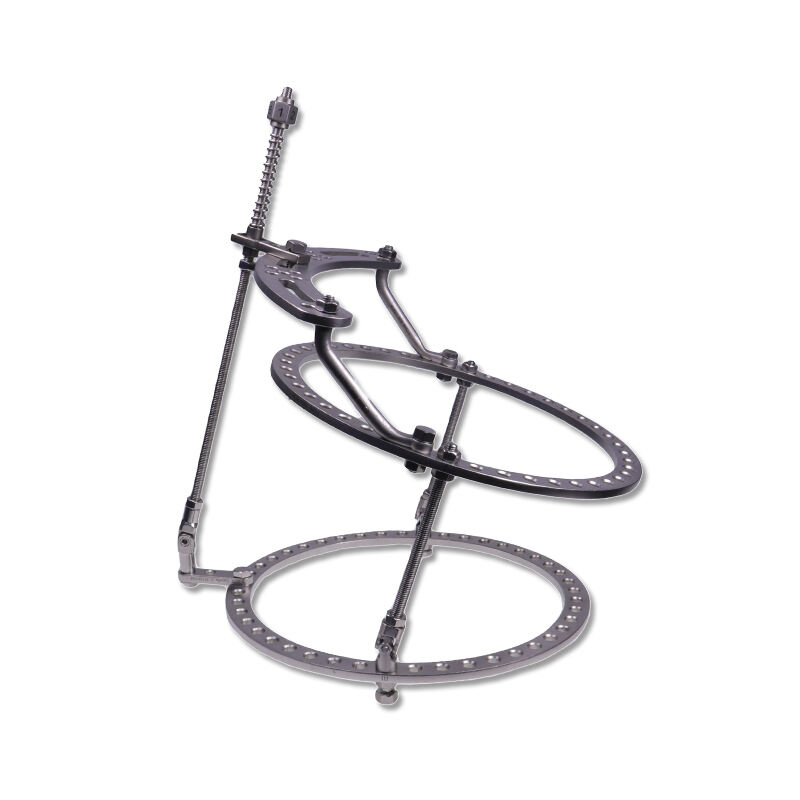
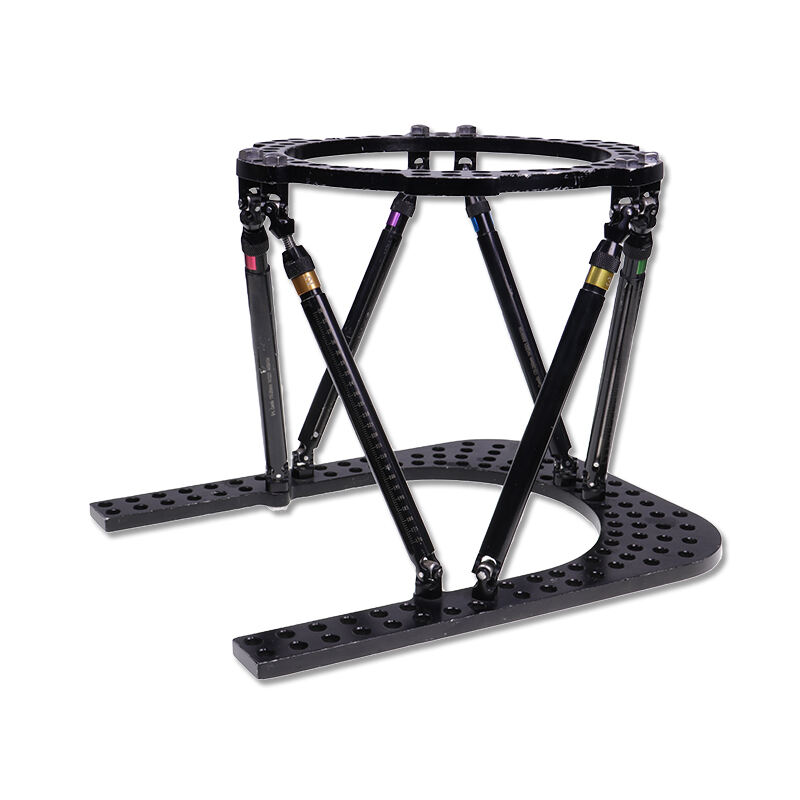
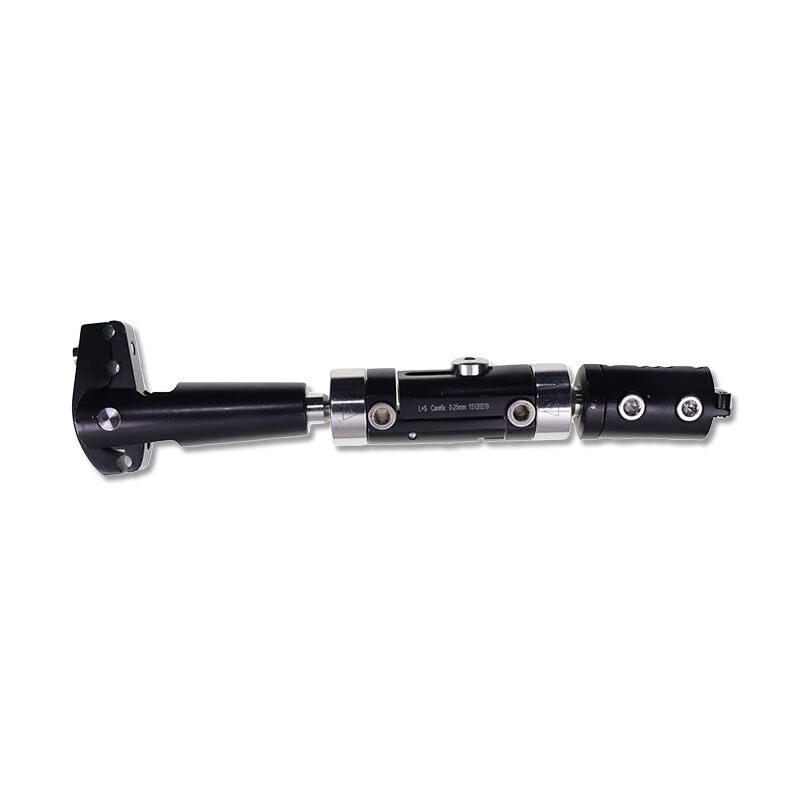
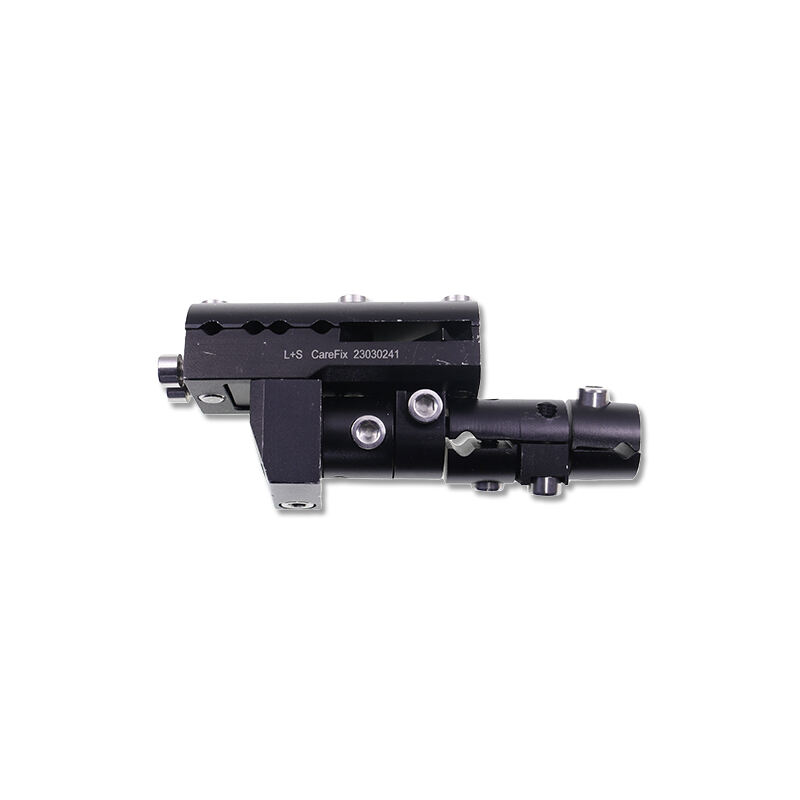
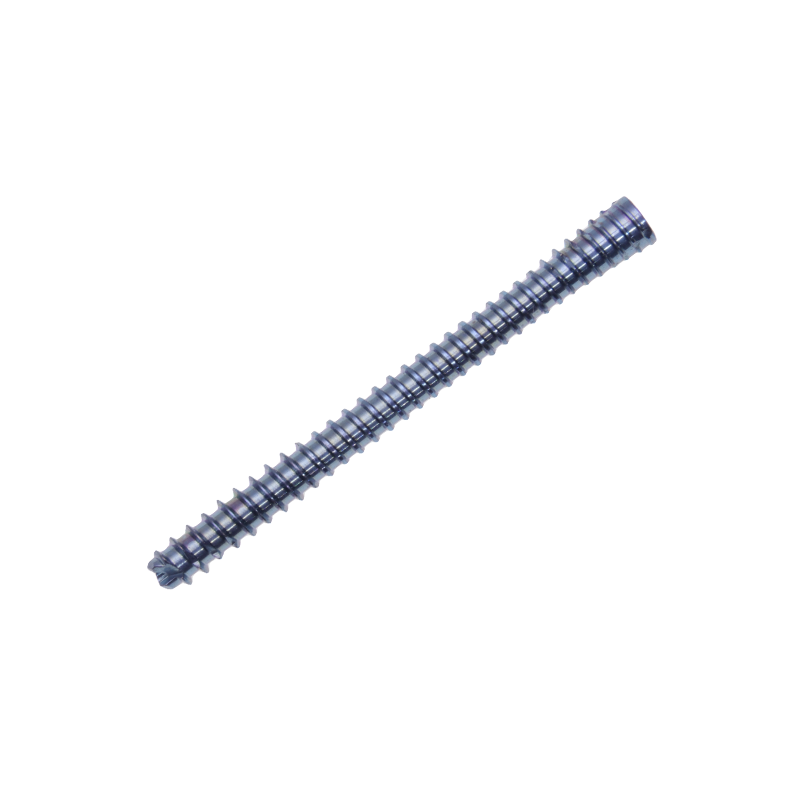
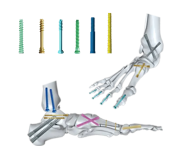
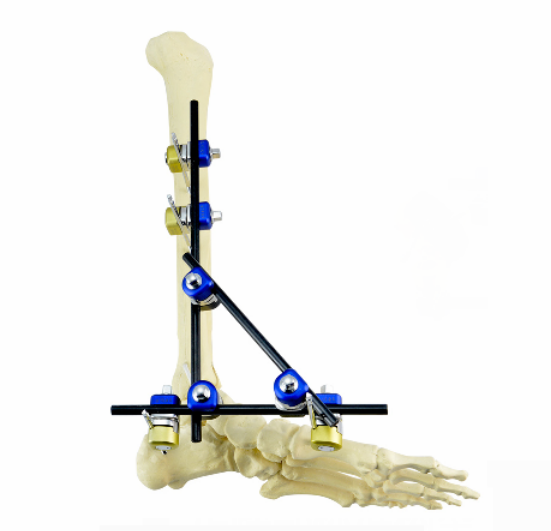
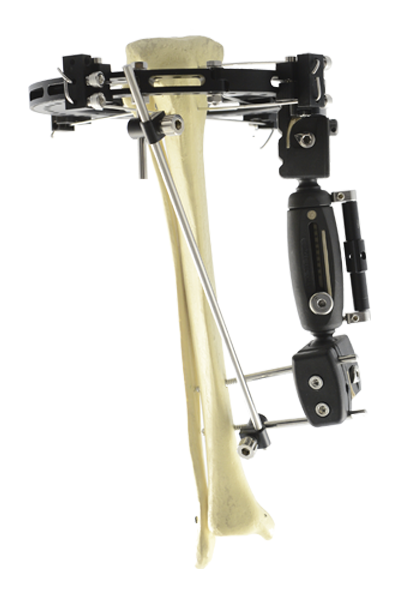
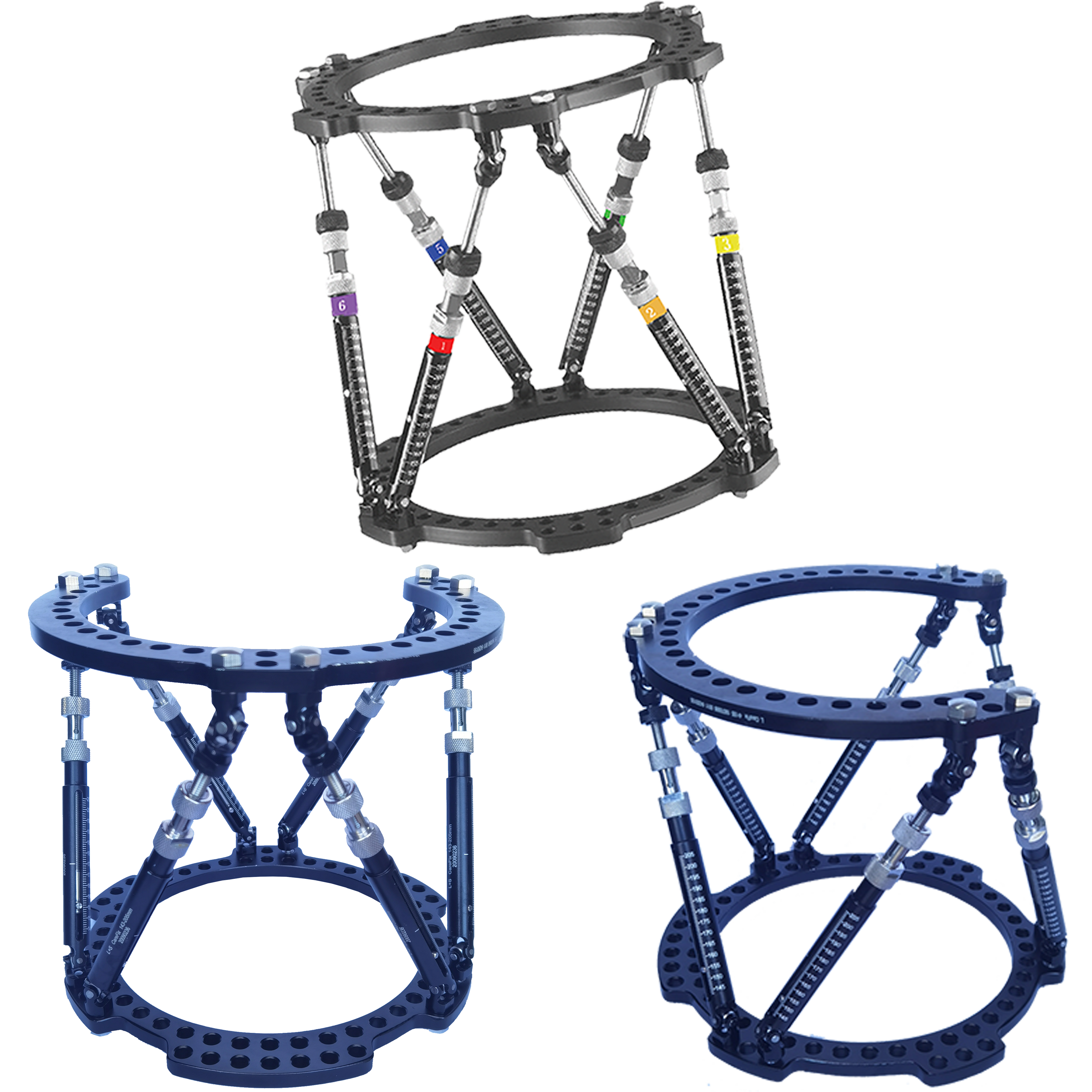
Limb reconstruction implants are advanced orthopedic devices designed to restore function and stability to damaged or diseased bones in the arms and legs. These sophisticated medical implants serve as critical solutions for patients facing complex skeletal challenges resulting from trauma, congenital deformities, tumor resection, infection, or degenerative conditions. The main function of limb reconstruction implants is to provide structural support while promoting bone healing and regeneration, enabling patients to regain mobility and improve their quality of life. Technological features include modular design systems that allow surgeons to customize configurations based on individual patient anatomy and specific clinical requirements. Many limb reconstruction implants incorporate biocompatible materials such as titanium alloys and medical-grade stainless steel, ensuring optimal integration with natural bone tissue. Advanced surface treatments and coating technologies enhance osseointegration, the process by which implants bond with surrounding bone. Applications span various clinical scenarios including fracture fixation, bone lengthening procedures, deformity correction, joint reconstruction, and oncological limb salvage surgeries. Limb reconstruction implants are utilized across multiple anatomical sites including the femur, tibia, humerus, radius, and ulna. Modern systems often feature locking screw technology, compression capabilities, and angular stability mechanisms that provide superior fixation strength. These implants work in conjunction with external fixation devices or as standalone internal fixation systems, offering flexible treatment approaches for orthopedic surgeons addressing complex reconstructive challenges in both pediatric and adult populations.
 EN
EN