Fracture Internal Fixation: Advanced Solutions

Get a Free Quote

Our representative will contact you soon.
Email
Name
Company Name
Message
0/1000

fracture internal fixation

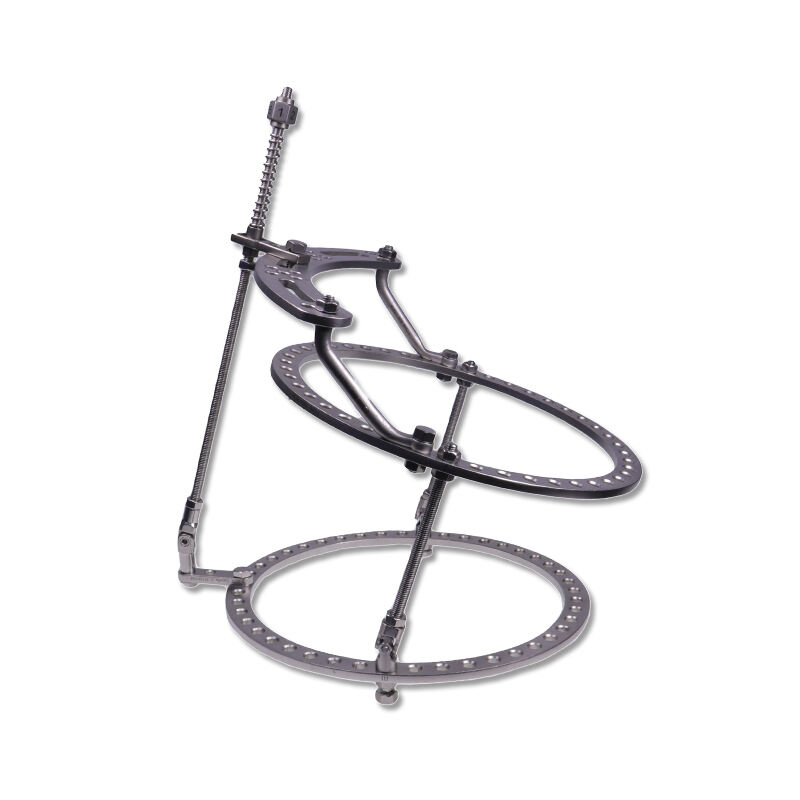
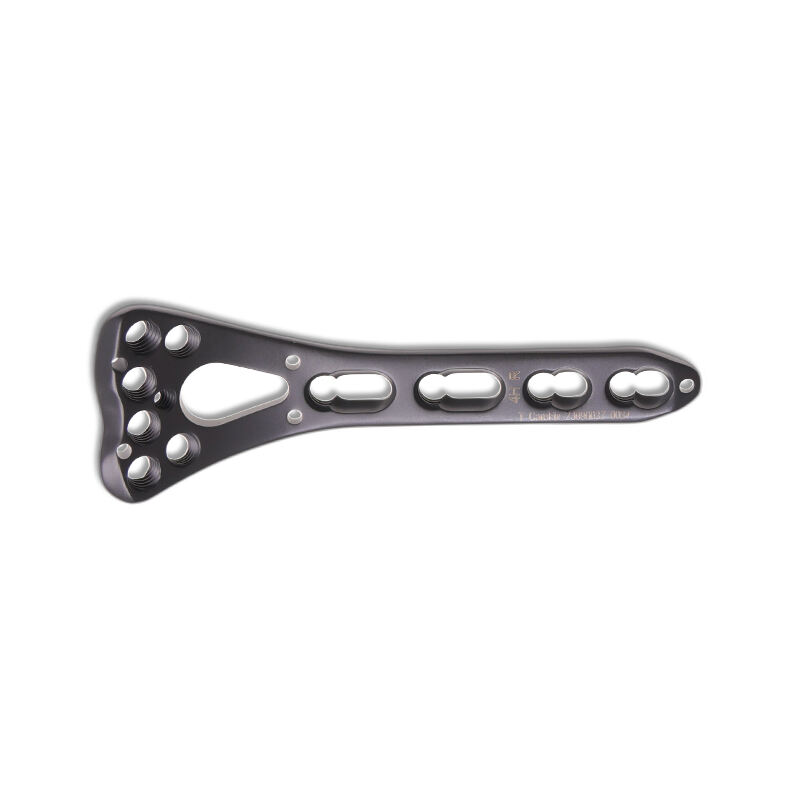
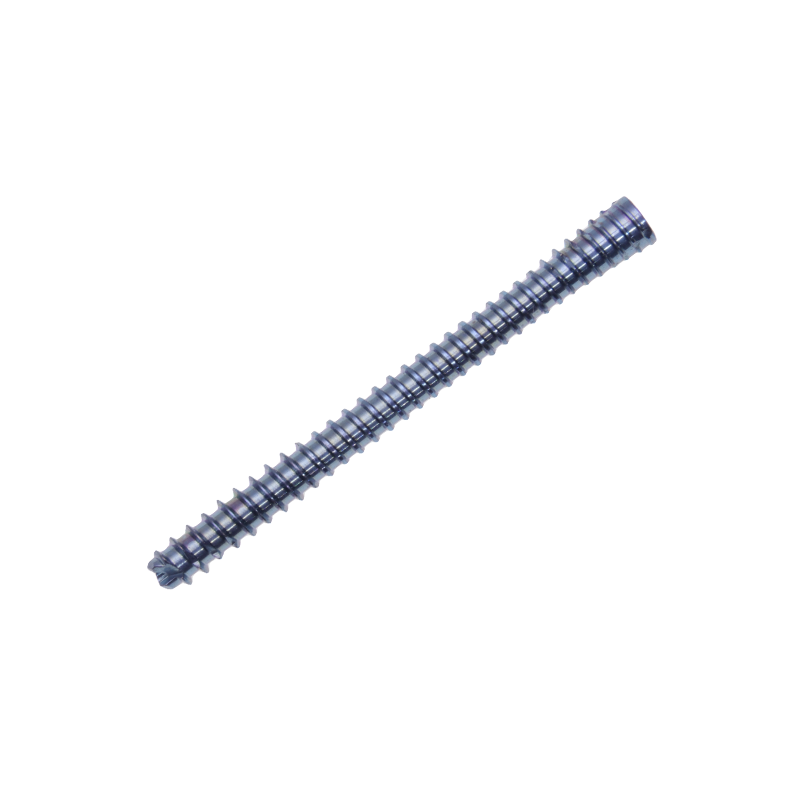
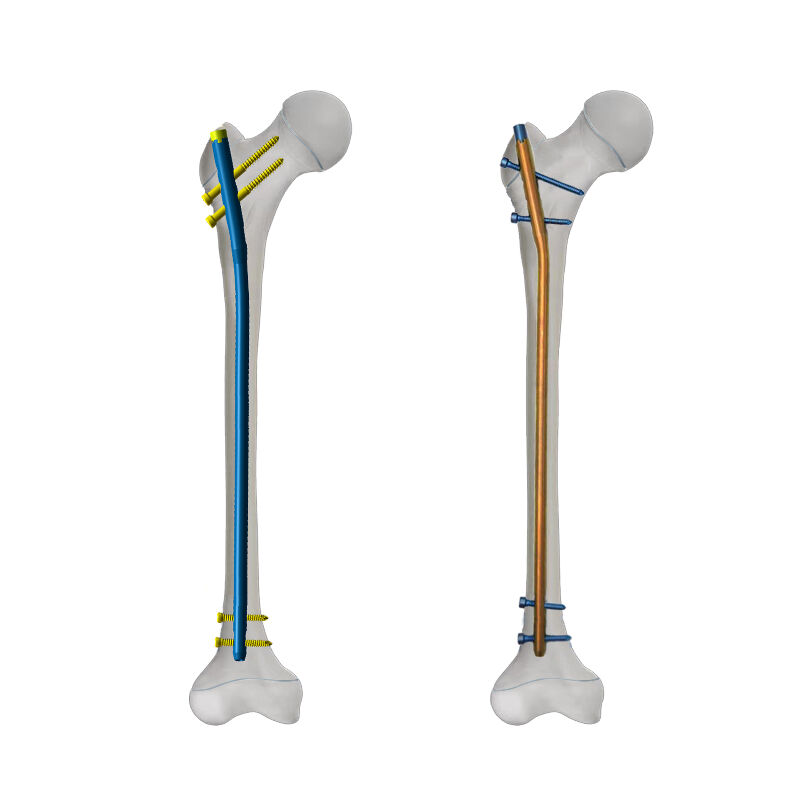
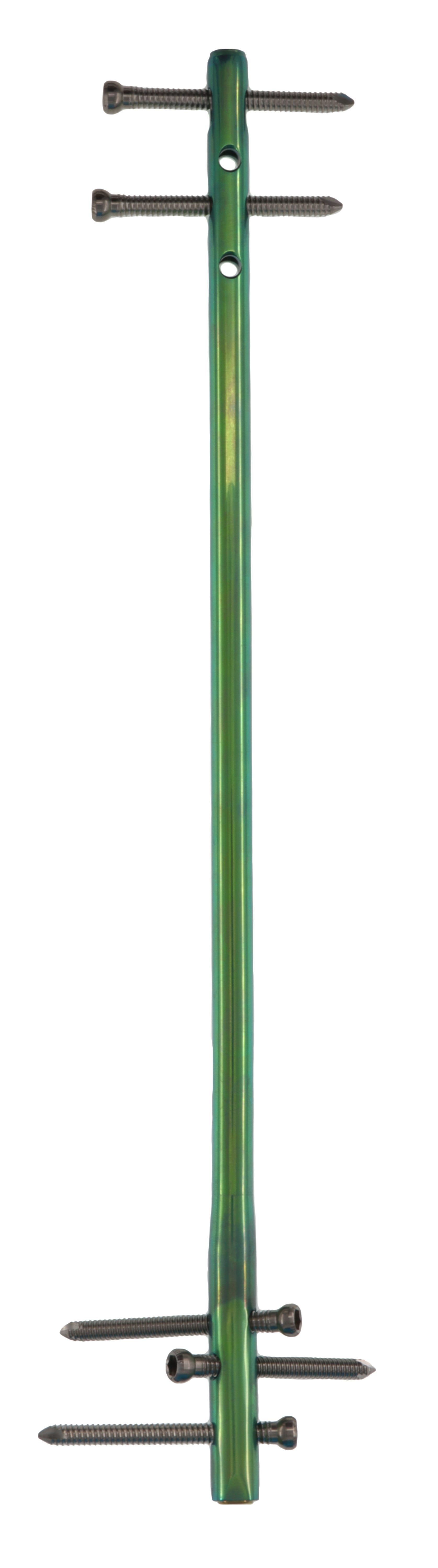
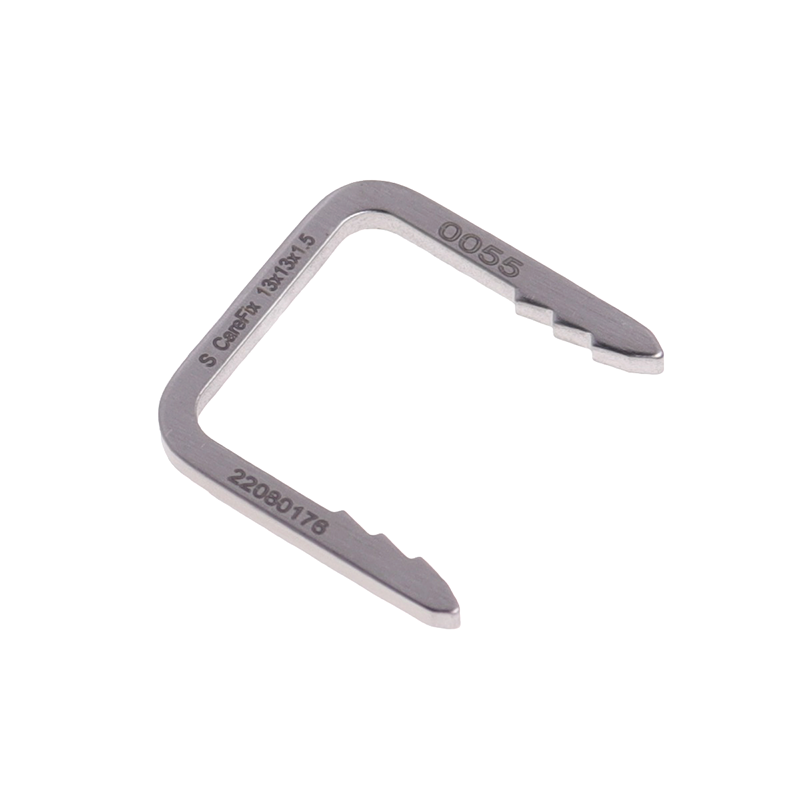
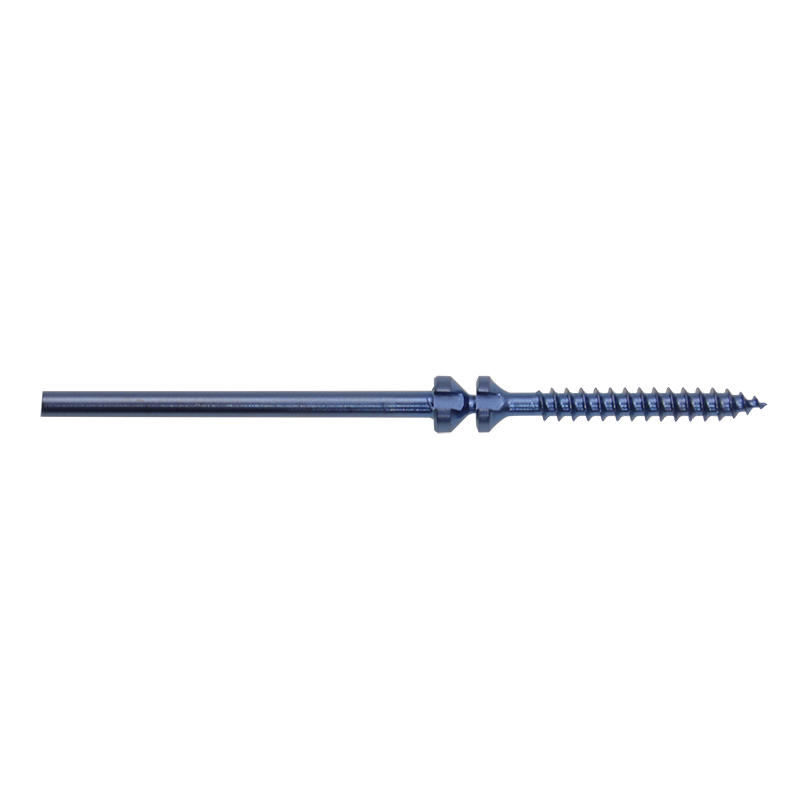
Fracture internal fixation is a surgical procedure that uses specialized metal implants to stabilize and secure broken bones from within the body, promoting optimal healing and restoration of function. This advanced orthopedic technique involves precisely positioning plates, screws, rods, pins, or wires directly onto or into the fractured bone segments to maintain proper alignment during the recovery process. The main function of fracture internal fixation is to provide rigid stability that allows bones to heal in their correct anatomical position while enabling earlier patient mobilization compared to external casting methods. Technological features include biocompatible materials such as titanium and stainless steel alloys that integrate safely with human tissue, anatomically contoured plate designs that match bone surfaces perfectly, and locking screw mechanisms that create fixed-angle constructs for enhanced stability. Modern fracture internal fixation systems incorporate minimally invasive surgical approaches that reduce soft tissue damage and accelerate recovery times. Applications span across various fracture types including complex joint fractures, comminuted breaks with multiple fragments, displaced fractures requiring precise reduction, and cases where external immobilization proves insufficient. This method is particularly valuable for fractures of the femur, tibia, humerus, radius, ulna, and bones surrounding major joints. Fracture internal fixation enables surgeons to achieve anatomical reduction and rigid fixation simultaneously, creating optimal conditions for bone union while allowing patients to begin rehabilitation exercises earlier in their recovery journey.

New Product Releases

Choosing fracture internal fixation offers significant practical benefits that directly impact patient outcomes and quality of life during recovery. The primary advantage is superior fracture stability that holds bone fragments in precise alignment throughout the healing process, eliminating the displacement risks associated with external casts alone. This stable environment accelerates bone union and reduces the likelihood of malunion or nonunion complications that could require additional corrective procedures. Patients experience enhanced mobility and comfort since fracture internal fixation often eliminates the need for bulky external casts or braces, allowing earlier weight-bearing and joint movement under medical supervision. This early mobilization prevents muscle atrophy, joint stiffness, and circulation problems commonly associated with prolonged immobilization. From an operational perspective, the procedure enables faster return to daily activities and work, reducing overall recovery time and associated economic burdens. The biocompatible materials used in modern fracture internal fixation systems minimize rejection risks and support long-term integration with natural bone tissue. Application suitability extends to patients with complex fractures, multiple trauma cases, osteoporotic bones requiring additional support, and individuals whose lifestyle or occupation demands optimal functional restoration. The decision to use fracture internal fixation becomes particularly valuable when considering that properly stabilized fractures heal with better anatomical outcomes, preserving joint function and reducing chronic pain or disability. Medical professionals can customize implant selection based on specific fracture patterns, patient anatomy, and functional requirements, ensuring personalized treatment approaches. Additionally, modern minimally invasive techniques reduce surgical trauma, minimize scarring, decrease infection risks, and shorten hospital stays, making fracture internal fixation an increasingly attractive option for appropriate candidates seeking optimal recovery outcomes.

Practical Tips

Cannulated Screw Types: Features and Benefits Explained

16

Dec

Cannulated Screw Types: Features and Benefits Explained

Orthopedic surgery has evolved significantly over the past decades, with advances in implant technology playing a crucial role in improving patient outcomes. Among these innovations, the cannulated screw stands out as a versatile and highly effective...
View More
Special Needs of Children's Bones: Design Philosophy of Pediatric Internal Fixation Systems

16

Dec

Special Needs of Children's Bones: Design Philosophy of Pediatric Internal Fixation Systems

Children's bones present unique challenges that require specialized approaches in orthopedic surgery. Unlike adult skeletal structures, pediatric bones are constantly growing, adapting, and remodeling throughout development. When fractures or deformi...
View More
Understanding Intramedullary Nail Complications

13

Jan

Understanding Intramedullary Nail Complications

Intramedullary nail complications represent a significant concern in orthopedic surgery, affecting patient outcomes and recovery timelines. These complications can arise during insertion, throughout the healing process, or during long-term implant re...
View More
Treatment of osteomyelitis and tibial pseudarthrosis: The advantages of the Ilizarov frame

06

Mar

Treatment of osteomyelitis and tibial pseudarthrosis: The advantages of the Ilizarov frame

The treatment of complex orthopedic conditions such as osteomyelitis and tibial pseudarthrosis presents significant challenges that require innovative surgical approaches. Among the most effective solutions available to orthopedic surgeons today is t...
View More

Get a Free Quote

Our representative will contact you soon.
Email
Name
Company Name
Message
0/1000

fracture internal fixation

Advanced Stability Through Rigid Fixation Technology

Advanced Stability Through Rigid Fixation Technology

Fracture internal fixation delivers unparalleled bone stability through engineered mechanical support systems that maintain precise fragment alignment throughout the critical healing period. Unlike external immobilization methods that rely on surrounding soft tissues to maintain position, internal fixation devices create direct bone-to-implant interfaces that resist displacement forces during normal physiological loading. The locking plate technology used in modern fracture internal fixation systems functions as fixed-angle constructs where screws lock into plate holes, creating a unified structure that distributes forces evenly across the fracture site. This rigid stability is particularly crucial for complex fractures involving multiple fragments or joint surfaces where even millimeter-level displacement could compromise functional outcomes. The stable mechanical environment created by fracture internal fixation promotes primary bone healing through direct cortical remodeling rather than callus formation, resulting in stronger unions and faster recovery timelines. Patients benefit from reduced pain during the healing process since stable fractures generate less motion-induced discomfort, and the risk of secondary displacement that could necessitate revision surgery decreases substantially with proper internal fixation techniques.
Enhanced Patient Mobility and Faster Rehabilitation

Enhanced Patient Mobility and Faster Rehabilitation

One of the most transformative benefits of fracture internal fixation is the ability to initiate early mobilization protocols that dramatically improve patient outcomes and satisfaction. The rigid stability provided by internal implants allows orthopedic surgeons to prescribe controlled weight-bearing and joint motion exercises much sooner than traditional casting methods would permit. This early movement prevents the cascade of complications associated with prolonged immobilization, including muscle wasting, joint contractures, deep vein thrombosis, and generalized deconditioning. Patients undergoing fracture internal fixation typically experience shorter hospital stays and faster transitions to outpatient rehabilitation programs, reducing healthcare costs and psychological stress. The absence of bulky external casts improves hygiene, allows normal skin care, and enables patients to wear regular clothing and footwear during recovery. Functional independence returns more quickly as patients regain the ability to perform activities of daily living without the restrictions imposed by external immobilization devices. For working professionals and athletes, fracture internal fixation offers the fastest pathway to returning to occupational duties and sports participation while minimizing the risk of re-injury or chronic functional limitations.
Biocompatible Materials Ensuring Long-Term Success

Biocompatible Materials Ensuring Long-Term Success

Modern fracture internal fixation systems utilize advanced biocompatible materials specifically engineered to integrate safely with human bone tissue while providing durable mechanical support throughout the healing process and beyond. Titanium and medical-grade stainless steel alloys represent the gold standard materials, offering exceptional strength-to-weight ratios, corrosion resistance, and biological inertness that minimize adverse tissue reactions. These materials undergo rigorous surface treatments and manufacturing processes that enhance osseointegration, the biological bonding between implant and bone that creates stable long-term fixation. The biocompatibility of fracture internal fixation devices reduces inflammation, minimizes infection risks, and eliminates toxic metal ion release that could compromise healing or cause systemic effects. Advanced implant designs incorporate anatomical contouring that matches natural bone shapes, reducing soft tissue irritation and improving patient comfort during the extended healing period. Many fracture internal fixation systems are designed for permanent implantation, becoming incorporated into the healed bone structure without requiring removal surgery, though removal remains an option if desired. The material properties ensure that implants maintain structural integrity under physiological loading conditions while allowing sufficient flexibility to avoid stress shielding effects that could weaken surrounding bone tissue.
logo