Clavicle Fracture Plate: Advanced Fixation Solutions

Get a Free Quote

Our representative will contact you soon.
Email
Name
Company Name
Message
0/1000

clavicle fracture plate

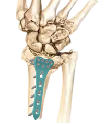
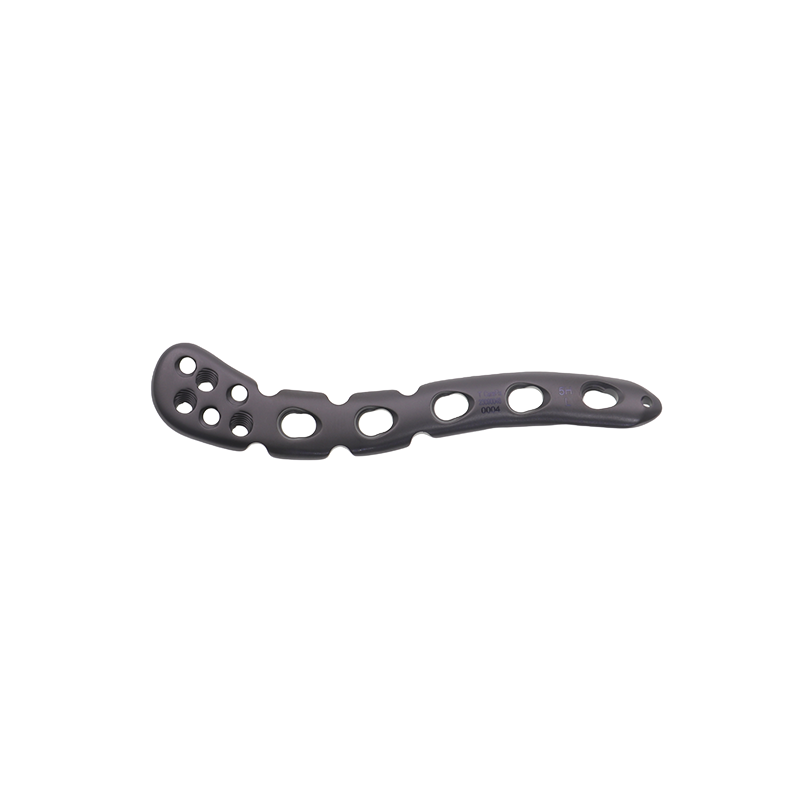
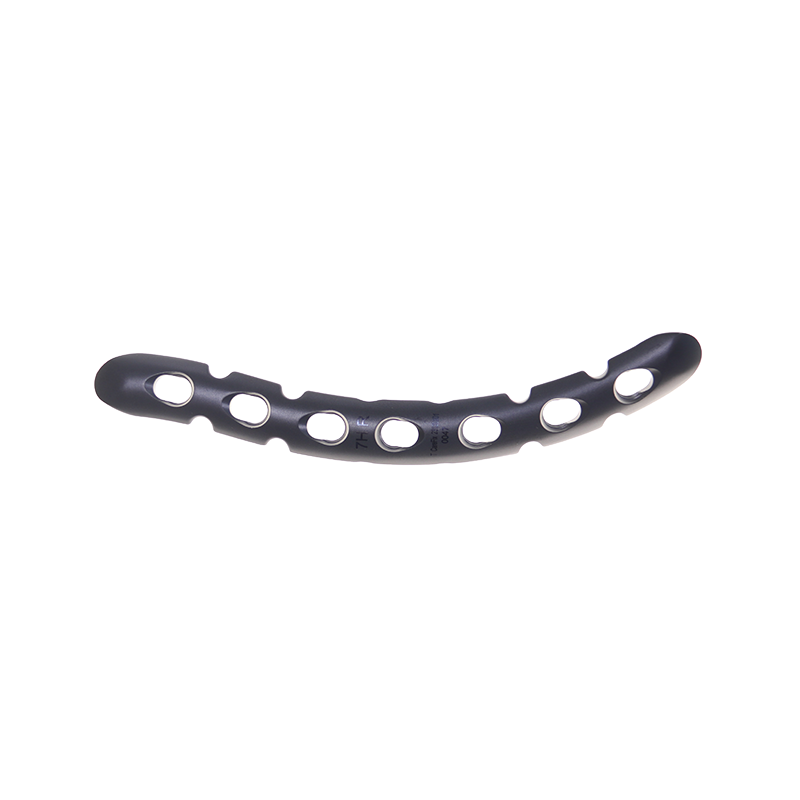
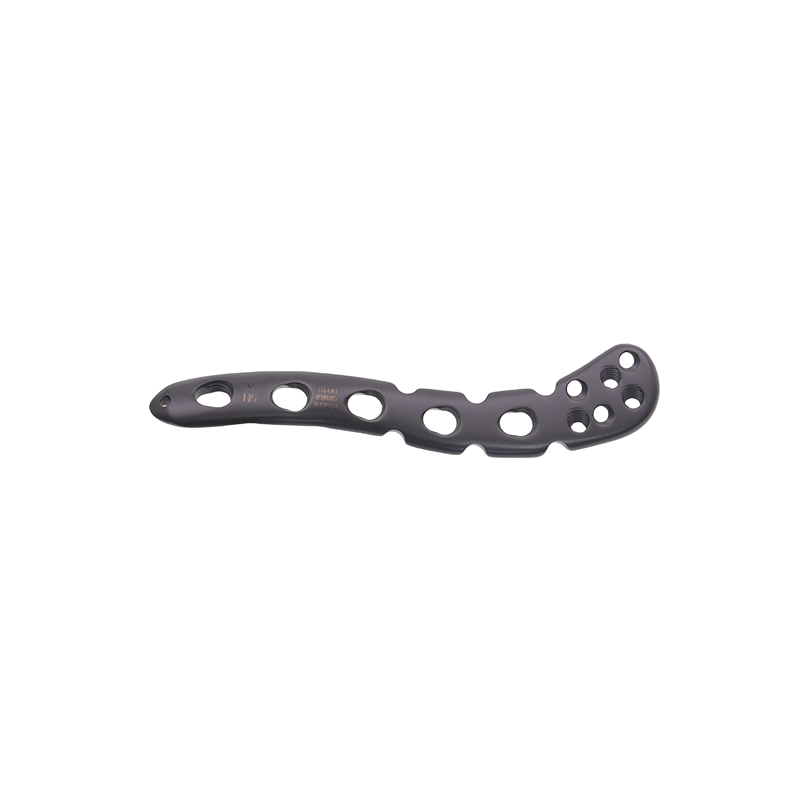
A clavicle fracture plate is a specialized orthopedic implant designed to stabilize and support broken collarbone injuries during the healing process. This medical device plays a crucial role in modern fracture management by providing rigid fixation that allows patients to regain shoulder function more quickly. The clavicle fracture plate is anatomically contoured to match the natural shape of the collarbone, ensuring optimal fit and reducing soft tissue irritation. Manufactured from biocompatible materials such as titanium or stainless steel, these plates feature multiple screw holes that enable surgeons to secure the device firmly to bone fragments. The main functions include maintaining proper bone alignment, preventing displacement during recovery, and distributing mechanical loads evenly across the fracture site. Technological features of the clavicle fracture plate include locking screw technology that creates a fixed-angle construct, low-profile designs that minimize prominence under the skin, and pre-contoured shapes that reduce operative time. These plates come in various sizes and configurations to accommodate different patient anatomies and fracture patterns. Applications extend across displaced midshaft fractures, comminuted breaks, and non-unions where conservative treatment has failed. Surgeons select the appropriate clavicle fracture plate based on fracture location, bone quality, and patient-specific factors. The device facilitates early mobilization and physical therapy, contributing to improved functional outcomes and patient satisfaction. Modern manufacturing techniques ensure consistent quality and precise dimensional accuracy, making the clavicle fracture plate an indispensable tool in contemporary orthopedic surgery.

Popular Products

Choosing a clavicle fracture plate offers significant practical benefits that directly impact recovery outcomes and quality of life. The primary advantage lies in superior fracture stability compared to non-surgical treatments, which translates to faster healing times and reduced risk of complications. Patients experience less pain during recovery because the clavicle fracture plate prevents bone fragments from moving and irritating surrounding tissues. This stability enables earlier return to daily activities and work, minimizing the economic impact of injury. The anatomical design reduces surgical complexity, allowing for shorter operation times and decreased anesthesia exposure. Buyers benefit from proven clinical results backed by extensive research demonstrating higher union rates and lower malunion incidence. The clavicle fracture plate provides consistent mechanical support throughout the critical healing period, eliminating concerns about sling fatigue or compliance issues associated with conservative management. Operational benefits include straightforward instrumentation that facilitates efficient surgical workflows and reduces operating room costs. The low-profile construction means patients experience greater comfort in daily wear of clothing and backpacks without irritation. Application suitability spans diverse patient populations from active athletes requiring rapid return to sport to elderly individuals needing reliable fixation despite osteoporotic bone. The clavicle fracture plate accommodates complex fracture patterns including comminution and segmental defects that would be difficult to manage otherwise. Decision-useful context includes compatibility with standard surgical approaches and the option for minimally invasive techniques in select cases. Material biocompatibility ensures excellent tissue tolerance with minimal inflammatory response. Long-term outcomes show restored shoulder mechanics and symmetry, addressing both functional and cosmetic patient concerns. The device requires no adjustment or maintenance during healing, providing peace of mind for patients and caregivers. Cost-effectiveness becomes apparent when considering reduced rehabilitation duration and faster productivity restoration compared to prolonged conservative treatment failures.

Latest News

How to choose the appropriate size and thread of hollow screws?

11

Feb

How to choose the appropriate size and thread of hollow screws?

Selecting the right hollow screws for orthopedic procedures requires careful consideration of multiple factors that directly impact surgical outcomes and patient recovery. These specialized medical devices serve critical functions in bone fixation, t...
View More
Finite Element Optimization Design and Biomechanical Validation of Personalized IM Nails

11

Feb

Finite Element Optimization Design and Biomechanical Validation of Personalized IM Nails

The evolution of orthopedic trauma surgery has reached a pivotal moment with the emergence of personalized IM nails that revolutionize fracture treatment approaches. Advanced computational modeling and finite element analysis have enabled surgeons to...
View More
Ankle internal fixation system: Advantages of ankle locking plate in the treatment of complex fractures

06

Mar

Ankle internal fixation system: Advantages of ankle locking plate in the treatment of complex fractures

Complex ankle fractures represent one of the most challenging orthopedic injuries, requiring precise surgical intervention and advanced fixation techniques to restore optimal function and stability. The ankle locking plate has emerged as a revolution...
View More
Distal radial volar locking plate: refined design enhances the success rate of fracture fixation

06

Mar

Distal radial volar locking plate: refined design enhances the success rate of fracture fixation

The treatment of distal radius fractures has undergone significant evolution in recent decades, with the distal radial volar locking plate emerging as a cornerstone technology in modern orthopedic practice. These innovative implants represent a parad...
View More

Get a Free Quote

Our representative will contact you soon.
Email
Name
Company Name
Message
0/1000

clavicle fracture plate

Anatomically Contoured Design for Optimal Fit

Anatomically Contoured Design for Optimal Fit

The clavicle fracture plate features an anatomically contoured design that precisely matches the natural curvature and dimensions of the human collarbone. This engineering excellence ensures the implant sits flush against the bone surface, minimizing the gap between plate and bone that could compromise stability or healing. The pre-contoured shape eliminates the need for extensive intraoperative bending, which can weaken the implant and prolong surgery time. Surgeons appreciate how this design consideration reduces technical difficulty and improves placement accuracy, particularly in challenging fracture configurations. For patients, the anatomical contouring translates to reduced soft tissue prominence and decreased likelihood of hardware irritation that might require removal. The shape accommodates the clavicle's unique S-curve geometry, distributing compressive and tensile forces appropriately across the fracture site. This biomechanical advantage promotes uniform callus formation and reduces stress concentration points that could lead to implant failure. Multiple size options ensure appropriate fit across diverse patient populations, from petite individuals to large-framed athletes. The design versatility of the clavicle fracture plate makes it suitable for various fracture locations including midshaft, lateral, and medial injuries, providing comprehensive treatment solutions within a single product family.
Locking Screw Technology for Enhanced Stability

Locking Screw Technology for Enhanced Stability

Advanced locking screw technology represents a cornerstone feature of modern clavicle fracture plate systems, delivering superior mechanical stability compared to conventional compression plates. The locking mechanism creates a fixed-angle relationship between screws and the plate, transforming the construct into a single unified structure rather than relying solely on friction between plate and bone. This innovation proves particularly valuable in osteoporotic bone where traditional screw purchase may be compromised, as the locked construct distributes loads across all screw-bone interfaces rather than depending on individual screw strength. Patients with poor bone quality achieve fixation security comparable to those with healthy bone, expanding treatment eligibility and reducing age-related contraindications. The clavicle fracture plate with locking technology resists toggle and loosening even under physiological loading during the healing phase. Surgeons gain flexibility in screw placement angles within certain ranges, accommodating anatomical variations and avoiding critical structures. The locked construct maintains reduction without requiring excessive compression that could compromise periosteal blood supply essential for fracture healing. Clinical evidence demonstrates reduced hardware failure rates and improved union outcomes when locking technology is employed in clavicle fracture plate fixation, providing measurable value that justifies investment in quality implant systems.
Biocompatible Materials for Safe Long-Term Implantation

Biocompatible Materials for Safe Long-Term Implantation

The clavicle fracture plate is manufactured from premium biocompatible materials, typically medical-grade titanium alloy or stainless steel, selected specifically for their excellent safety profiles and mechanical properties. Titanium offers an exceptional strength-to-weight ratio, creating a robust yet lightweight implant that patients rarely notice during normal activities. The material's inherent corrosion resistance ensures the clavicle fracture plate maintains structural integrity throughout the healing process and beyond, without releasing harmful byproducts into surrounding tissues. Biocompatibility means minimal inflammatory response, reducing post-operative swelling and discomfort while promoting favorable wound healing conditions. For patients requiring future medical imaging, titanium plates produce minimal artifact on MRI scans compared to other metals, preserving diagnostic quality for unrelated conditions. The material's modulus of elasticity more closely approximates bone compared to stainless steel alternatives, reducing stress shielding effects that could lead to bone resorption beneath the plate. Surface treatments applied to the clavicle fracture plate enhance tissue integration and reduce bacterial adhesion risk, contributing to lower infection rates. Osseointegration at the bone-implant interface improves long-term stability even as initial fracture remodeling progresses. These material advantages collectively ensure the clavicle fracture plate performs reliably across extended implantation periods, whether removed electively after healing or retained permanently without adverse consequences.
logo