Locking T Plate: Advanced Fracture Fixation

Get a Free Quote

Our representative will contact you soon.
Email
Name
Company Name
Message
0/1000

locking t plate

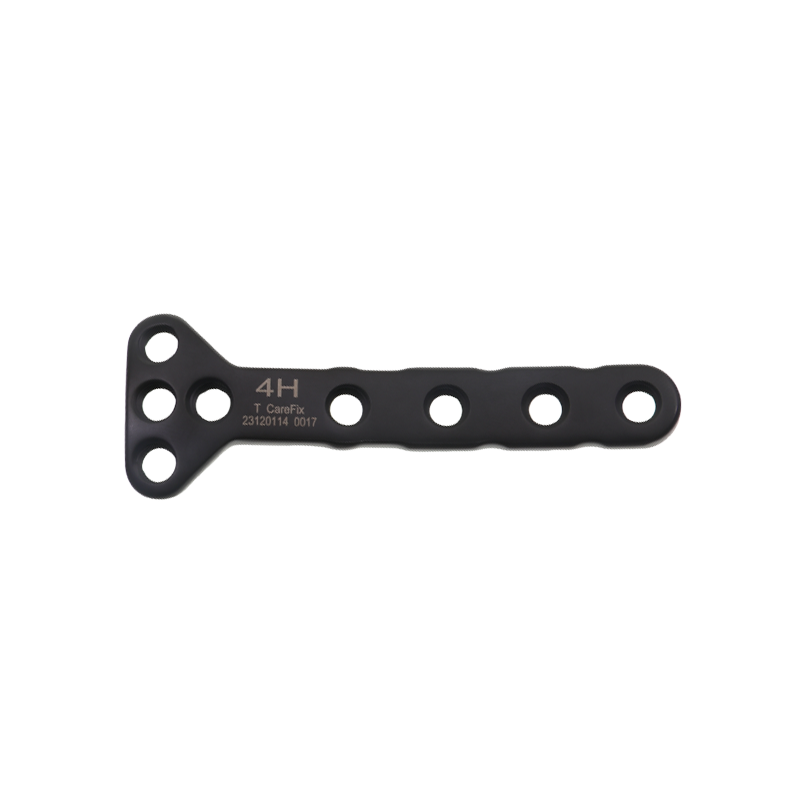
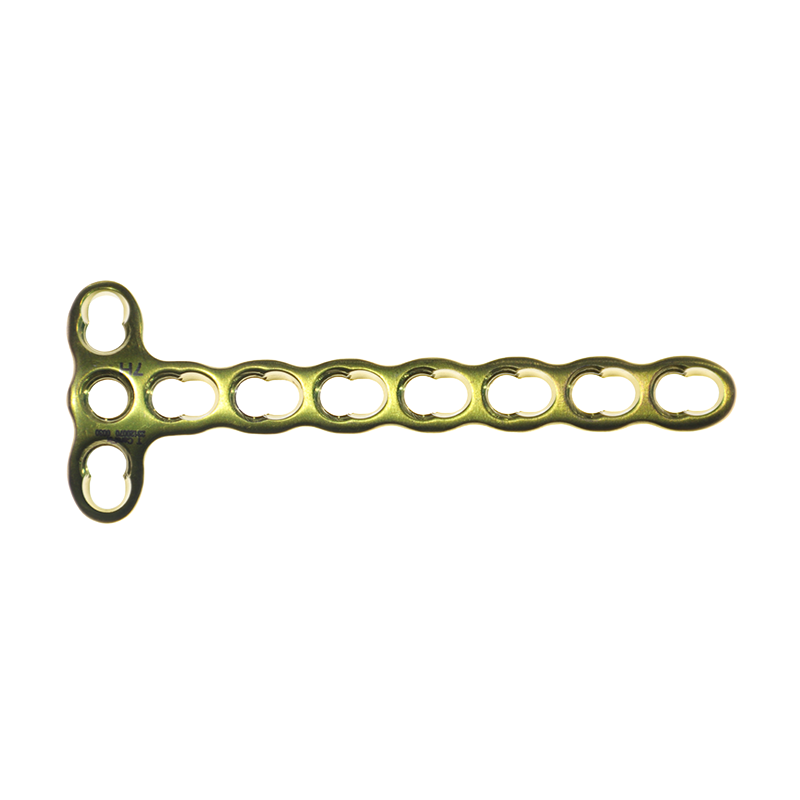
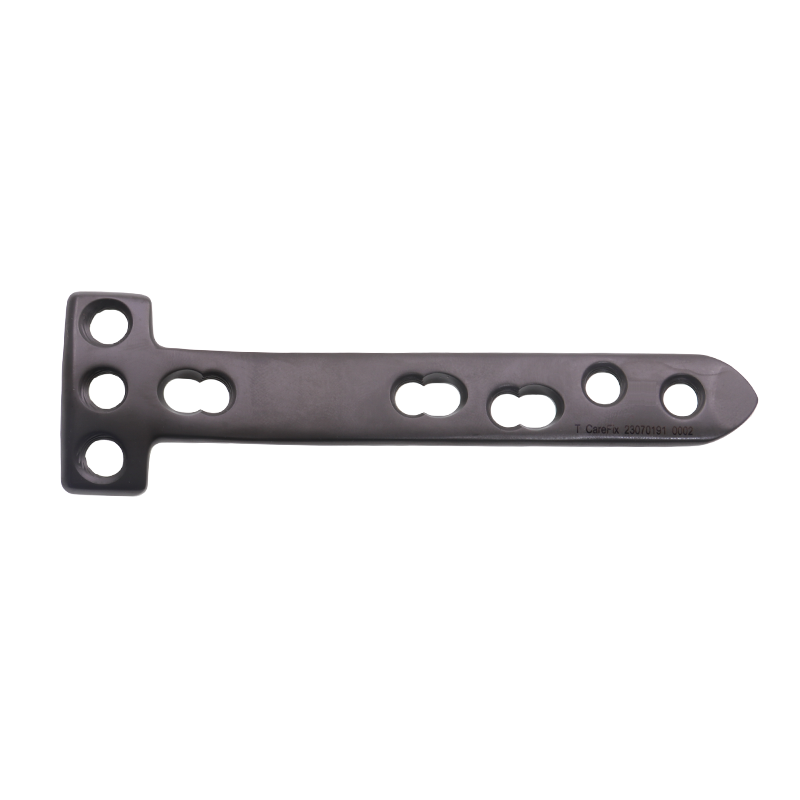
The locking t plate is an advanced orthopedic implant designed for fracture fixation and bone reconstruction procedures. This specialized medical device features a distinctive T-shaped configuration that combines angular stability with precise anatomical contouring capabilities. The locking t plate utilizes threaded screw holes that create a fixed-angle construct between the screws and the plate, establishing an internal fixator system that provides superior biomechanical stability. This innovative design eliminates the reliance on friction between the plate and bone, distributing forces more evenly across the fracture site. The locking t plate is manufactured from biocompatible materials such as titanium alloy or stainless steel, ensuring long-term compatibility within the human body. Its technological features include multiple screw trajectory options, low-profile design to minimize soft tissue irritation, and anatomically pre-contoured shapes for various skeletal locations. Primary applications encompass periarticular fractures, osteoporotic bone treatment, complex fracture patterns in the distal radius, proximal humerus, and tibial plateau regions. The locking mechanism prevents screw loosening and maintains reduction stability throughout the healing process. Surgeons utilize the locking t plate for both simple and complex fracture patterns where conventional plating may prove insufficient. The device serves pediatric and adult populations, offering versatility across different patient demographics and bone quality conditions, making it an essential tool in modern trauma and reconstructive orthopedic surgery.

New Product Recommendations

Choosing the locking t plate delivers significant practical benefits that directly impact patient outcomes and surgical success rates. The primary advantage lies in its angular stability feature, which maintains fracture reduction without compressing the plate against bone tissue. This characteristic proves especially valuable when treating patients with compromised bone quality, including osteoporotic conditions where traditional screws might pull out or loosen over time. The locking t plate creates a mechanically stable construct that functions as an internal scaffold, supporting the bone while natural healing progresses. Surgeons appreciate the operational benefits of simplified surgical technique, as the locking mechanism requires less precise plate positioning compared to conventional compression plates. This flexibility reduces operative time and minimizes periosteal stripping, preserving blood supply to the fracture zone and promoting faster recovery. The T-shaped design offers exceptional versatility for metaphyseal and epiphyseal fractures where bone geometry becomes irregular. Patients benefit from reduced postoperative pain due to the low-profile construction that minimizes soft tissue irritation and improves comfort during rehabilitation. The locking t plate demonstrates superior performance in bridging comminuted fracture zones without collapsing fragment alignment. Clinical studies show decreased rates of hardware failure and secondary displacement when using locking technology versus traditional plating methods. The device accommodates minimally invasive surgical approaches, reducing scarring and infection risks while accelerating return to function. Decision-makers selecting the locking t plate gain access to a proven solution backed by extensive clinical evidence, offering predictable results across diverse fracture patterns and patient populations, ultimately improving care quality while maintaining cost-effectiveness through reduced complication rates and revision surgeries.

Tips And Tricks

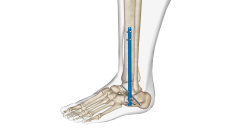
Application analysis of intramedullary nail system in ankle joint fusion

16

Dec

Application analysis of intramedullary nail system in ankle joint fusion

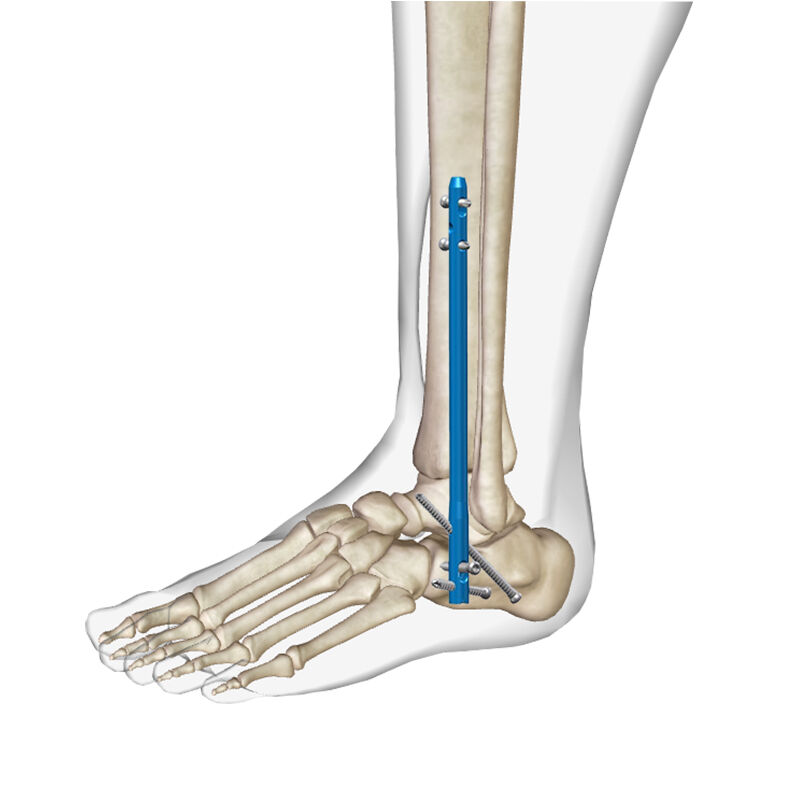
The evolution of orthopedic surgical techniques has brought significant advancements in treating complex ankle pathologies, particularly through the implementation of modern fixation systems. An intramedullary nail system represents a revolutionary a...
View More
Finite Element Optimization Design and Biomechanical Validation of Personalized IM Nails

11

Feb

Finite Element Optimization Design and Biomechanical Validation of Personalized IM Nails

The evolution of orthopedic trauma surgery has reached a pivotal moment with the emergence of personalized IM nails that revolutionize fracture treatment approaches. Advanced computational modeling and finite element analysis have enabled surgeons to...
View More
Distal radial volar locking plate: refined design enhances the success rate of fracture fixation

06

Mar

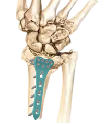
Distal radial volar locking plate: refined design enhances the success rate of fracture fixation

The treatment of distal radius fractures has undergone significant evolution in recent decades, with the distal radial volar locking plate emerging as a cornerstone technology in modern orthopedic practice. These innovative implants represent a parad...
View More
Taylor brace: a new choice for minimally invasive treatment of complex fracture repair

15

Apr

Taylor brace: a new choice for minimally invasive treatment of complex fracture repair

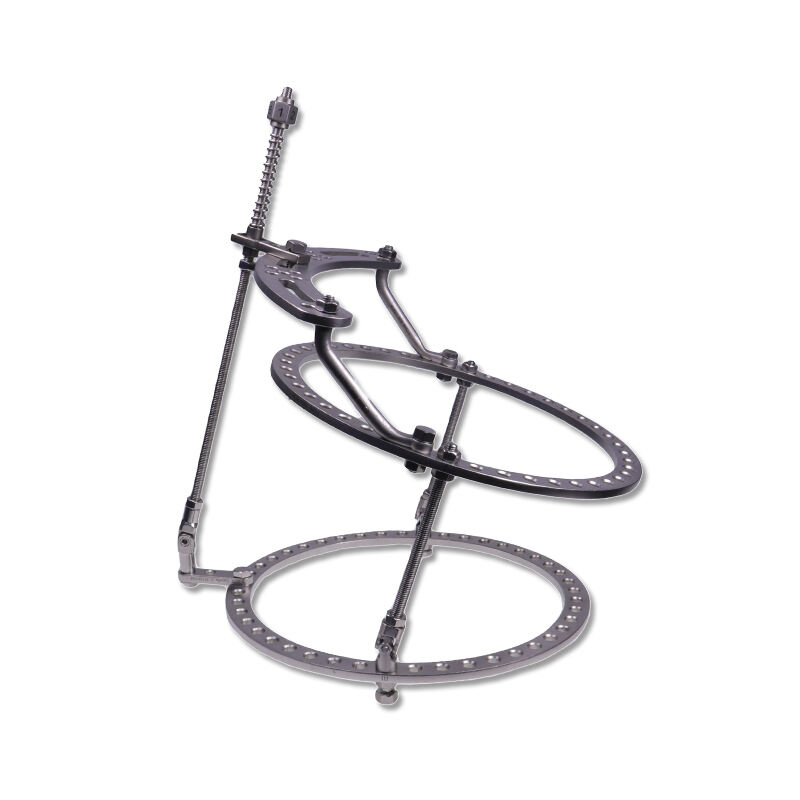
The Taylor brace represents a significant advancement in orthopedic external fixation technology, offering surgeons and patients a minimally invasive solution for complex fracture repair scenarios. This innovative Taylor brace system combines precisi...
View More

Get a Free Quote

Our representative will contact you soon.
Email
Name
Company Name
Message
0/1000

locking t plate

Advanced Angular Stability Technology

Advanced Angular Stability Technology

The locking t plate incorporates cutting-edge angular stability technology that fundamentally transforms fracture fixation mechanics. Unlike conventional plates that depend on friction between the plate and bone surface, the locking t plate creates a fixed-angle relationship between screws and plate through threaded screw holes. This engineering innovation produces a unified construct where screws lock into the plate itself, forming an internal fixator that maintains fragment position independent of bone contact pressure. The technology proves particularly advantageous in osteoporotic bone where screw purchase is compromised, as the locking mechanism distributes loads across the entire construct rather than concentrating stress at individual screw-bone interfaces. Surgeons can achieve stable fixation without excessive soft tissue dissection or periosteal stripping, preserving the biological environment essential for bone healing. This feature enables bridging plate techniques for comminuted fractures, maintaining length and alignment while allowing indirect reduction methods. The angular stability design accommodates polyaxial screw insertion in select systems, providing flexibility to avoid neurovascular structures or optimize screw trajectory based on intraoperative findings, delivering both mechanical superiority and surgical adaptability that enhances patient safety and outcome predictability.
Anatomically Optimized T-Configuration

Anatomically Optimized T-Configuration

The distinctive T-shaped geometry of the locking t plate addresses specific anatomical challenges encountered in periarticular fracture management. The perpendicular arm of the T-configuration extends into metaphyseal or epiphyseal regions where bone widens and joint surfaces require precise reduction and support. This design element allows surgeons to position multiple screws in different planes, capturing small fragments near articular surfaces that conventional straight plates cannot adequately stabilize. The locking t plate shaft provides diaphyseal fixation while the perpendicular segment targets the complex bone architecture surrounding joints. Manufacturers contour these plates to match specific anatomical locations, including distal radius, proximal humerus, and tibial plateau configurations, reducing intraoperative bending requirements and surgical time. The pre-contoured profiles ensure optimal plate-bone contact distribution without creating stress concentration points that might cause implant failure or bone resorption. The T-shaped design also facilitates fragment-specific fixation strategies where individual bone pieces receive dedicated screw support, particularly valuable in highly comminuted injury patterns. This anatomical optimization translates to improved reduction quality, enhanced stability, and better functional outcomes as joint congruity is restored and maintained throughout healing.
Versatile Clinical Application Spectrum

Versatile Clinical Application Spectrum

The locking t plate demonstrates remarkable versatility across a broad spectrum of clinical scenarios, making it a valuable asset in orthopedic surgical practices. This device effectively manages simple two-part fractures through complex multi-fragmentary patterns, adapting to varying injury severity levels. The locking t plate performs exceptionally in challenging cases involving poor bone quality, whether from osteoporosis, metabolic bone disease, or age-related changes that compromise conventional fixation methods. Pediatric applications benefit from the stable fixation that accommodates growth plate proximity without causing premature closure when properly positioned. The device supports both open reduction internal fixation approaches and minimally invasive percutaneous techniques, offering surgeons procedural flexibility based on fracture characteristics and soft tissue conditions. Revision surgery scenarios where prior hardware has failed find renewed success with the locking t plate, as its angular stability compensates for compromised bone stock. The plate accommodates immediate postoperative mobilization protocols in appropriate cases, enabling earlier rehabilitation and reducing stiffness complications. Geographic and demographic versatility extends its utility across diverse patient populations and healthcare settings, from advanced trauma centers to community hospitals, ensuring consistent fracture management capabilities regardless of facility resources while maintaining high standards of care delivery.
logo