Distal Radius LCP: Advanced Fracture Solutions

Get a Free Quote

Our representative will contact you soon.
Email
Name
Company Name
Message
0/1000

distal radius lcp

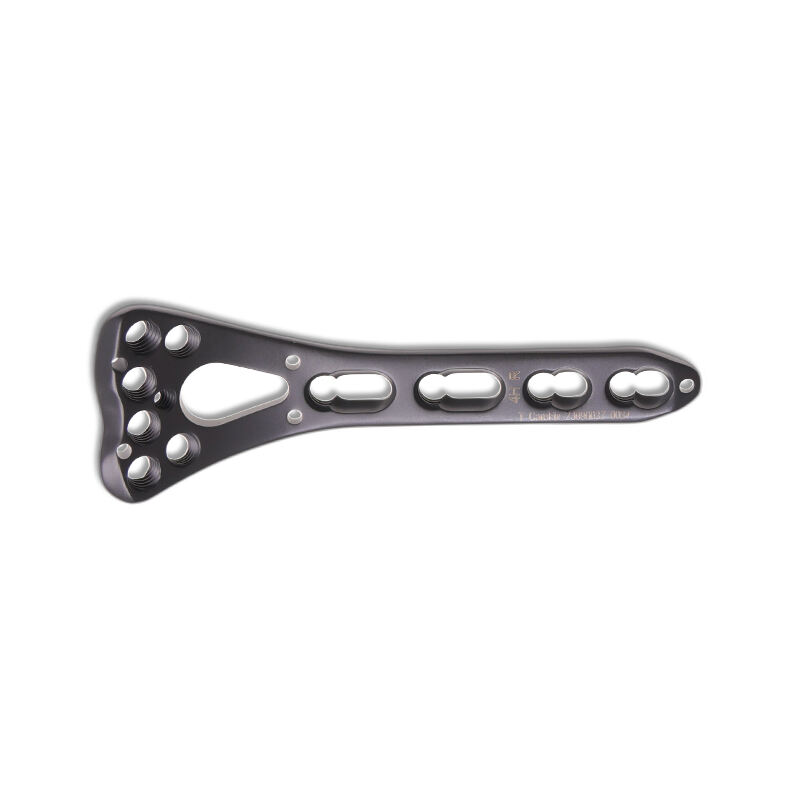
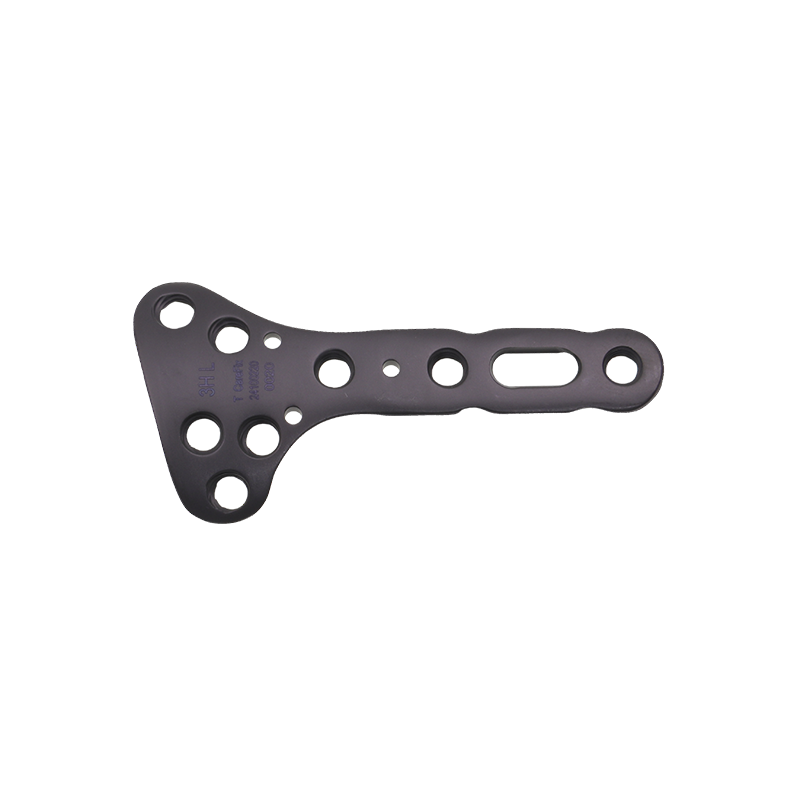
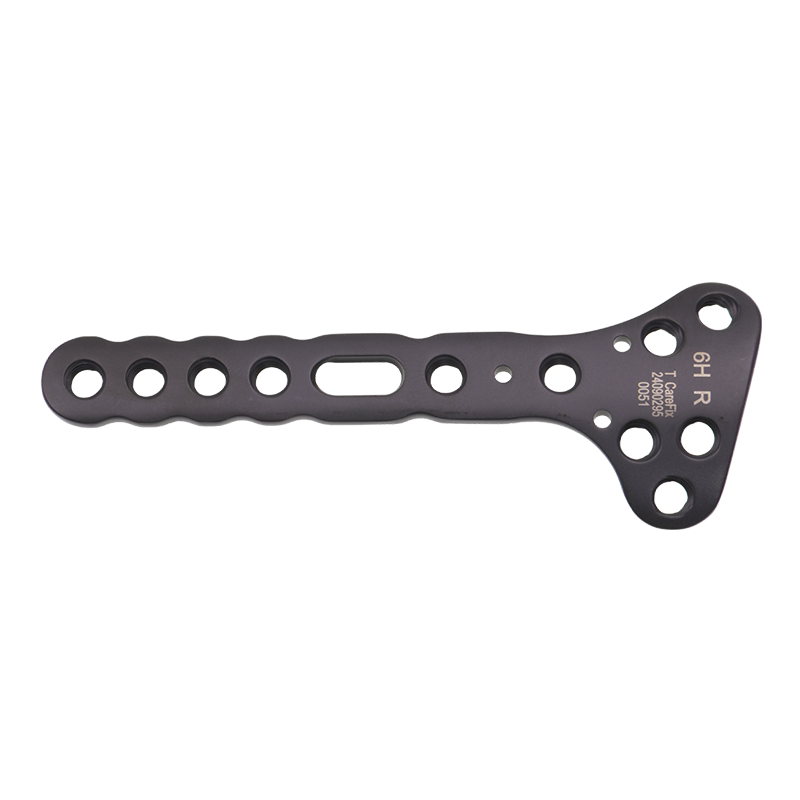
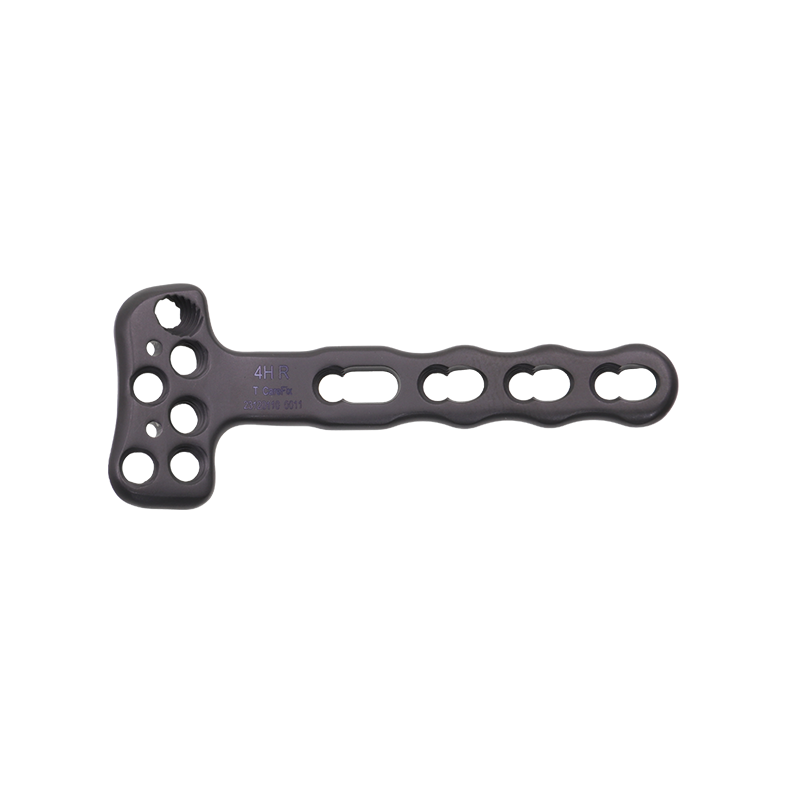
The distal radius lcp represents a revolutionary advancement in fracture fixation technology, specifically designed to address complex wrist fractures with precision and reliability. This locking compression plate system combines anatomical contouring with innovative engineering to provide surgeons with a versatile solution for distal radius fractures. The distal radius lcp features a low-profile design that minimizes soft tissue irritation while maximizing bone-plate contact, ensuring optimal healing conditions. Its primary functions include stable fracture fixation, angular stability through locking screw technology, and preservation of bone biology. The technological features incorporate variable angle locking capabilities, allowing surgeons to adjust screw trajectories based on individual patient anatomy and fracture patterns. This distal radius lcp system utilizes premium medical-grade titanium or stainless steel construction, ensuring biocompatibility and long-term durability. The plate's anatomical design mirrors the natural contours of the distal radius, facilitating easier placement and reducing surgical time. Applications span across various fracture types including intra-articular fractures, extra-articular fractures, comminuted fractures, and osteoporotic bone conditions. The distal radius lcp proves particularly effective in cases requiring immediate stability and early mobilization. Its versatility extends to both dorsal and volar approaches, accommodating different surgical preferences and fracture configurations. The system includes comprehensive instrumentation and multiple plate size options, ensuring compatibility with diverse patient populations from pediatric to geriatric cases.

Popular Products

Choosing the distal radius lcp delivers substantial practical benefits that directly impact patient outcomes and surgical efficiency. The primary advantage lies in its ability to provide immediate rigid fixation without compromising bone vascularity, which accelerates healing times and reduces complications. For healthcare facilities, this translates to shorter hospital stays and decreased reoperation rates, generating significant cost savings. Patients experience faster recovery with earlier return to daily activities, typically regaining wrist function within weeks rather than months. The distal radius lcp operational benefits include streamlined surgical procedures with reduced operative time, thanks to intuitive instrumentation and clear anatomical landmarks. Surgeons appreciate the system's forgiving nature, as variable angle locking accommodates suboptimal screw placement while maintaining construct stability. This feature proves invaluable when dealing with compromised bone quality or complex fracture patterns. Application suitability extends across multiple scenarios, from high-energy trauma in younger patients to low-energy fragility fractures in elderly populations. The distal radius lcp handles metaphyseal comminution effectively, providing scaffolding support that traditional plates cannot match. From a decision-making perspective, the system offers proven clinical outcomes backed by extensive research and worldwide adoption. The biocompatible materials minimize allergic reactions and tissue responses, while the low-profile design reduces the need for hardware removal procedures. Investment in the distal radius lcp represents a commitment to quality patient care, combining cutting-edge technology with practical usability. The comprehensive plate portfolio ensures that surgeons can address virtually any distal radius fracture configuration with a single system, simplifying inventory management and staff training requirements while maintaining surgical excellence.

Tips And Tricks

Cannulated Screw Types: Features and Benefits Explained

16

Dec

Cannulated Screw Types: Features and Benefits Explained

Orthopedic surgery has evolved significantly over the past decades, with advances in implant technology playing a crucial role in improving patient outcomes. Among these innovations, the cannulated screw stands out as a versatile and highly effective...
View More
No need for secondary surgery: How does the self-lengthening intramedullary nail synchronize with bone development?

11

Feb

No need for secondary surgery: How does the self-lengthening intramedullary nail synchronize with bone development?

The evolution of pediatric orthopedic surgery has witnessed remarkable advancements in recent decades, with the telescopic intramedullary nail emerging as a groundbreaking solution for treating femoral shaft fractures in growing children. This innova...
View More
Cannulated screw system: Technological advancements in the treatment of ankle fractures

06

Mar

Cannulated screw system: Technological advancements in the treatment of ankle fractures

Ankle fractures represent one of the most challenging orthopedic injuries requiring precise surgical intervention and advanced fixation methods. The evolution of fracture treatment has been significantly enhanced by the introduction of modern cannula...
View More
Treatment of osteomyelitis and tibial pseudarthrosis: The advantages of the Ilizarov frame

06

Mar

Treatment of osteomyelitis and tibial pseudarthrosis: The advantages of the Ilizarov frame

The treatment of complex orthopedic conditions such as osteomyelitis and tibial pseudarthrosis presents significant challenges that require innovative surgical approaches. Among the most effective solutions available to orthopedic surgeons today is t...
View More

Get a Free Quote

Our representative will contact you soon.
Email
Name
Company Name
Message
0/1000

distal radius lcp

Advanced Locking Mechanism Technology

Advanced Locking Mechanism Technology

The distal radius lcp incorporates state-of-the-art locking screw technology that revolutionizes fracture stability and healing outcomes. Unlike conventional plates that rely solely on friction between plate and bone, this system creates a fixed-angle construct where screws lock into the plate itself, forming a unified structure. This mechanism distributes forces evenly across the entire construct rather than concentrating stress at individual screw sites, significantly reducing the risk of screw loosening or pullout, especially in osteoporotic bone. The variable angle locking feature allows surgeons to adjust screw trajectories within a fifteen-degree cone, enabling precise targeting of bone fragments while avoiding vital structures. This flexibility proves essential when managing comminuted fractures where fragment positioning varies significantly. The locking technology eliminates the need for precise plate-to-bone compression, preserving periosteal blood supply and promoting faster biological healing. Surgeons can confidently rely on this distal radius lcp system to maintain reduction throughout the healing process, even in challenging cases involving poor bone quality or complex fracture patterns requiring immediate post-operative mobilization protocols.
Anatomically Contoured Design Excellence

Anatomically Contoured Design Excellence

The distal radius lcp features meticulously engineered anatomical contouring that replicates the natural three-dimensional shape of the distal radius bone structure. This precision design eliminates the need for intraoperative bending, reducing surgical time and maintaining optimal plate strength characteristics. The low-profile configuration sits flush against bone surfaces, minimizing tendon irritation and soft tissue complications that commonly plague traditional plating systems. Each plate undergoes rigorous biomechanical testing to ensure consistent performance across diverse patient anatomies. The distal radius lcp provides strategically positioned screw holes that target subchondral bone in the distal fragment, maximizing purchase in the critical metaphyseal region where fractures typically occur. The smooth, rounded edges and beveled plate borders prevent soft tissue impingement while facilitating easier surgical exposure and closure. Surgeons benefit from clear visual landmarks etched into the plate surface, ensuring accurate positioning relative to anatomical structures. This thoughtful design consideration extends to the plate's thickness profile, which balances strength requirements against the need for minimal soft tissue disruption, resulting in improved patient comfort and reduced hardware-related complaints during recovery.
Comprehensive Surgical Versatility

Comprehensive Surgical Versatility

The distal radius lcp system delivers unmatched versatility through its extensive range of plate configurations, sizes, and complementary instruments designed for diverse surgical scenarios. The platform accommodates both volar and dorsal approaches, allowing surgeons to select the optimal surgical strategy based on fracture morphology and soft tissue conditions. Multiple plate length options enable customization for different patient sizes and fracture extension patterns, from compact distal fractures to those extending into the diaphysis. The distal radius lcp works seamlessly with fragment-specific fixation techniques, incorporating specialized screw options including locking, non-locking, and variable angle screws within the same construct. This modularity permits surgeons to address individual fragment displacement patterns with targeted fixation strategies. The intuitive instrumentation includes precision drill guides, depth gauges, and insertion tools that simplify surgical execution while maintaining accuracy. Training requirements remain minimal due to the system's logical workflow and color-coded instruments that prevent procedural errors. Whether managing simple extra-articular fractures or complex intra-articular patterns with multiple fragments, the distal radius lcp provides comprehensive solutions that adapt to virtually any clinical presentation encountered in wrist trauma surgery.
logo