Biological Fixation Preserving Bone Vascularity
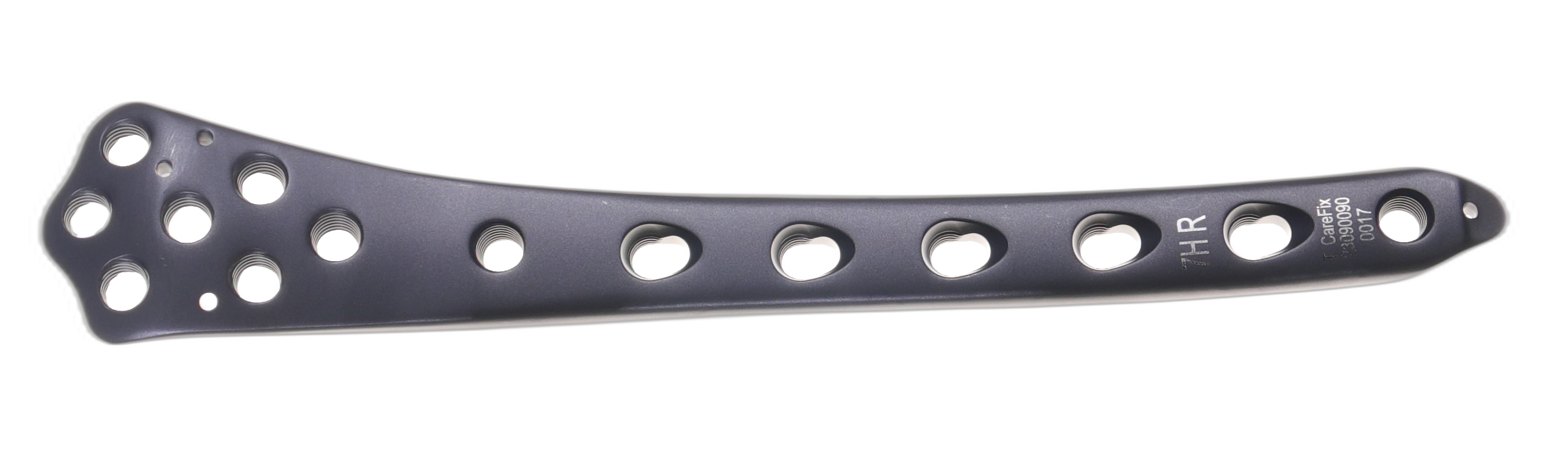
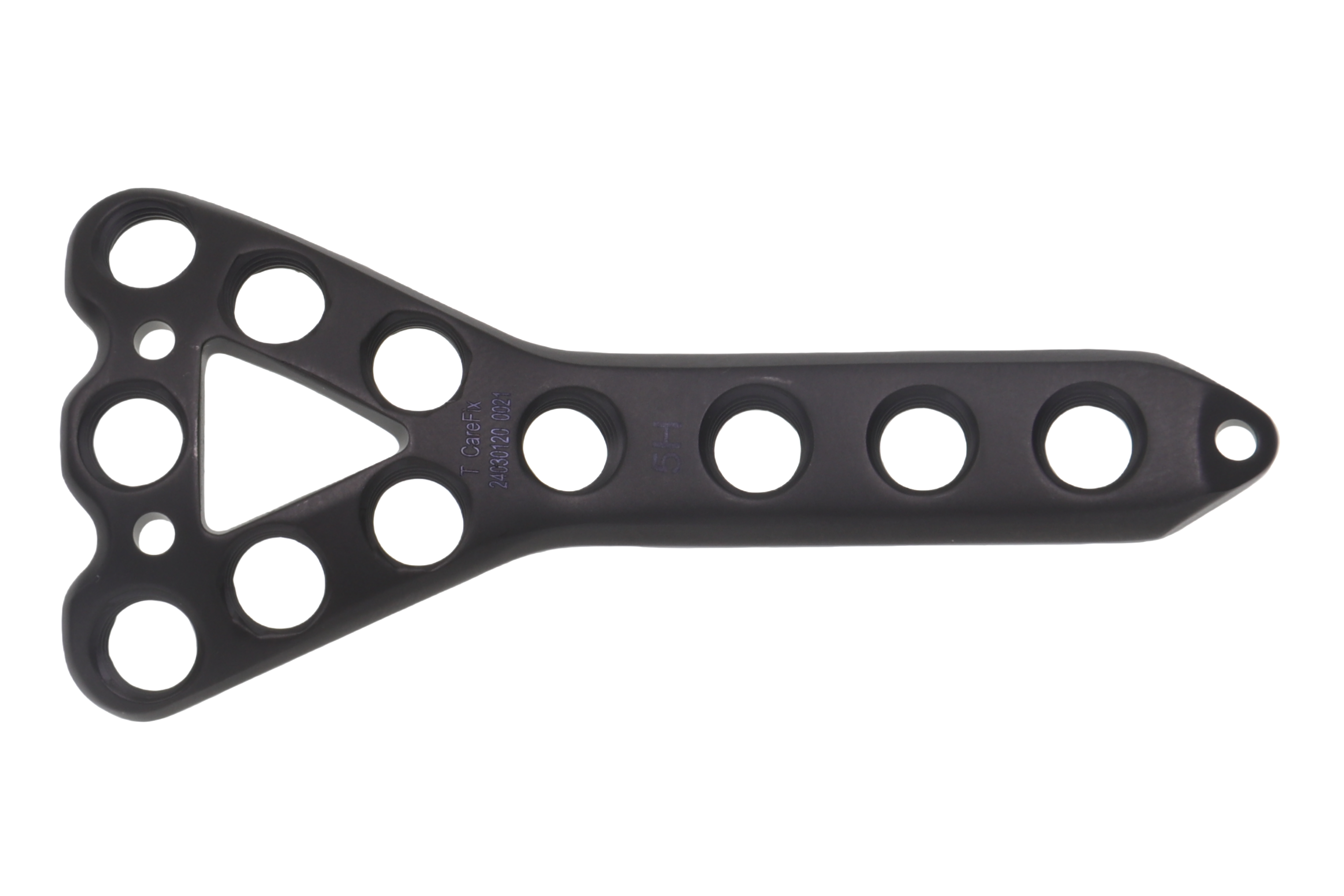
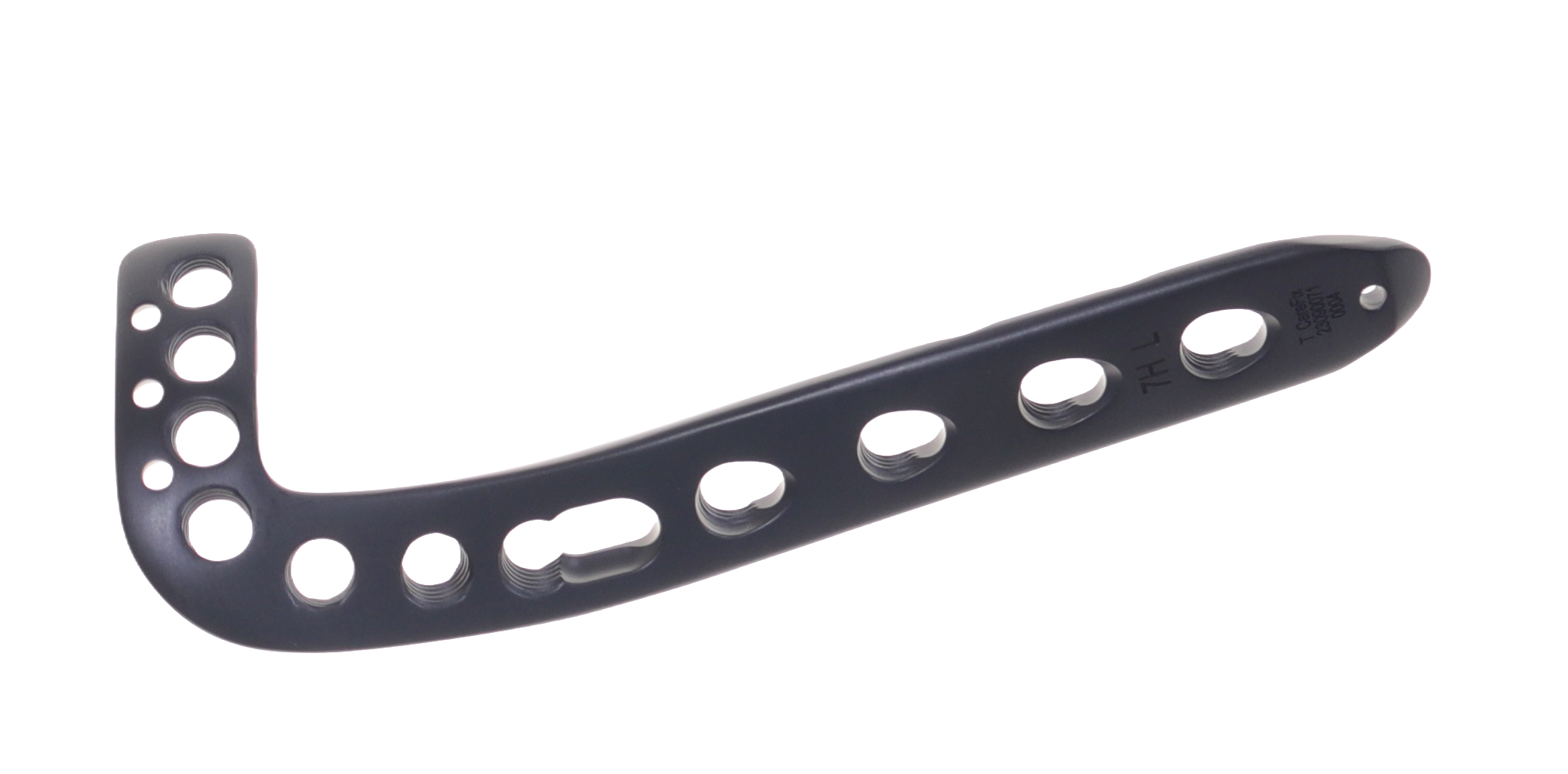
The anatomical locking plate employs a biologically friendly fixation philosophy that fundamentally differs from compression plating by preserving the delicate periosteal blood supply essential for bone healing. Traditional plates require firm compression against the bone surface to achieve stability, which disrupts the periosteum and its rich vascular network that delivers nutrients and healing factors to fracture sites. In contrast, the locking mechanism achieves stability through the fixed-angle screw-plate connection rather than plate-bone compression, allowing the plate to function as an internal fixator positioned slightly away from the bone surface. This minimal contact design maintains periosteal integrity and blood flow, creating an optimal biological environment for natural bone regeneration. The preserved vascularity accelerates healing, reduces infection risk, and minimizes complications associated with compromised bone biology. Additionally, the even load distribution prevents stress shielding where overly rigid fixation causes bone beneath the plate to weaken from disuse. The anatomical locking plate balances mechanical stability with biological preservation, supporting rather than suppressing the body's natural healing processes. This approach proves particularly advantageous in compromised healing scenarios such as open fractures, revision surgeries, or patients with comorbidities affecting bone health, where maximizing biological potential becomes critical for achieving successful bone union and restoring patient function.
 EN
EN