Volar Distal Radius Plate: Advanced Wrist Fixation

Get a Free Quote

Our representative will contact you soon.
Email
Name
Company Name
Message
0/1000

volar distal radius plate

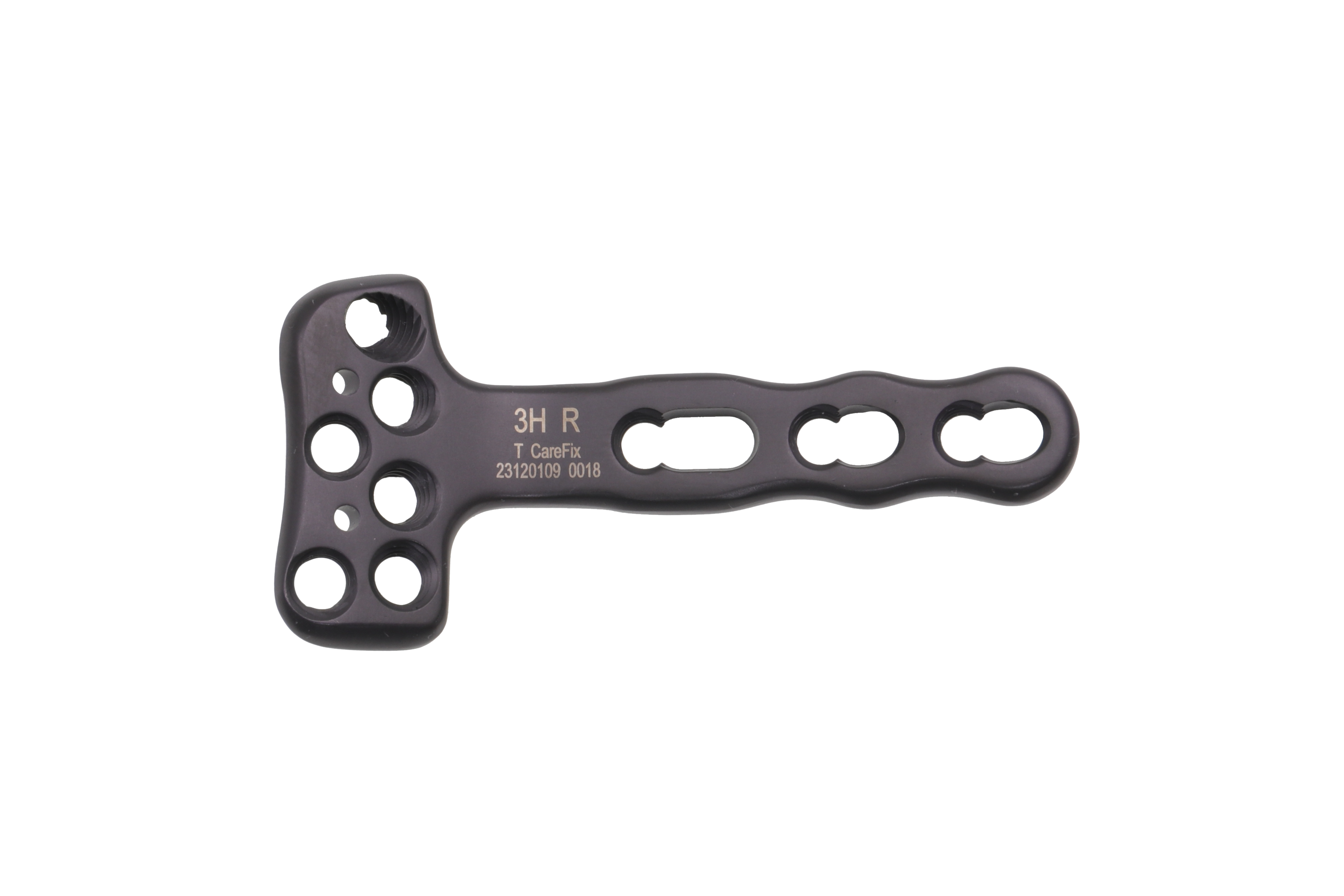
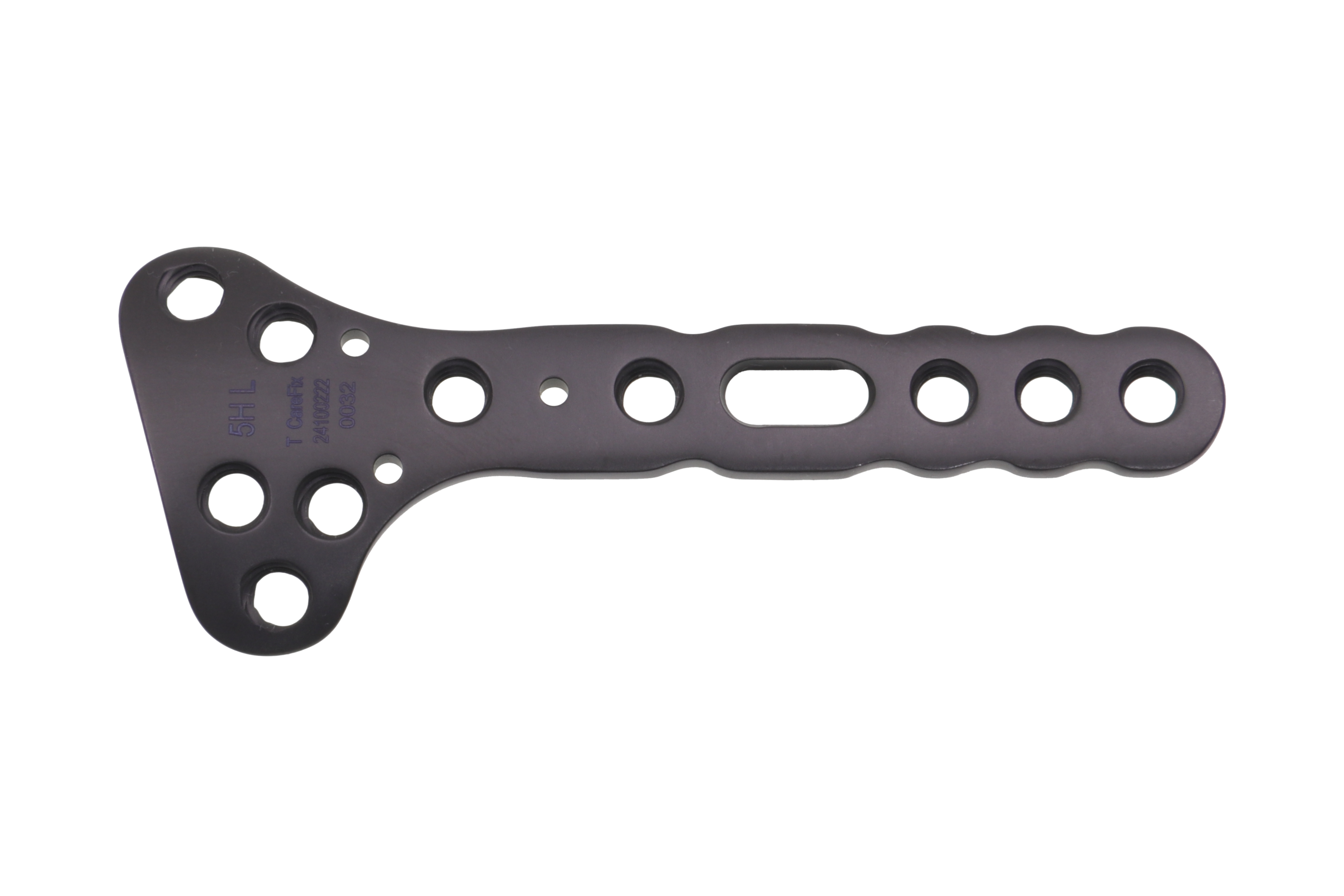
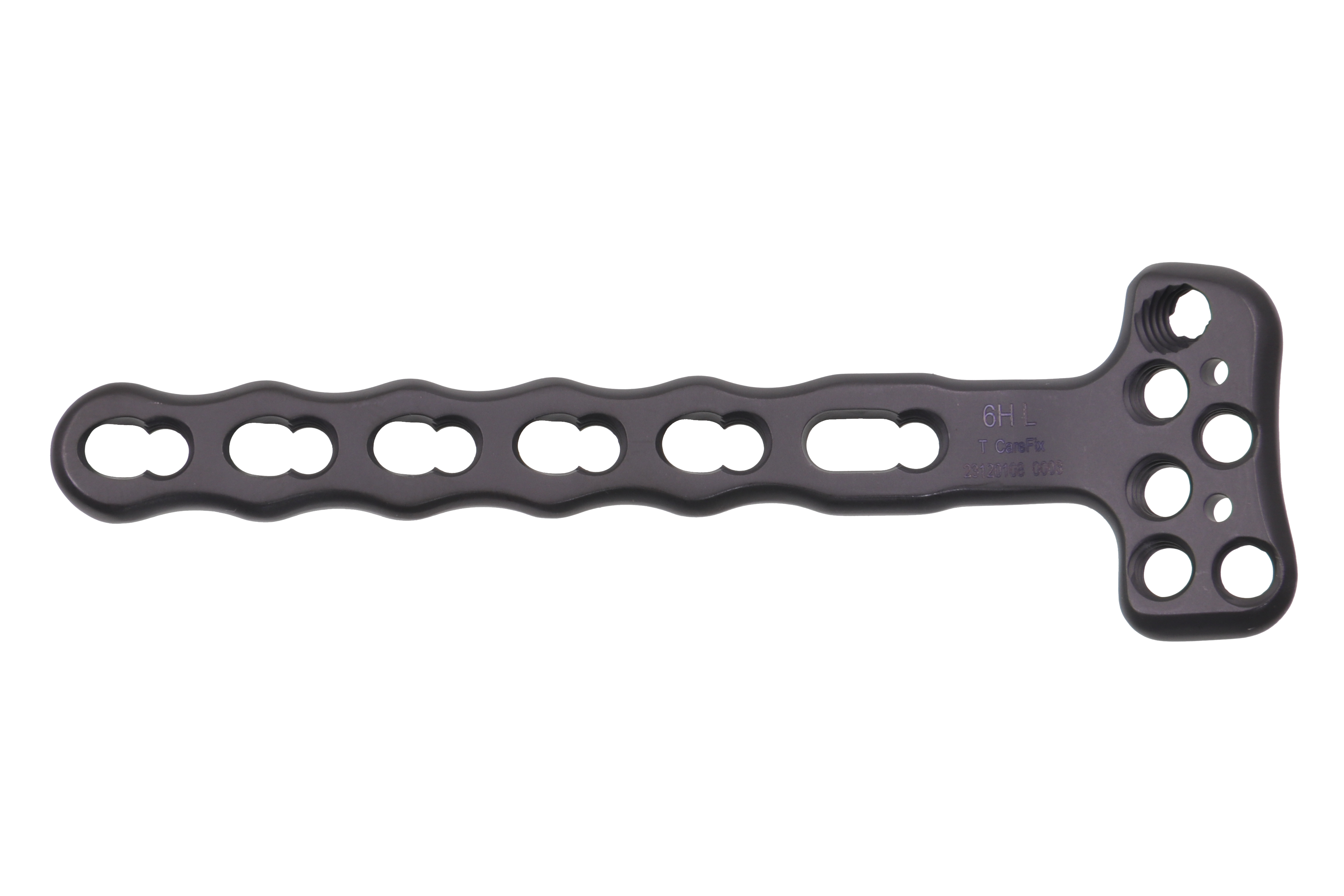
The volar distal radius plate is a specialized orthopedic implant designed to stabilize and support fractures of the distal radius through the volar approach. This medical device plays a critical role in restoring anatomical alignment and promoting proper bone healing following wrist fractures, which are among the most common skeletal injuries. The volar distal radius plate is engineered with anatomically contoured profiles that match the natural curvature of the distal radius bone, ensuring optimal fit and reduced soft tissue irritation. Its main functions include providing rigid internal fixation, maintaining fracture reduction during the healing process, and enabling early mobilization to prevent joint stiffness. Technological features of the volar distal radius plate include variable angle locking screw options that allow surgeons to customize screw trajectories based on individual patient anatomy and fracture patterns. Theplate surface typically incorporates low-profile designs to minimize tendon irritation and reduce the risk of postoperative complications. Advanced manufacturing processes ensure consistent quality and biocompatibility with titanium or stainless steel materials. Applications of the volar distal radius plate extend across various fracture types, including extra-articular fractures, intra-articular fractures, and complex comminuted patterns. It is particularly effective for treating unstable fractures in osteoporotic bone and cases requiring precise articular surface restoration. The volar distal radius plate has become the preferred treatment method for many orthopedic surgeons due to its proven clinical outcomes and versatility in managing diverse fracture configurations.

New Products

Choosing the volar distal radius plate offers substantial practical benefits that directly impact patient recovery and surgical success. The most significant advantage is the faster healing time it provides compared to traditional casting methods, allowing patients to return to daily activities and work more quickly. This translates to reduced economic burden from lost productivity and shorter disability periods. The plate design minimizes surgical complications by avoiding the extensor tendons on the back of the wrist, which means fewer instances of tendon irritation and rupture that could require additional surgery. For patients, this means smoother recovery with less pain and fewer follow-up procedures. The volar distal radius plate enables immediate wrist movement after surgery, preventing the joint stiffness that commonly occurs with prolonged immobilization. This early mobilization capability helps maintain muscle strength and range of motion, leading to better functional outcomes. From an operational perspective, surgeons benefit from standardized instrumentation and clear surgical techniques that reduce procedure time and improve consistency across cases. The anatomical contouring of the volar distal radius plate simplifies positioning during surgery, making the procedure more predictable and efficient. Application suitability extends to elderly patients with weak bone quality, where the locking screw technology provides superior grip and stability that conventional screws cannot match. The plate works equally well for younger, active patients who need robust fixation to support early return to sports and physical activities. Decision-makers in healthcare settings appreciate the cost-effectiveness of the volar distal radius plate when considering the total episode of care, including reduced rehabilitation time and lower complication rates that minimize additional treatment costs. The proven track record of excellent clinical outcomes provides confidence in treatment planning and patient counseling.

Latest News

Understanding Intramedullary Nail Complications

13

Jan

Understanding Intramedullary Nail Complications

Intramedullary nail complications represent a significant concern in orthopedic surgery, affecting patient outcomes and recovery timelines. These complications can arise during insertion, throughout the healing process, or during long-term implant re...
View More
U-shaped nail: technical advantage of ankle surgery

13

Jan

U-shaped nail: technical advantage of ankle surgery

Modern orthopedic surgery has witnessed remarkable advancement in fixation techniques, particularly in the treatment of complex ankle and distal tibial fractures. The distal tibial interlocking intramedullary nail represents a significant breakthroug...
View More
Expanding the Boundaries of IM Nail Technology: Periarticular Fractures and Deformity Correction

06

Mar

Expanding the Boundaries of IM Nail Technology: Periarticular Fractures and Deformity Correction

Modern orthopedic surgery continues to evolve with innovative solutions that address complex fracture patterns and deformity corrections. The telescopic intramedullary nail represents a significant advancement in treating challenging periarticular fr...
View More
Treatment of osteomyelitis and tibial pseudarthrosis: The advantages of the Ilizarov frame

06

Mar

Treatment of osteomyelitis and tibial pseudarthrosis: The advantages of the Ilizarov frame

The treatment of complex orthopedic conditions such as osteomyelitis and tibial pseudarthrosis presents significant challenges that require innovative surgical approaches. Among the most effective solutions available to orthopedic surgeons today is t...
View More

Get a Free Quote

Our representative will contact you soon.
Email
Name
Company Name
Message
0/1000

volar distal radius plate

Anatomical Design for Optimal Fit

Anatomical Design for Optimal Fit

The volar distal radius plate features a precisely engineered anatomical contour that mirrors the natural shape of the distal radius bone, ensuring seamless integration with patient anatomy. This sophisticated design element is crucial because proper plate positioning directly influences healing quality and functional recovery. The low-profile construction sits flush against the bone surface, minimizing the space between the implant and surrounding soft tissues, which significantly reduces the risk of flexor tendon irritation and improves patient comfort during recovery. Multiple plate sizes and configurations allow surgeons to select the most appropriate option for each patient's unique bone structure, accommodating variations in gender, age, and individual anatomical differences. The thoughtful engineering behind the volar distal radius plate includes strategically placed screw holes that provide comprehensive fracture fragment control while avoiding critical neurovascular structures. This attention to anatomical detail translates to more predictable surgical outcomes, shorter operative times, and enhanced patient satisfaction. The smooth edges and rounded corners further contribute to tissue-friendly characteristics that promote healing without unnecessary inflammation or adverse reactions.
Variable Angle Locking Technology

Variable Angle Locking Technology

The volar distal radius plate incorporates advanced variable angle locking screw technology that represents a significant innovation in fracture fixation. This feature allows surgeons to insert locking screws at multiple angles within a cone of trajectory, rather than being restricted to fixed perpendicular placement. The practical importance of this capability cannot be overstated, as it enables customized screw placement that adapts to individual fracture patterns, bone quality variations, and the presence of comminution or bone defects. For complex fractures where fragments are small or irregularly positioned, variable angle locking provides the flexibility needed to achieve stable fixation in challenging scenarios. This technology is particularly valuable when treating osteoporotic bone, where optimal screw purchase is critical for construct stability. The locking mechanism creates a fixed-angle construct that functions as an internal fixator, distributing forces evenly across the plate rather than relying solely on bone-screw interface friction. This biomechanical advantage reduces the risk of screw loosening and maintains fracture reduction throughout the healing period. Patients benefit from more robust stabilization that supports earlier functional use of the hand and wrist, accelerating recovery timelines.
Proven Clinical Outcomes and Safety Profile

Proven Clinical Outcomes and Safety Profile

The volar distal radius plate has established an extensive evidence base demonstrating superior clinical outcomes across diverse patient populations and fracture types. Numerous published studies document high union rates exceeding ninety-five percent, with patients achieving excellent functional scores and grip strength recovery comparable to the uninjured side. This proven track record provides both surgeons and patients with confidence in treatment selection and expected results. The safety profile of the volar distal radius plate is particularly noteworthy, with complication rates significantly lower than alternative fixation methods or dorsal plating approaches. The volar approach itself avoids the extensor mechanism, eliminating the extensor tendon complications that plagued earlier plate designs. Long-term follow-up data shows durable fixation maintenance and rare instances of hardware failure, indicating reliable performance over extended periods. The biocompatible materials used in manufacturing the volar distal radius plate minimize foreign body reactions and integrate well with surrounding tissues. For healthcare providers making purchasing decisions, this established safety and efficacy profile reduces liability concerns and supports quality improvement initiatives. Patients appreciate the predictability of outcomes and the low likelihood of requiring implant removal or revision surgery, contributing to overall satisfaction with their treatment experience.
logo