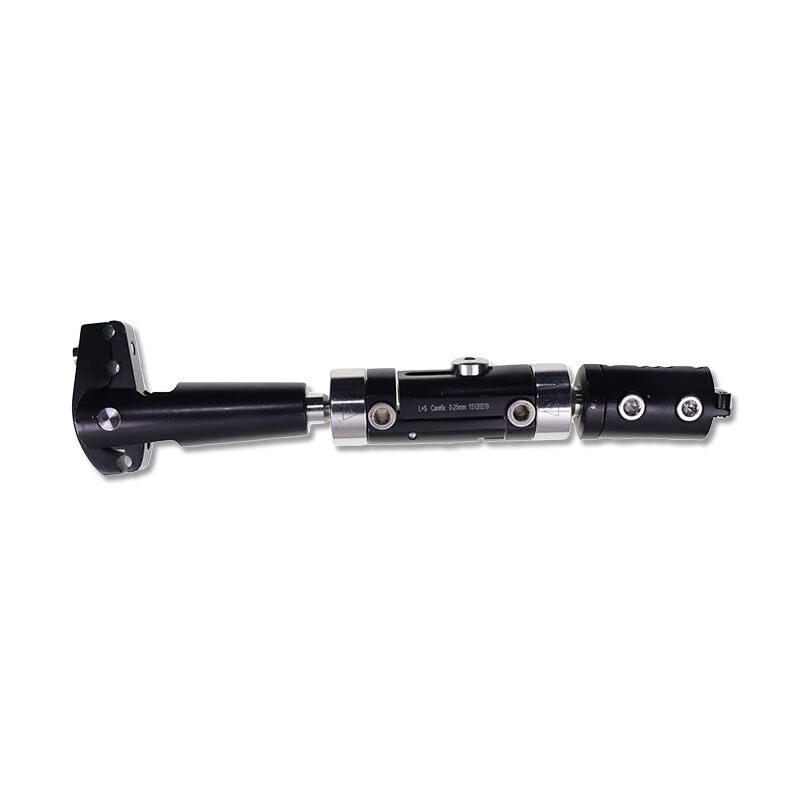
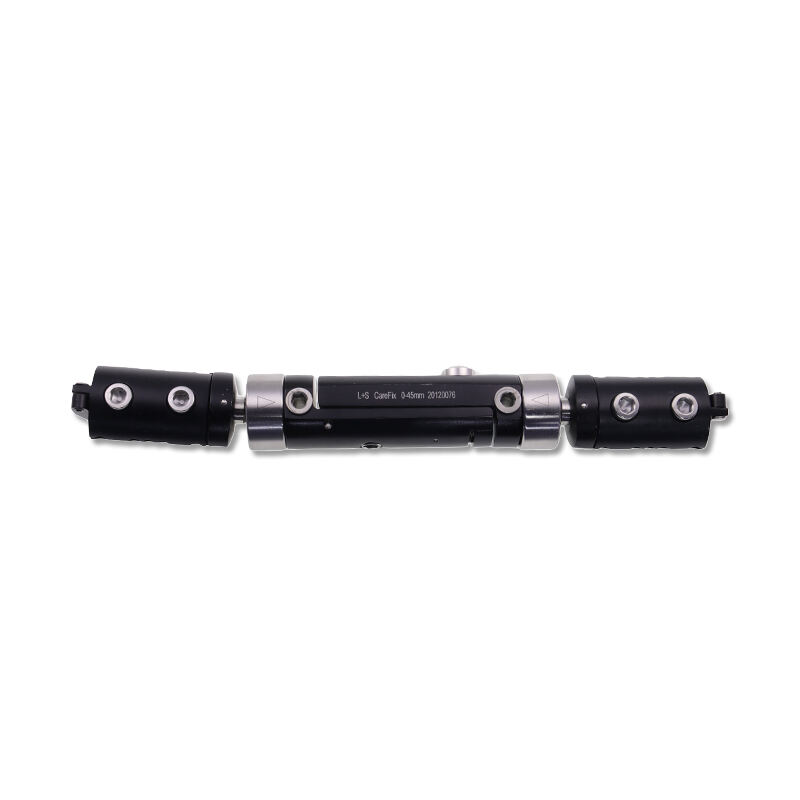
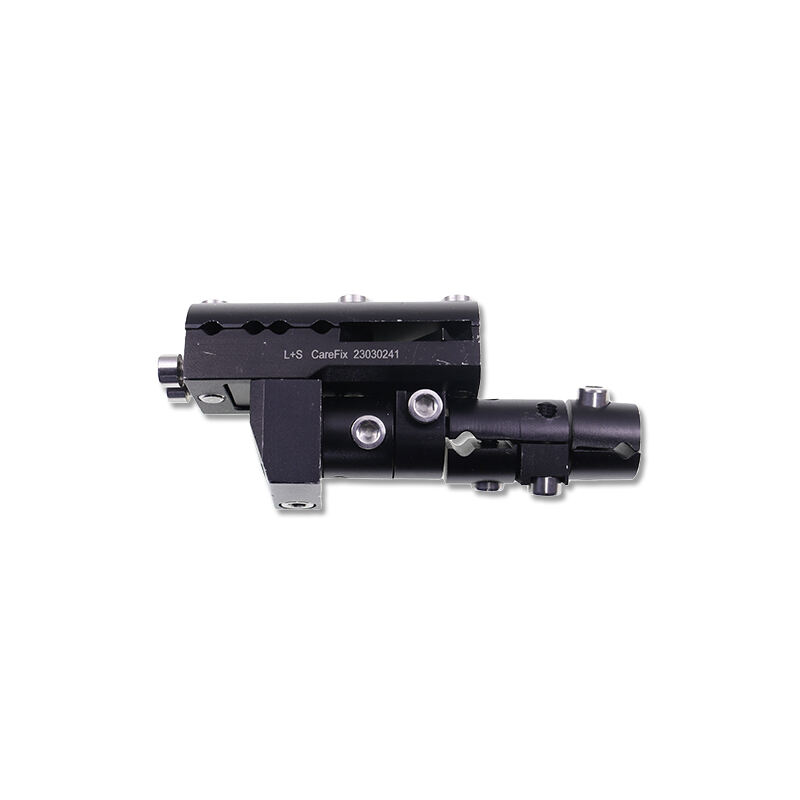
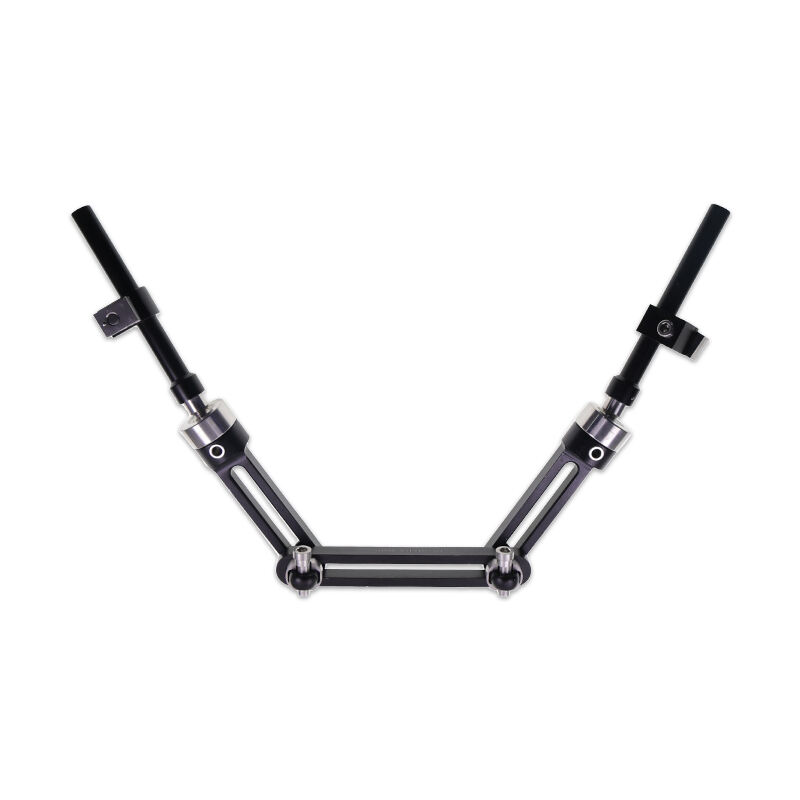
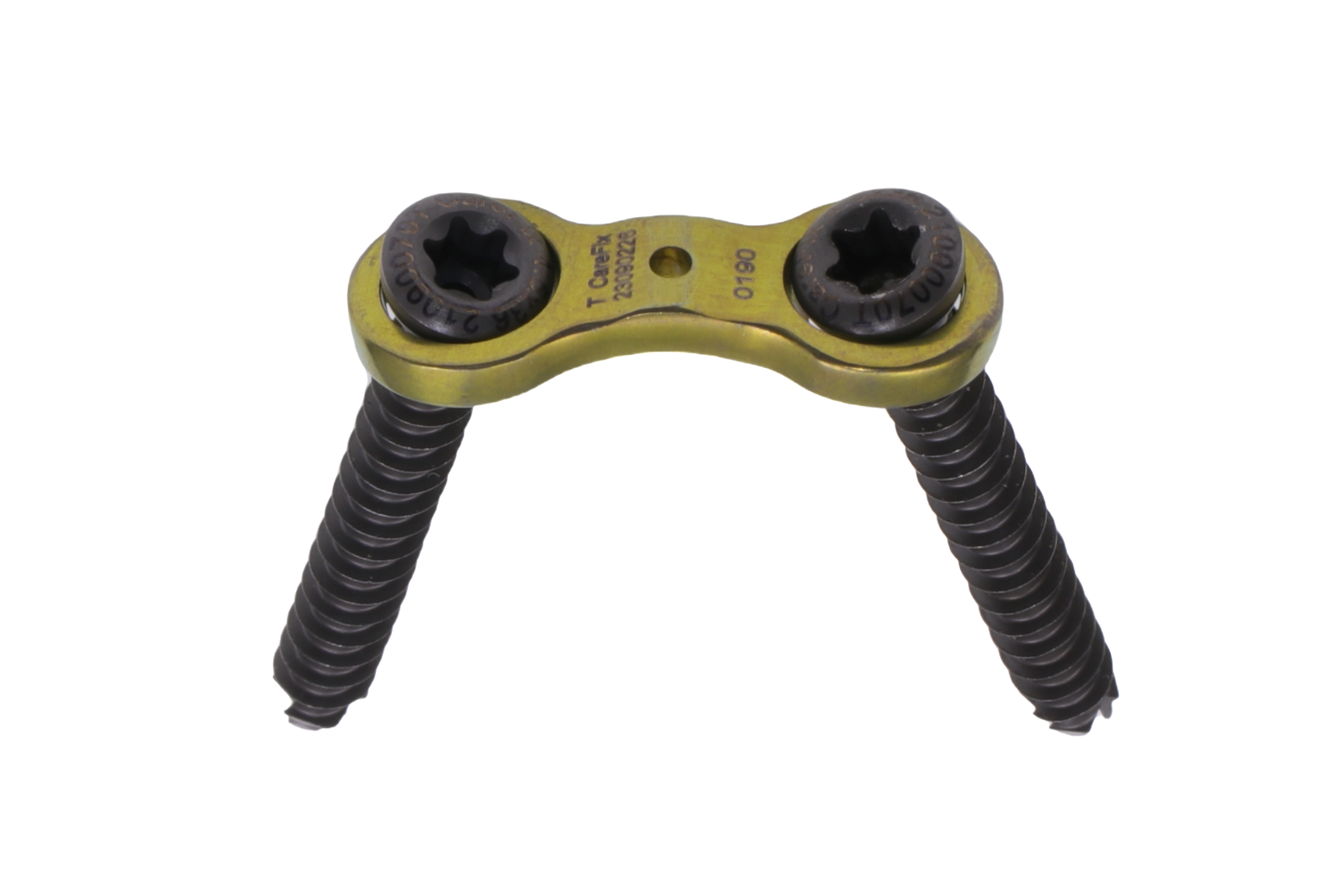
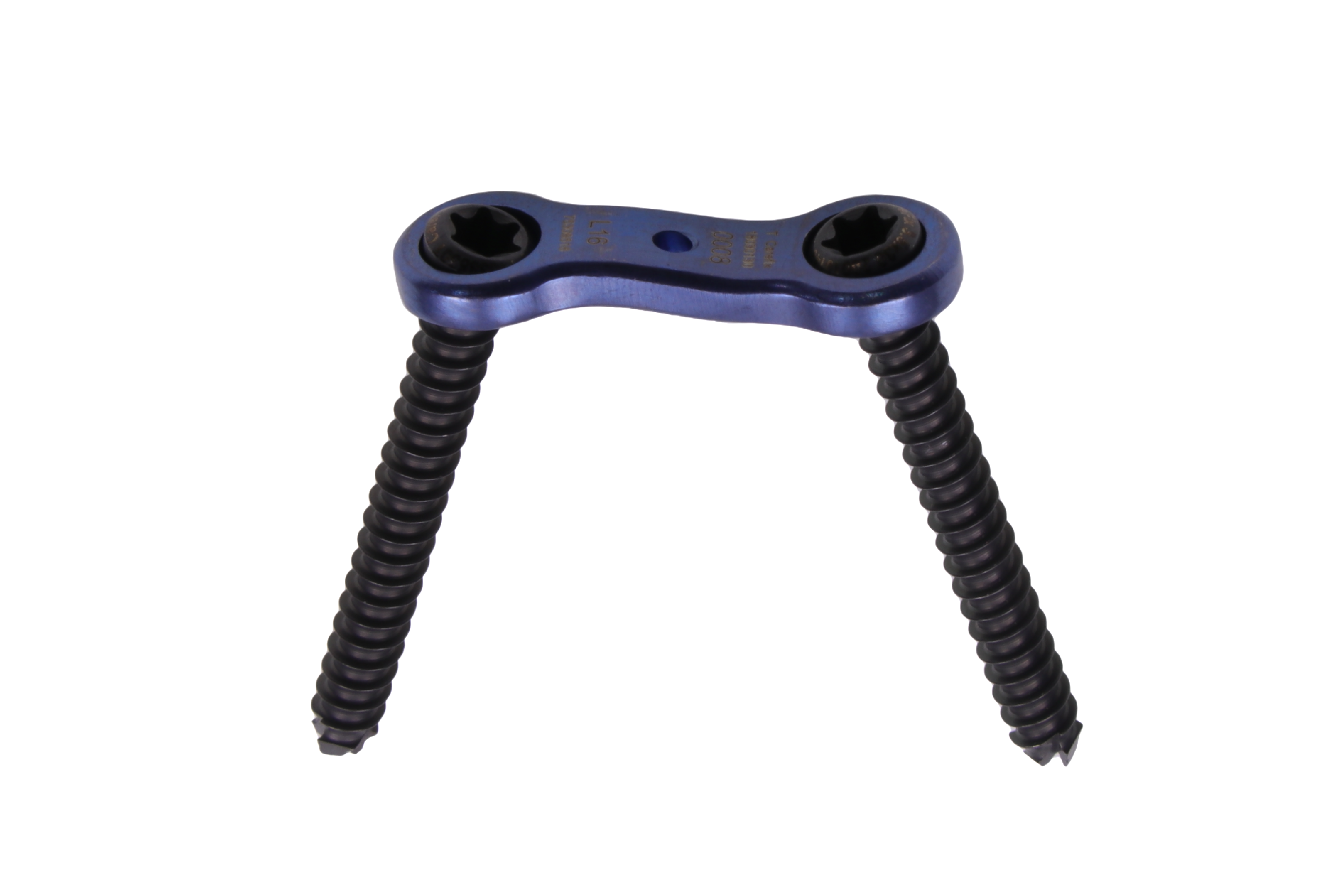
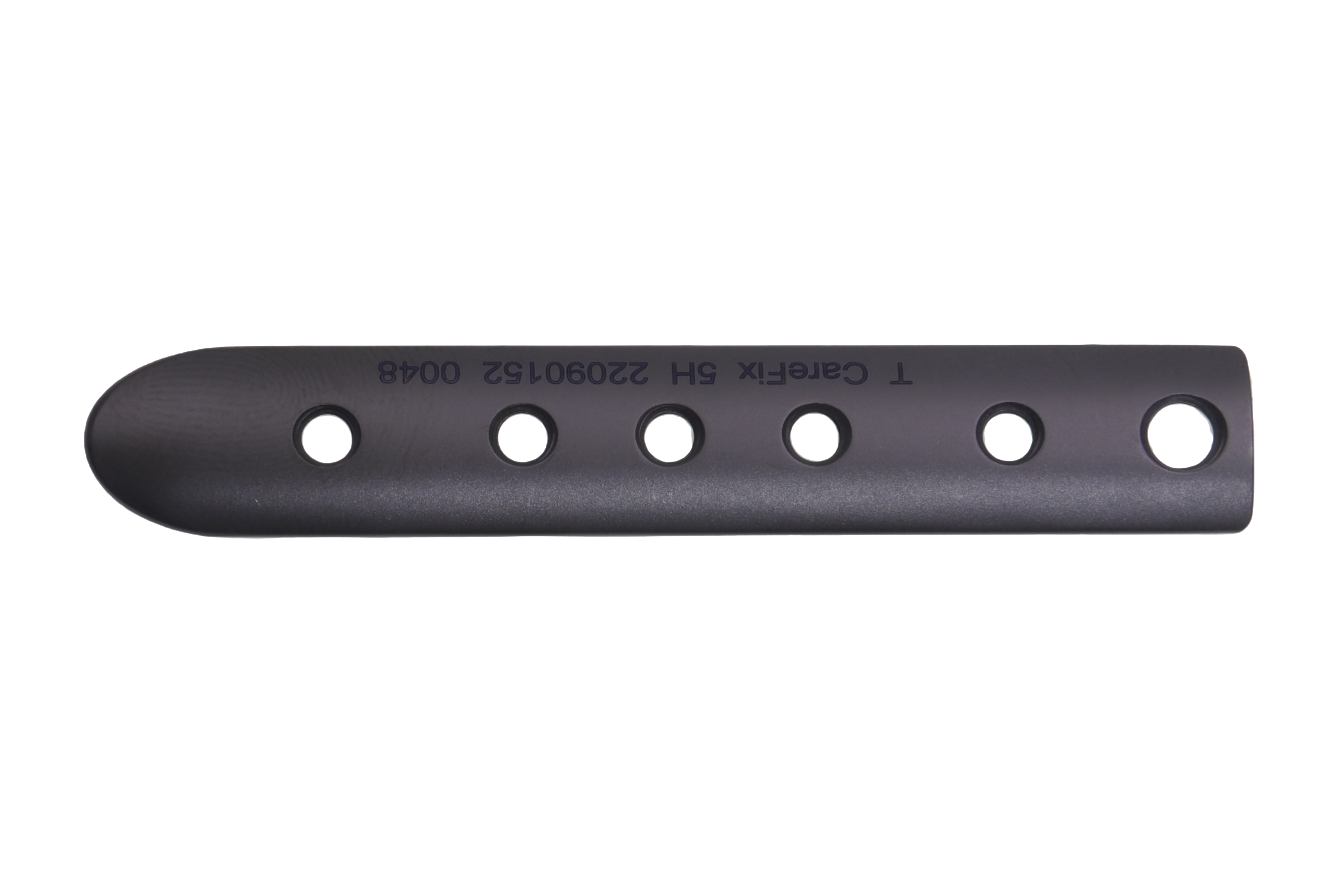
orthopedic bone plate
An orthopedic bone plate is a crucial medical device designed to stabilize and support fractured or broken bones during the healing process. These plates are surgically implanted onto the bone surface to maintain proper alignment and facilitate optimal recovery. Manufactured from biocompatible materials such as titanium alloys or stainless steel, the orthopedic bone plate provides mechanical support while allowing natural bone regeneration. The device features precisely engineered holes that accommodate screws, creating a rigid fixation system that holds bone fragments in their correct anatomical position. Modern orthopedic bone plate designs incorporate advanced features including anatomical contouring to match specific bone shapes, locking screw technology for enhanced stability, and low-profile construction to minimize soft tissue irritation. These plates are available in various sizes, shapes, and configurations to address different fracture patterns and anatomical locations throughout the skeletal system. The orthopedic bone plate plays an essential role in treating complex fractures, correcting deformities, and performing reconstructive procedures. Its primary functions include compression of fracture sites, neutralization of forces acting on healing bones, buttressing of weakened bone structures, and bridging of comminuted fractures. Technological advancements have led to the development of specialized plates for specific applications, including trauma surgery, spinal fusion, maxillofacial reconstruction, and pediatric orthopedics. The selection of an appropriate orthopedic bone plate depends on multiple factors including fracture location, bone quality, patient age, and surgical approach, making it a versatile solution for diverse orthopedic challenges.
 EN
EN