Clavicle Locking Plate - Advanced Fixation

Get a Free Quote

Our representative will contact you soon.
Email
Name
Company Name
Message
0/1000

clavicle locking plate

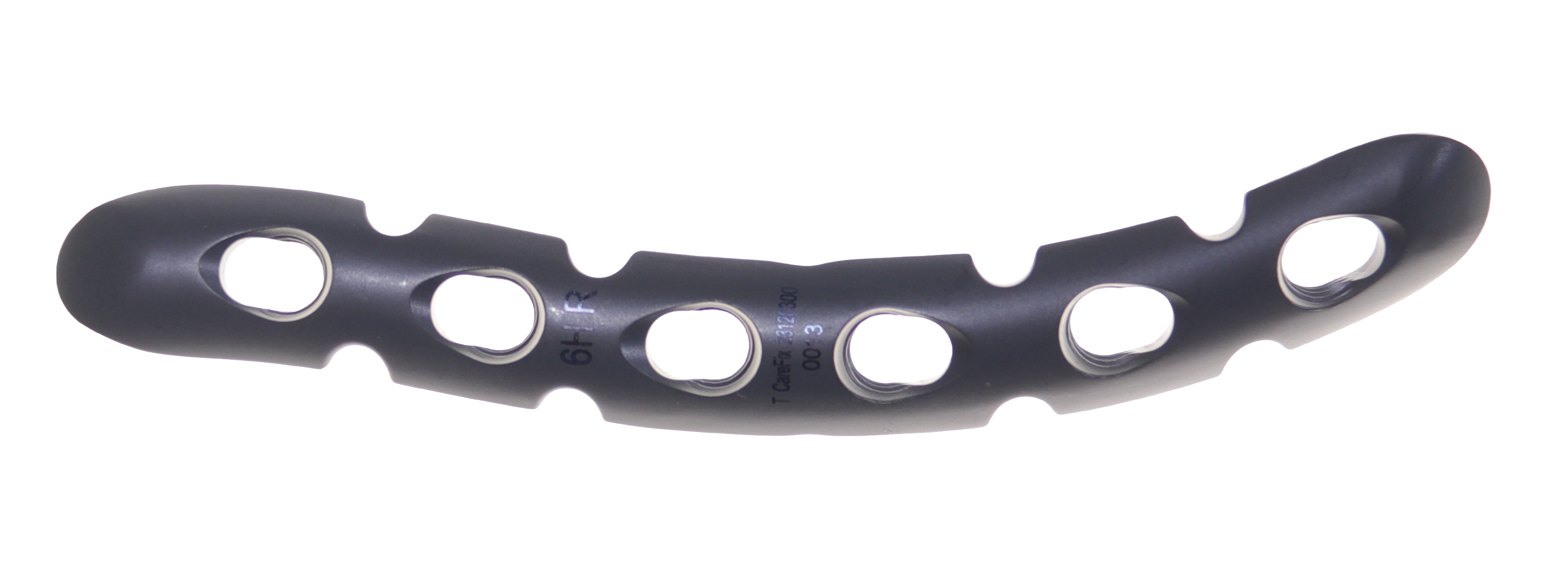
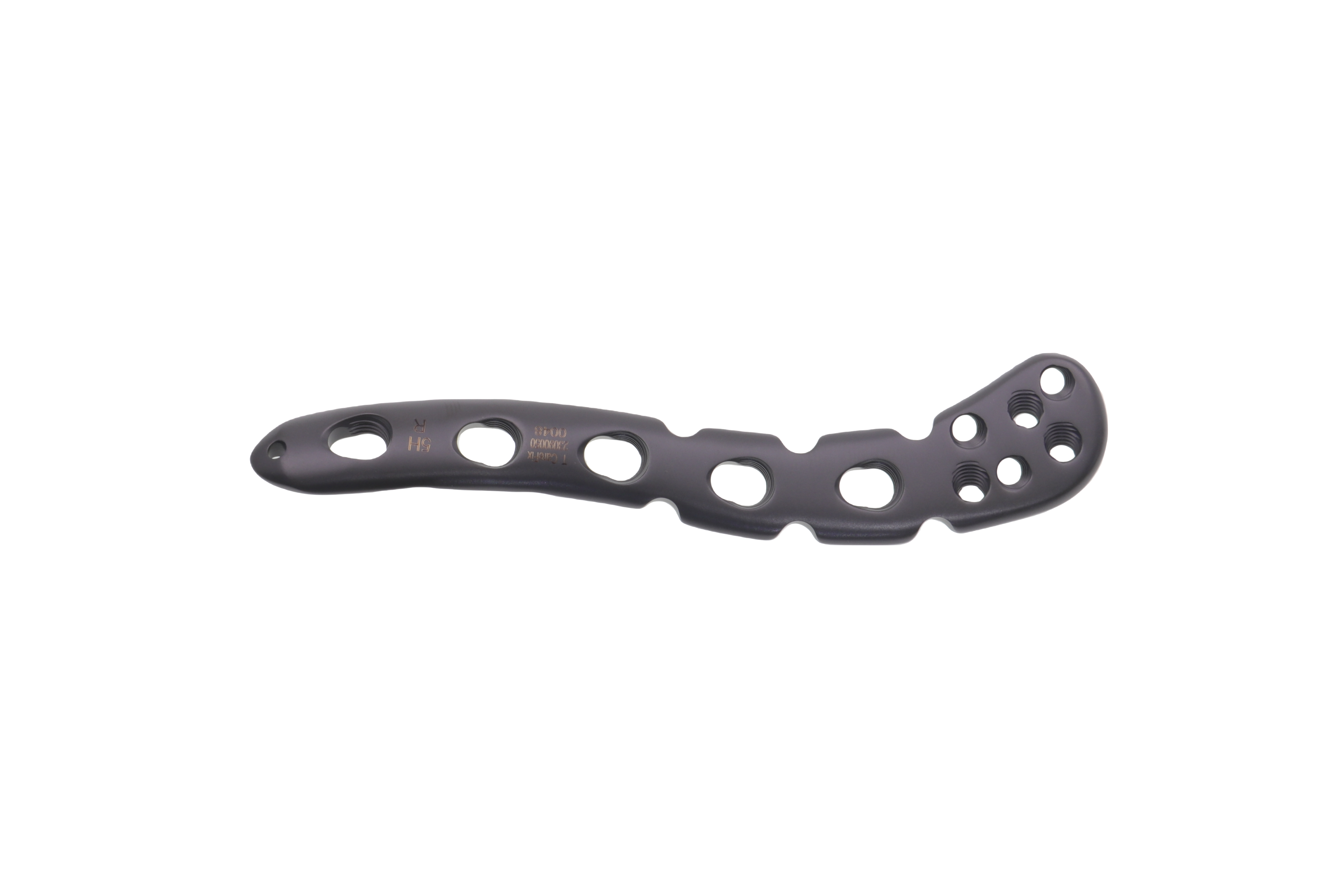
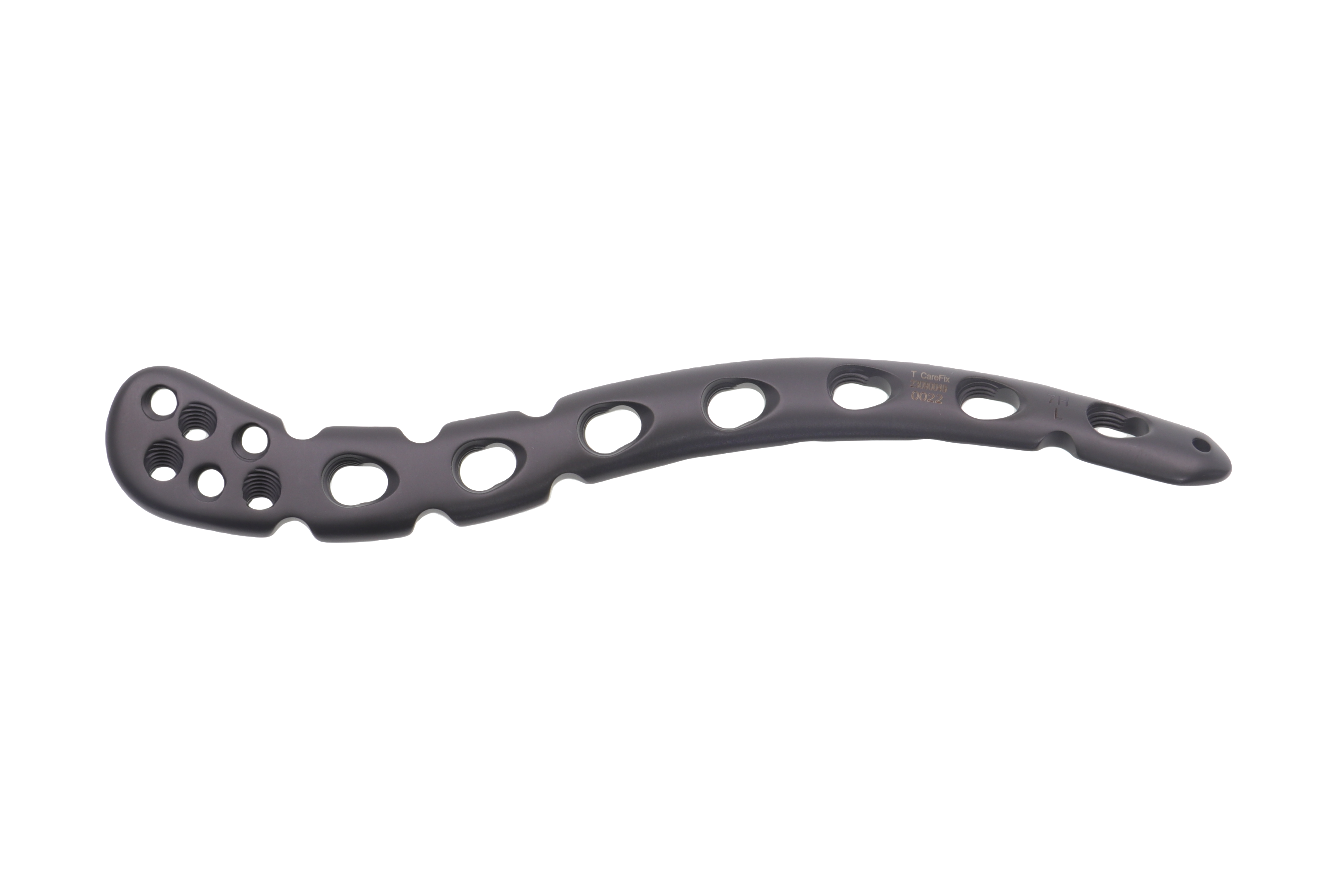
The clavicle locking plate is an advanced orthopedic fixation device specifically designed to treat fractures of the collarbone, one of the most common injuries in trauma and sports medicine. This specialized implant provides stable internal fixation through a combination of anatomically contoured design and innovative locking screw technology. The clavicle locking plate addresses the unique biomechanical challenges of clavicular fractures by offering superior stability during the healing process. The device features multiple screw holes with threaded locking mechanisms that create a fixed-angle construct, preventing screw toggle and providing enhanced angular stability. Manufactured from biocompatible materials such as titanium or stainless steel, the plate integrates seamlessly with bone tissue while minimizing the risk of adverse reactions. Its anatomically pre-contoured shape matches the natural S-curve of the clavicle, reducing surgical time and improving patient outcomes. The clavicle locking plate is primarily used for mid-shaft fractures, distal clavicle fractures, and complex comminuted injuries where traditional fixation methods may prove insufficient. Surgeons utilize this device in both acute trauma cases and revision surgeries where previous fixation has failed. The technological features include polyaxial locking options, low-profile design to reduce soft tissue irritation, and compatibility with minimally invasive surgical techniques. This fixation system has revolutionized clavicle fracture management by providing reliable fixation that allows early mobilization and faster return to daily activities, making it an essential tool in modern orthopedic practice.

New Product Releases

Choosing the clavicle locking plate offers numerous practical benefits that directly impact patient recovery and surgical success rates. The primary advantage lies in its exceptional stability, which significantly reduces the risk of fixation failure compared to conventional plating systems. This enhanced stability means patients can begin rehabilitation exercises earlier, leading to shorter recovery times and better functional outcomes. The locking mechanism creates a fixed-angle construct that maintains reduction even in osteoporotic bone, making it suitable for elderly patients and those with compromised bone quality. For surgeons, the anatomically pre-contoured design simplifies surgical procedures by eliminating the need for intraoperative bending, reducing operating room time and associated costs. The low-profile construction minimizes soft tissue irritation and reduces the likelihood of implant prominence, a common complication that often requires secondary surgery for removal. Patients benefit from decreased postoperative discomfort and improved cosmetic results. The versatility of the clavicle locking plate makes it appropriate for various fracture patterns, from simple mid-shaft fractures to complex comminuted injuries, providing surgeons with a reliable solution across diverse clinical scenarios. The biocompatible materials used in manufacturing ensure excellent tissue integration and reduce the risk of allergic reactions or implant rejection. Healthcare facilities appreciate the cost-effectiveness of this solution, as the improved fixation stability reduces revision surgery rates and associated healthcare expenses. The system's compatibility with minimally invasive techniques allows for smaller incisions, less surgical trauma, and better aesthetic outcomes. Patients experience less scarring, reduced blood loss, and faster return to work and sports activities, making the clavicle locking plate an investment in quality care that delivers measurable value across clinical, economic, and patient satisfaction dimensions.

Practical Tips

Evolution of Intervertebral Fusion Device Materials: Clinical Efficacy Comparison between PEEK and Titanium Alloy

13

Jan

Evolution of Intervertebral Fusion Device Materials: Clinical Efficacy Comparison between PEEK and Titanium Alloy

The advancement of spinal surgery has been significantly influenced by the development of sophisticated intervertebral fusion device technologies. Modern spine surgeons rely heavily on these devices to achieve successful fusion outcomes while minimiz...
View More
Cannulated screw system: Technological advancements in the treatment of ankle fractures

06

Mar

Cannulated screw system: Technological advancements in the treatment of ankle fractures

Ankle fractures represent one of the most challenging orthopedic injuries requiring precise surgical intervention and advanced fixation methods. The evolution of fracture treatment has been significantly enhanced by the introduction of modern cannula...
View More
Distal radial volar locking plate: refined design enhances the success rate of fracture fixation

06

Mar

Distal radial volar locking plate: refined design enhances the success rate of fracture fixation

The treatment of distal radius fractures has undergone significant evolution in recent decades, with the distal radial volar locking plate emerging as a cornerstone technology in modern orthopedic practice. These innovative implants represent a parad...
View More
Taylor brace: a new choice for minimally invasive treatment of complex fracture repair

15

Apr

Taylor brace: a new choice for minimally invasive treatment of complex fracture repair

The Taylor brace represents a significant advancement in orthopedic external fixation technology, offering surgeons and patients a minimally invasive solution for complex fracture repair scenarios. This innovative Taylor brace system combines precisi...
View More

Get a Free Quote

Our representative will contact you soon.
Email
Name
Company Name
Message
0/1000

clavicle locking plate

Advanced Locking Technology for Superior Stability

Advanced Locking Technology for Superior Stability

The defining feature of the clavicle locking plate is its sophisticated locking screw mechanism that transforms the implant and screws into a single unified construct. Unlike traditional compression plates that rely solely on friction between the plate and bone, the locking technology creates a fixed-angle relationship between screws and the plate itself. This angular stability prevents screw loosening and maintains fracture reduction throughout the healing process, even under physiological loading conditions. The threaded screw holes accept locking screws that thread into the plate, creating a secure connection that does not depend on bone quality for primary stability. This characteristic proves especially valuable when treating patients with osteoporosis or poor bone stock, where conventional screws might pull out or lose purchase. Surgeons can also combine locking and non-locking screws in the same plate, allowing for compression of fracture fragments while maintaining overall construct stability. This flexibility enables customized fixation strategies tailored to specific fracture patterns and patient anatomy, optimizing healing conditions for each individual case.
Anatomically Contoured Design for Optimal Fit

Anatomically Contoured Design for Optimal Fit

The clavicle locking plate features an anatomically pre-contoured shape that precisely matches the natural S-shaped curvature of the collarbone, eliminating the need for intraoperative plate bending and reducing surgical complexity. This pre-shaped design respects the bone's three-dimensional anatomy, ensuring intimate contact between the plate and bone surface for optimal load distribution. The anatomical contouring reduces stress concentrations that could lead to implant failure or refracture, while the low-profile construction minimizes soft tissue irritation and improves patient comfort. Available in multiple sizes and configurations to accommodate anatomical variations, the plate system addresses both right and left clavicles as well as different patient populations from adolescents to adults. The superior surface is smooth and rounded to prevent irritation of overlying skin and soft tissues, a common complaint with older plate designs. This thoughtful engineering reduces the need for hardware removal surgery, saving patients from additional procedures and associated risks. The plate's design also facilitates minimally invasive plating techniques, allowing surgeons to insert the implant through smaller incisions with less soft tissue stripping, preserving blood supply to bone fragments and promoting faster healing.
Versatile Application Across Fracture Types

Versatile Application Across Fracture Types

The clavicle locking plate system demonstrates remarkable versatility in treating the full spectrum of clavicular injuries, from simple two-part fractures to highly comminuted multi-fragmentary injuries. This adaptability makes it an invaluable tool in the orthopedic surgeon's arsenal, reducing the need for multiple specialized implant systems. The plate accommodates various fracture locations including mid-shaft, lateral, and medial clavicle fractures, each presenting unique fixation challenges. For distal clavicle fractures, specialized plate designs with lateral extension arms provide stable fixation despite limited bone stock in this region. In comminuted fractures where multiple bone fragments exist, the locking mechanism maintains reduction without requiring compression across fracture sites, preserving fragment vascularity and promoting biological healing. The system also proves effective in revision cases where previous fixation has failed, offering surgeons a reliable salvage option. Pediatric applications benefit from smaller plate sizes specifically designed for younger patients with developing skeletal systems. The plate's ability to function effectively in both fresh fractures and delayed unions or nonunions extends its clinical utility across the entire treatment timeline, providing consistent performance regardless of injury chronicity or patient-specific factors.

logo