Lateral Proximal Tibia Plate Solutions

Get a Free Quote

Our representative will contact you soon.
Email
Name
Company Name
Message
0/1000

lateral proximal tibia plate

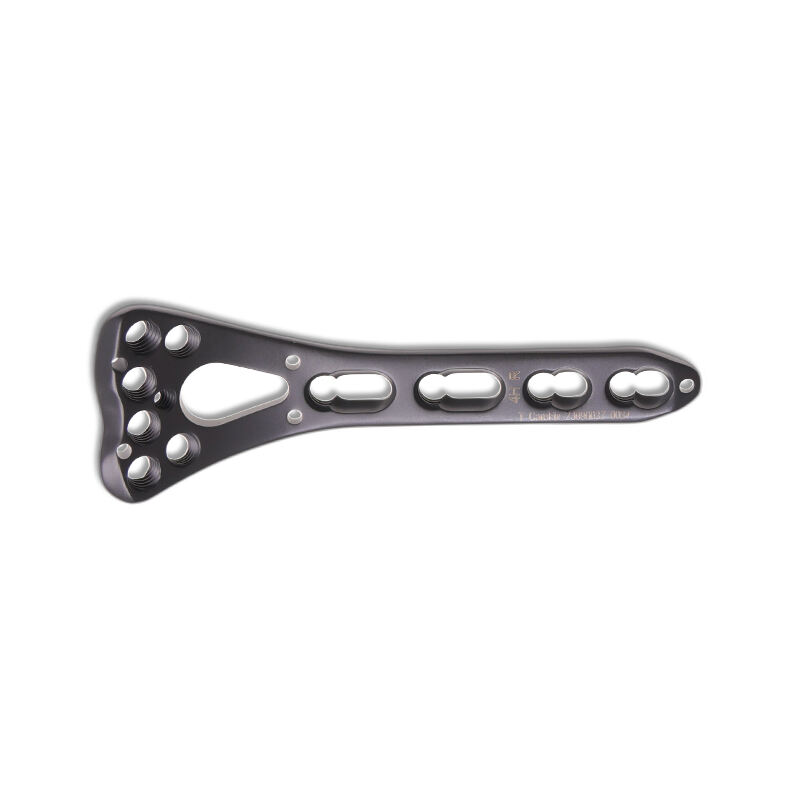
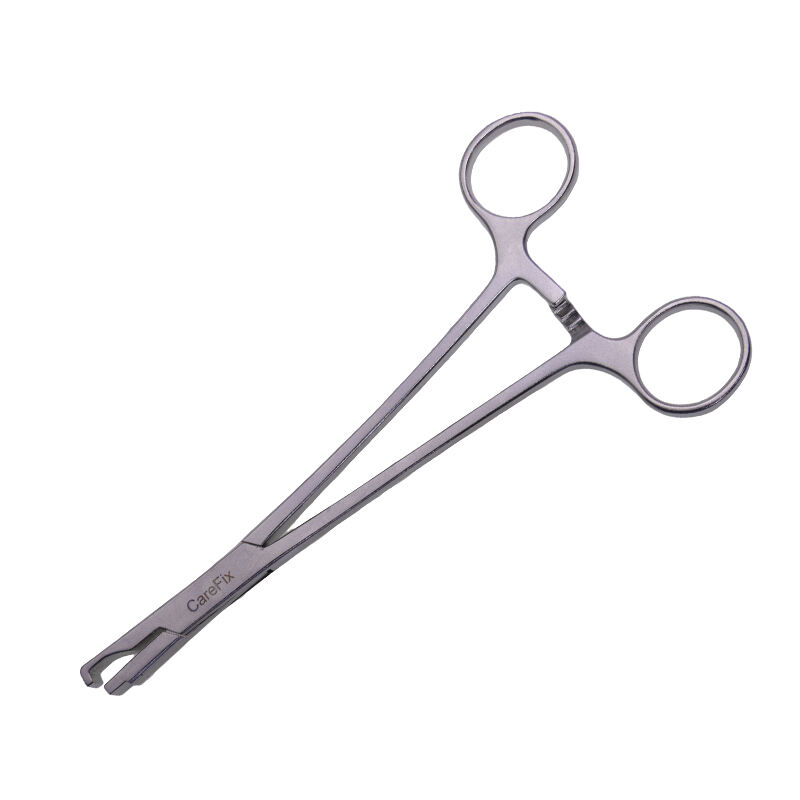
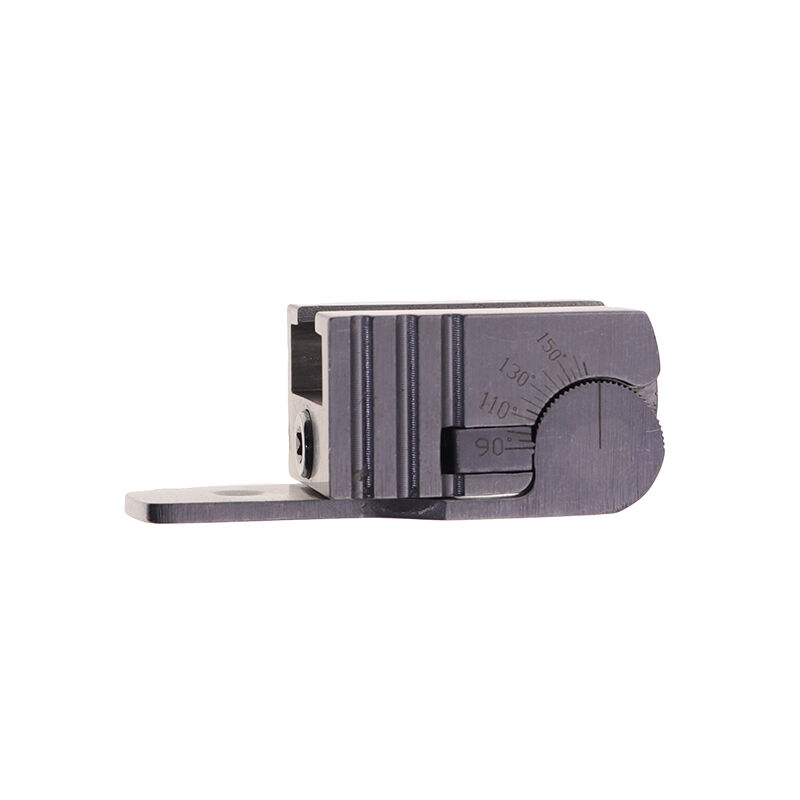
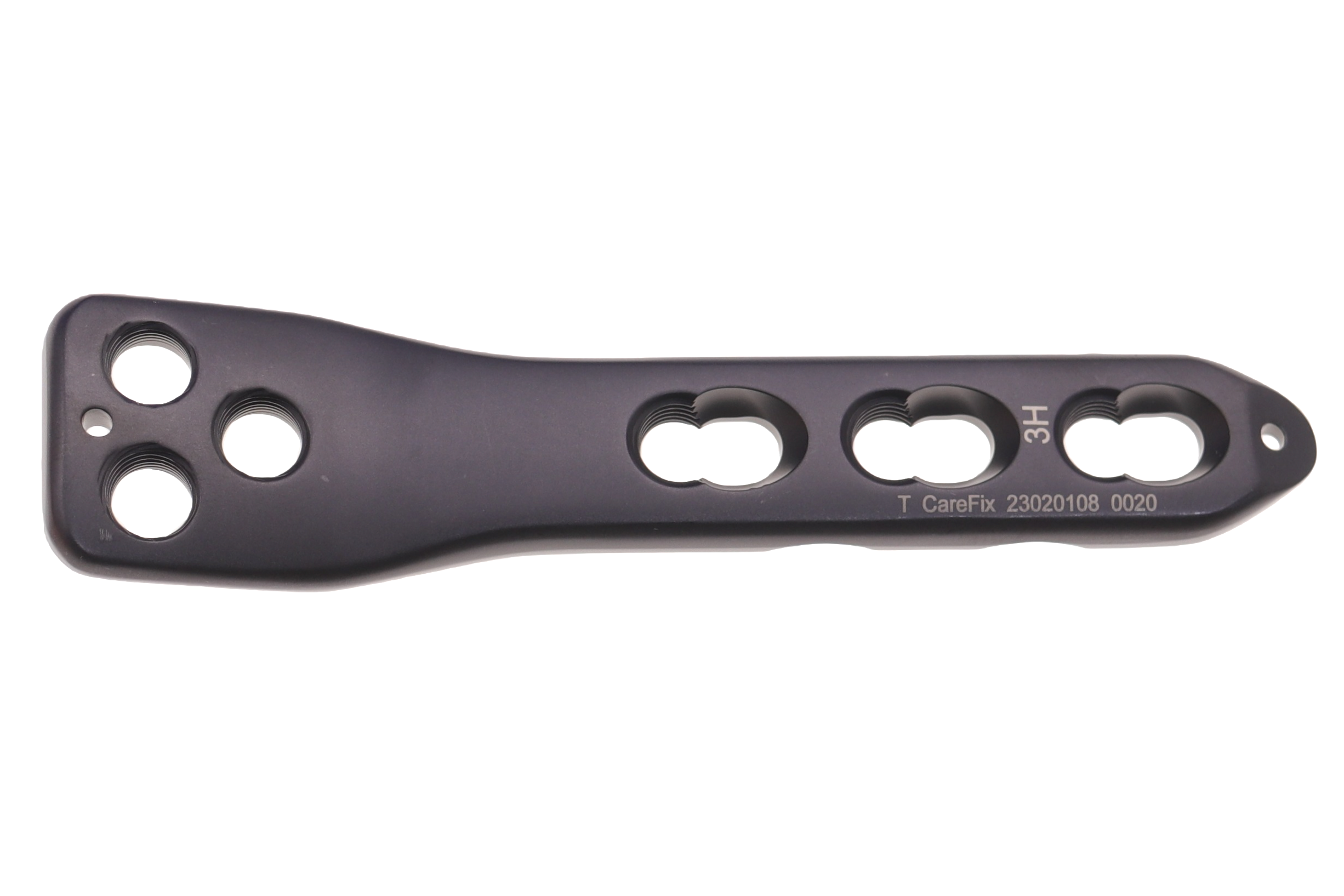
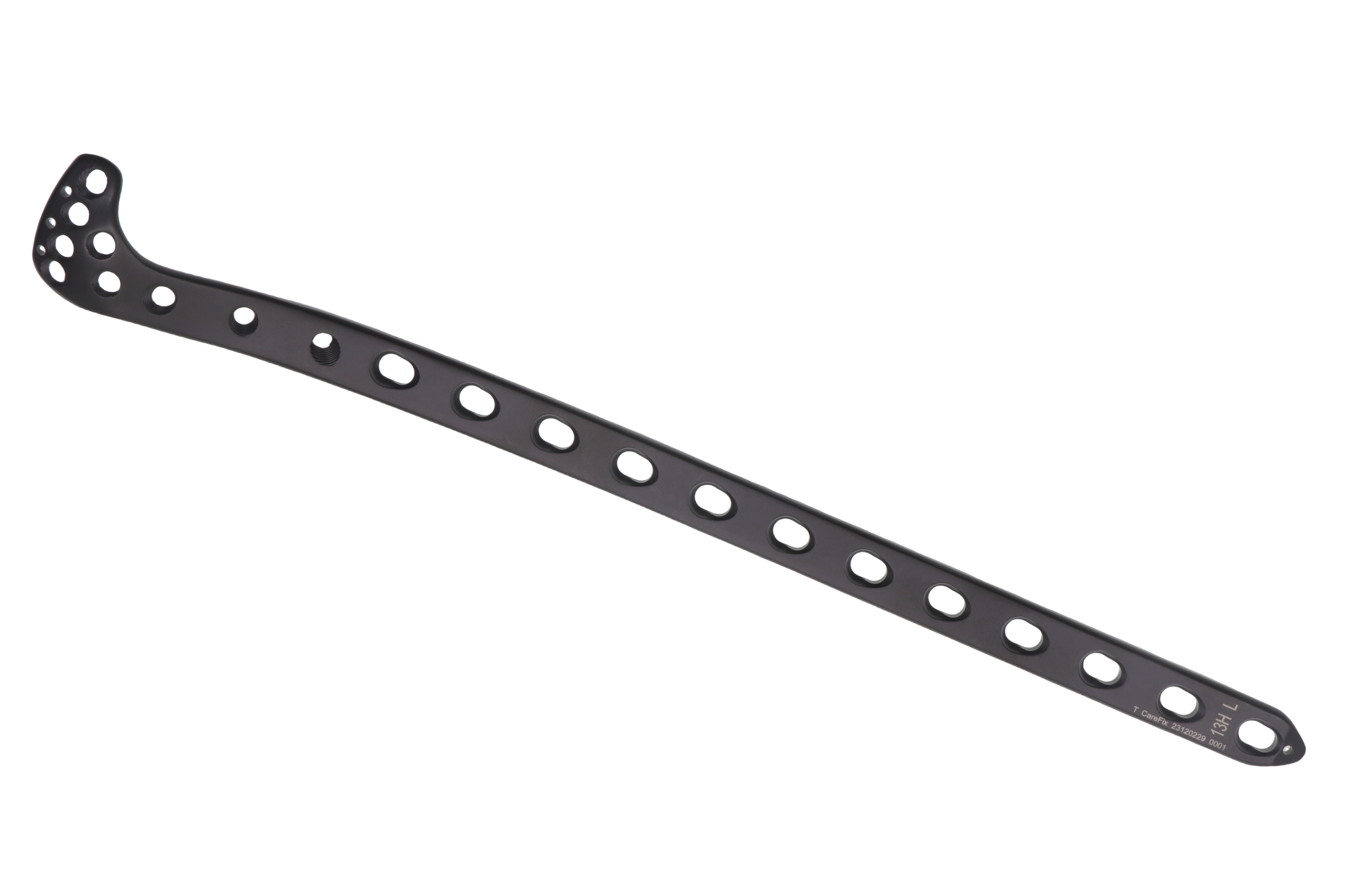
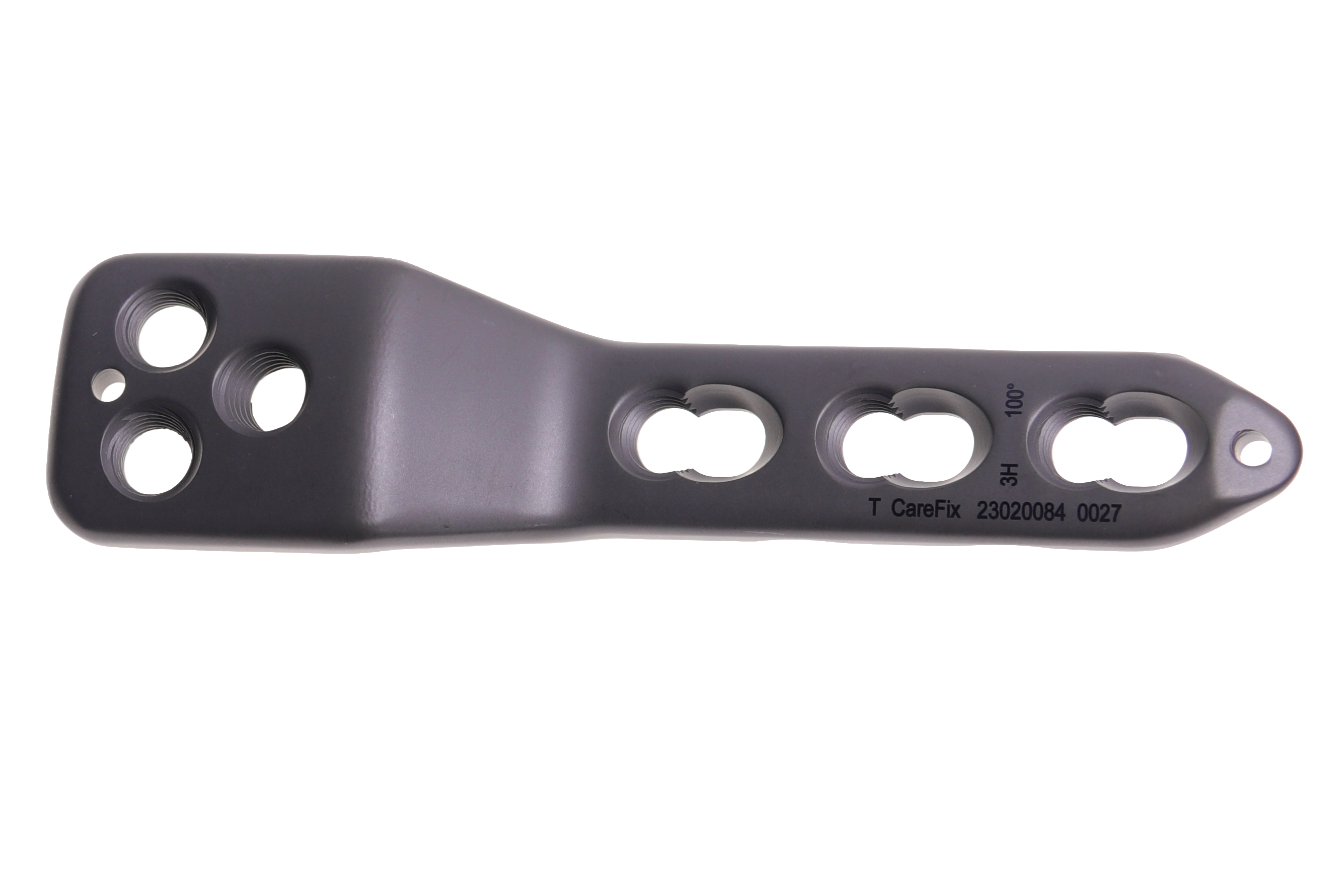
The lateral proximal tibia plate is an advanced orthopedic implant specifically designed to treat complex fractures occurring in the upper outer region of the tibia bone. This specialized fixation device addresses traumatic injuries, including fractures involving the tibial plateau, metaphyseal regions, and proximal shaft areas. Manufactured from high-grade titanium or stainless steel alloys, the lateral proximal tibia plate provides exceptional strength while maintaining biocompatibility with human tissue. The anatomically contoured design follows the natural curvature of the lateral tibia, ensuring optimal contact with bone surfaces and reducing soft tissue irritation. The plate features multiple locking and non-locking screw holes that enable surgeons to customize fixation strategies based on fracture patterns and bone quality. Advanced engineering incorporates variable angle locking technology, allowing screws to be inserted at different trajectories to capture bone fragments effectively. The low-profile construction minimizes prominence under the skin, improving patient comfort during recovery. The lateral proximal tibia plate supports both open reduction and minimally invasive surgical techniques, offering flexibility in surgical approach. Comprehensive sizing options accommodate diverse patient anatomies, from small-framed individuals to larger patients. The plate system includes specialized instruments and guides that facilitate precise placement and alignment during surgery. This fracture fixation solution has become essential in modern trauma care, helping restore tibial stability and enabling early mobilization to optimize functional outcomes.

Popular Products

Choosing the lateral proximal tibia plate delivers significant practical benefits that directly impact patient recovery and surgical success. The anatomically contoured design matches the natural bone shape, which means reduced operative time as surgeons achieve proper fit more quickly without extensive contouring. This precision fit translates to fewer complications and better healing outcomes for patients. The multiple fixation options through locking and non-locking holes provide surgeons with adaptability during surgery, allowing them to address unexpected fracture configurations without switching implant systems. For patients with compromised bone quality, such as those with osteoporosis, the locking mechanism creates a fixed-angle construct that maintains stability even when bone purchase is limited. The low-profile design offers substantial comfort advantages, reducing the likelihood of soft tissue irritation and decreasing the need for secondary hardware removal surgery, which saves patients additional procedures and recovery time. The lateral proximal tibia plate facilitates earlier weight-bearing and rehabilitation, helping patients return to daily activities faster compared to alternative treatments. The biocompatible materials minimize allergic reactions and promote natural bone healing processes. Hospitals benefit from streamlined inventory management since comprehensive sizing covers most patient populations. The versatility in surgical approach means the same lateral proximal tibia plate system works for both traditional open procedures and minimally invasive techniques, reducing equipment costs and training requirements. Surgeons appreciate the intuitive instrumentation that shortens learning curves and improves placement accuracy. For healthcare decision-makers, investing in this proven technology means fewer revision surgeries, reduced complication rates, and improved patient satisfaction scores, all contributing to better clinical outcomes and operational efficiency.

Practical Tips

Cannulated Screw Types: Features and Benefits Explained

16

Dec

Cannulated Screw Types: Features and Benefits Explained

Orthopedic surgery has evolved significantly over the past decades, with advances in implant technology playing a crucial role in improving patient outcomes. Among these innovations, the cannulated screw stands out as a versatile and highly effective...
View More
Application of carbon fiber material external fixation bracket in clinical practice

13

Jan

Application of carbon fiber material external fixation bracket in clinical practice

The integration of advanced materials in orthopedic surgery has revolutionized patient care and treatment outcomes. Among these innovations, carbon fiber external fixation systems have emerged as a superior alternative to traditional metal frameworks...
View More
Evolution of Intervertebral Fusion Device Materials: Clinical Efficacy Comparison between PEEK and Titanium Alloy

13

Jan

Evolution of Intervertebral Fusion Device Materials: Clinical Efficacy Comparison between PEEK and Titanium Alloy

The advancement of spinal surgery has been significantly influenced by the development of sophisticated intervertebral fusion device technologies. Modern spine surgeons rely heavily on these devices to achieve successful fusion outcomes while minimiz...
View More
Expanding the Boundaries of IM Nail Technology: Periarticular Fractures and Deformity Correction

06

Mar

Expanding the Boundaries of IM Nail Technology: Periarticular Fractures and Deformity Correction

Modern orthopedic surgery continues to evolve with innovative solutions that address complex fracture patterns and deformity corrections. The telescopic intramedullary nail represents a significant advancement in treating challenging periarticular fr...
View More

Get a Free Quote

Our representative will contact you soon.
Email
Name
Company Name
Message
0/1000

lateral proximal tibia plate

Anatomically Contoured Design for Superior Fit

Anatomically Contoured Design for Superior Fit

The lateral proximal tibia plate features an anatomically contoured design that precisely matches the natural geometry of the lateral tibial surface. This engineering achievement eliminates the need for intraoperative bending and contouring, which traditionally consumed valuable surgical time and potentially weakened implant integrity. The pre-contoured shape ensures intimate bone contact across the entire plate length, distributing mechanical loads evenly and reducing stress concentration points that could lead to failure. Surgeons can position the lateral proximal tibia plate confidently, knowing the predetermined curvature aligns with patient anatomy across diverse populations. The anatomical design minimizes gaps between plate and bone, reducing the space where hematoma could accumulate and potentially compromise healing. This superior fit translates directly to enhanced stability of fracture fragments, supporting faster bone union and reducing malunion risks. The design consideration extends to the soft tissue envelope, with strategic contouring that minimizes prominent edges and corners that might irritate overlying muscles and skin. Patients experience greater comfort during recovery, with reduced pain and swelling around the surgical site, facilitating improved compliance with rehabilitation protocols and ultimately achieving better functional restoration.
Advanced Locking Technology for Maximum Stability

Advanced Locking Technology for Maximum Stability

The lateral proximal tibia plate incorporates advanced locking screw technology that creates a fixed-angle construct, transforming the plate-screw interface into a unified structural system. Unlike conventional plates where screws can toggle within holes, the locking mechanism threads screws directly into the plate, creating angular stability that resists deforming forces. This technology proves particularly valuable when treating fractures in patients with poor bone quality, where traditional compression screws might pull out under physiological loads. The variable angle locking capability allows surgeons to adjust screw trajectories within a cone of angulation, providing flexibility to avoid articular surfaces, capture specific fracture fragments, or navigate around existing hardware. This adaptability makes the lateral proximal tibia plate suitable for complex revision cases and periarticular fractures requiring precise three-dimensional fragment control. The locking mechanism maintains reduction without relying solely on friction between plate and bone, reducing the need for extensive soft tissue stripping to achieve compression. Biomechanical testing demonstrates superior resistance to cyclical loading, meaning the construct maintains stability throughout the healing period even as patients begin progressive weight-bearing. The combination of locking and non-locking options in a single lateral proximal tibia plate provides surgeons with tactical choices to optimize each unique clinical situation.
Versatile Application Across Surgical Techniques

Versatile Application Across Surgical Techniques

The lateral proximal tibia plate offers remarkable versatility, supporting both traditional open reduction internal fixation and contemporary minimally invasive percutaneous plate osteosynthesis techniques. This dual capability means surgical teams can select the approach best suited to each patient's specific injury pattern, soft tissue condition, and overall health status without requiring different implant systems. For straightforward fracture patterns with healthy soft tissue coverage, surgeons may choose open approaches that allow direct visualization and manipulation of fragments. When dealing with significant soft tissue trauma or comminuted fractures where preservation of blood supply is critical, the same lateral proximal tibia plate accommodates minimally invasive insertion through small incisions, protecting the biological environment essential for healing. The plate design includes features specifically supporting percutaneous techniques, such as threaded insertion guides and radiolucent targeting devices that enable accurate placement under fluoroscopic guidance. This versatility extends to fracture types, with the lateral proximal tibia plate effectively treating simple metaphyseal fractures, complex intra-articular splits, and shaft extension fractures within a single system. Healthcare facilities benefit economically from this multipurpose capability, reducing inventory complexity while ensuring surgeons have appropriate tools for diverse clinical scenarios, ultimately improving surgical efficiency and patient care quality.
logo