Clavicle LCP: Advanced Fracture Fixation System

Get a Free Quote

Our representative will contact you soon.
Email
Name
Company Name
Message
0/1000

clavicle lcp

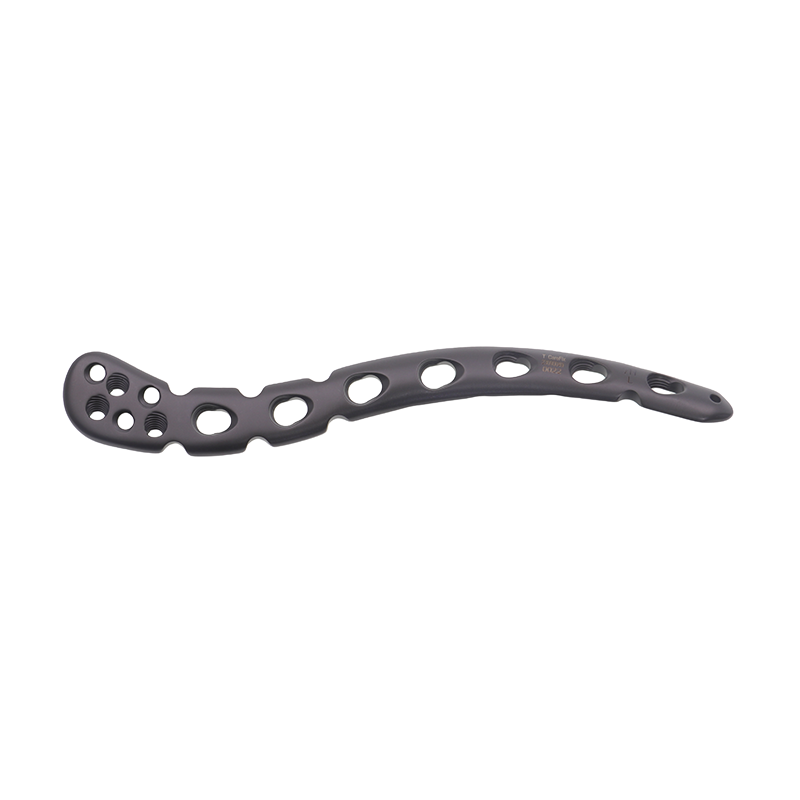
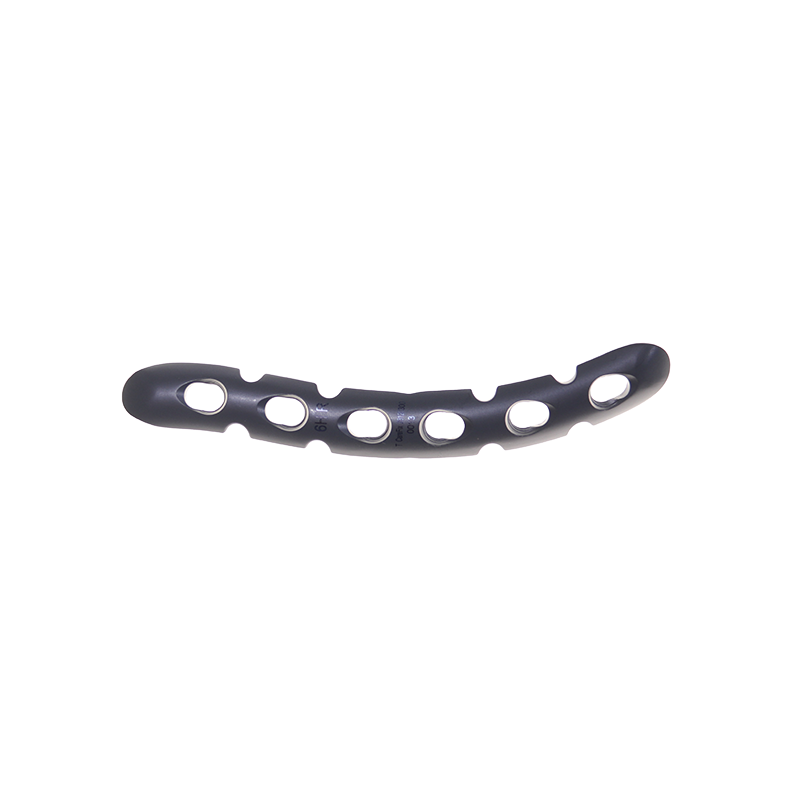
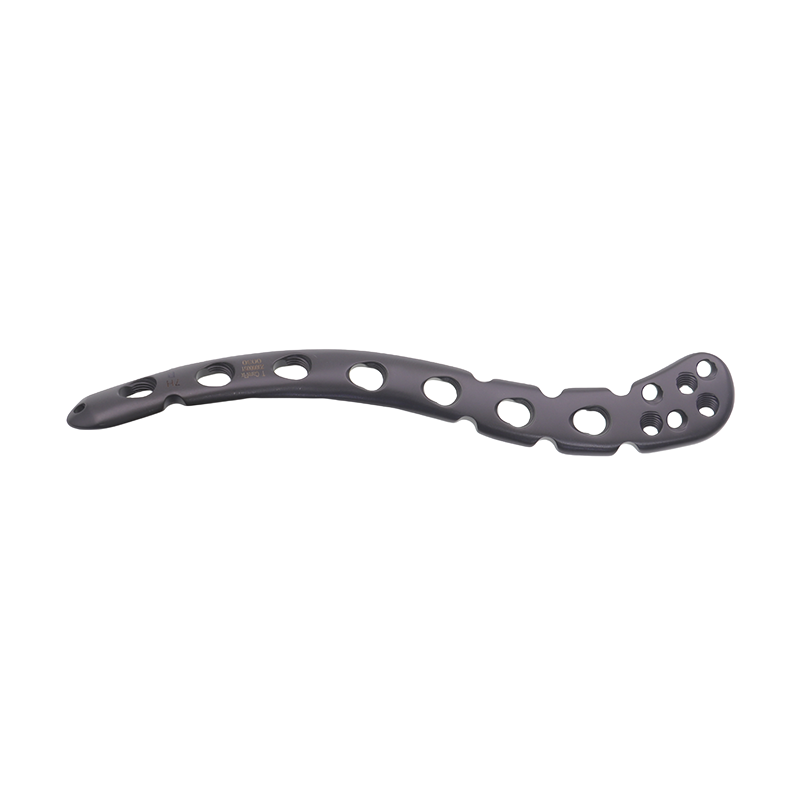
The clavicle lcp represents a specialized orthopedic implant system designed for surgical fixation of clavicle fractures. This locking compression plate utilizes advanced biomechanical principles to provide stable fracture stabilization while promoting optimal healing outcomes. The clavicle lcp features an anatomically contoured design that matches the natural S-shape curvature of the collarbone, ensuring precise fit and reduced soft tissue irritation. Manufactured from medical-grade titanium alloy, this implant system combines strength with biocompatibility for long-term patient safety. The main functions include fracture fragment alignment, compression application, and angular stability through its innovative locking screw technology. Technological features encompass combination holes that allow surgeons to choose between compression and locking techniques, low-profile construction to minimize implant prominence, and multiple plate lengths to accommodate various fracture patterns. The clavicle lcp system incorporates threaded screw holes that create a fixed-angle construct, providing superior stability compared to conventional plating methods. This technology proves particularly beneficial for comminuted fractures, osteoporotic bone, and cases requiring immediate load-bearing capacity. Applications span traumatic midshaft clavicle fractures, lateral end fractures, nonunion cases, and malunion corrections. The system serves orthopedic trauma surgeons treating acute injuries and reconstructive procedures. Its versatility extends to both simple and complex fracture configurations, making the clavicle lcp an essential tool in contemporary shoulder trauma management.

New Products

Choosing the clavicle lcp delivers significant practical benefits that directly impact patient recovery and surgical success. The primary advantage lies in its dual functionality, allowing surgeons to apply compression for simple fractures while utilizing locking technology for unstable or complex patterns within the same procedure. This flexibility eliminates the need for multiple implant systems, streamlining inventory management and reducing hospital costs. Patients benefit from faster healing times due to the anatomical contouring that maintains proper clavicle alignment and shoulder girdle mechanics. The low-profile design minimizes cosmetic concerns and reduces the likelihood of implant removal procedures, decreasing overall healthcare expenses and patient discomfort. Operational benefits include simplified surgical technique with clear instrumentation and straightforward application protocols that reduce operating room time by an average of fifteen to twenty minutes compared to traditional methods. The clavicle lcp demonstrates exceptional performance in compromised bone quality situations, where conventional screws might fail to achieve adequate purchase. This makes it particularly suitable for elderly patients with osteoporosis or younger patients with severely comminuted fractures. The locking mechanism creates a fixed-angle construct that prevents screw loosening and maintains reduction even under physiological loading conditions. Surgeons gain confidence knowing the implant provides reliable stability across diverse patient populations and fracture types. The titanium construction offers permanent implantation safety with minimal risk of metal sensitivity reactions. Decision-making becomes easier as the clavicle lcp addresses multiple clinical scenarios with one comprehensive system, reducing the learning curve for new surgeons while providing experienced practitioners with advanced fixation options that improve patient outcomes and satisfaction rates.

Tips And Tricks

Application analysis of intramedullary nail system in ankle joint fusion

16

Dec

Application analysis of intramedullary nail system in ankle joint fusion

The evolution of orthopedic surgical techniques has brought significant advancements in treating complex ankle pathologies, particularly through the implementation of modern fixation systems. An intramedullary nail system represents a revolutionary a...
View More
No need for secondary surgery: How does the self-lengthening intramedullary nail synchronize with bone development?

11

Feb

No need for secondary surgery: How does the self-lengthening intramedullary nail synchronize with bone development?

The evolution of pediatric orthopedic surgery has witnessed remarkable advancements in recent decades, with the telescopic intramedullary nail emerging as a groundbreaking solution for treating femoral shaft fractures in growing children. This innova...
View More
Expanding the Boundaries of IM Nail Technology: Periarticular Fractures and Deformity Correction

06

Mar

Expanding the Boundaries of IM Nail Technology: Periarticular Fractures and Deformity Correction

Modern orthopedic surgery continues to evolve with innovative solutions that address complex fracture patterns and deformity corrections. The telescopic intramedullary nail represents a significant advancement in treating challenging periarticular fr...
View More
Cannulated screw system: Technological advancements in the treatment of ankle fractures

06

Mar

Cannulated screw system: Technological advancements in the treatment of ankle fractures

Ankle fractures represent one of the most challenging orthopedic injuries requiring precise surgical intervention and advanced fixation methods. The evolution of fracture treatment has been significantly enhanced by the introduction of modern cannula...
View More

Get a Free Quote

Our representative will contact you soon.
Email
Name
Company Name
Message
0/1000

clavicle lcp

Anatomically Contoured Design for Optimal Fit

Anatomically Contoured Design for Optimal Fit

The clavicle lcp features a precisely engineered anatomical contour that replicates the natural double-curve geometry of the human clavicle. This sophisticated design consideration ensures the plate sits flush against the bone surface without gaps or excessive pressure points that could cause soft tissue complications. The anatomical shaping eliminates the need for intraoperative bending, which can compromise plate strength and fatigue resistance. Surgeons appreciate this pre-contoured configuration as it significantly reduces surgical time and technical difficulty while improving reproducibility across cases. The proper fit achieved through anatomical contouring maintains the natural biomechanics of the shoulder girdle, preserving scapular motion and preventing long-term functional deficits. Patients experience less postoperative discomfort because the low-profile, contoured plate minimizes irritation of overlying skin and subcutaneous tissues. This design feature proves especially valuable in thin patients where implant prominence commonly causes cosmetic concerns and requires secondary removal surgery. The clavicle lcp anatomical design represents a fundamental advancement over generic straight plates, delivering superior clinical outcomes through thoughtful engineering that respects human anatomy.
Combination Hole Technology for Surgical Versatility

Combination Hole Technology for Surgical Versatility

The innovative combination hole feature of the clavicle lcp provides surgeons with unprecedented flexibility during fracture fixation procedures. Each hole incorporates both a dynamic compression unit and threaded locking capability within a single aperture, allowing real-time decision-making based on fracture characteristics and bone quality assessment. Surgeons can apply interfragmentary compression using standard cortical screws in specific holes to close fracture gaps, then switch to locking screws in adjacent positions to create angular stability and prevent secondary displacement. This dual functionality eliminates compromises inherent in choosing between compression plating and locked plating systems. The combination hole technology accommodates varying surgical philosophies and techniques without requiring different implant inventories. In complex fracture patterns with both large fragments requiring compression and small fragments needing fixed-angle support, the clavicle lcp delivers comprehensive solutions through its versatile hole design. This adaptability extends the applicable patient population, making the system suitable for straightforward transverse fractures as well as challenging comminuted injuries. Healthcare facilities benefit from reduced inventory costs while maintaining capability to address all clavicle fracture types, and surgeons gain confidence from having multiple fixation strategies available without changing implant systems mid-procedure.
Locking Screw Mechanism for Superior Stability

Locking Screw Mechanism for Superior Stability

The locking screw technology integrated into the clavicle lcp establishes a fixed-angle relationship between screws and plate, creating an internal fixator construct that provides exceptional biomechanical stability. Unlike conventional screws that rely solely on friction between screw threads and bone for purchase, locking screws thread directly into the plate holes, transforming the entire construct into a single unified structure. This mechanism distributes forces across the entire implant rather than concentrating stress at individual screw-bone interfaces, dramatically reducing the risk of screw loosening or pullout in compromised bone. The angular stability provided by locking technology proves crucial in osteoporotic patients, where traditional fixation methods frequently fail due to poor bone quality. The clavicle lcp locking mechanism maintains fracture reduction even when direct bone-to-plate contact is imperfect, supporting bridge plating techniques for severely comminuted zones. Patients experience more predictable healing with lower rates of fixation failure, malunion, or nonunion complications. The locking feature enables earlier rehabilitation and faster return to functional activities because the rigid construct can withstand physiological loads during the healing phase. This superior stability translates to improved patient satisfaction, reduced revision surgery rates, and better long-term functional outcomes across diverse fracture patterns and patient demographics.
logo