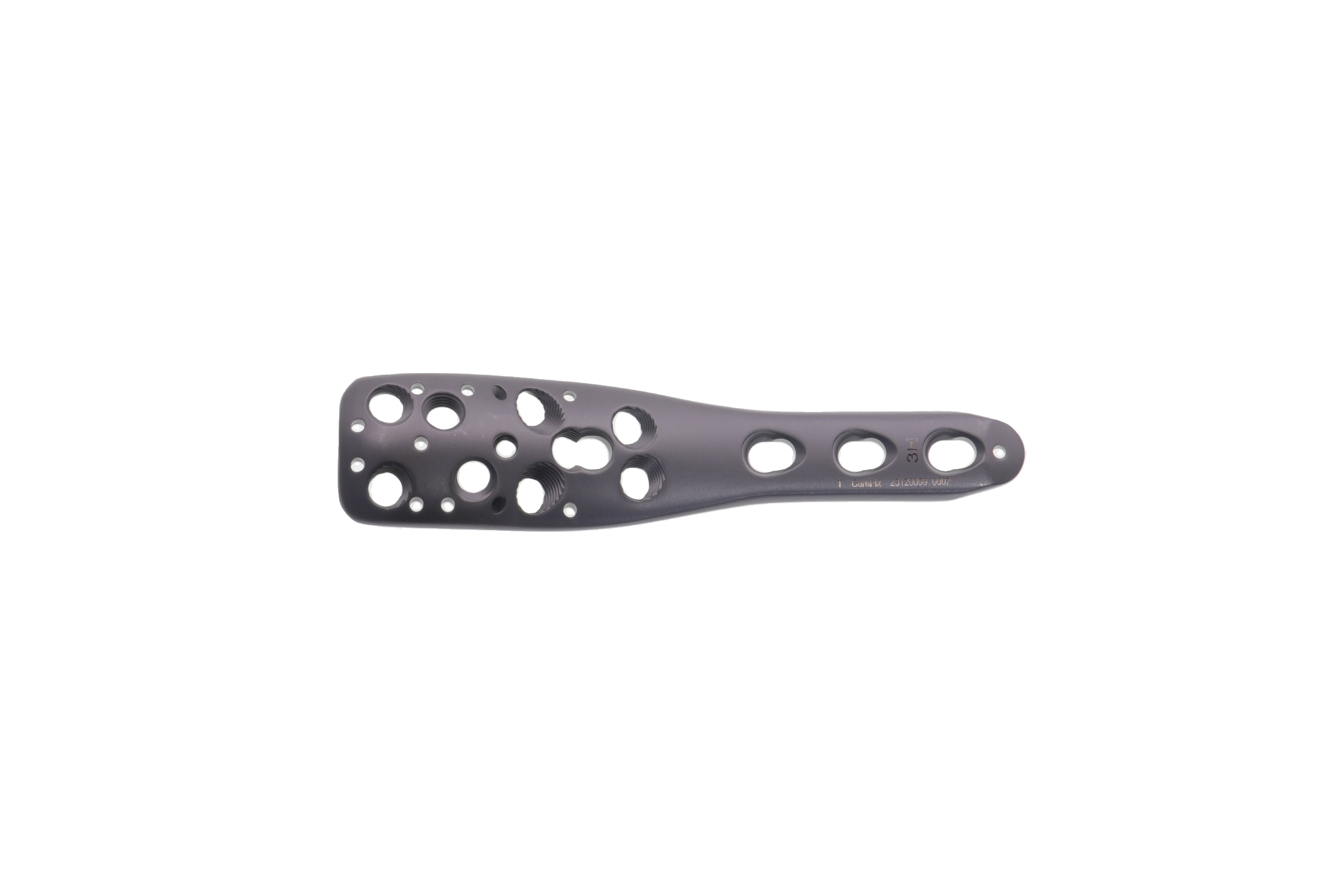
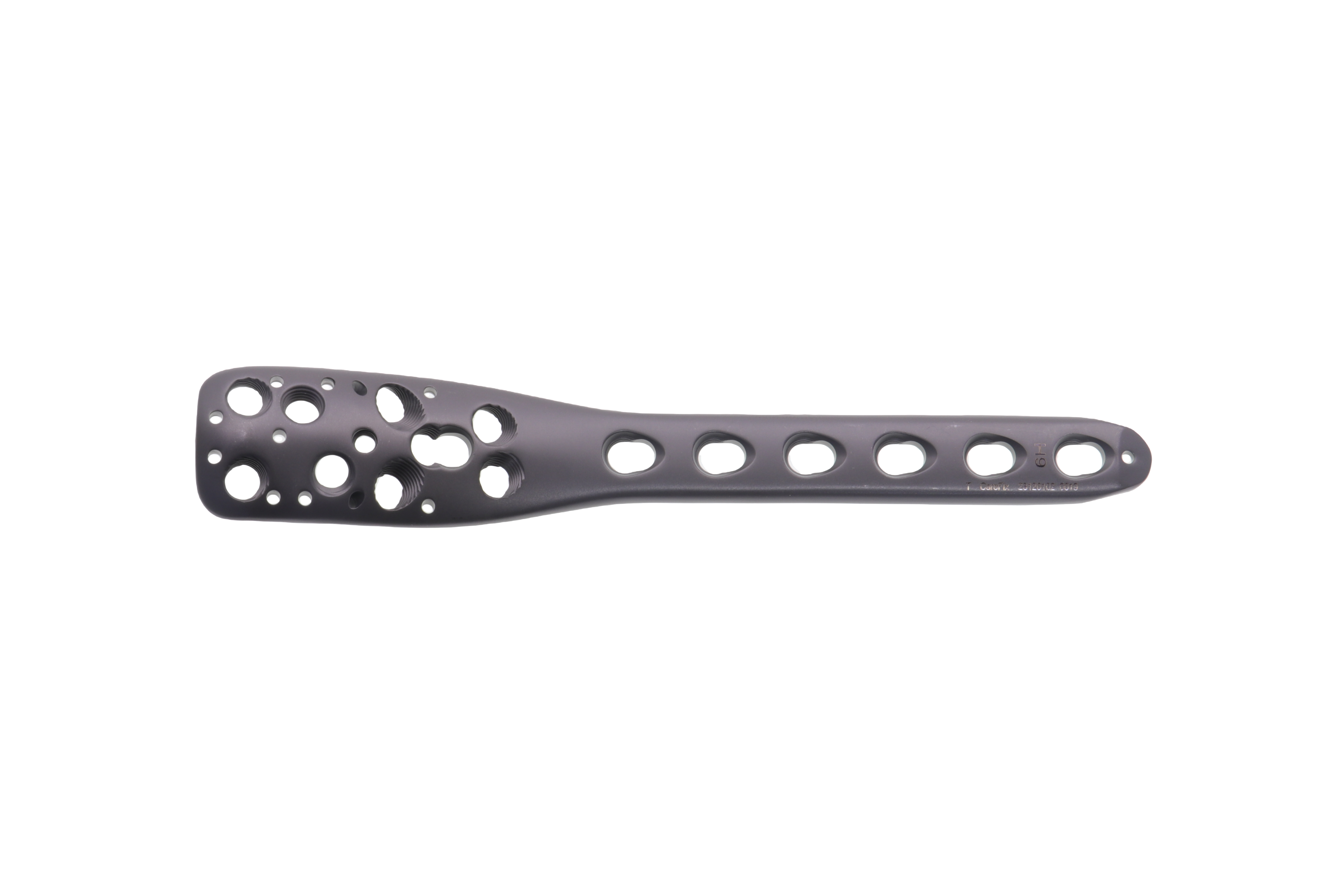
Proximal Humerus Locking Plate Solutions

Get a Free Quote

Our representative will contact you soon.
Email
Name
Company Name
Message
0/1000

proximal humerus locking plate

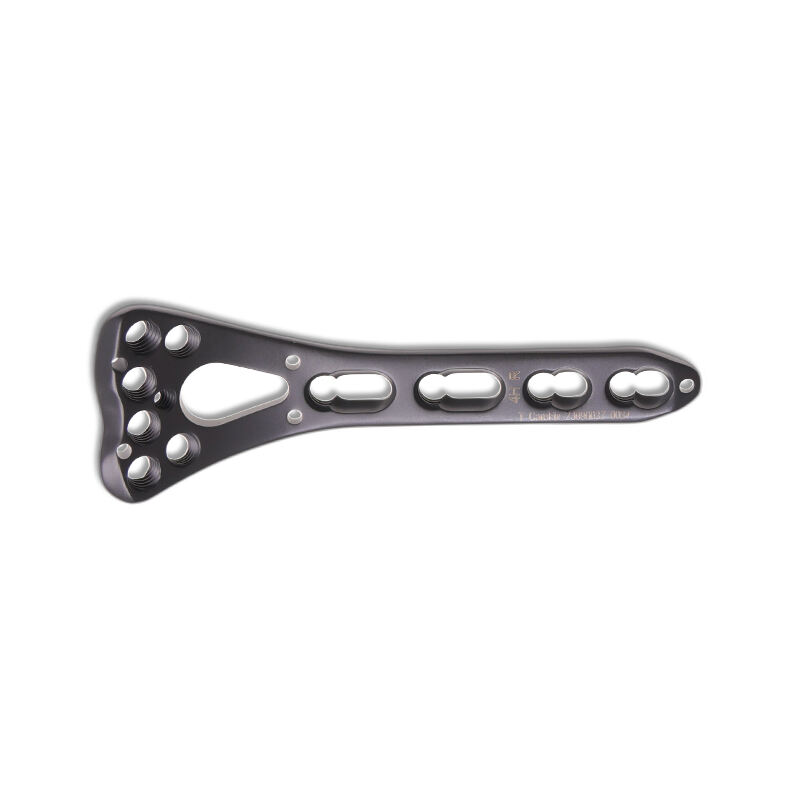
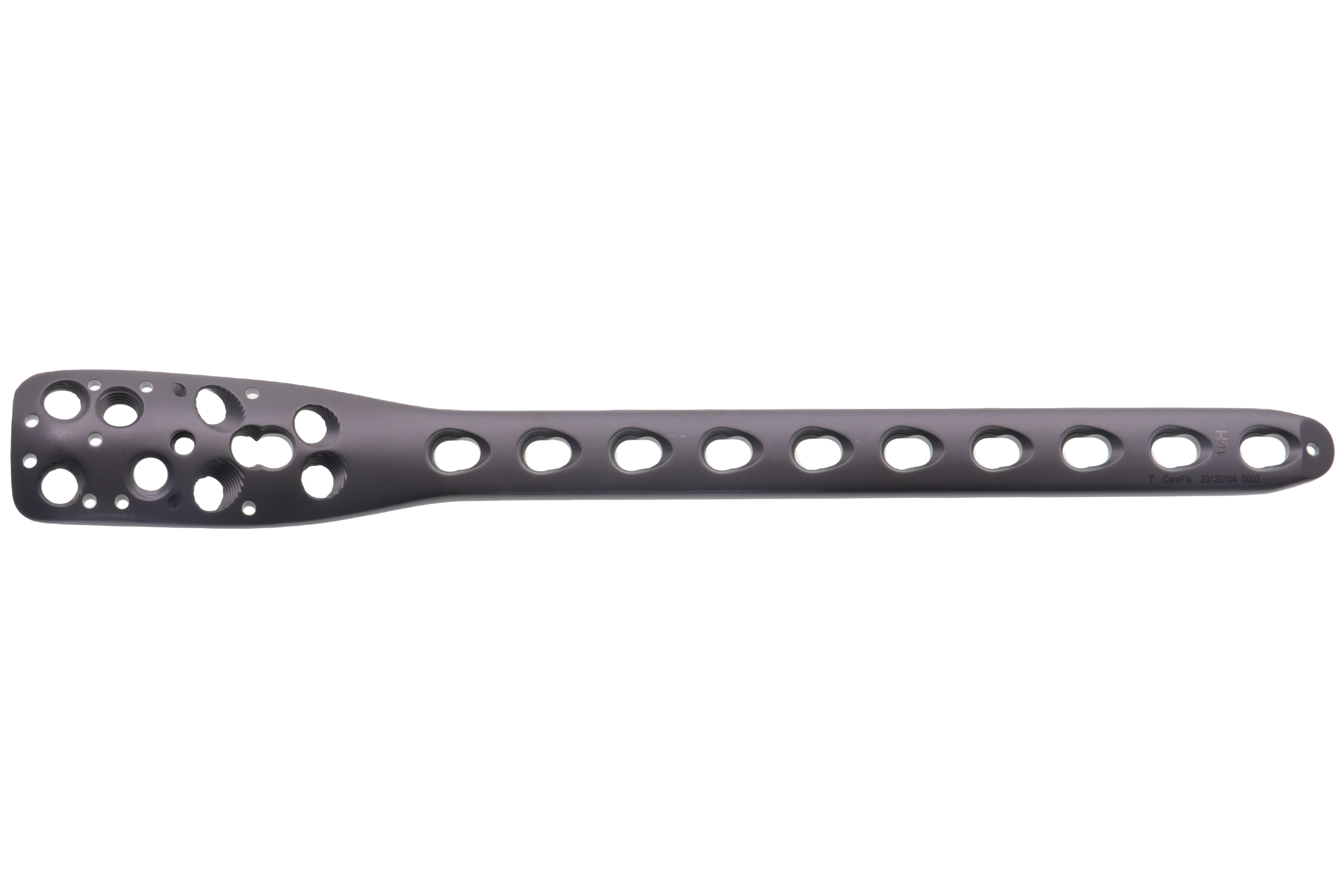
The proximal humerus locking plate is an advanced orthopedic implant specifically engineered to treat complex fractures of the upper arm bone near the shoulder joint. This sophisticated fixation device combines angular stability with anatomical contouring to provide surgeons with a reliable solution for managing proximal humerus fractures, including multi-fragmentary breaks, osteoporotic bone conditions, and comminuted injuries. The proximal humerus locking plate features a low-profile design that minimizes soft tissue irritation while maximizing bone-to-plate contact for optimal healing outcomes. Its primary function involves stabilizing fractured bone segments through fixed-angle locking screws that create a stable construct, preventing secondary displacement during the critical healing period. Technological innovations incorporated into the proximal humerus locking plate include pre-contoured anatomical shapes that match the natural curvature of the proximal humerus, multiple screw trajectory options for enhanced fixation in the humeral head, and locking mechanism technology that maintains angular stability regardless of bone quality. Medical applications span trauma surgery, reconstructive procedures, and revision operations where traditional fixation methods have proven inadequate. The device serves patients across diverse demographics, from young trauma victims to elderly individuals with age-related bone fragility, making it an essential tool in modern orthopedic practice for restoring shoulder function and enabling early mobilization protocols.

Popular Products

Choosing the proximal humerus locking plate delivers substantial practical benefits that directly impact patient outcomes and surgical efficiency. The fixed-angle locking technology eliminates the risk of screw loosening, which means patients experience more predictable healing without the complications associated with hardware failure. This stability advantage becomes particularly valuable when treating elderly patients with weakened bone structure, as the locking mechanism distributes forces evenly across the plate rather than relying solely on bone purchase. Surgeons appreciate the operational benefits of working with a proximal humerus locking plate system that offers multiple screw insertion angles, allowing customization based on each patient's unique fracture pattern and bone anatomy. This flexibility reduces surgery time and improves placement accuracy, translating to shorter anesthesia exposure and reduced infection risk for patients. The anatomically pre-contoured design means less intraoperative bending and adjustment, streamlining the surgical workflow while maintaining optimal biomechanical alignment. From a recovery perspective, the low-profile construction minimizes the sensation of hardware under the skin, improving patient comfort during rehabilitation and reducing the likelihood of requiring later removal surgery. The proximal humerus locking plate proves especially suitable for complex fracture patterns where traditional plates would fail, including three-part and four-part fractures that challenge conventional fixation approaches. Buyers gain confidence knowing this technology represents current best practices in fracture management, supported by extensive clinical research demonstrating superior union rates and functional outcomes. The decision to select a proximal humerus locking plate system reflects a commitment to providing patients with the highest standard of care, backed by proven performance across thousands of successful surgical cases worldwide.

Latest News

Cannulated Screw Types: Features and Benefits Explained

16

Dec

Cannulated Screw Types: Features and Benefits Explained

Orthopedic surgery has evolved significantly over the past decades, with advances in implant technology playing a crucial role in improving patient outcomes. Among these innovations, the cannulated screw stands out as a versatile and highly effective...
View More
Expanding the Boundaries of IM Nail Technology: Periarticular Fractures and Deformity Correction

06

Mar

Expanding the Boundaries of IM Nail Technology: Periarticular Fractures and Deformity Correction

Modern orthopedic surgery continues to evolve with innovative solutions that address complex fracture patterns and deformity corrections. The telescopic intramedullary nail represents a significant advancement in treating challenging periarticular fr...
View More
Cannulated screw system: Technological advancements in the treatment of ankle fractures

06

Mar

Cannulated screw system: Technological advancements in the treatment of ankle fractures

Ankle fractures represent one of the most challenging orthopedic injuries requiring precise surgical intervention and advanced fixation methods. The evolution of fracture treatment has been significantly enhanced by the introduction of modern cannula...
View More
Distal radial volar locking plate: refined design enhances the success rate of fracture fixation

06

Mar

Distal radial volar locking plate: refined design enhances the success rate of fracture fixation

The treatment of distal radius fractures has undergone significant evolution in recent decades, with the distal radial volar locking plate emerging as a cornerstone technology in modern orthopedic practice. These innovative implants represent a parad...
View More

Get a Free Quote

Our representative will contact you soon.
Email
Name
Company Name
Message
0/1000

proximal humerus locking plate

Advanced Locking Mechanism for Superior Stability

Advanced Locking Mechanism for Superior Stability

The defining characteristic of the proximal humerus locking plate lies in its sophisticated locking screw technology that creates a fixed-angle construct between screws and plate. Unlike conventional plates that rely on friction between the screw head and plate hole, this locking system transforms the entire assembly into a unified structure that functions as an internal fixator. This engineering approach proves critical when treating fractures in compromised bone, where traditional compression techniques would cause screws to toggle or pull out during healing. The angular stability provided by the proximal humerus locking plate maintains fracture reduction even when bone quality is poor, enabling successful outcomes in osteoporotic patients who previously faced limited treatment options. Surgeons can confidently apply early range-of-motion protocols knowing the fixation will maintain alignment throughout rehabilitation, accelerating functional recovery and reducing stiffness complications. The locking mechanism distributes mechanical loads across multiple screws rather than concentrating stress at individual points, significantly reducing the risk of catastrophic fixation failure that could necessitate revision surgery.
Anatomically Contoured Design for Optimal Fit

Anatomically Contoured Design for Optimal Fit

Every proximal humerus locking plate undergoes precise anatomical engineering based on extensive bone morphology studies, ensuring the implant matches the natural three-dimensional contours of the upper humerus. This meticulous contouring eliminates the need for significant intraoperative bending, which can compromise plate strength and create stress concentrations that lead to implant failure. The anatomical design positions screw holes exactly where surgeons need them to capture key bone fragments, particularly in the humeral head where strategic screw placement determines fixation success. By conforming closely to bone surfaces, the proximal humerus locking plate minimizes the gap between implant and bone, reducing dead space where fluid can accumulate and potentially interfere with healing. The low-profile contour also decreases soft tissue impingement against the plate edges, lowering the incidence of postoperative discomfort and subacromial irritation that sometimes requires hardware removal. Patients benefit from this thoughtful design through improved comfort during daily activities and reduced awareness of the implant presence, contributing to higher satisfaction rates and better compliance with rehabilitation protocols essential for optimal shoulder function restoration.
Versatile Screw Options for Customized Fixation

Versatile Screw Options for Customized Fixation

The proximal humerus locking plate system incorporates multiple screw types and trajectory options that allow surgeons to tailor fixation strategies to each unique fracture configuration and patient anatomy. Variable-angle locking screws enable adjustment within a cone of angulation, providing flexibility to avoid existing hardware, navigate around fracture lines, or optimize purchase in areas of better bone quality. This adaptability proves invaluable when encountering unexpected intraoperative findings or anatomical variations that would limit standard fixed-trajectory systems. The proximal humerus locking plate typically offers combinations of locking screws, cortical screws, and cancellous screws, each serving specific biomechanical purposes within the overall construct. Surgeons can employ compression screws to reduce fracture gaps before applying locking screws for definitive stabilization, combining the benefits of both fixation philosophies in a single system. The humeral head region features carefully planned screw clusters that maximize subchondral bone support without penetrating the articular surface, a critical factor in preventing postoperative joint complications. This versatility extends the applicability of the proximal humerus locking plate across the full spectrum of proximal humerus fractures, from simple two-part patterns to complex multi-fragmentary injuries, making it a comprehensive solution for diverse clinical scenarios.
logo