Titanium Trauma Plate: Advanced Fracture Fixation

Get a Free Quote

Our representative will contact you soon.
Email
Name
Company Name
Message
0/1000

titanium trauma plate

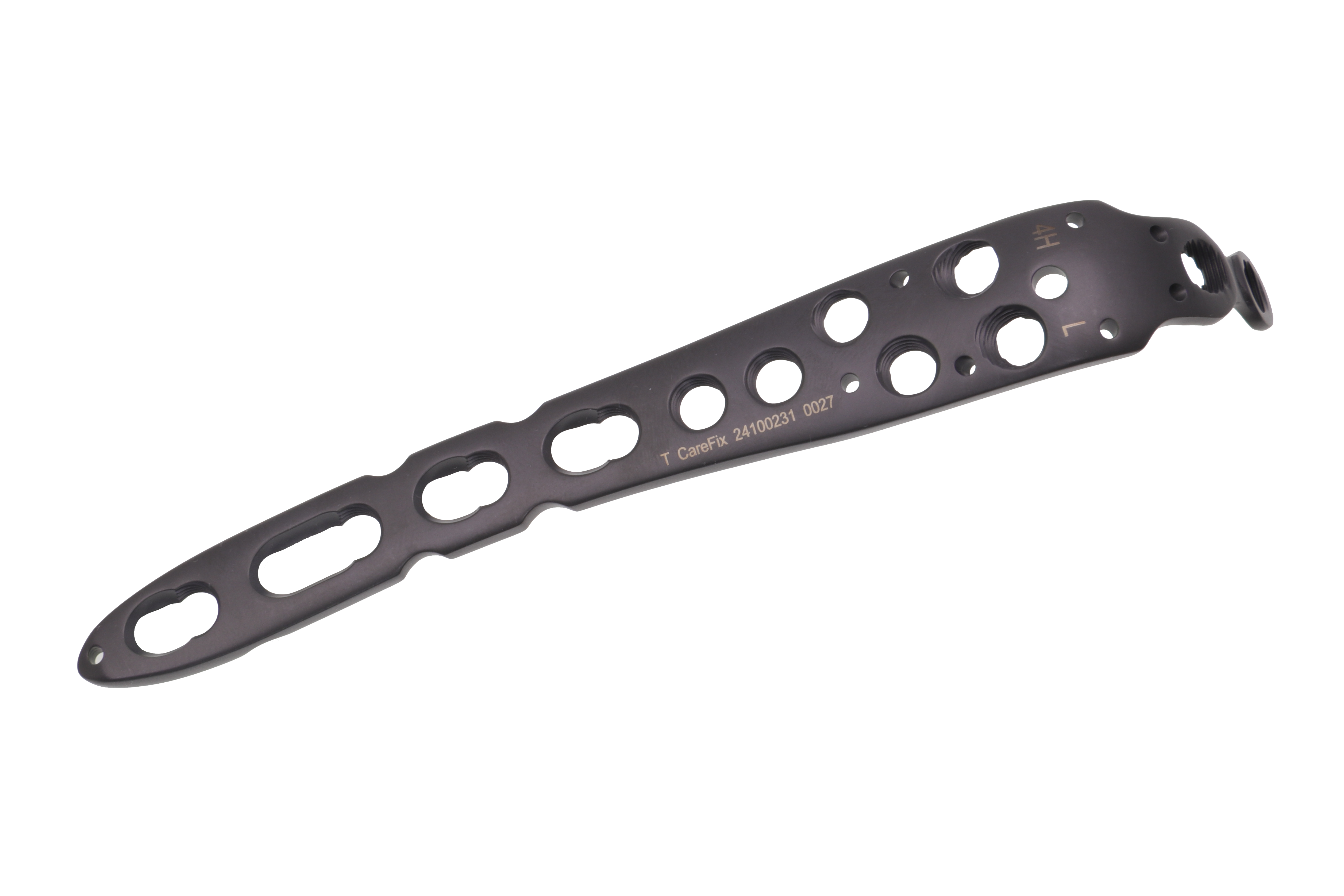
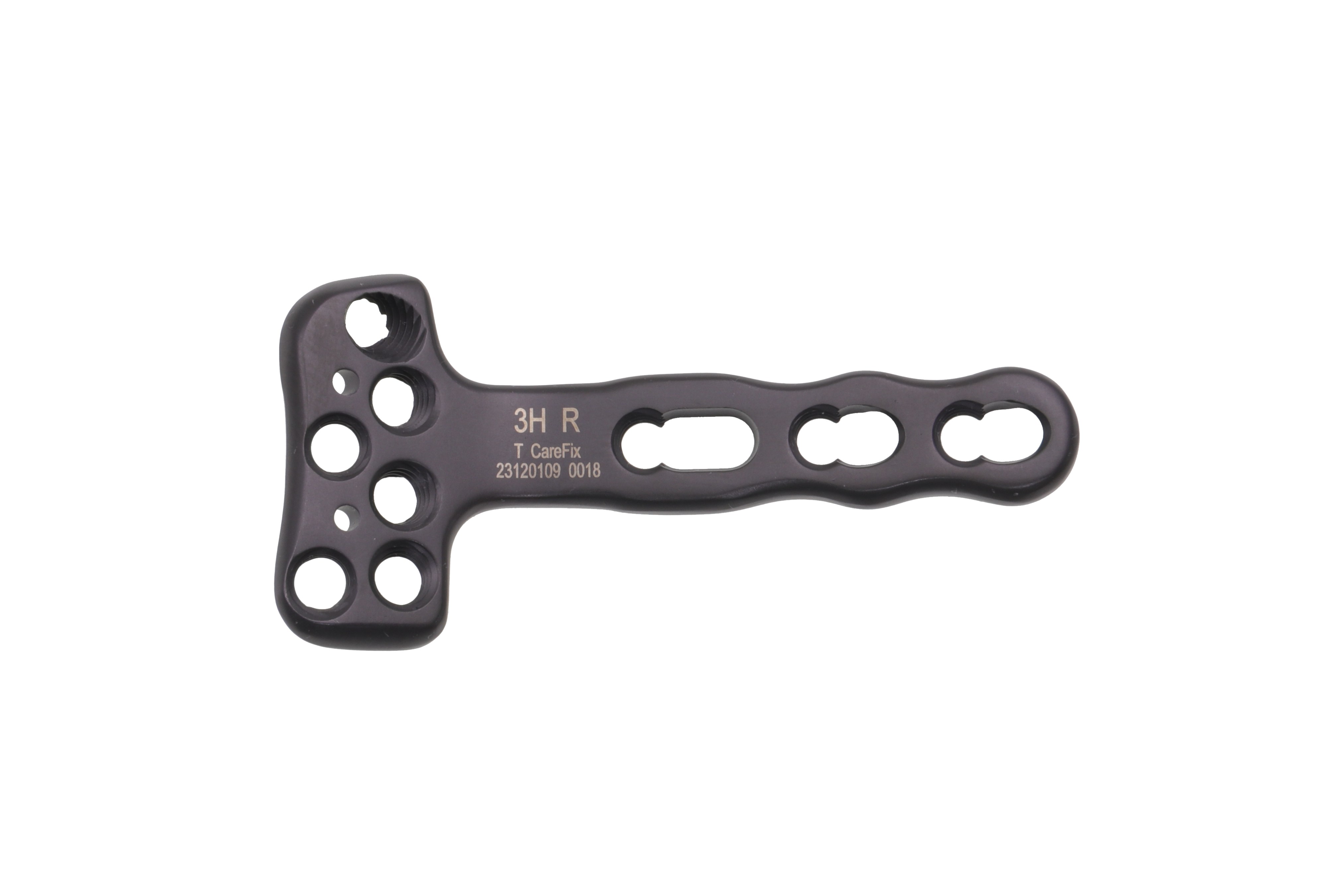
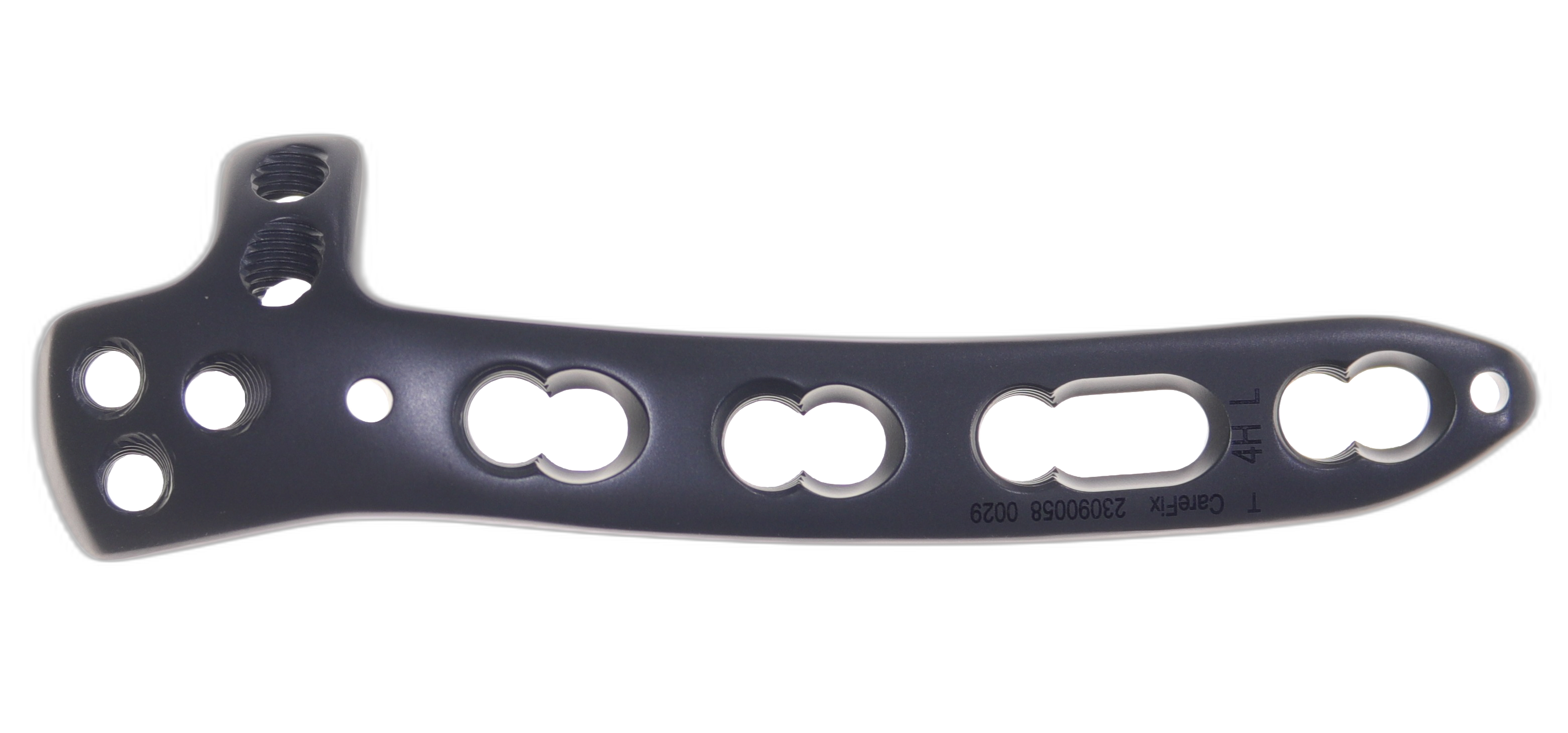
A titanium trauma plate is a specialized orthopedic implant designed to stabilize and support fractured bones during the healing process. Manufactured from medical-grade titanium alloy, this surgical device provides essential structural support for complex bone fractures, particularly in weight-bearing areas such as the pelvis, femur, tibia, and upper extremities. The titanium trauma plate serves as an internal fixation system that surgeons secure to bone fragments using surgical screws, maintaining proper alignment while natural bone regeneration occurs. These implants feature anatomically contoured designs that match the natural shape of specific bones, ensuring optimal fit and reducing surgical complexity. The titanium trauma plate incorporates advanced locking mechanisms that create a fixed-angle construct between the plate and screws, providing superior stability compared to traditional compression plates. Modern manufacturing techniques allow for precise hole placement, variable screw angles, and low-profile designs that minimize soft tissue irritation. The porous surface treatment on many titanium trauma plate models promotes osseointegration, encouraging bone cells to grow into the implant surface for enhanced long-term stability. These devices are essential in trauma surgery, reconstructive procedures, and complex fracture management where conventional casting or external fixation proves insufficient. The versatility of the titanium trauma plate makes it suitable for both emergency trauma cases and planned orthopedic reconstructions across various patient populations.

New Product Recommendations

The titanium trauma plate delivers exceptional biocompatibility, meaning your body accepts the implant without triggering adverse reactions or rejection responses that could compromise healing. This superior compatibility reduces inflammation and allows faster recovery compared to alternative materials. The lightweight nature of titanium provides necessary strength without adding excessive weight to the surgical site, making patient movement more comfortable during rehabilitation. Corrosion resistance ensures the titanium trauma plate maintains structural integrity throughout the healing period and beyond, eliminating concerns about implant degradation that could necessitate revision surgery. The radiolucent properties of titanium allow clear visualization during X-ray and CT imaging, enabling surgeons to monitor bone healing progress without implant interference obscuring critical details. Patients benefit from reduced postoperative pain due to the low-profile design that minimizes irritation to surrounding muscles and soft tissues. The titanium trauma plate offers remarkable strength-to-weight ratio, providing robust fracture stabilization while keeping the implant as unobtrusive as possible. Temperature stability means these implants remain comfortable regardless of environmental conditions, unlike some metals that conduct heat or cold excessively. The locking mechanism creates a fixed-angle relationship between screws and plate, distributing forces more evenly and reducing the risk of screw loosening or pullout in osteoporotic bone. Surgeons appreciate the versatility of the titanium trauma plate across multiple anatomical locations and fracture patterns, reducing inventory requirements while maintaining treatment effectiveness. Long-term studies demonstrate excellent osseointegration, with many patients retaining their titanium trauma plate permanently without complications, eliminating the need for secondary removal procedures unless specifically indicated for individual circumstances.

Tips And Tricks

Application of carbon fiber material external fixation bracket in clinical practice

13

Jan

Application of carbon fiber material external fixation bracket in clinical practice

The integration of advanced materials in orthopedic surgery has revolutionized patient care and treatment outcomes. Among these innovations, carbon fiber external fixation systems have emerged as a superior alternative to traditional metal frameworks...
View More
Understanding Intramedullary Nail Complications

13

Jan

Understanding Intramedullary Nail Complications

Intramedullary nail complications represent a significant concern in orthopedic surgery, affecting patient outcomes and recovery timelines. These complications can arise during insertion, throughout the healing process, or during long-term implant re...
View More
U-shaped nail: technical advantage of ankle surgery

13

Jan

U-shaped nail: technical advantage of ankle surgery

Modern orthopedic surgery has witnessed remarkable advancement in fixation techniques, particularly in the treatment of complex ankle and distal tibial fractures. The distal tibial interlocking intramedullary nail represents a significant breakthroug...
View More
Distal radial volar locking plate: refined design enhances the success rate of fracture fixation

06

Mar

Distal radial volar locking plate: refined design enhances the success rate of fracture fixation

The treatment of distal radius fractures has undergone significant evolution in recent decades, with the distal radial volar locking plate emerging as a cornerstone technology in modern orthopedic practice. These innovative implants represent a parad...
View More

Get a Free Quote

Our representative will contact you soon.
Email
Name
Company Name
Message
0/1000

titanium trauma plate

Superior Biocompatibility and Safety Profile

Superior Biocompatibility and Safety Profile

The titanium trauma plate demonstrates outstanding biocompatibility that sets it apart from stainless steel and other metallic implants commonly used in orthopedic surgery. Titanium naturally forms a stable oxide layer on its surface that prevents metal ion release into surrounding tissues, eliminating concerns about systemic metal sensitivity or localized tissue reactions. This protective layer makes the titanium trauma plate ideal for patients with known metal allergies or sensitivities who cannot tolerate conventional implant materials. Clinical evidence shows significantly lower infection rates with titanium implants compared to alternative materials, as the smooth oxide surface resists bacterial adhesion and biofilm formation. The non-magnetic properties ensure patient safety during MRI procedures, allowing diagnostic imaging without implant displacement risks or image artifacts that compromise scan quality. This compatibility with advanced imaging modalities means physicians can monitor your recovery comprehensively without limitations. The titanium trauma plate maintains chemical stability in the biological environment indefinitely, providing reliable long-term performance without degradation concerns that could necessitate implant removal or replacement procedures years after initial surgery.
Advanced Locking Technology for Enhanced Stability

Advanced Locking Technology for Enhanced Stability

Modern titanium trauma plate designs incorporate sophisticated locking screw technology that revolutionizes fracture fixation compared to traditional compression plating systems. The locking mechanism creates a fixed-angle construct where screws thread directly into the plate holes, transforming the entire assembly into a single unified structure rather than relying on friction between plate and bone. This angular stability proves particularly valuable in osteoporotic bone, comminuted fractures, or periarticular injuries where conventional screws might lose purchase and allow fracture displacement. The titanium trauma plate with locking capability distributes mechanical loads across the entire construct rather than concentrating stress at individual screw locations, reducing hardware failure risk. Surgeons can achieve stable fixation without excessive compression of fracture fragments, preserving blood supply to bone segments and promoting faster healing. The polyaxial locking options available in premium titanium trauma plate systems allow screw insertion at variable angles, accommodating challenging anatomical situations and enabling precise targeting around neurovascular structures. This technological advancement significantly reduces surgical complications while improving patient outcomes across diverse fracture patterns and bone quality conditions.
Anatomical Contouring and Surgical Efficiency

Anatomical Contouring and Surgical Efficiency

The titanium trauma plate features pre-contoured anatomical designs that match the natural three-dimensional shape of specific bones, dramatically reducing surgical time and improving fixation accuracy. These precisely engineered curves eliminate the need for extensive intraoperative bending that can weaken implants and complicate procedures, allowing surgeons to focus on fracture reduction rather than implant preparation. The low-profile design of the titanium trauma plate minimizes the distance between implant surface and overlying soft tissues, reducing postoperative discomfort and decreasing the likelihood of hardware prominence that might require subsequent removal. Strategic hole placement optimizes screw trajectory for maximum bone purchase while avoiding critical neurovascular structures, enhancing both safety and fixation strength. The titanium trauma plate incorporates combination hole designs that accept both locking and non-locking screws within the same plate, providing surgical flexibility to address varied fracture configurations with a single implant. Color-coded instrumentation and intuitive surgical technique make the titanium trauma plate accessible to surgeons across experience levels while maintaining consistent patient outcomes. The durability of titanium allows for thin plate profiles without sacrificing mechanical strength, resulting in implants that provide robust support while remaining as minimally invasive as possible throughout the healing journey.
logo