fracture fixation plate
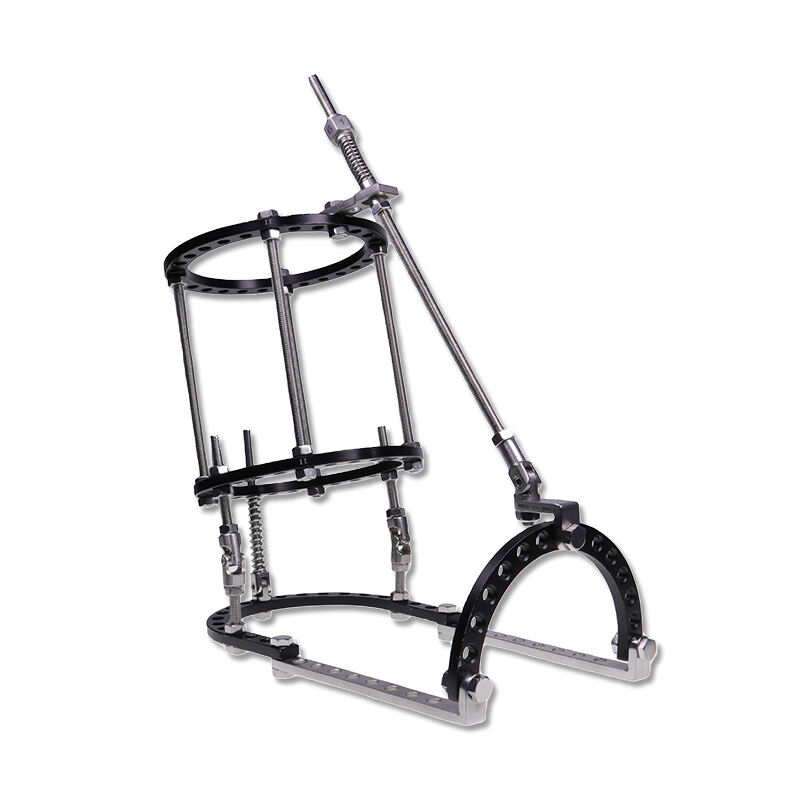
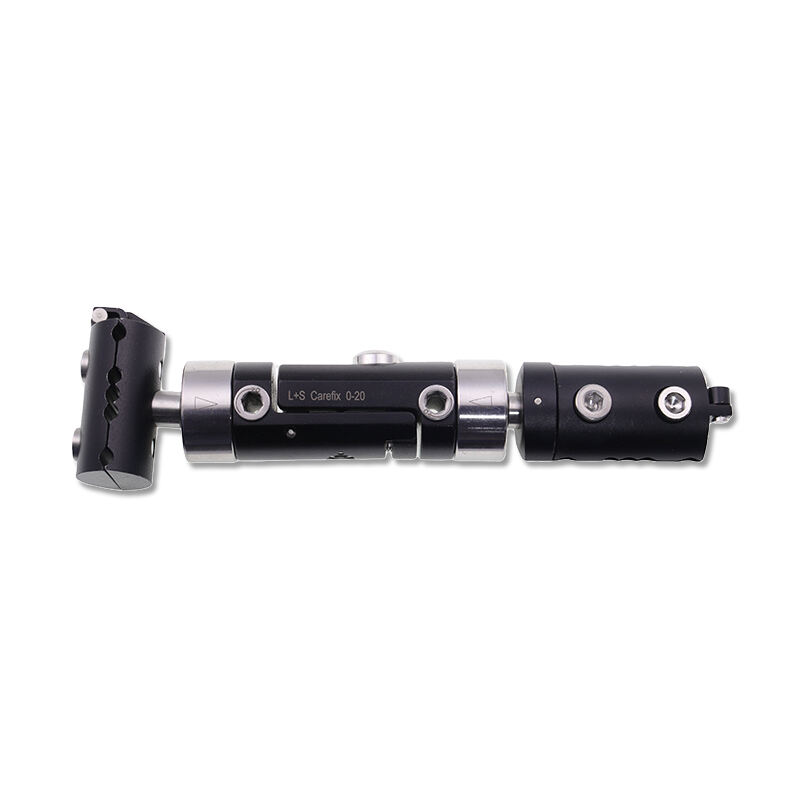
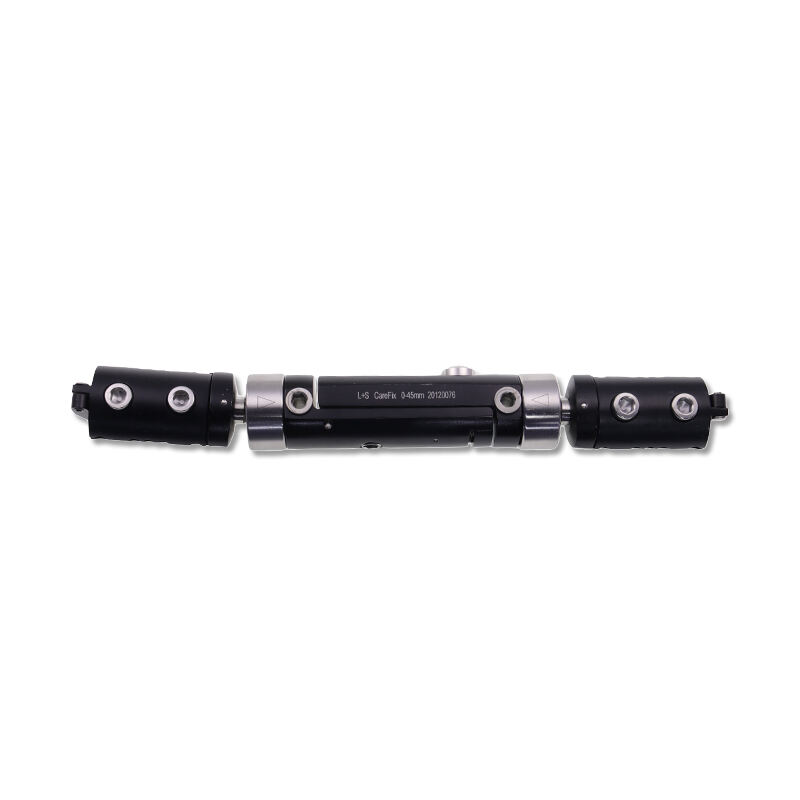
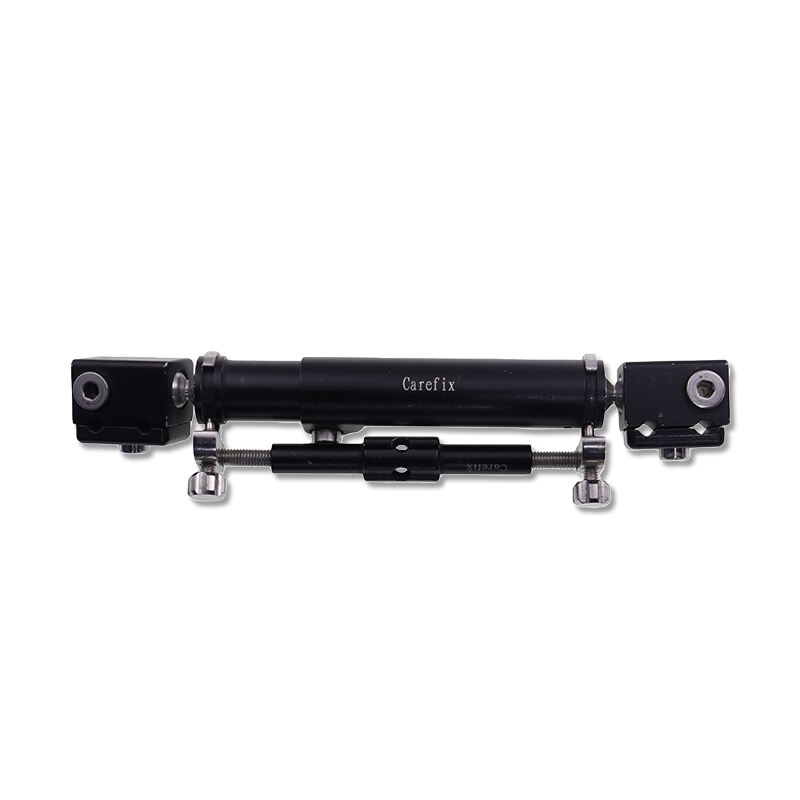
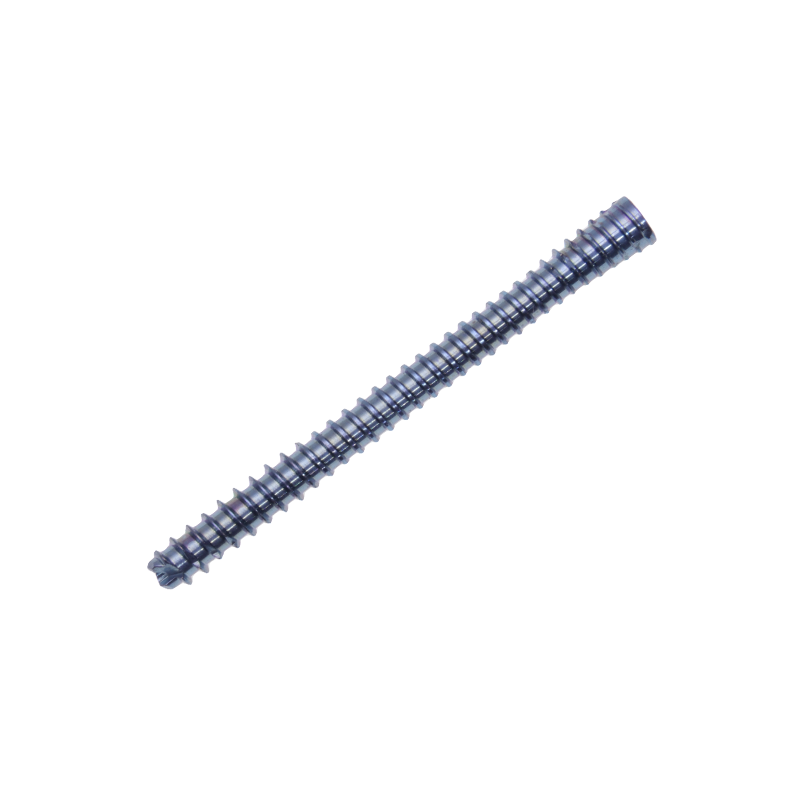
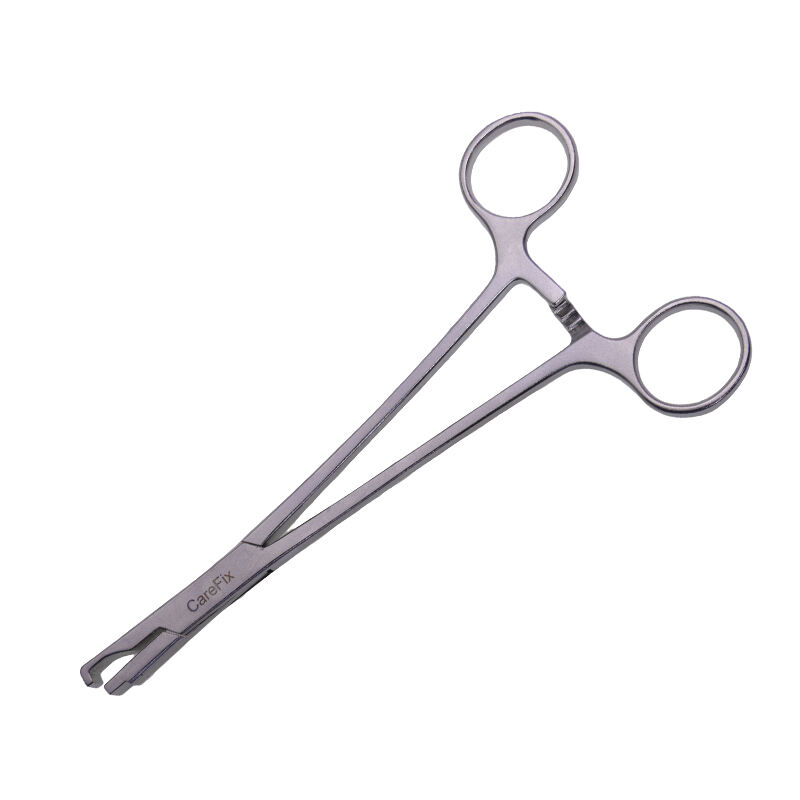
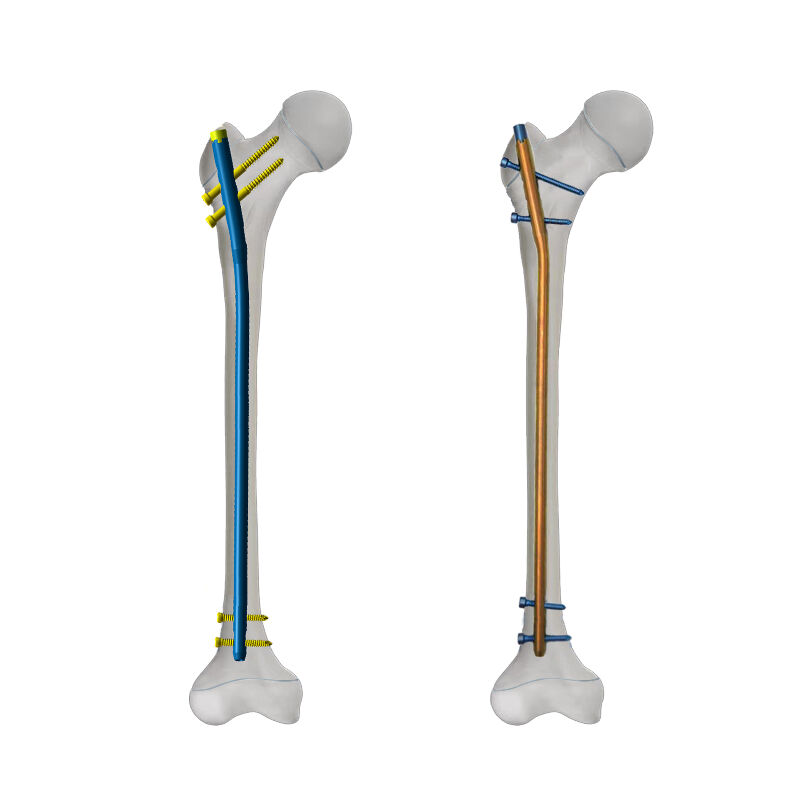
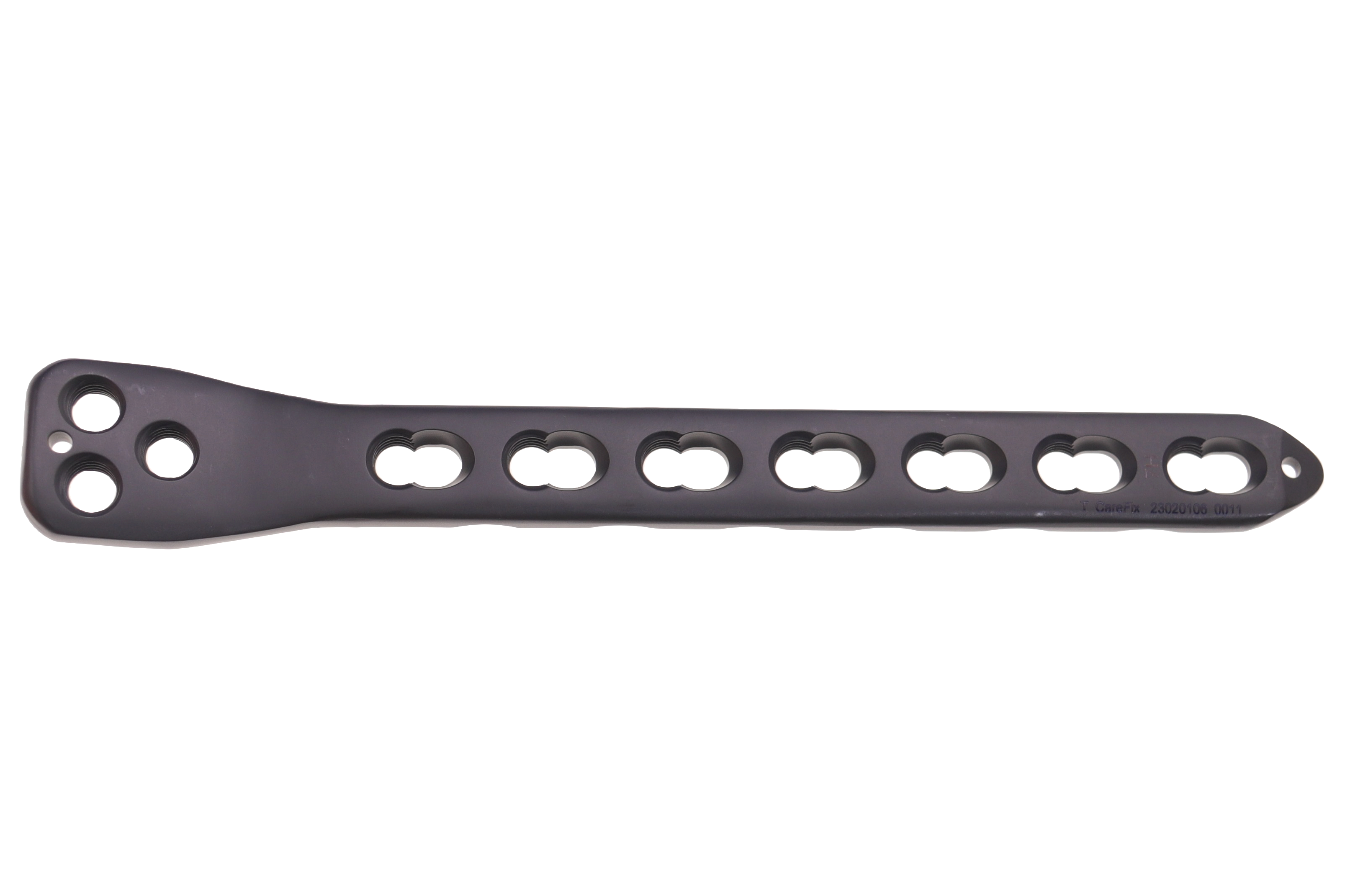
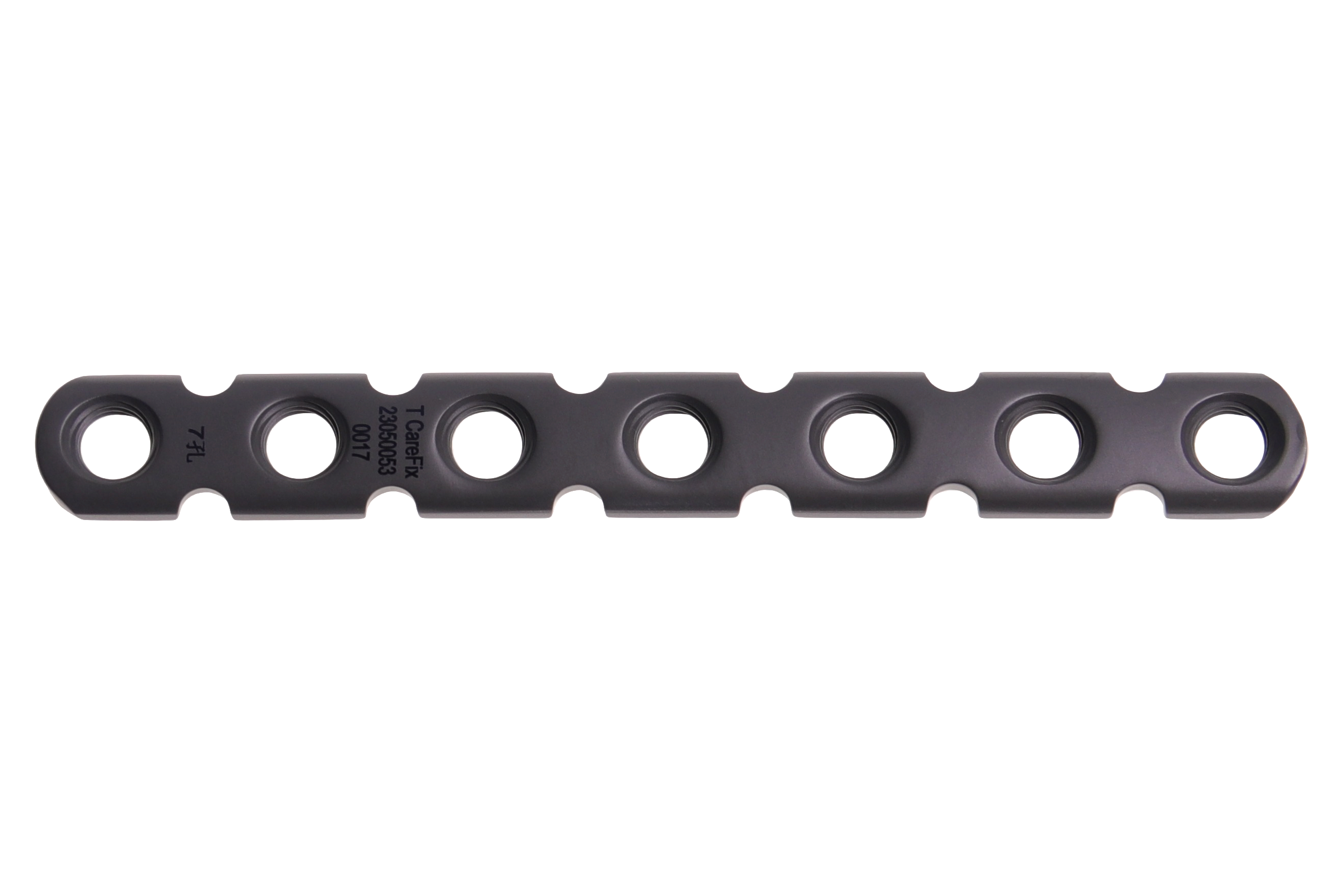
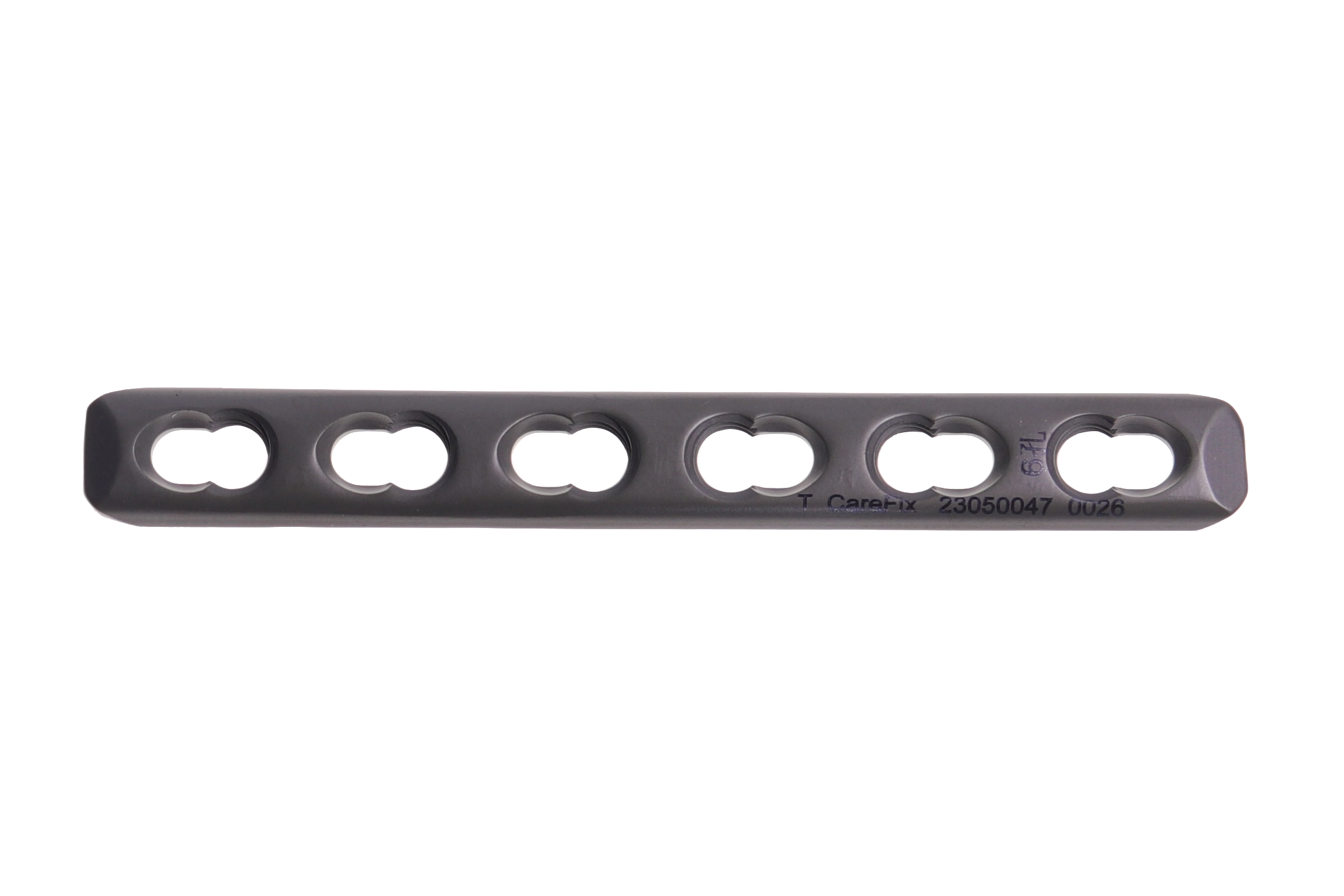
A fracture fixation plate is a specialized orthopedic implant designed to stabilize and support broken bones during the healing process. This medical device serves as an internal framework that holds bone fragments in their correct anatomical position, allowing natural bone regeneration to occur without displacement. The fracture fixation plate is manufactured from biocompatible materials such as titanium alloys or stainless steel, ensuring safe integration with human tissue while providing the necessary mechanical strength. The primary function of this device is to restore skeletal stability immediately after surgical intervention, enabling patients to begin rehabilitation sooner and reducing recovery time significantly. Technologically, modern fracture fixation plates feature advanced design elements including anatomically contoured shapes that match specific bone geometries, locking screw mechanisms that create fixed-angle constructs for enhanced stability, and low-profile designs that minimize soft tissue irritation. These plates come in various configurations tailored for different fracture patterns and bone locations, from simple straight plates for long bone fractures to complex reconstruction plates for comminuted injuries. Applications span across multiple medical specialties including trauma surgery, orthopedic surgery, and maxillofacial surgery. The fracture fixation plate is commonly used to treat fractures of the femur, tibia, humerus, radius, ulna, clavicle, and facial bones. Its versatility makes it suitable for treating both simple and complex fractures, including those resulting from accidents, sports injuries, and age-related bone fragility.
 EN
EN