Distal Ulna Locking Plate - Advanced Fixation

Get a Free Quote

Our representative will contact you soon.
Email
Name
Company Name
Message
0/1000

distal ulna locking plate

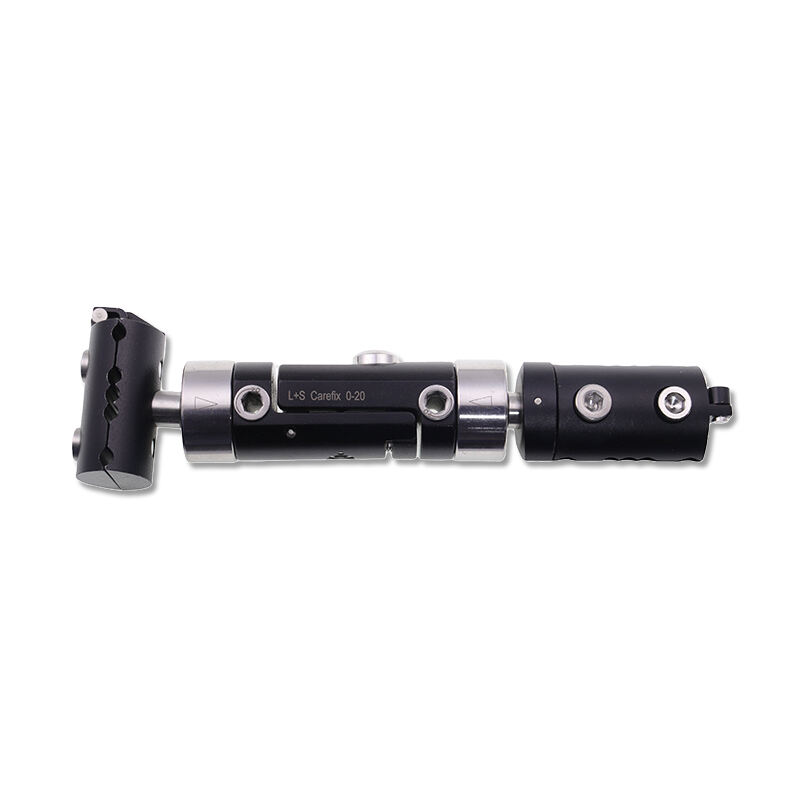
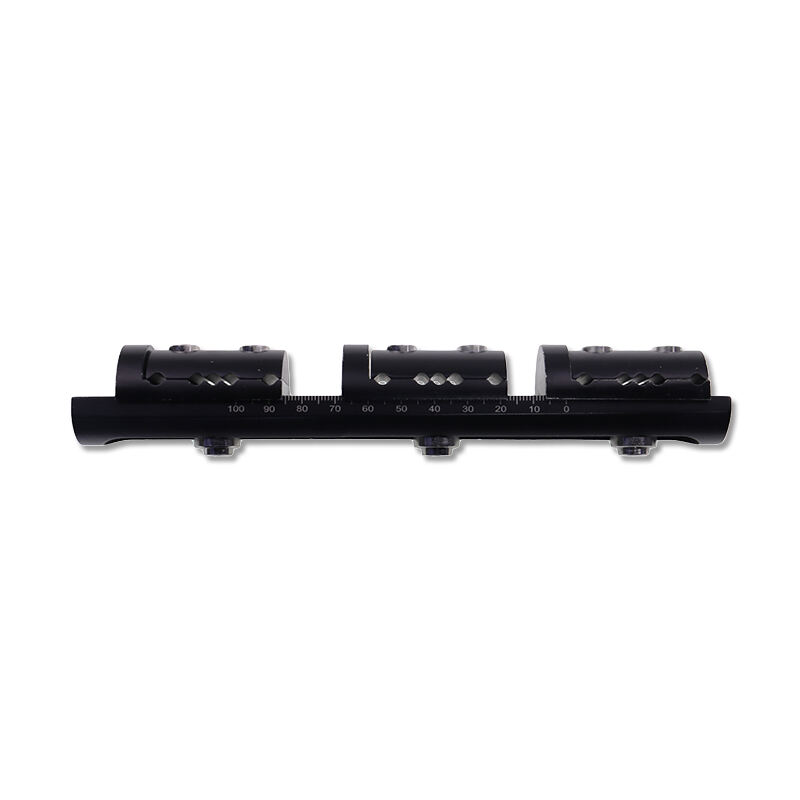
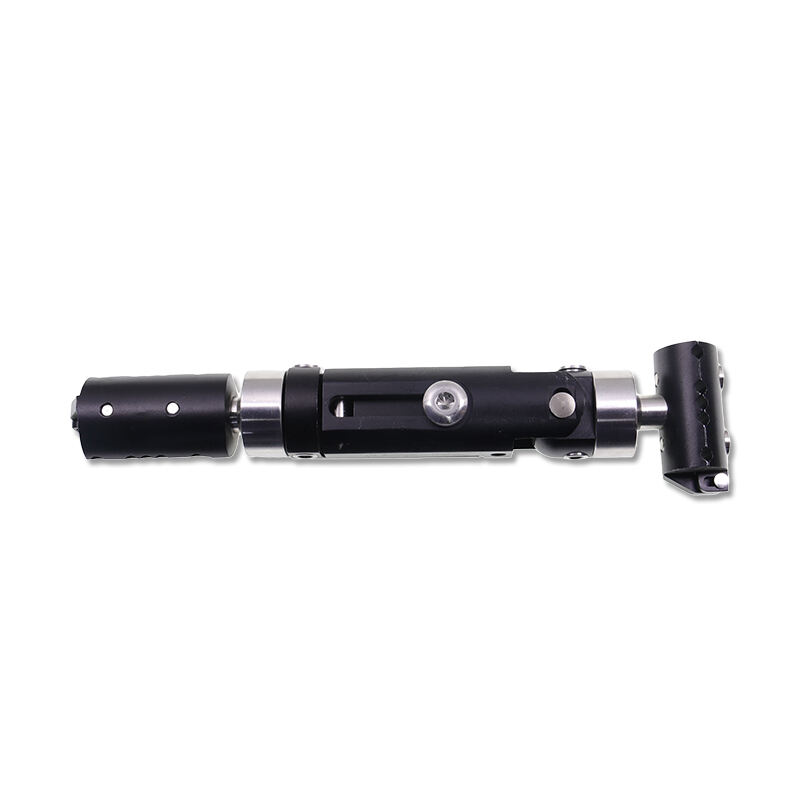
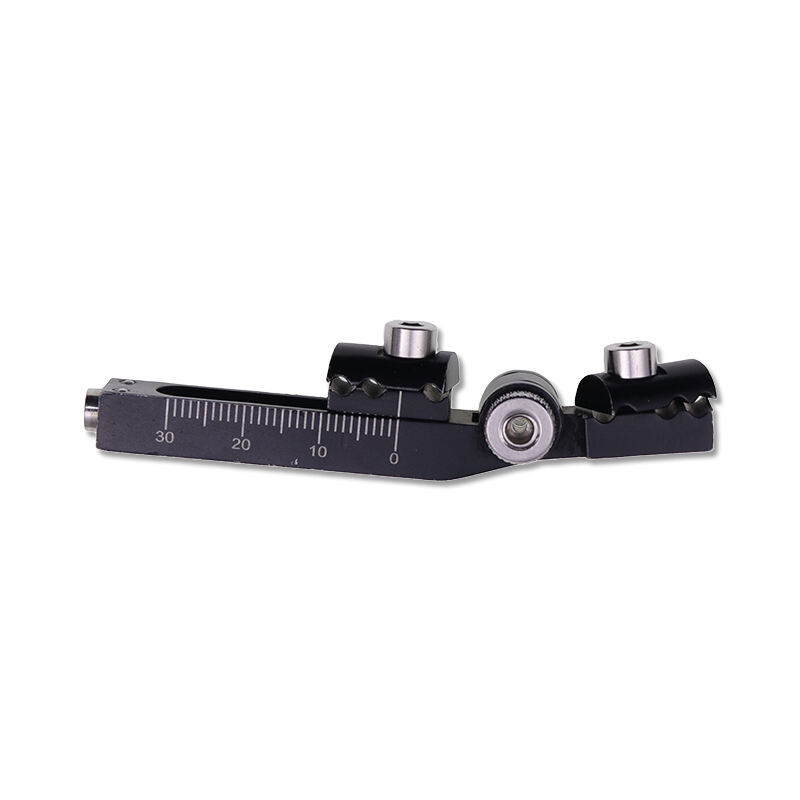
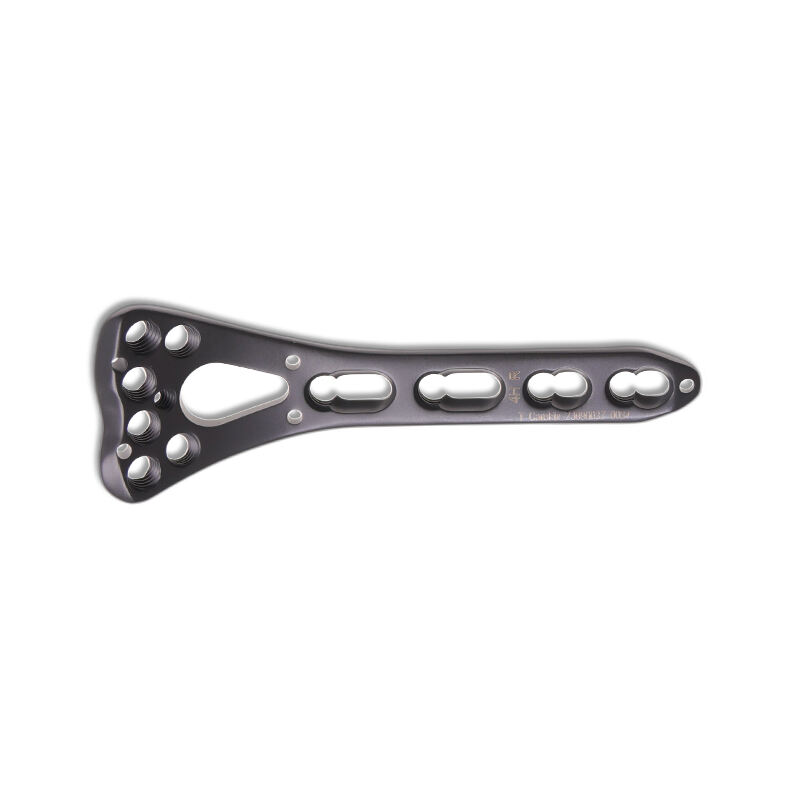
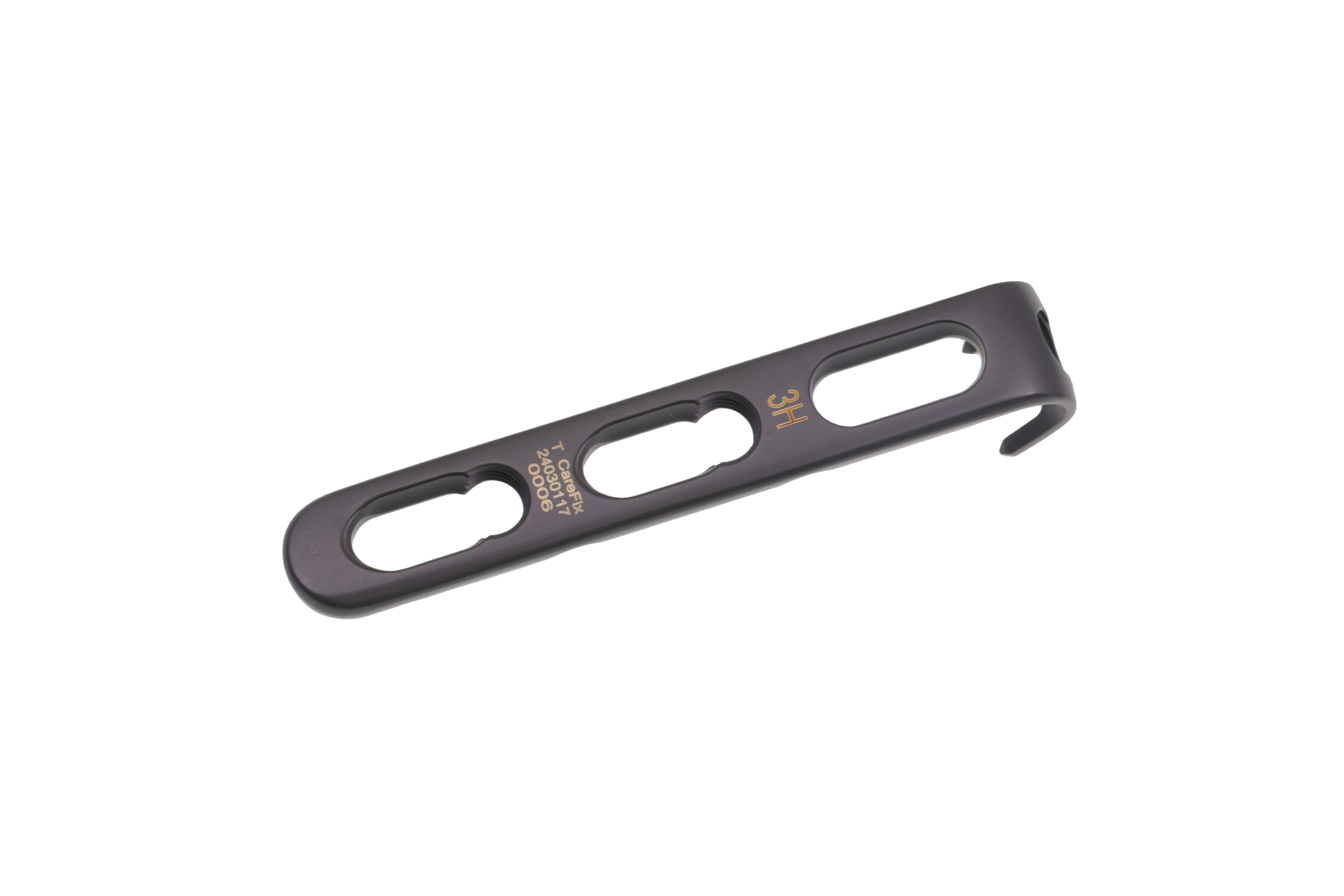
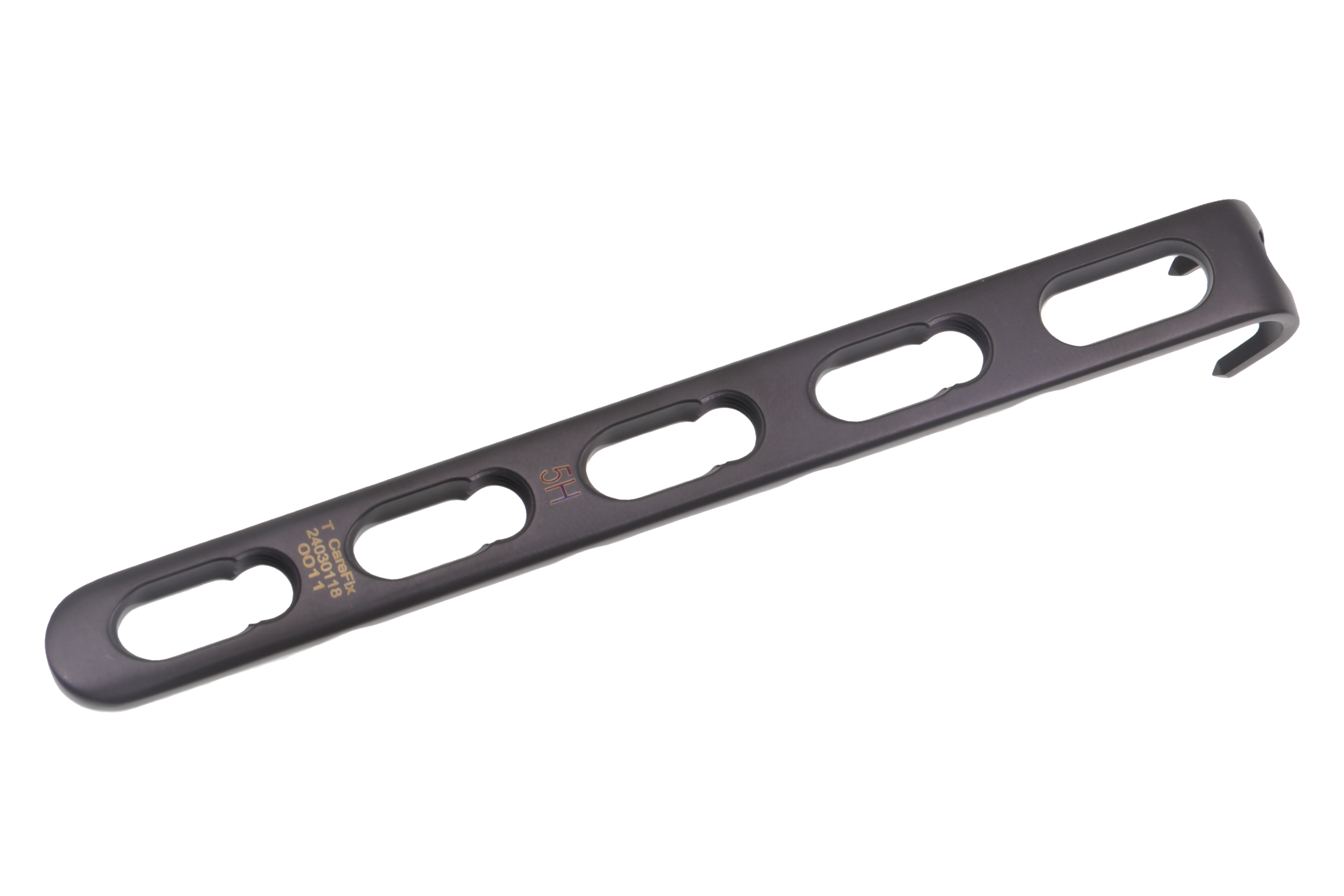
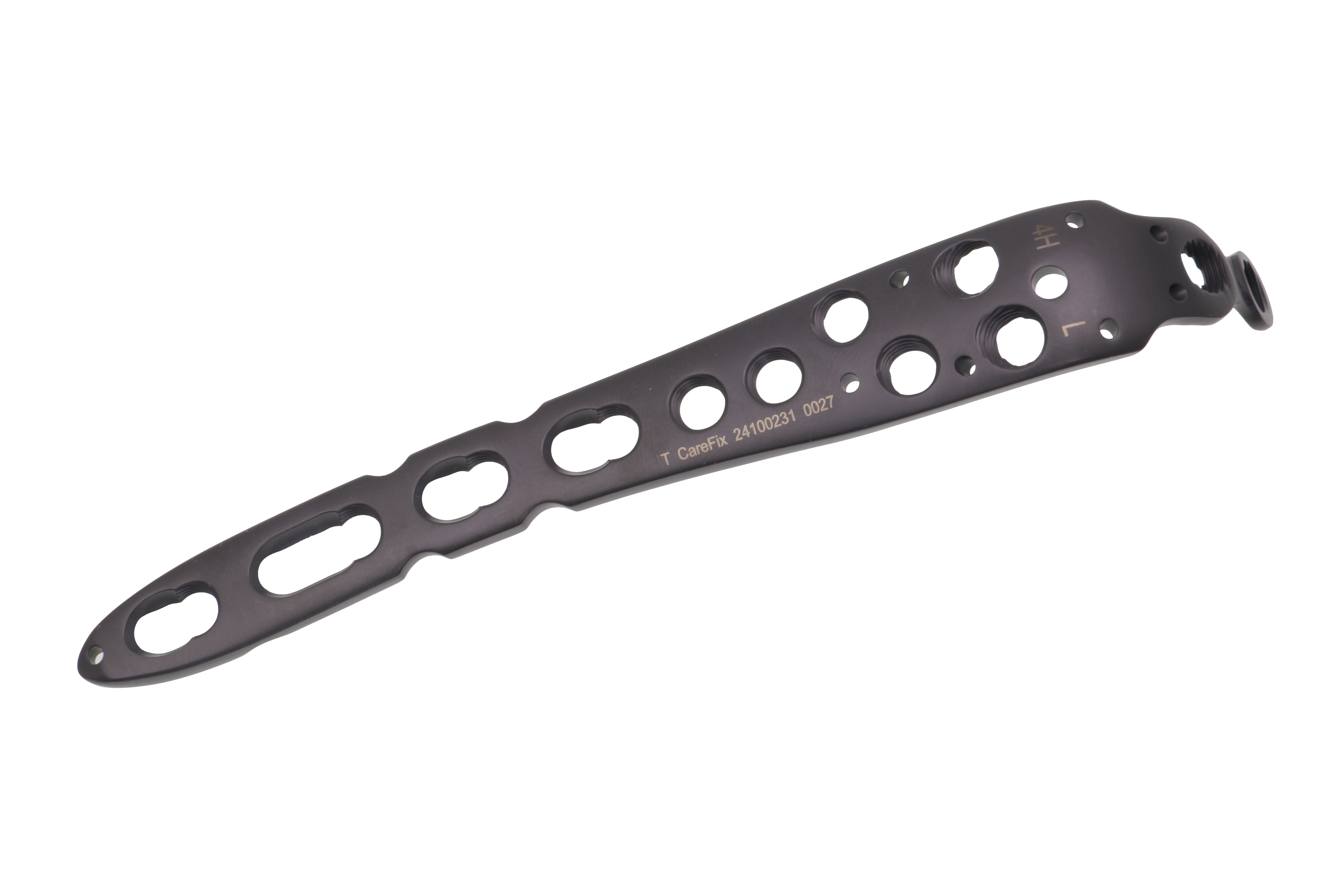
The distal ulna locking plate is a specialized orthopedic implant designed to stabilize and repair fractures of the distal ulna, the lower end of the forearm bone on the pinky finger side. This advanced fixation device provides surgeons with a reliable solution for treating complex fractures, particularly those involving the ulnar head and styloid process. The distal ulna locking plate features an anatomically contoured design that conforms precisely to the bone structure, ensuring optimal fit and stability during the healing process. Its primary function involves securing bone fragments in their correct anatomical position while promoting natural bone regeneration. The plate utilizes locking screw technology, which creates a fixed-angle construct between the screws and plate, offering superior stability compared to conventional plating systems. This implant is manufactured from high-quality titanium alloy or stainless steel, ensuring biocompatibility and long-term durability within the body. Surgeons typically employ the distal ulna locking plate for various clinical applications, including distal radius and ulna fractures, corrective osteotomies, malunions, and complex traumatic injuries. The plate's low-profile design minimizes soft tissue irritation and reduces the likelihood of implant prominence, which can cause patient discomfort. With multiple screw holes positioned strategically along the plate, surgeons gain flexibility in screw placement based on fracture patterns and bone quality. The distal ulna locking plate represents a critical advancement in upper extremity trauma management, combining biomechanical strength with surgical versatility to deliver optimal patient outcomes.

Popular Products

Choosing a distal ulna locking plate offers significant practical benefits that directly impact patient recovery and surgical success. The fixed-angle locking mechanism creates a stable construct that maintains fracture reduction throughout the healing period, reducing the risk of hardware failure or loss of position. This stability proves especially valuable when treating patients with compromised bone quality, such as those with osteoporosis, where traditional screws might loosen over time. The anatomical contouring of the distal ulna locking plate eliminates the need for intraoperative bending, saving valuable surgical time and reducing procedure complexity. Surgeons appreciate how the pre-contoured design fits naturally against the bone surface, allowing for predictable placement and consistent results across different cases. Patients benefit from faster return to daily activities because the robust fixation enables earlier mobilization and rehabilitation protocols. The low-profile construction minimizes the implant's footprint beneath the skin, decreasing post-operative discomfort and reducing the need for secondary removal procedures. From a cost-effectiveness perspective, the reliable fixation reduces complication rates, which translates to fewer revision surgeries and lower overall healthcare expenses. The versatile screw configuration accommodates various fracture patterns, making the distal ulna locking plate suitable for simple two-part fractures through complex comminuted injuries. Medical facilities value having a single plating system that addresses multiple clinical scenarios, simplifying inventory management and staff training requirements. The biocompatible materials used in manufacturing ensure excellent tissue integration and minimal inflammatory response, promoting optimal healing conditions. For surgeons making treatment decisions, the distal ulna locking plate provides confidence through proven biomechanical principles and extensive clinical evidence supporting its effectiveness in restoring forearm function and patient quality of life.

Tips And Tricks

Cannulated Screw Types: Features and Benefits Explained

16

Dec

Cannulated Screw Types: Features and Benefits Explained

Orthopedic surgery has evolved significantly over the past decades, with advances in implant technology playing a crucial role in improving patient outcomes. Among these innovations, the cannulated screw stands out as a versatile and highly effective...
View More
Understanding Intramedullary Nail Complications

13

Jan

Understanding Intramedullary Nail Complications

Intramedullary nail complications represent a significant concern in orthopedic surgery, affecting patient outcomes and recovery timelines. These complications can arise during insertion, throughout the healing process, or during long-term implant re...
View More
Treatment of osteomyelitis and tibial pseudarthrosis: The advantages of the Ilizarov frame

06

Mar

Treatment of osteomyelitis and tibial pseudarthrosis: The advantages of the Ilizarov frame

The treatment of complex orthopedic conditions such as osteomyelitis and tibial pseudarthrosis presents significant challenges that require innovative surgical approaches. Among the most effective solutions available to orthopedic surgeons today is t...
View More
The application advantages of modular braces in ankle fractures

15

Apr

The application advantages of modular braces in ankle fractures

Ankle fractures represent one of the most challenging orthopedic injuries to manage effectively, requiring precise stabilization and controlled healing environments. Traditional casting methods often fall short in providing the dynamic support and ad...
View More

Get a Free Quote

Our representative will contact you soon.
Email
Name
Company Name
Message
0/1000

distal ulna locking plate

Advanced Locking Screw Technology for Superior Stability

Advanced Locking Screw Technology for Superior Stability

The distal ulna locking plate incorporates cutting-edge locking screw technology that fundamentally changes how the implant interacts with bone tissue. Unlike conventional plates where screws simply compress the plate against bone, the locking mechanism creates threaded connections between screws and plate holes, forming a single unified construct. This fixed-angle relationship prevents screw toggle and backout, maintaining precise fracture reduction throughout the critical healing phases. The technology proves particularly advantageous in challenging cases involving poor bone quality, comminuted fractures, or periarticular injuries where traditional compression techniques provide inadequate stability. Surgeons can confidently apply this system knowing that the angular stability compensates for reduced bone purchase, effectively functioning as an internal fixator. Patients experience improved outcomes because the rigid fixation allows earlier range-of-motion exercises without risking displacement, accelerating functional recovery. The locking mechanism also distributes forces more evenly across the entire plate rather than concentrating stress at individual screw sites, reducing the likelihood of peri-implant fractures. This technological advancement represents a significant step forward in fracture management, providing orthopedic surgeons with a dependable tool that addresses the biomechanical challenges inherent in distal ulna fractures while supporting optimal patient healing.
Anatomically Contoured Design for Optimal Bone Fit

Anatomically Contoured Design for Optimal Bone Fit

The distal ulna locking plate features a precisely engineered anatomical contour that matches the natural three-dimensional shape of the distal ulna bone. This pre-contoured design eliminates the time-consuming and potentially damaging process of manually bending plates during surgery, ensuring consistent positioning across all procedures. The plate's curvature follows the subtle twists and contours of the ulnar shaft and head, allowing intimate bone contact that promotes stability and healing. Surgeons benefit from simplified surgical technique because the plate naturally seats against the bone surface, providing clear visual confirmation of proper placement. The anatomical design also optimizes screw trajectory, directing fixation screws into the strongest bone regions for maximum purchase and holding power. Patients experience reduced soft tissue complications because the form-fitting plate minimizes gaps where tissue can become trapped or irritated. The contoured shape particularly benefits cases involving joint surface reconstruction, where precise anatomical restoration directly correlates with functional outcomes. By respecting the natural bone geometry, the distal ulna locking plate facilitates accurate fracture reduction while minimizing surgical dissection and preserving blood supply to healing bone. This thoughtful design consideration translates to shorter operative times, reduced radiation exposure from fluoroscopic adjustments, and improved overall surgical efficiency while delivering superior clinical results.
Versatile Application for Multiple Fracture Patterns

Versatile Application for Multiple Fracture Patterns

The distal ulna locking plate demonstrates remarkable versatility in addressing diverse clinical scenarios ranging from simple fractures to complex reconstructive procedures. The plate's multiple screw holes with variable positioning options allow surgeons to customize fixation strategies based on specific fracture configurations, bone quality, and patient anatomy. Whether treating acute traumatic injuries, correcting malunions, performing osteotomies, or managing pathological fractures, this single implant system provides comprehensive solutions. Surgeons appreciate the flexibility to choose between locking and non-locking screws within the same plate, combining compression and angular stability as clinical situations demand. The distal ulna locking plate accommodates both simple two-fragment fractures requiring minimal fixation and highly comminuted patterns needing extensive support. This adaptability reduces the need for maintaining large inventories of specialized plates, simplifying procurement and ensuring availability when urgent cases arise. Patients across different age groups and activity levels benefit from customized treatment approaches enabled by the plate's design flexibility. The system effectively addresses fractures involving the ulnar styloid, ulnar head, distal shaft, and combinations thereof, making it a comprehensive solution for distal ulna pathology. Medical institutions value this versatility because it standardizes surgical approaches while maintaining individualized care quality, supporting both surgical training and consistent clinical outcomes across diverse patient populations.
logo