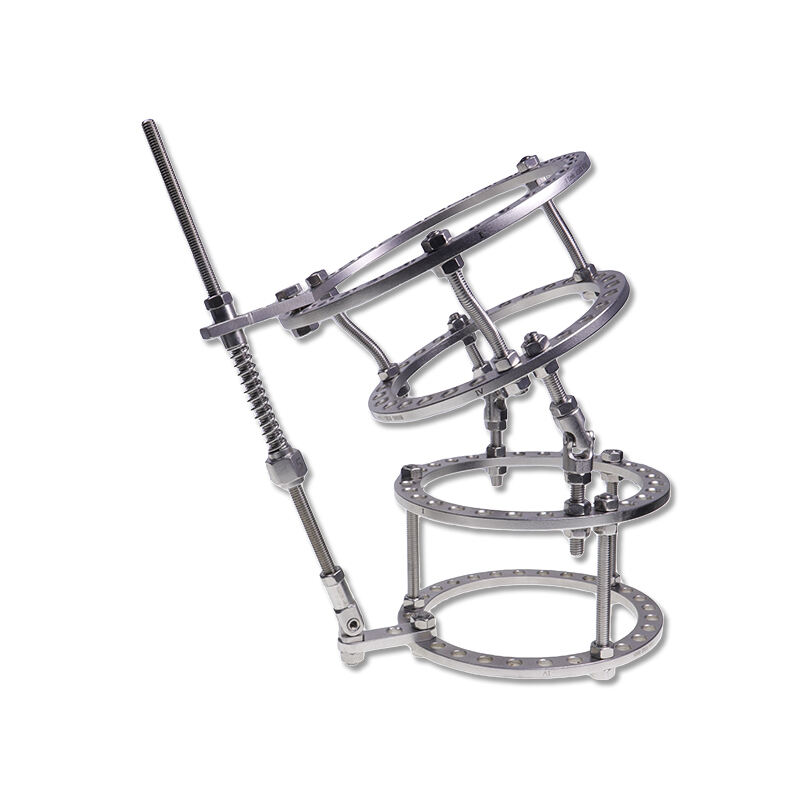
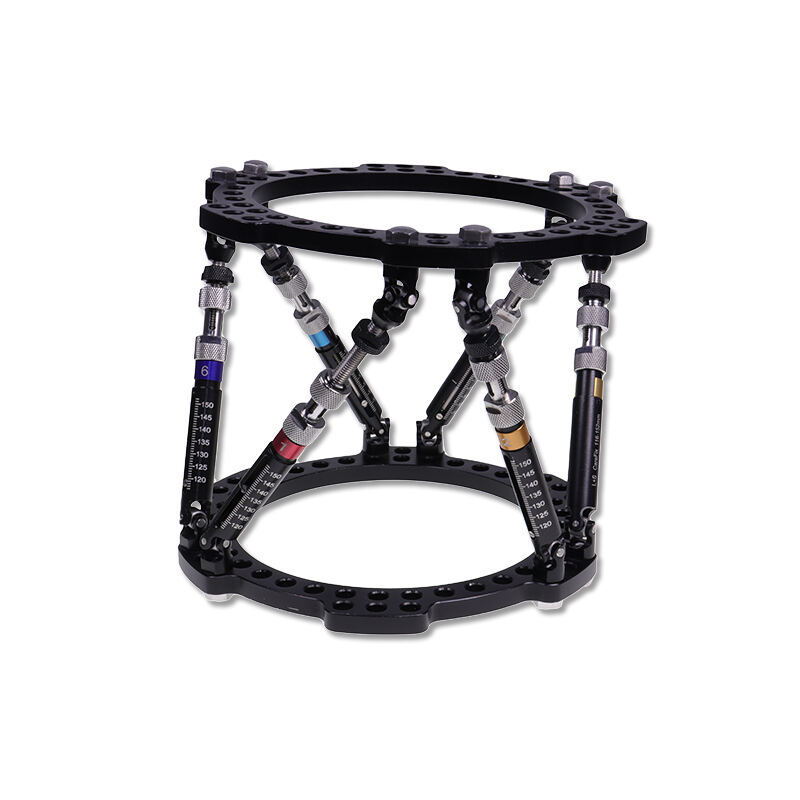
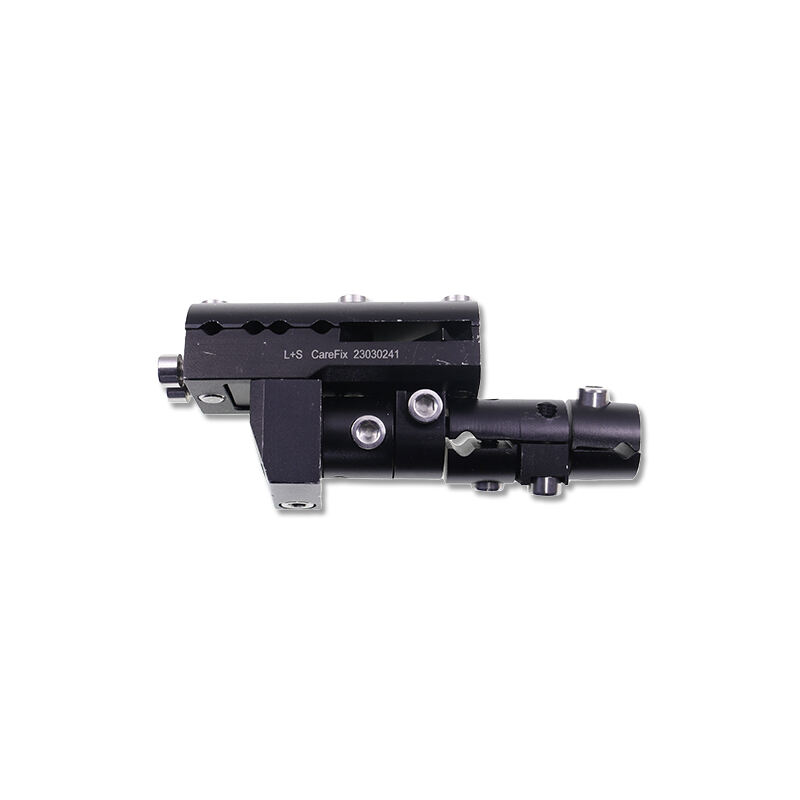
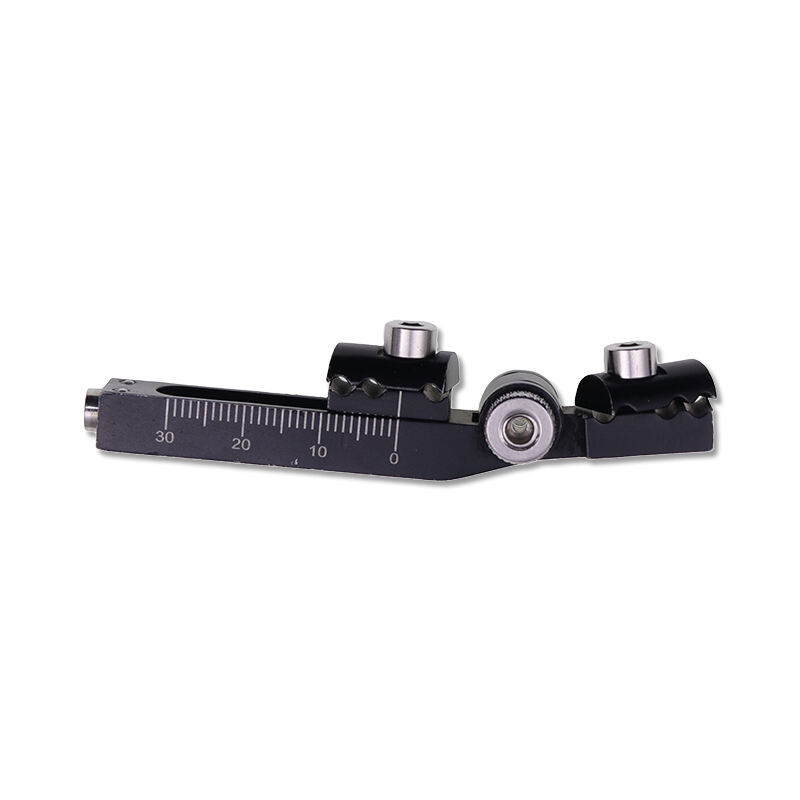
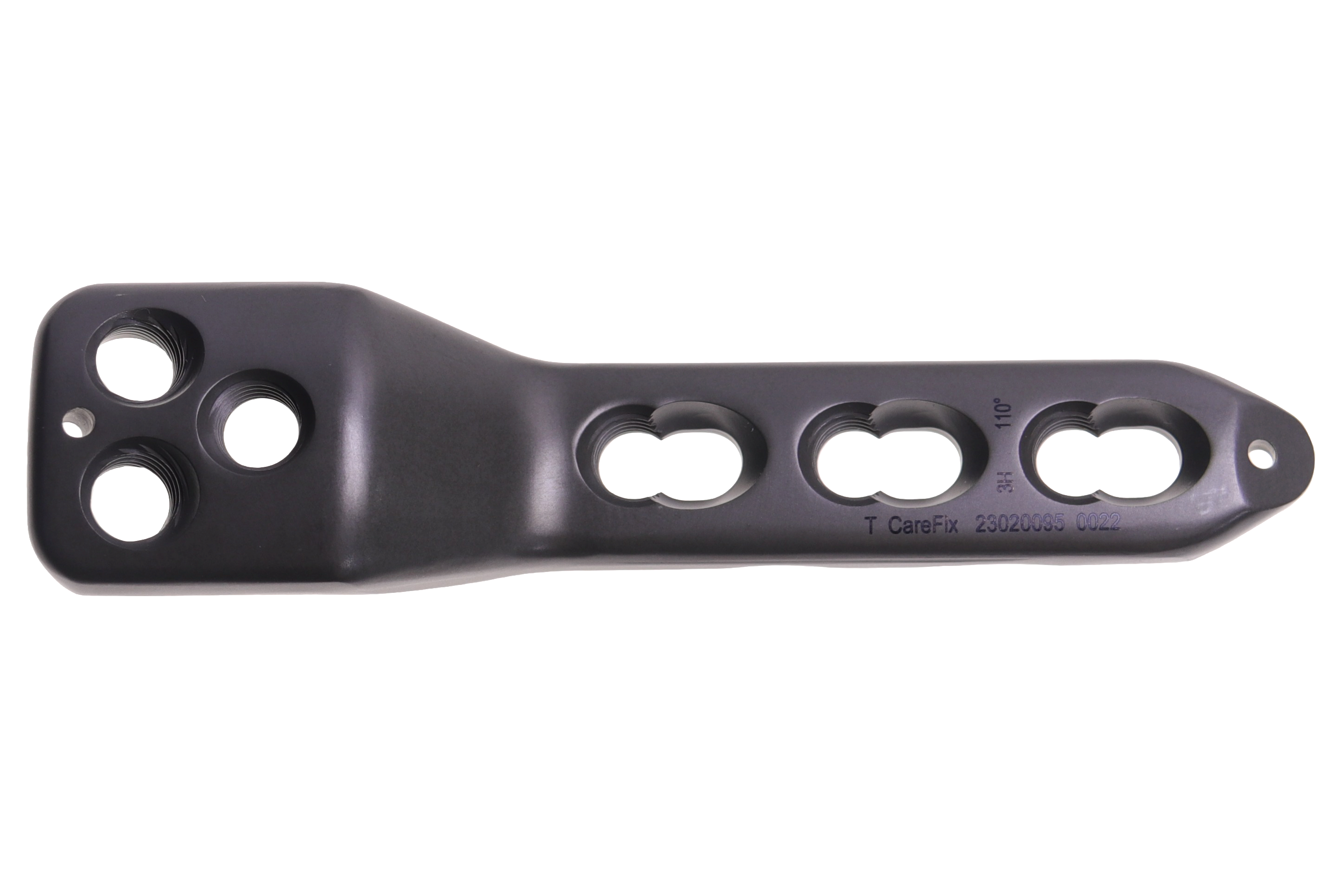
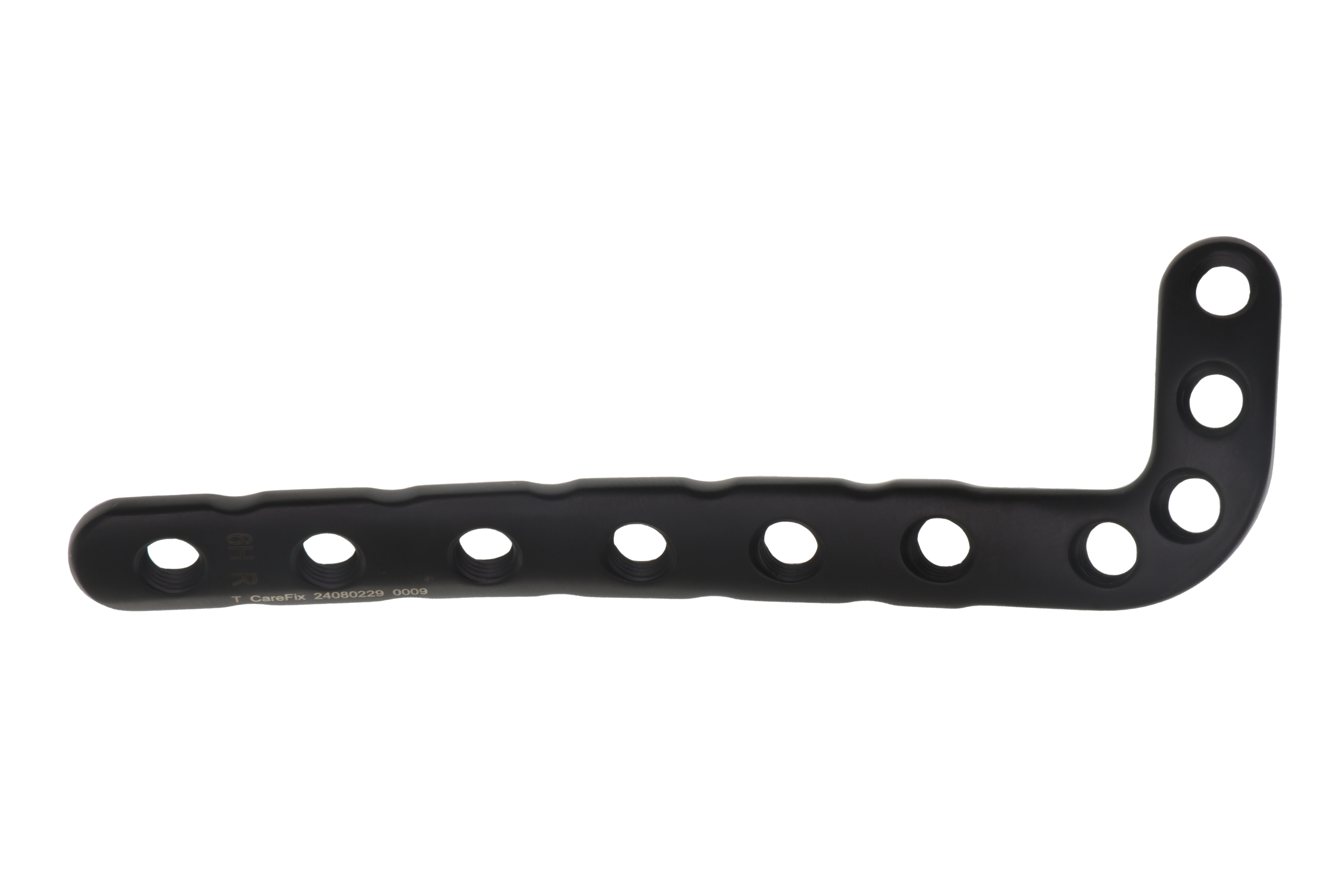
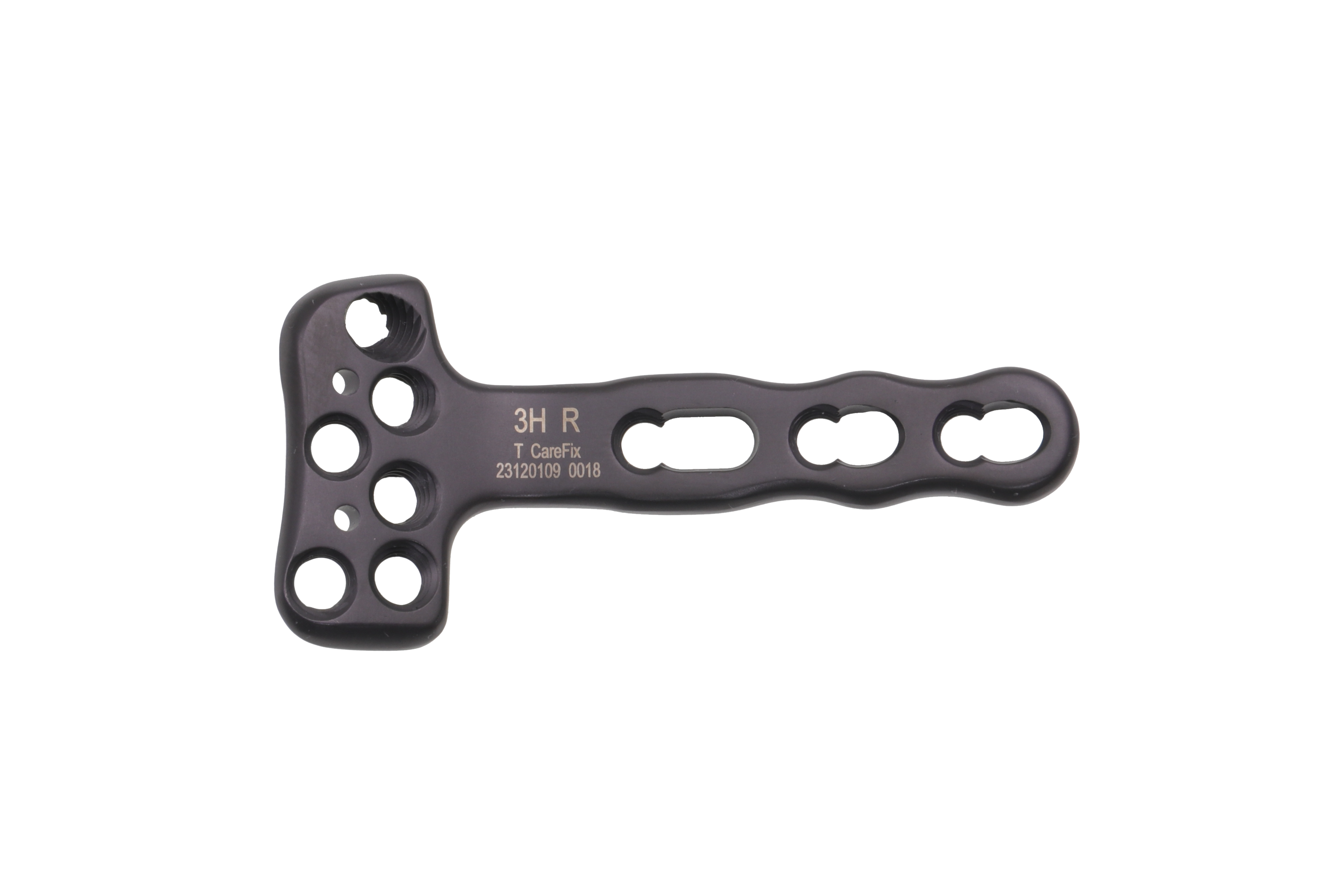
internal fixation plate
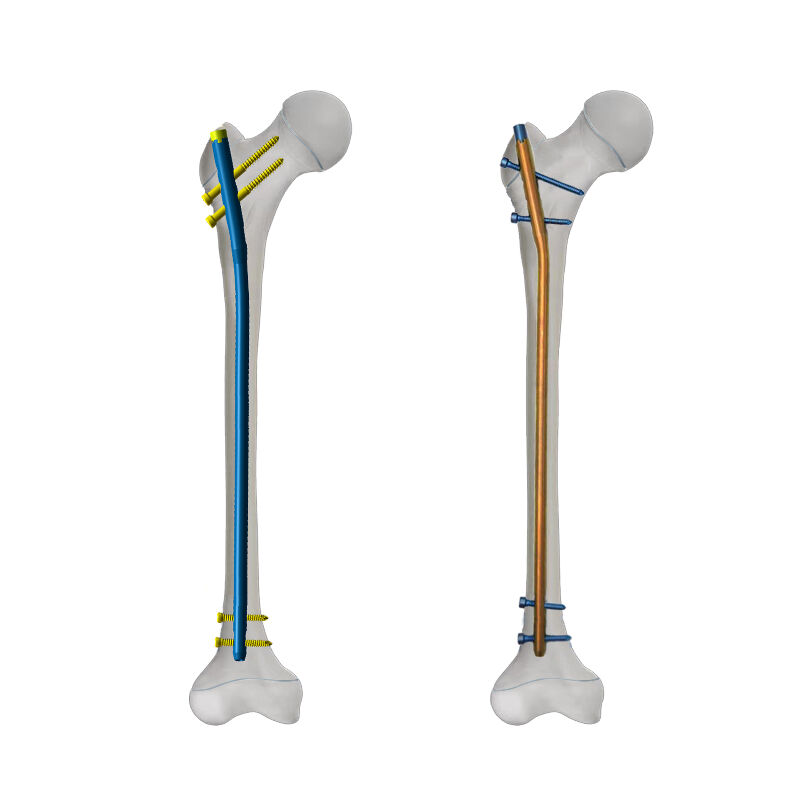
An internal fixation plate is a medical device designed to stabilize and support fractured bones during the healing process. Made from biocompatible materials such as titanium or stainless steel, this surgical implant is attached directly to the bone surface using screws to maintain proper alignment and promote optimal recovery. The internal fixation plate plays a crucial role in orthopedic surgery by providing mechanical stability that allows patients to begin rehabilitation sooner than traditional casting methods. These plates come in various shapes, sizes, and configurations to accommodate different bone types and fracture patterns, from simple transverse breaks to complex comminuted fractures. Modern internal fixation plate technology incorporates advanced engineering principles, including anatomically contoured designs that match the natural bone curvature and locking screw mechanisms that create a fixed-angle construct for enhanced stability. The plates are commonly used in treating fractures of the clavicle, radius, ulna, tibia, fibula, humerus, and other long bones, as well as in reconstructive procedures and corrective osteotomies. Surgeons select the appropriate internal fixation plate based on fracture location, bone quality, patient age, and activity level. The device remains inside the body throughout the healing period, typically several months, and may be removed once complete bone union is achieved, though removal is not always necessary. This fixation method has revolutionized fracture treatment by enabling predictable outcomes, reducing healing time, and improving functional recovery for patients worldwide.
 EN
EN