Finger Fracture Plate Solutions for Hand Surgery

Get a Free Quote

Our representative will contact you soon.
Email
Name
Company Name
Message
0/1000

finger fracture plate

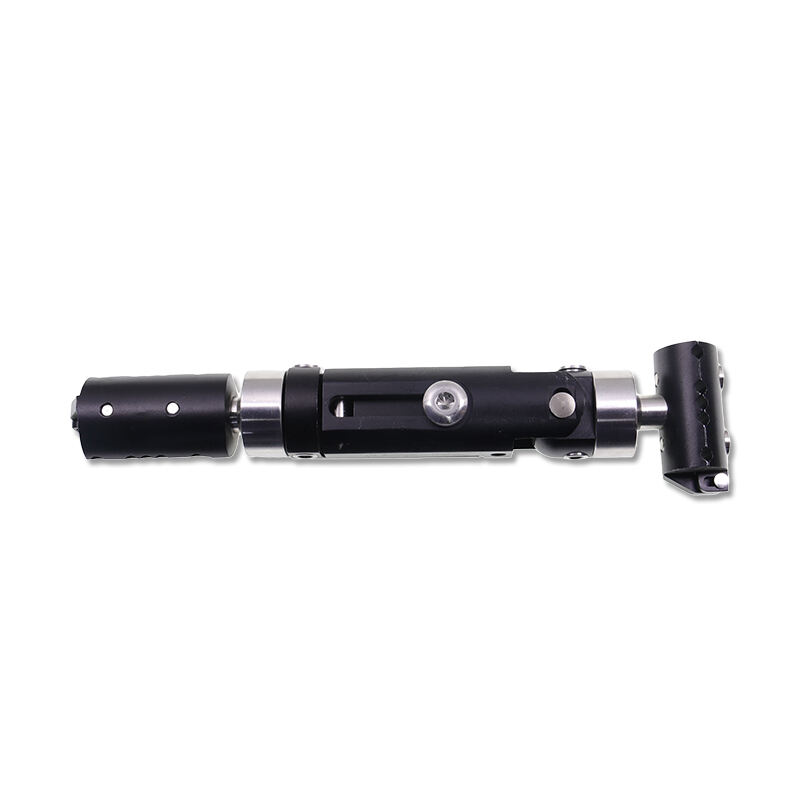
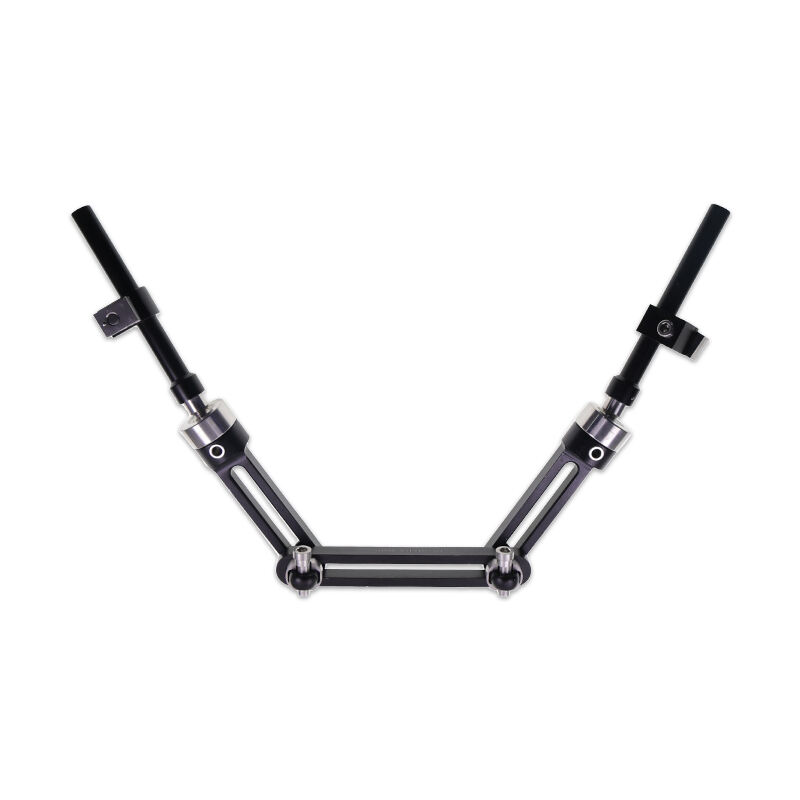
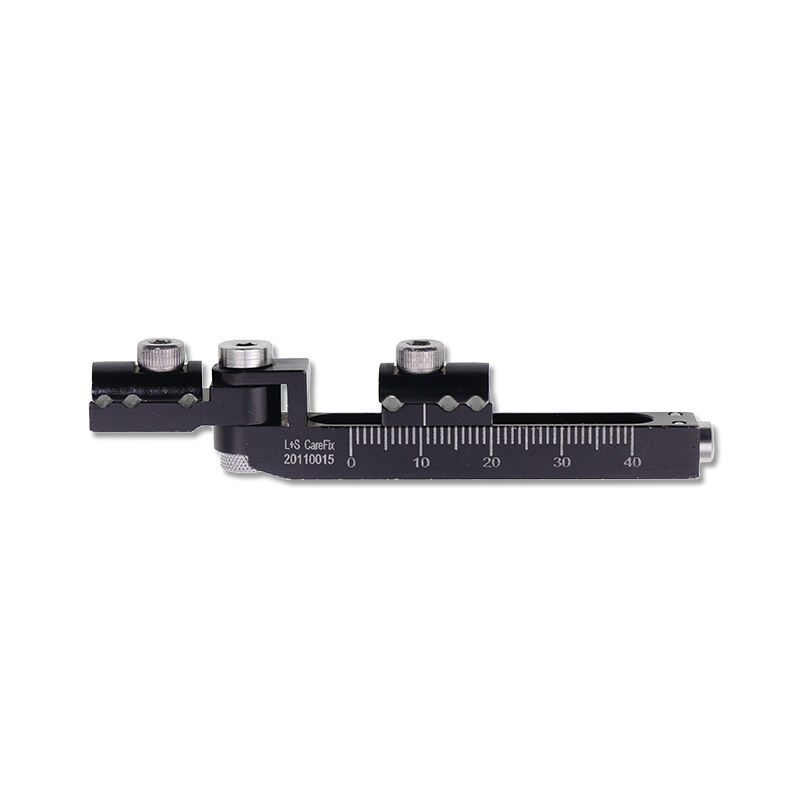
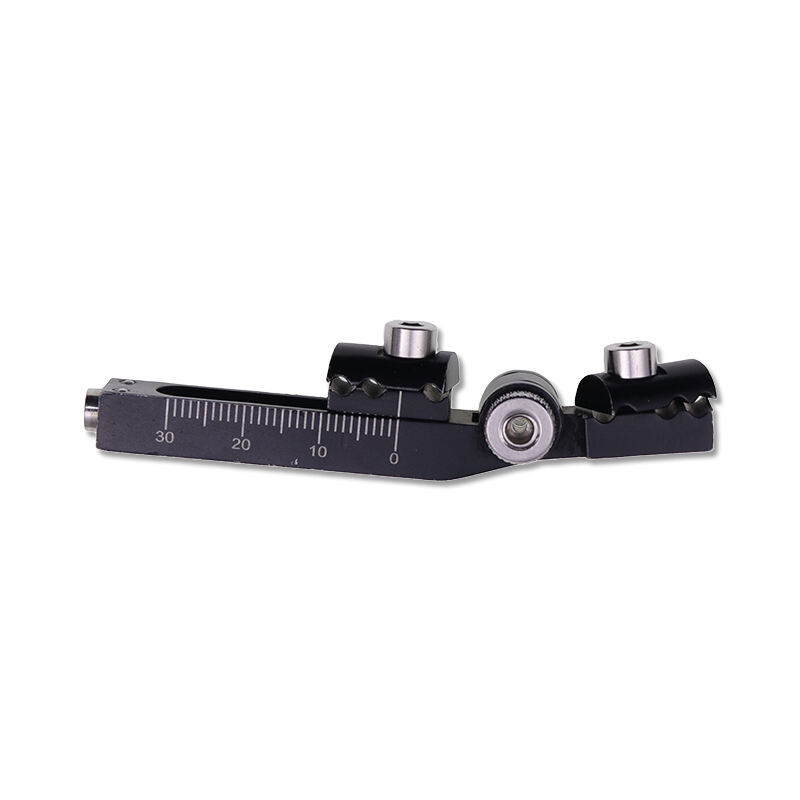
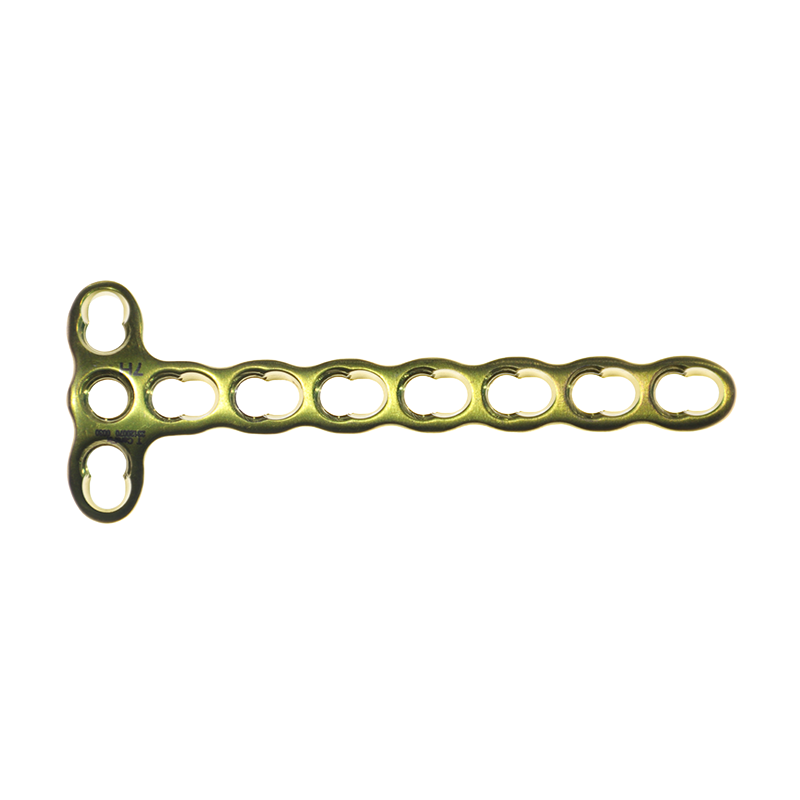
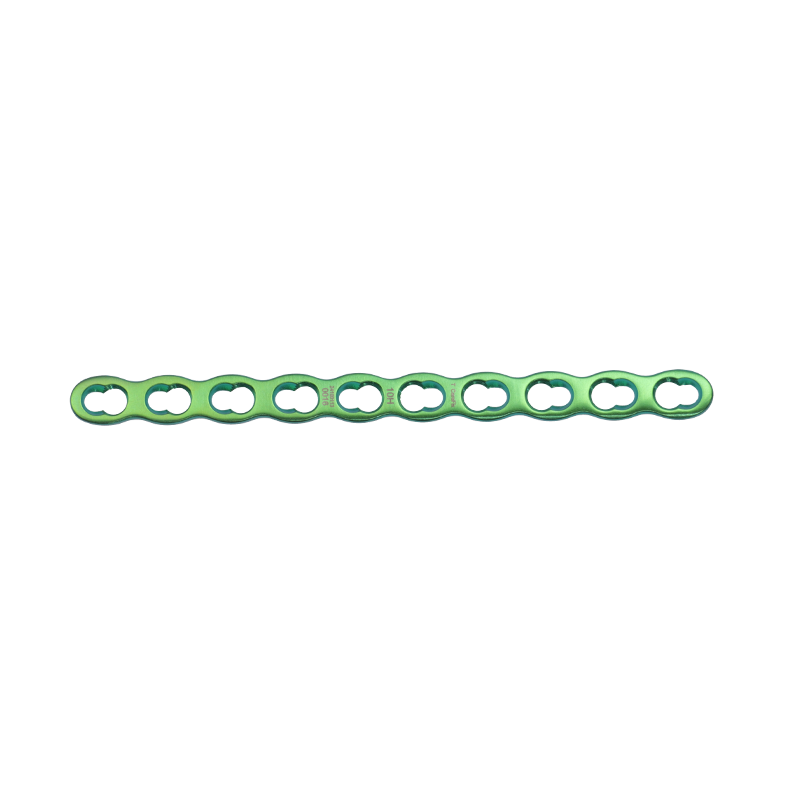
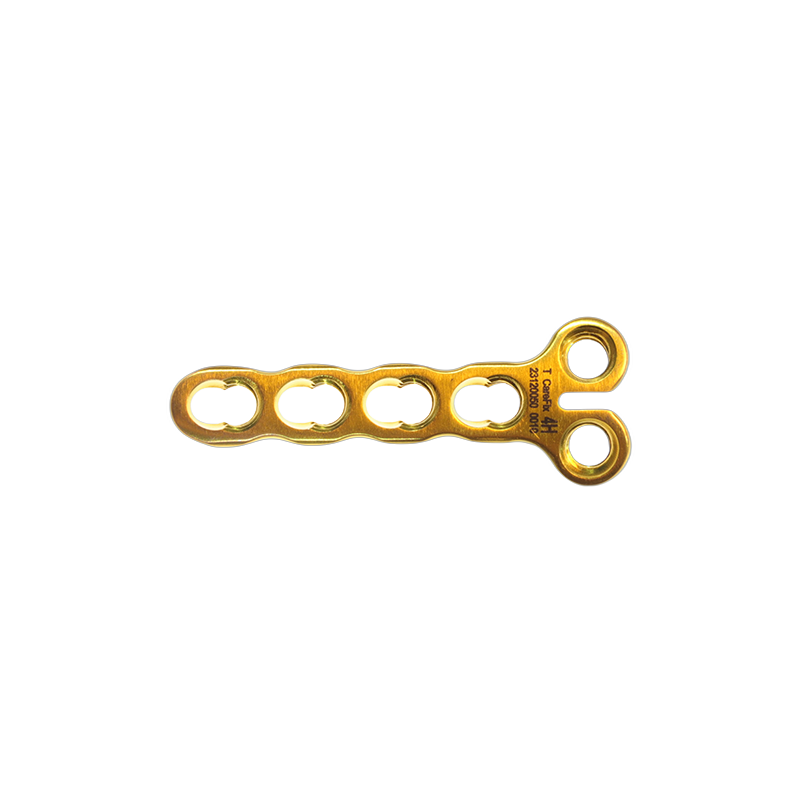
A finger fracture plate is a specialized orthopedic implant designed to stabilize and support broken bones in the fingers during the healing process. These precision-engineered medical devices provide essential fixation for phalangeal and metacarpal fractures, ensuring proper bone alignment and promoting optimal recovery outcomes. The finger fracture plate is manufactured from biocompatible materials such as titanium or stainless steel, offering both strength and safety for internal fixation procedures. Modern finger fracture plates feature low-profile designs that minimize soft tissue irritation while maximizing structural support. These plates come in various sizes and configurations to accommodate different fracture patterns and anatomical variations across patient populations. The technological advancement of finger fracture plate systems includes anatomically contoured shapes that conform naturally to finger bone structures, pre-drilled holes for precise screw placement, and locking mechanisms that enhance stability. Surgeons utilize these implants in conjunction with specialized screws to achieve rigid fixation that allows early mobilization and faster functional recovery. The applications of finger fracture plates span multiple medical scenarios including traumatic injuries, complex fractures, nonunion cases, and reconstructive procedures. These devices are essential tools in hand surgery, enabling healthcare professionals to restore hand function and minimize long-term complications. The finger fracture plate represents a critical solution for patients requiring surgical intervention to repair finger fractures that cannot heal properly through conservative treatment methods alone.

New Product Recommendations

The finger fracture plate offers numerous practical benefits that directly impact patient outcomes and surgical success rates. First and foremost, these implants provide superior stability compared to traditional fixation methods, reducing the risk of bone displacement during the critical healing period. This enhanced stability allows patients to begin rehabilitation exercises earlier, which prevents joint stiffness and maintains finger mobility throughout recovery. The low-profile design of modern finger fracture plates minimizes discomfort and reduces the likelihood of soft tissue complications, enabling patients to return to daily activities more quickly. Surgeons appreciate the operational benefits of these devices, including simplified surgical techniques and reduced procedure times. The anatomically contoured shapes ensure optimal fit and reduce the need for intraoperative adjustments, streamlining the implantation process. The versatility of finger fracture plate systems makes them suitable for treating various fracture types, from simple transverse breaks to complex comminuted injuries. This application flexibility means healthcare facilities can maintain a comprehensive inventory that addresses diverse patient needs without requiring excessive stock variations. From a decision-making perspective, the finger fracture plate represents a cost-effective solution when considering long-term outcomes. Patients experience fewer complications, reduced revision surgery rates, and better functional restoration compared to alternative treatments. The biocompatible materials ensure excellent tissue tolerance and minimize the risk of adverse reactions. Additionally, the precision engineering of these implants contributes to improved aesthetic outcomes, as proper bone healing reduces visible deformities. For healthcare providers, the proven track record of finger fracture plates supports confident treatment planning and positive patient counseling. The reliability and consistency of these devices make them an essential component of modern hand trauma care, delivering measurable value through improved healing rates and patient satisfaction.

Tips And Tricks

Evolution of Intervertebral Fusion Device Materials: Clinical Efficacy Comparison between PEEK and Titanium Alloy

13

Jan

Evolution of Intervertebral Fusion Device Materials: Clinical Efficacy Comparison between PEEK and Titanium Alloy

The advancement of spinal surgery has been significantly influenced by the development of sophisticated intervertebral fusion device technologies. Modern spine surgeons rely heavily on these devices to achieve successful fusion outcomes while minimiz...
View More
How to choose the appropriate size and thread of hollow screws?

11

Feb

How to choose the appropriate size and thread of hollow screws?

Selecting the right hollow screws for orthopedic procedures requires careful consideration of multiple factors that directly impact surgical outcomes and patient recovery. These specialized medical devices serve critical functions in bone fixation, t...
View More
Finite Element Optimization Design and Biomechanical Validation of Personalized IM Nails

11

Feb

Finite Element Optimization Design and Biomechanical Validation of Personalized IM Nails

The evolution of orthopedic trauma surgery has reached a pivotal moment with the emergence of personalized IM nails that revolutionize fracture treatment approaches. Advanced computational modeling and finite element analysis have enabled surgeons to...
View More
Expanding the Boundaries of IM Nail Technology: Periarticular Fractures and Deformity Correction

06

Mar

Expanding the Boundaries of IM Nail Technology: Periarticular Fractures and Deformity Correction

Modern orthopedic surgery continues to evolve with innovative solutions that address complex fracture patterns and deformity corrections. The telescopic intramedullary nail represents a significant advancement in treating challenging periarticular fr...
View More

Get a Free Quote

Our representative will contact you soon.
Email
Name
Company Name
Message
0/1000

finger fracture plate

Advanced Anatomical Contouring Technology

Advanced Anatomical Contouring Technology

The finger fracture plate incorporates sophisticated anatomical contouring that represents a significant advancement in orthopedic implant design. This feature ensures that the plate matches the natural curvature and shape of finger bones with exceptional precision, eliminating gaps between the implant and bone surface. The anatomically adapted design distributes mechanical forces evenly across the fracture site, promoting uniform healing and reducing stress concentrations that could compromise recovery. This contouring technology is developed through extensive biomechanical research and three-dimensional mapping of bone structures, resulting in implants that feel natural within the body. Surgeons benefit from reduced operating time because the pre-contoured plates require minimal bending or adjustment during surgery. The close bone-plate contact achieved through anatomical contouring also enhances stability and reduces micromotion at the fracture site. For patients, this translates to improved comfort post-surgery and decreased risk of implant-related complications. The precision fit minimizes soft tissue irritation and allows for better wound healing. This technological innovation distinguishes premium finger fracture plate systems from conventional flat plates, offering superior clinical outcomes and justifying the investment in quality orthopedic hardware for hand trauma treatment.
Locking Screw Mechanism for Maximum Stability

Locking Screw Mechanism for Maximum Stability

The locking screw mechanism integrated into modern finger fracture plate designs provides unparalleled fixation strength and stability. This advanced feature creates a fixed-angle construct where screws lock into the plate threads, forming a unified structure that functions as an internal fixator. Unlike conventional plates that rely solely on compression between the plate and bone, the locking mechanism of the finger fracture plate maintains stability even in osteoporotic bone or comminuted fractures where bone quality is compromised. This technology is particularly valuable for elderly patients or those with reduced bone density, expanding treatment options for vulnerable populations. The locking system prevents screw loosening and maintains fracture reduction throughout the healing process, eliminating the need for additional stabilization procedures. Surgeons gain confidence knowing that the fixation will remain secure despite early patient mobilization and rehabilitation activities. The angular stability provided by locking screws also allows for bridge plating techniques in complex fractures, where the plate spans damaged bone segments without direct contact. This approach preserves blood supply and promotes biological healing. For healthcare decision-makers, the locking screw feature represents proven technology that reduces revision surgery rates and associated costs, making the finger fracture plate a reliable investment in quality patient care.
Minimally Invasive Low-Profile Design

Minimally Invasive Low-Profile Design

The low-profile design of the finger fracture plate addresses a critical concern in hand surgery by minimizing implant prominence and soft tissue irritation. This streamlined construction reduces the overall thickness and width of the plate while maintaining structural integrity and load-bearing capacity. The slim profile is especially important in finger applications where skin coverage is limited and subcutaneous space is minimal. Patients benefit from reduced post-operative discomfort and decreased risk of skin complications such as wound dehiscence or implant exposure. The smooth, polished surface of the finger fracture plate further enhances tissue compatibility and reduces friction with surrounding tendons and ligaments. This design consideration is crucial for maintaining hand function, as bulky implants can interfere with tendon gliding and restrict finger movement. Surgeons appreciate the aesthetic advantages of low-profile implants, which are less palpable and visible under the skin, improving cosmetic outcomes. The reduced implant footprint also simplifies potential removal procedures if hardware extraction becomes necessary after healing. From a practical standpoint, the minimally invasive profile allows for smaller surgical incisions, which speeds recovery and minimizes scarring. This patient-centered design philosophy demonstrates how the finger fracture plate balances engineering requirements with quality-of-life considerations, delivering comprehensive value that extends beyond basic fracture fixation to encompass comfort, function, and appearance.

logo