Proximal Ulna Plate: Advanced Fracture Solutions

Get a Free Quote

Our representative will contact you soon.
Email
Name
Company Name
Message
0/1000

proximal ulna plate

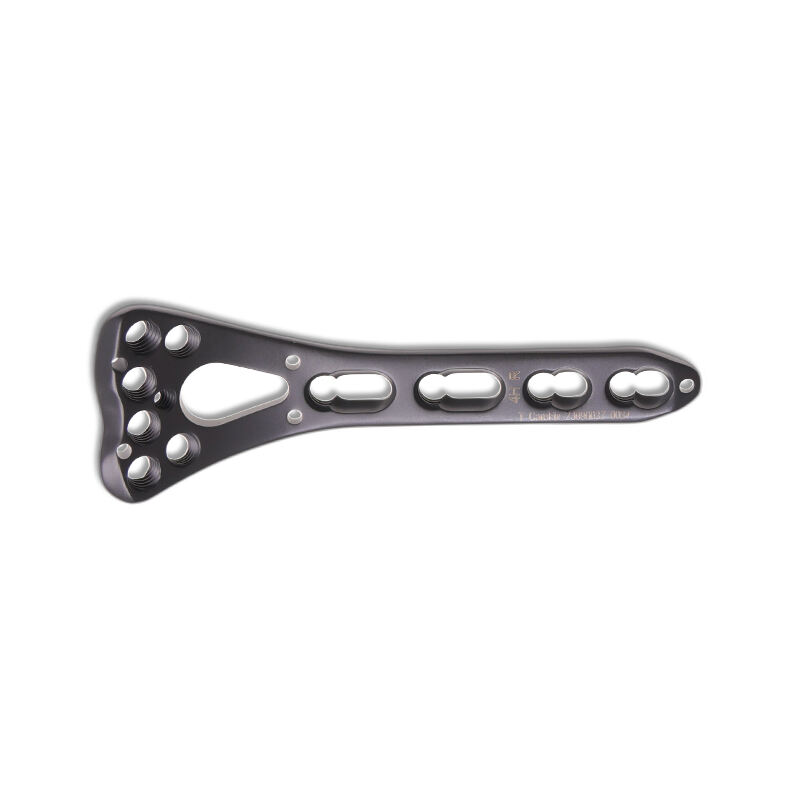
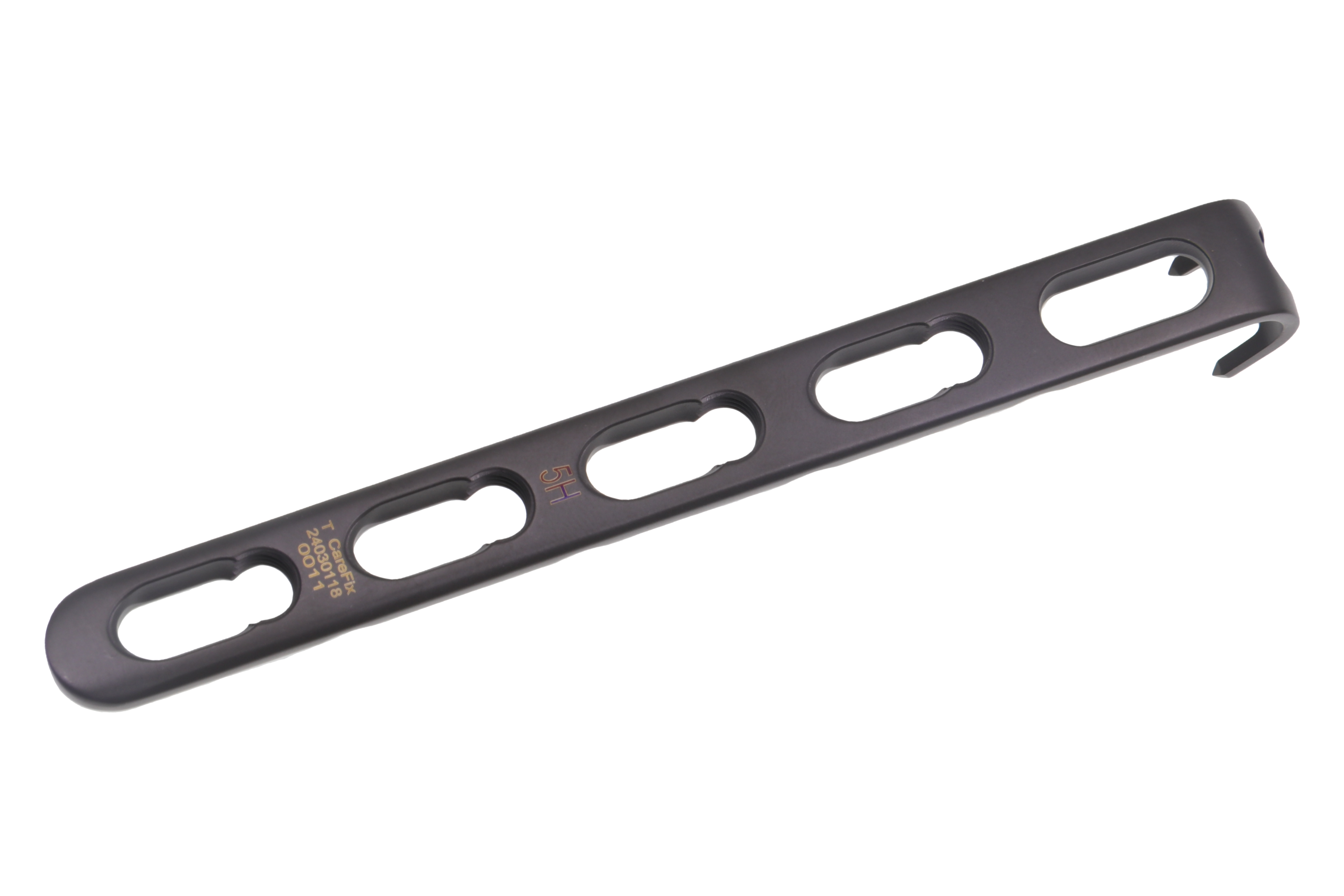
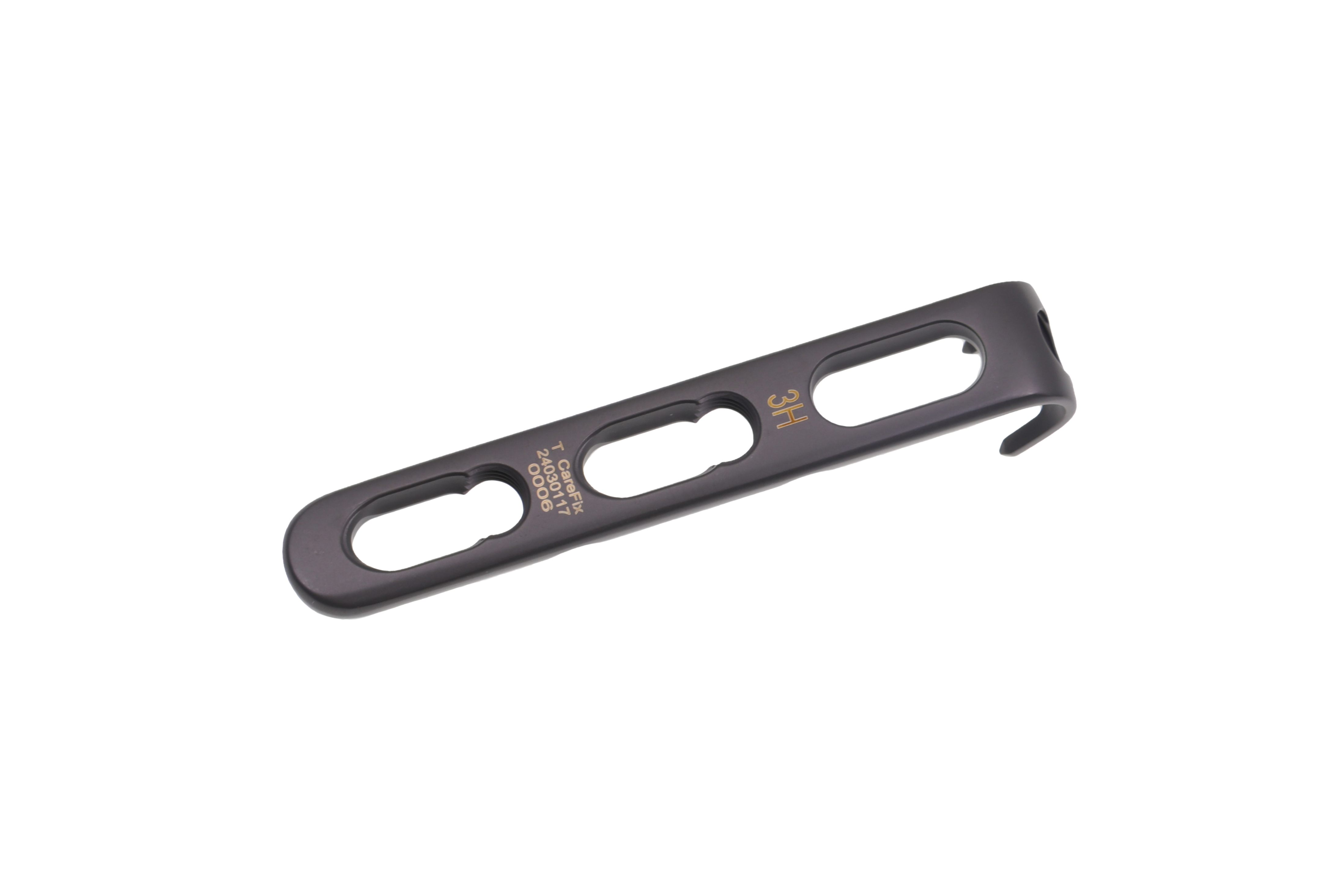
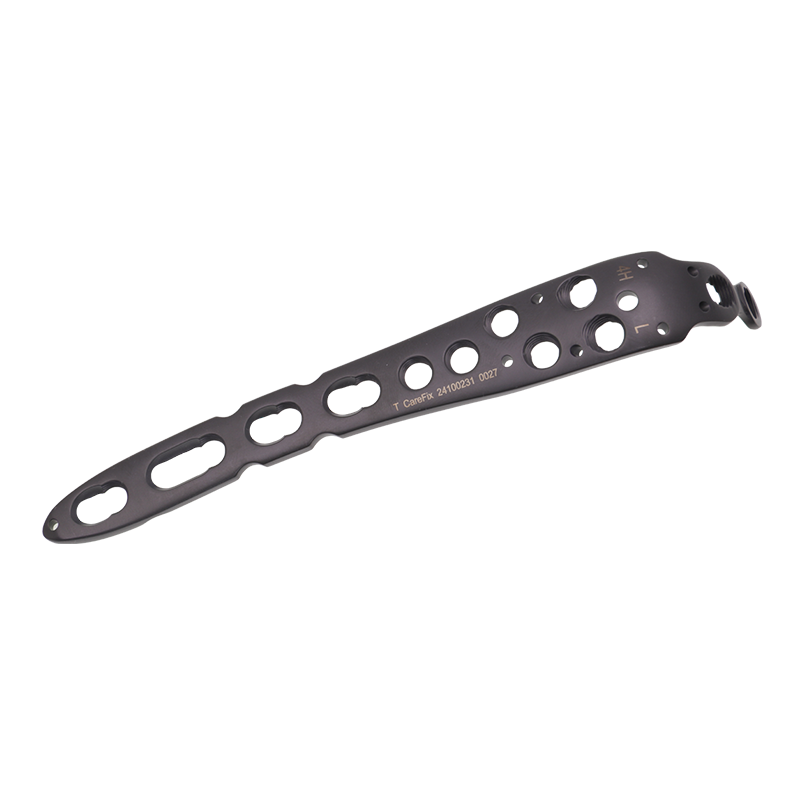
The proximal ulna plate is a specialized orthopedic implant designed for the surgical treatment of fractures and injuries affecting the upper portion of the ulna bone in the forearm. This medical device plays a critical role in stabilizing complex fractures near the elbow joint, providing essential support during the healing process. The proximal ulna plate features an anatomically contoured design that closely matches the natural shape of the bone, ensuring optimal contact and fixation. Manufactured from high-grade titanium or stainless steel alloys, these plates offer exceptional strength while maintaining biocompatibility with human tissue. The main functions include fracture stabilization, restoration of anatomical alignment, and facilitation of early mobilization to prevent joint stiffness. Technological features incorporate multiple fixed-angle and variable-angle locking screw options, allowing surgeons to customize fixation based on bone quality and fracture patterns. The low-profile design minimizes soft tissue irritation and reduces the risk of post-operative complications. Applications encompass olecranon fractures, proximal ulna fractures, Monteggia fracture-dislocations, and complex elbow trauma cases. Advanced surface treatments enhance osseointegration and reduce the likelihood of implant-related infections. The proximal ulna plate system typically includes various sizes and configurations to accommodate different patient anatomies and injury severities. Radiographic markers integrated into the plate design facilitate accurate positioning during surgery and enable clear post-operative assessment. This orthopedic solution represents a cornerstone in modern trauma surgery, enabling patients to regain functional use of their upper extremities through reliable fracture management.

New Product Recommendations

The proximal ulna plate delivers significant practical benefits that directly impact patient outcomes and surgical success rates. Surgeons appreciate the straightforward implantation process, which reduces operating room time and minimizes patient exposure to anesthesia. The anatomical contouring eliminates the need for extensive plate bending, allowing for faster and more predictable placement during emergency procedures. Patients benefit from earlier return to daily activities because the stable fixation permits controlled range-of-motion exercises shortly after surgery, preventing the joint stiffness that often accompanies prolonged immobilization. The locking mechanism creates a fixed-angle construct that maintains fracture reduction even in osteoporotic bone, making the proximal ulna plate suitable for elderly patients with compromised bone density. This versatility means healthcare providers can rely on a single system across diverse patient populations rather than maintaining multiple inventory options. The low-profile construction reduces post-operative discomfort and decreases the likelihood of requiring secondary surgery for implant removal, translating to lower overall treatment costs for healthcare facilities and patients. Material selection ensures long-term durability while maintaining compatibility with magnetic resonance imaging, enabling comprehensive post-operative monitoring without implant interference. For hospitals and surgical centers, the proximal ulna plate represents a cost-effective solution that balances initial investment with reduced complication rates and shorter recovery periods. The modular screw options provide intraoperative flexibility, allowing surgeons to adapt their fixation strategy based on real-time assessment of fracture stability and bone quality. Decision-makers choosing this technology gain confidence from extensive clinical evidence demonstrating consistent outcomes across various fracture patterns. The combination of user-friendly instrumentation, reliable performance, and patient-centered design makes the proximal ulna plate an essential component of comprehensive orthopedic trauma care programs.

Latest News

Cannulated Screw Types: Features and Benefits Explained

16

Dec

Cannulated Screw Types: Features and Benefits Explained

Orthopedic surgery has evolved significantly over the past decades, with advances in implant technology playing a crucial role in improving patient outcomes. Among these innovations, the cannulated screw stands out as a versatile and highly effective...
View More
Taylor brace: a new choice for minimally invasive treatment of complex fracture repair

11

Feb

Taylor brace: a new choice for minimally invasive treatment of complex fracture repair

The Taylor brace represents a significant advancement in orthopedic trauma management, offering surgeons and patients a minimally invasive alternative for treating complex fracture repairs. This innovative external fixation system has transformed the...
View More
Expanding the Boundaries of IM Nail Technology: Periarticular Fractures and Deformity Correction

06

Mar

Expanding the Boundaries of IM Nail Technology: Periarticular Fractures and Deformity Correction

Modern orthopedic surgery continues to evolve with innovative solutions that address complex fracture patterns and deformity corrections. The telescopic intramedullary nail represents a significant advancement in treating challenging periarticular fr...
View More
Treatment of osteomyelitis and tibial pseudarthrosis: The advantages of the Ilizarov frame

06

Mar

Treatment of osteomyelitis and tibial pseudarthrosis: The advantages of the Ilizarov frame

The treatment of complex orthopedic conditions such as osteomyelitis and tibial pseudarthrosis presents significant challenges that require innovative surgical approaches. Among the most effective solutions available to orthopedic surgeons today is t...
View More

Get a Free Quote

Our representative will contact you soon.
Email
Name
Company Name
Message
0/1000

proximal ulna plate

Anatomically Contoured Design for Superior Fit

Anatomically Contoured Design for Superior Fit

The proximal ulna plate features an anatomically pre-contoured profile that precisely matches the natural curvature of the proximal ulna bone. This engineering achievement eliminates the time-consuming and potentially imprecise manual bending required with conventional plates. Surgeons can position the implant directly onto the bone surface, achieving immediate optimal contact that distributes load evenly across the fracture site. The superior fit reduces stress concentrations that could lead to implant failure or bone resorption. This design consideration proves especially valuable in complex fracture patterns where precise anatomical restoration determines functional outcomes. The contoured shape maintains proper spacing from neurovascular structures, enhancing surgical safety and reducing the risk of post-operative complications. Patients experience better comfort during recovery because the plate sits naturally against the bone without creating pressure points under the skin. The thoughtful geometry accommodates the transition from the olecranon to the shaft, providing continuous support throughout the critical healing zone. For medical institutions, this feature translates to more consistent surgical results across different surgeon experience levels, supporting quality assurance initiatives and improving overall patient satisfaction scores.
Advanced Locking Technology for Stable Fixation

Advanced Locking Technology for Stable Fixation

The proximal ulna plate incorporates advanced locking screw technology that creates a fixed-angle construct, functioning as an internal fixator rather than relying solely on friction between the plate and bone. This mechanical advantage proves crucial when treating fractures in patients with poor bone quality, where traditional compression techniques may fail. The threaded screw heads lock into corresponding threads within the plate holes, creating a stable angular relationship that resists toggle and maintains fracture reduction throughout the healing process. Surgeons can select between fixed-angle and variable-angle locking options, providing strategic flexibility to avoid articular surfaces and capture small bone fragments. This versatility enables optimal screw trajectory planning even in challenging anatomical situations. The locking mechanism also prevents screw loosening, a common complication with conventional non-locking systems that can compromise fracture stability. Patients benefit from more predictable healing with fewer hardware-related complications requiring revision surgery. The technology supports early active rehabilitation protocols, allowing controlled loading that stimulates bone healing while maintaining alignment. Healthcare providers appreciate the reduced risk of fixation failure, which decreases costs associated with revision procedures and extends the duration between follow-up appointments.
Biocompatible Materials with Low-Profile Construction

Biocompatible Materials with Low-Profile Construction

The proximal ulna plate is manufactured from medical-grade titanium alloy or stainless steel, materials specifically selected for their exceptional biocompatibility and mechanical properties. Titanium options offer superior corrosion resistance and reduced allergic reaction potential, making them ideal for patients with metal sensitivities or those requiring long-term implantation. The material strength-to-weight ratio provides robust fracture support while minimizing implant mass, reducing the mechanical burden on healing bone. Advanced surface treatments promote osseointegration at the bone-implant interface, enhancing biological fixation that complements mechanical stability. The low-profile design reduces the implant's prominence beneath the skin, addressing a common patient concern about hardware palpability and cosmetic appearance. This streamlined construction minimizes soft tissue irritation that can cause discomfort during arm movements and reduces the incidence of secondary removal procedures. The smooth edges and rounded contours prevent tendon irritation, particularly important given the dynamic environment around the elbow joint. For radiologists and treating physicians, the materials maintain excellent visibility on standard radiographs while remaining compatible with advanced imaging modalities. Healthcare systems value the balance between clinical performance and patient comfort, as satisfied patients demonstrate better compliance with rehabilitation protocols and achieve superior functional outcomes.
logo