Titanium Reconstruction Plate Solutions

Get a Free Quote

Our representative will contact you soon.
Email
Name
Company Name
Message
0/1000

titanium reconstruction plate

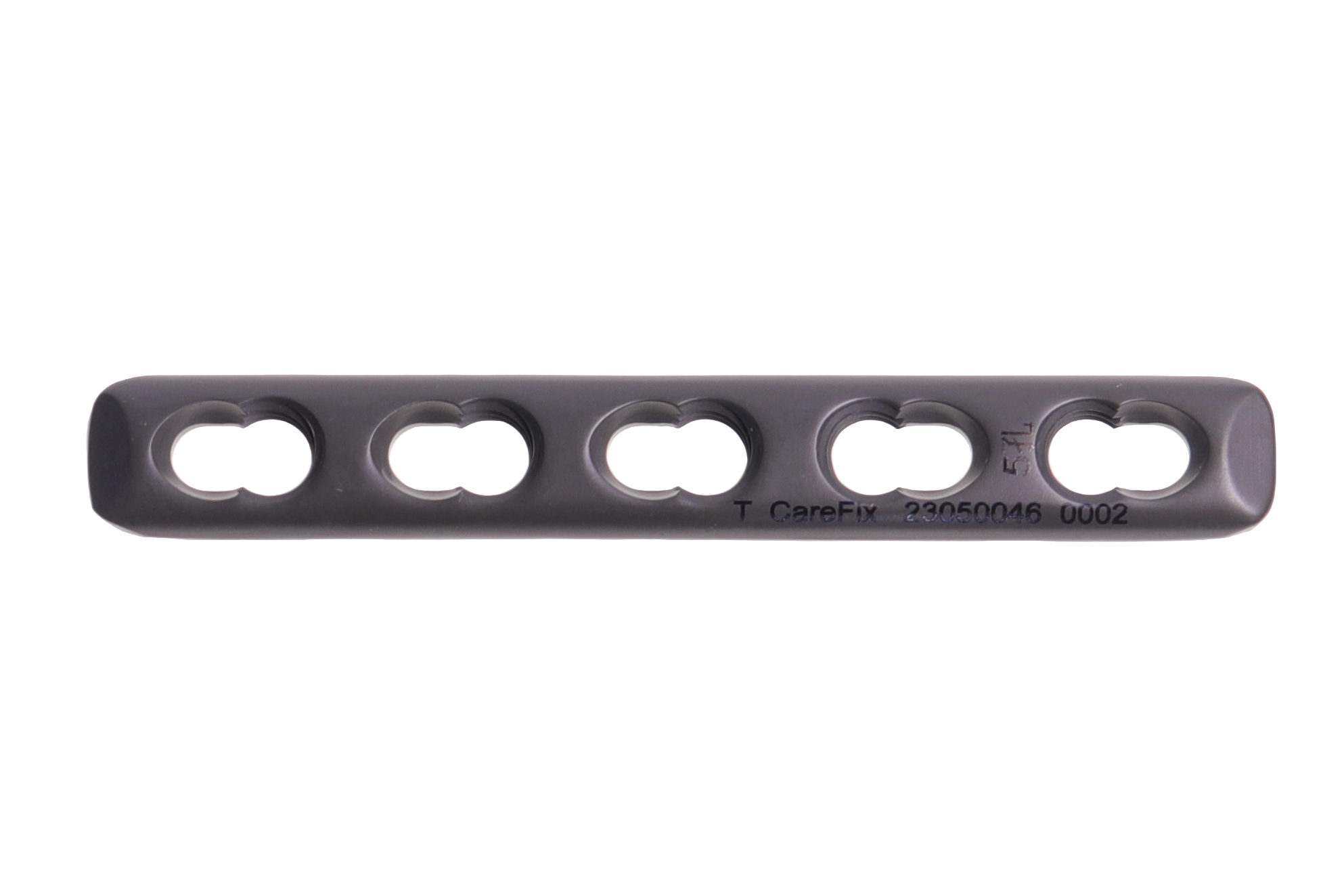
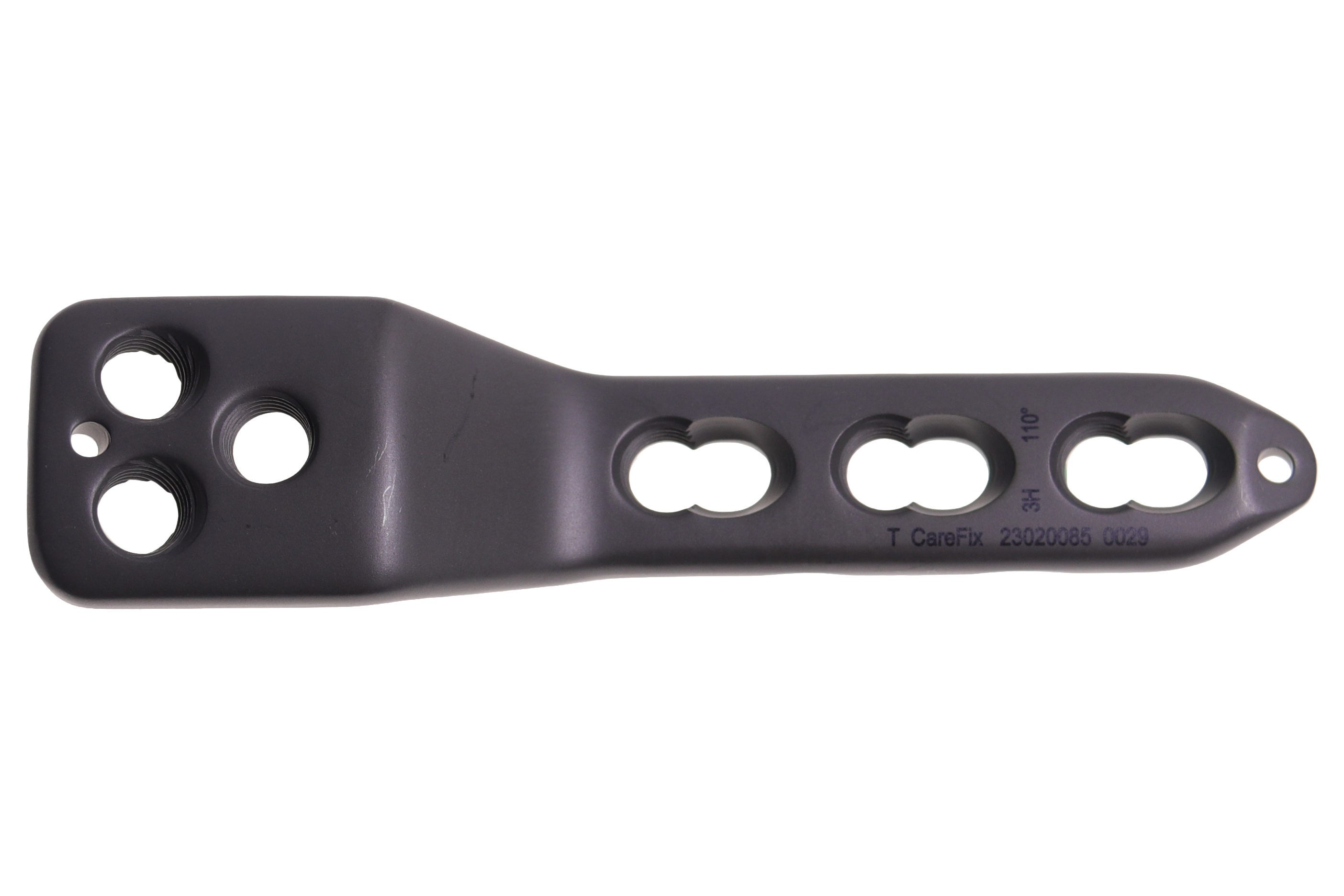
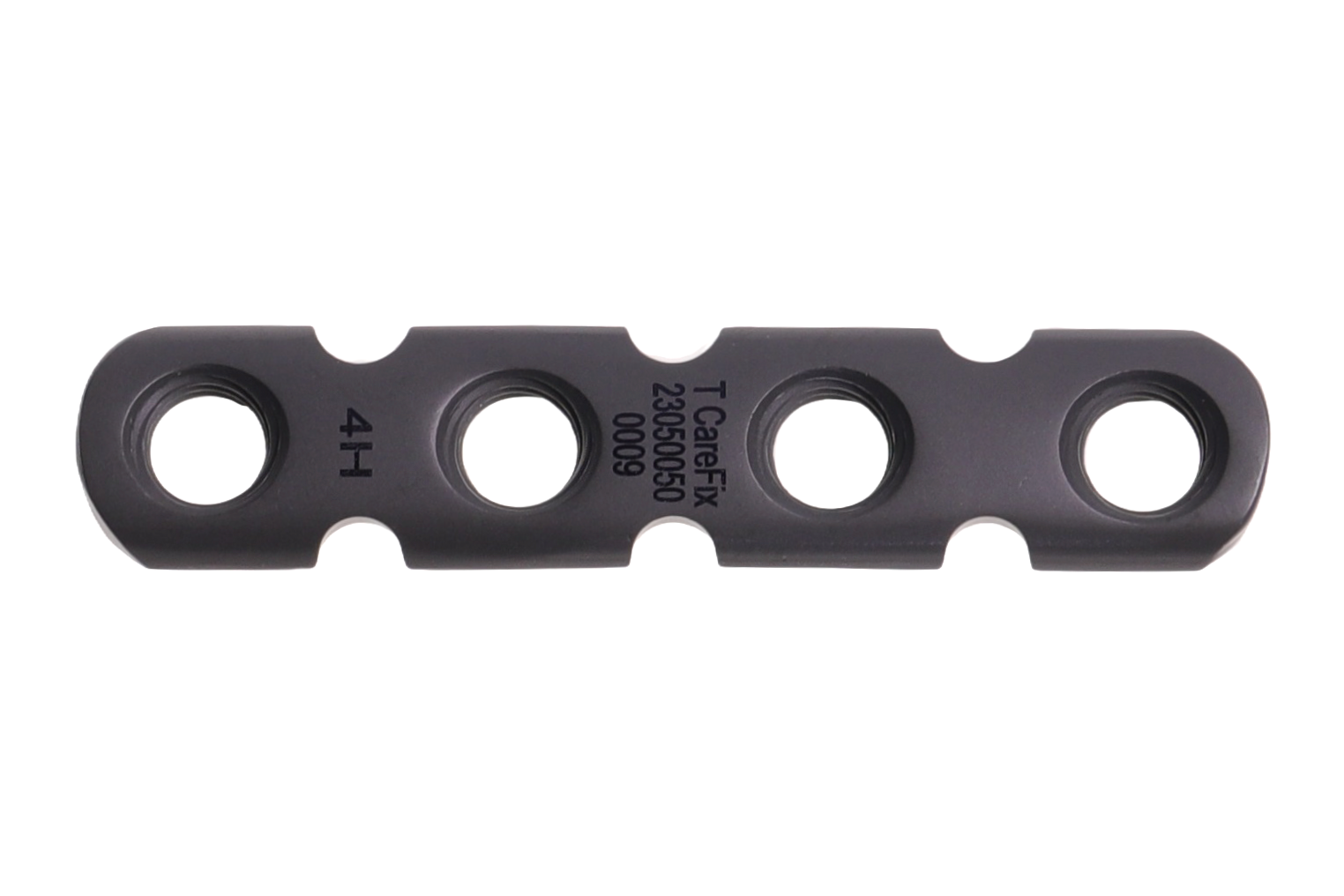
A titanium reconstruction plate is a specialized orthopedic implant designed to repair and stabilize bone fractures, particularly in complex anatomical regions such as the craniomaxillofacial area, pelvis, and long bones. Manufactured from medical-grade titanium or titanium alloy, this device provides essential structural support during the healing process. The titanium reconstruction plate functions by bridging fractured bone segments, maintaining proper alignment and compression to facilitate natural bone regeneration. Its primary role is to distribute mechanical loads across the fracture site while allowing controlled micromotion that promotes callus formation. The technological features of the titanium reconstruction plate include biocompatibility that minimizes adverse tissue reactions, corrosion resistance for long-term implantation, and radiolucency that enables clear postoperative imaging. Advanced manufacturing techniques such as CAD/CAM design and 3D printing allow for patient-specific customization, ensuring optimal anatomical fit. The plate's modular design with multiple screw holes offers surgeons flexibility in fixation strategies. Applications span trauma surgery, reconstructive procedures following tumor resection, congenital deformity correction, and revision surgeries. Surgeons frequently utilize the titanium reconstruction plate in challenging cases requiring precise contouring and stable fixation. The material's strength-to-weight ratio makes it ideal for load-bearing applications while minimizing implant mass. With proven clinical outcomes across diverse surgical specialties, the titanium reconstruction plate represents a cornerstone technology in modern orthopedic and maxillofacial reconstruction, delivering reliable performance in restoring skeletal integrity and function.

New Product Releases

The titanium reconstruction plate offers substantial buyer value through its exceptional durability and longevity, reducing the need for revision surgeries and associated healthcare costs. Patients benefit from faster recovery times due to the biocompatible nature of titanium, which integrates seamlessly with surrounding bone tissue without triggering inflammatory responses. The operational benefits for surgical teams include ease of contouring and shaping during procedures, allowing precise customization to match individual patient anatomy without compromising structural integrity. The titanium reconstruction plate maintains its mechanical properties even after bending, ensuring consistent fixation strength. Surgeons appreciate the comprehensive screw options and plate configurations that accommodate various fracture patterns and bone densities. The low-profile design minimizes soft tissue irritation and reduces the prominence of hardware beneath the skin, improving patient comfort and cosmetic outcomes. Application suitability extends across multiple surgical disciplines, from trauma and orthopedics to oral and maxillofacial surgery, making it a versatile solution for healthcare facilities. The titanium reconstruction plate withstands physiological loading conditions while promoting bone healing through optimal stress distribution. Its MRI compatibility allows for postoperative diagnostic imaging without artifacts that obscure visualization. The corrosion-resistant properties ensure the implant maintains its integrity in the challenging biological environment over extended periods. For decision-makers evaluating implant options, the titanium reconstruction plate presents a cost-effective choice with predictable outcomes backed by extensive clinical evidence. The standardized sizing and instrumentation reduce surgical time and technical complexity, benefiting both experienced surgeons and those building their reconstructive skills. These practical advantages translate to improved patient satisfaction, reduced complication rates, and enhanced surgical efficiency across healthcare settings.

Practical Tips

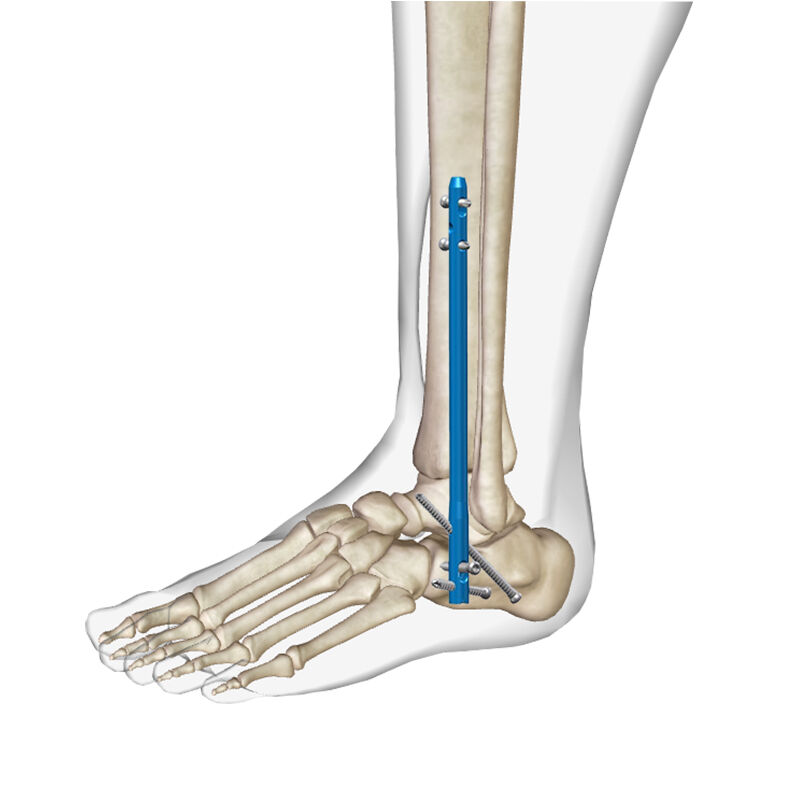
Application analysis of intramedullary nail system in ankle joint fusion

16

Dec

Application analysis of intramedullary nail system in ankle joint fusion

The evolution of orthopedic surgical techniques has brought significant advancements in treating complex ankle pathologies, particularly through the implementation of modern fixation systems. An intramedullary nail system represents a revolutionary a...
View More
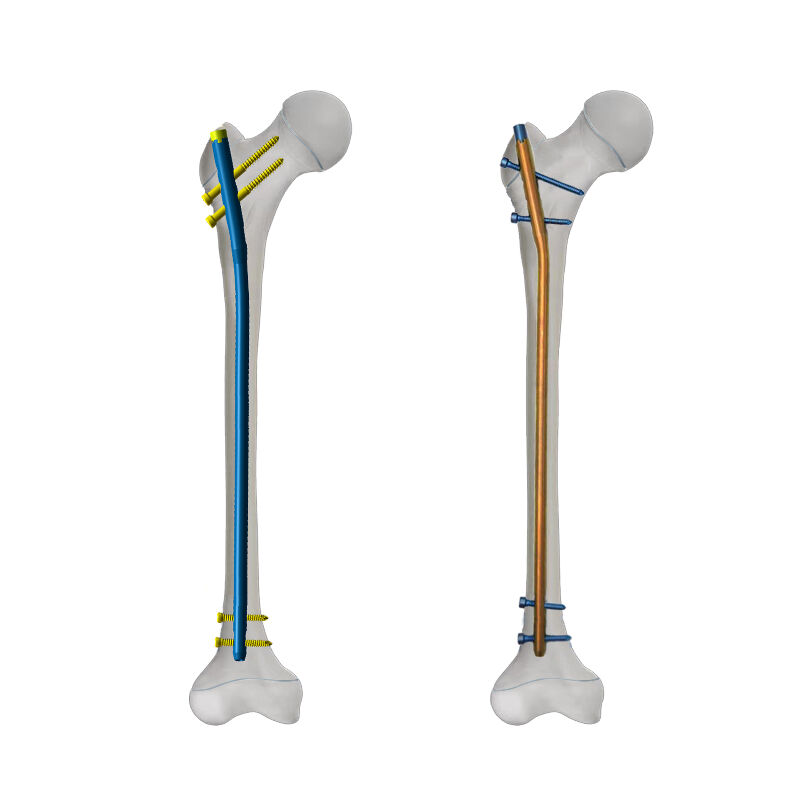
Understanding Intramedullary Nail Complications

13

Jan

Understanding Intramedullary Nail Complications

Intramedullary nail complications represent a significant concern in orthopedic surgery, affecting patient outcomes and recovery timelines. These complications can arise during insertion, throughout the healing process, or during long-term implant re...
View More
Distal radial volar locking plate: refined design enhances the success rate of fracture fixation

06

Mar

Distal radial volar locking plate: refined design enhances the success rate of fracture fixation

The treatment of distal radius fractures has undergone significant evolution in recent decades, with the distal radial volar locking plate emerging as a cornerstone technology in modern orthopedic practice. These innovative implants represent a parad...
View More
Taylor brace: a new choice for minimally invasive treatment of complex fracture repair

15

Apr

Taylor brace: a new choice for minimally invasive treatment of complex fracture repair

The Taylor brace represents a significant advancement in orthopedic external fixation technology, offering surgeons and patients a minimally invasive solution for complex fracture repair scenarios. This innovative Taylor brace system combines precisi...
View More

Get a Free Quote

Our representative will contact you soon.
Email
Name
Company Name
Message
0/1000

titanium reconstruction plate

Superior Biocompatibility and Osseointegration

Superior Biocompatibility and Osseointegration

The titanium reconstruction plate excels in biocompatibility, a critical factor that directly influences surgical success and patient outcomes. Titanium's unique surface chemistry creates a stable oxide layer that interfaces harmoniously with biological tissues, preventing adverse reactions such as chronic inflammation or implant rejection. This biocompatibility enables direct bone-to-implant contact, facilitating osseointegration where bone cells grow onto and bond with the plate surface. The process creates a stable biological fixation that complements mechanical screw fixation, enhancing overall construct stability. Patients experience fewer complications related to material sensitivity, reducing the likelihood of implant removal procedures. The non-toxic nature of titanium means it can remain in the body indefinitely without releasing harmful ions or degradation products into surrounding tissues. For surgeons, this translates to confidence in long-term implant performance and predictable healing trajectories. The titanium reconstruction plate's biocompatibility also supports vascularization around the implant site, promoting healthy blood flow essential for bone regeneration. This biological integration distinguishes titanium from alternative materials and represents a significant value proposition for patients seeking reliable, body-friendly reconstructive solutions that support natural healing processes while providing necessary mechanical support.
Exceptional Strength-to-Weight Ratio

Exceptional Strength-to-Weight Ratio

The titanium reconstruction plate delivers outstanding mechanical performance through its remarkable strength-to-weight ratio, offering load-bearing capacity comparable to stainless steel while weighing approximately 45 percent less. This characteristic provides multiple clinical advantages that enhance both surgical outcomes and patient experiences. The reduced weight minimizes stress on healing bone structures and surrounding soft tissues, decreasing patient discomfort during the recovery period. Despite its lightweight nature, the titanium reconstruction plate withstands physiological forces encountered during normal activities and rehabilitation exercises without deformation or failure. The material's high tensile strength ensures the plate maintains fracture alignment under dynamic loading conditions, preventing loss of reduction that could compromise healing. Surgeons can confidently apply the titanium reconstruction plate in high-stress anatomical locations such as weight-bearing long bones and the mandible, where masticatory forces demand robust fixation. The strength characteristics also allow for thinner plate profiles without sacrificing structural integrity, reducing soft tissue irritation and improving cosmetic results. This engineering advantage enables manufacturers to design sophisticated plate geometries with features like buttress sections and variable thickness zones that optimize strength where needed while minimizing overall implant mass. The titanium reconstruction plate's mechanical properties remain stable across temperature variations and throughout extended implantation periods, ensuring consistent performance that surgeons and patients can rely upon.
Advanced Imaging Compatibility

Advanced Imaging Compatibility

The titanium reconstruction plate offers superior imaging compatibility, addressing a critical need in postoperative care and long-term patient monitoring. Unlike many metallic implants that create significant artifacts during CT and MRI scanning, titanium produces minimal image distortion due to its low magnetic susceptibility and favorable atomic properties. This advantage enables clinicians to accurately assess bone healing, detect complications, and visualize surrounding anatomical structures without the obscuring effects common with other materials. Patients requiring ongoing surveillance for conditions such as tumor recurrence or infection benefit from clear diagnostic images that facilitate early intervention when necessary. The titanium reconstruction plate's radiolucency on standard radiographs provides excellent contrast, allowing surgeons to evaluate fracture union, bone remodeling, and screw positioning throughout the healing process. This imaging clarity supports evidence-based decision-making regarding rehabilitation progression and return to normal activities. For healthcare facilities, the imaging compatibility reduces the need for specialized scanning protocols or alternative diagnostic methods, streamlining workflow and containing costs. The titanium reconstruction plate maintains its structural position without migration or loosening, as confirmed through serial imaging studies, providing documentation of stable fixation over time. This technological feature represents substantial value for both acute trauma cases and elective reconstructive procedures where postoperative imaging plays an essential role in confirming successful outcomes and guiding patient management strategies.
logo