Metal Plate Knee Surgery: Advanced Fracture Repair

Get a Free Quote

Our representative will contact you soon.
Email
Name
Company Name
Message
0/1000

metal plate knee surgery

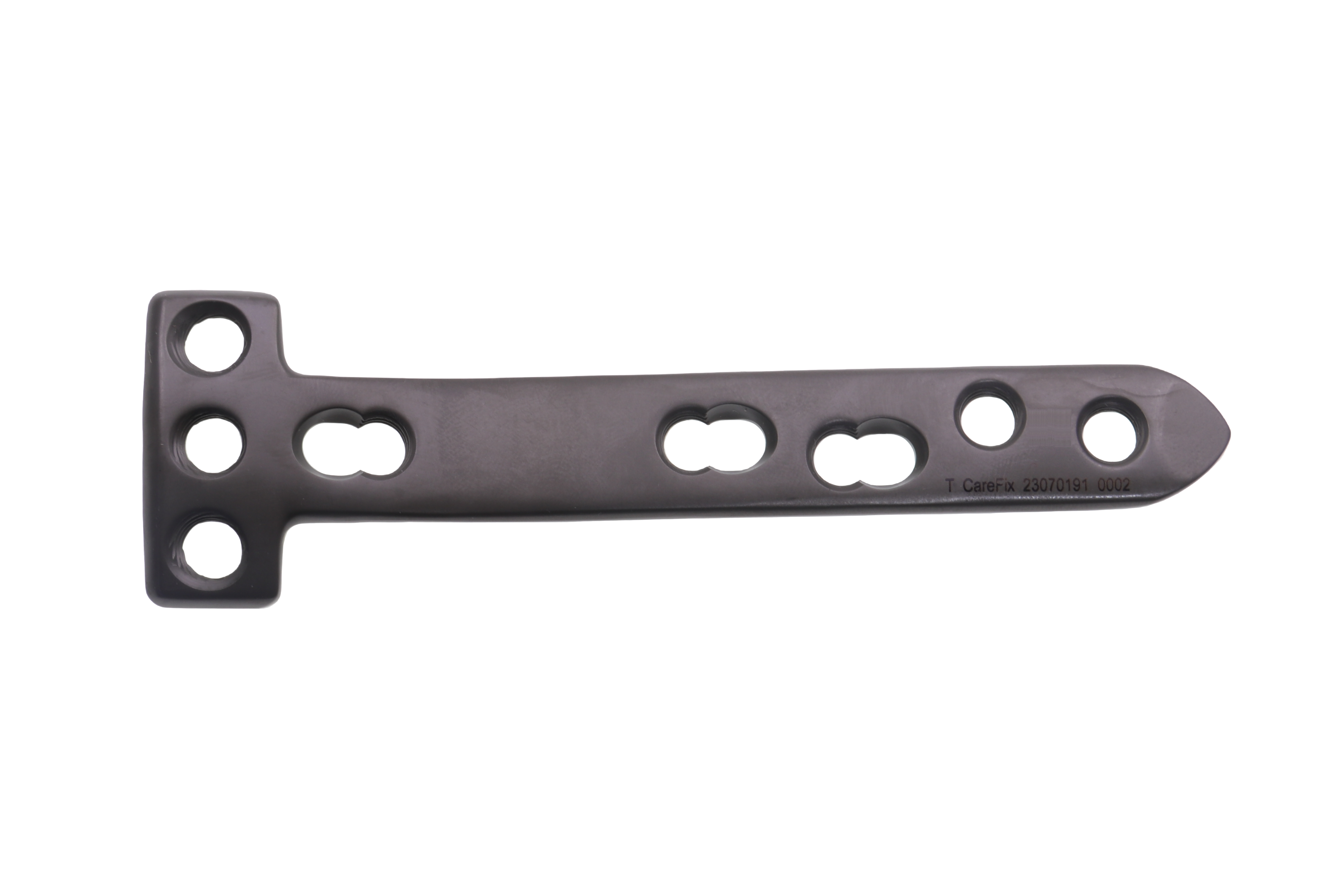
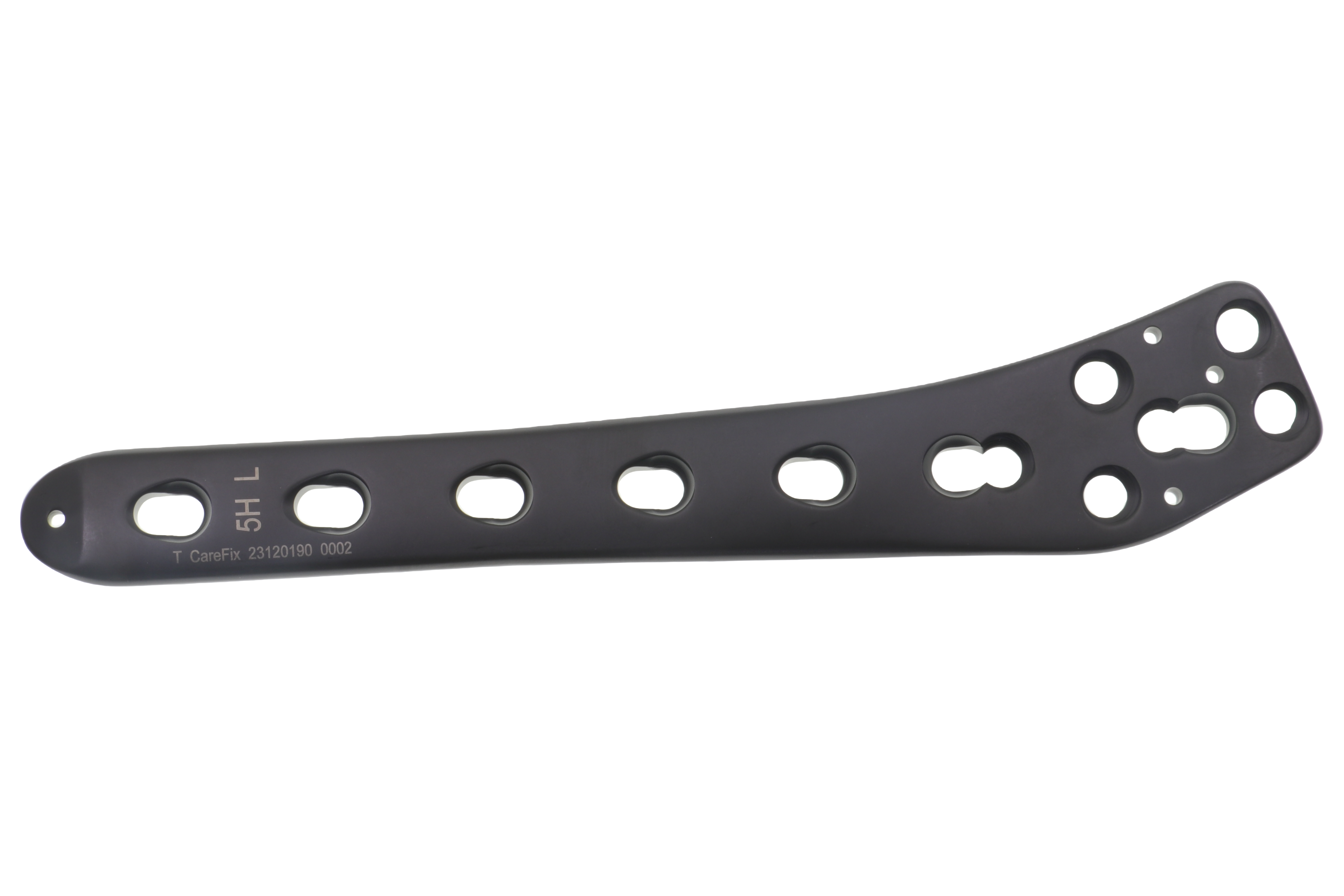
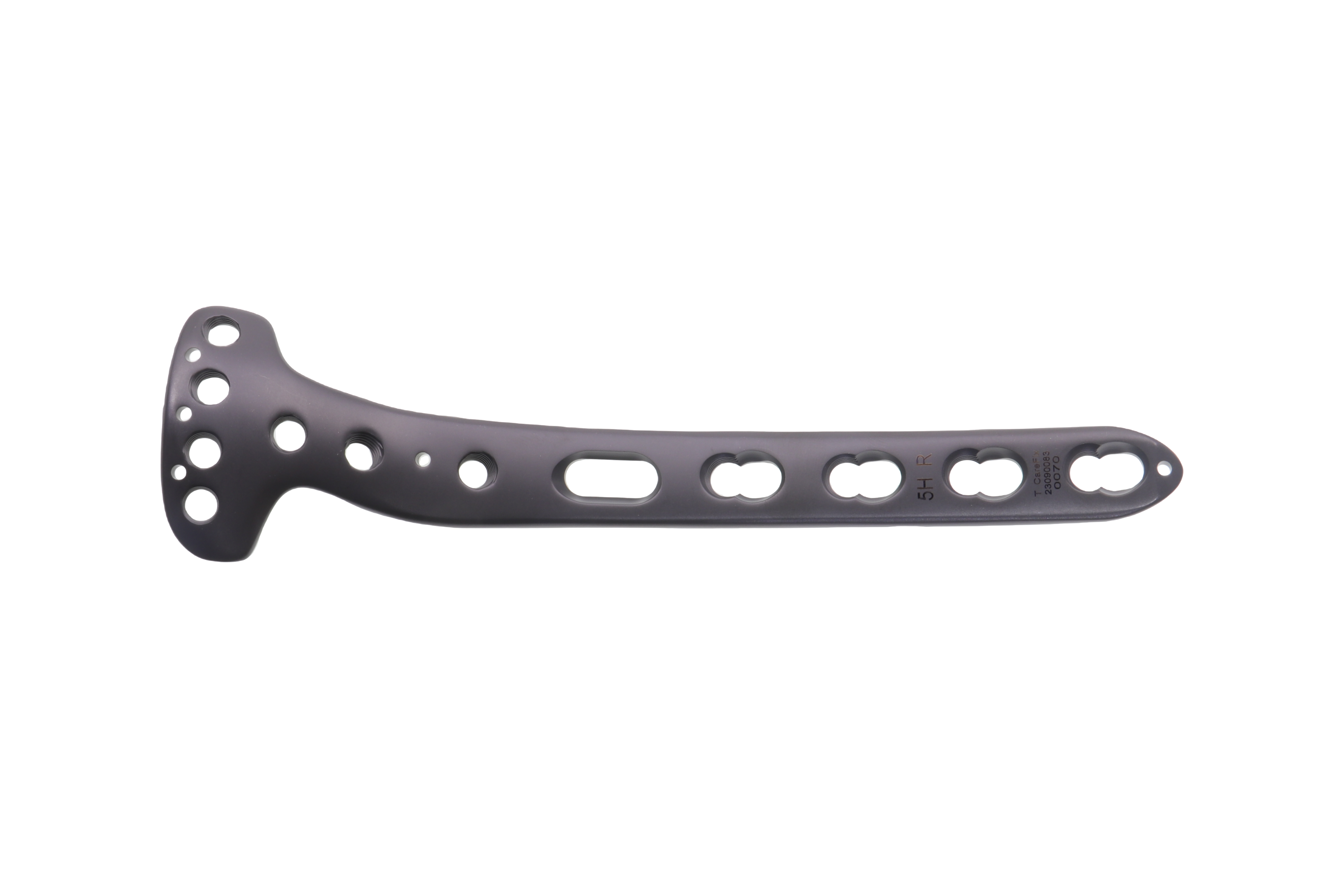
Metal plate knee surgery is an advanced orthopedic procedure designed to repair and stabilize fractured or damaged knee bones through the surgical implantation of specialized metal plates and screws. This reconstructive intervention addresses complex knee fractures, including tibial plateau fractures, distal femur fractures, and patella fractures that cannot heal properly through conservative treatment methods. The primary function of metal plate knee surgery involves realigning broken bone fragments and securing them with titanium or stainless steel plates, allowing for proper healing and restoration of knee joint functionality. The technological features of this procedure include anatomically contoured plates that match natural bone curvature, locking screw mechanisms that provide enhanced stability, and biocompatible materials that minimize rejection risks. Surgeons utilize minimally invasive techniques when possible, employing specialized instruments and imaging guidance to precisely position the hardware. Applications of metal plate knee surgery extend across trauma cases from motor vehicle accidents, sports injuries, falls from heights, and pathological fractures due to osteoporosis or bone disease. The procedure proves particularly valuable for patients requiring immediate weight-bearing capability and those with comminuted fractures where multiple bone fragments must be precisely realigned. Recovery typically involves physical therapy protocols to restore range of motion, strength, and functional mobility, with most patients experiencing significant improvement within six to twelve months post-surgery.

Popular Products

Metal plate knee surgery offers substantial benefits that directly impact patient recovery and long-term joint function. The procedure provides immediate mechanical stability to fractured bones, allowing early mobilization and reducing the risks associated with prolonged immobilization such as muscle atrophy, joint stiffness, and blood clots. Patients can often begin controlled weight-bearing activities sooner compared to traditional casting methods, accelerating their return to daily activities and work responsibilities. The precision of metal plate knee surgery enables accurate anatomical reduction of bone fragments, which is critical for maintaining proper joint alignment and preventing post-traumatic arthritis. This surgical approach minimizes the disruption to surrounding soft tissues when performed with modern minimally invasive techniques, resulting in smaller incisions, reduced scarring, less postoperative pain, and faster wound healing. The biocompatible materials used in contemporary implants demonstrate excellent durability and integration with natural bone tissue, supporting reliable long-term outcomes. For active individuals and athletes, metal plate knee surgery facilitates restoration of pre-injury performance levels by ensuring optimal bone healing geometry. The procedure proves particularly suitable for complex fracture patterns where non-surgical management would yield poor results, including intra-articular fractures that extend into the joint surface. Decision-making becomes clearer when patients understand that metal plate knee surgery addresses both immediate stability needs and future functionality goals. The hardware remains permanently in place in most cases unless it causes discomfort, eliminating the need for routine removal procedures. Insurance coverage typically includes this medically necessary intervention, making it accessible for patients requiring surgical fracture management.

Practical Tips

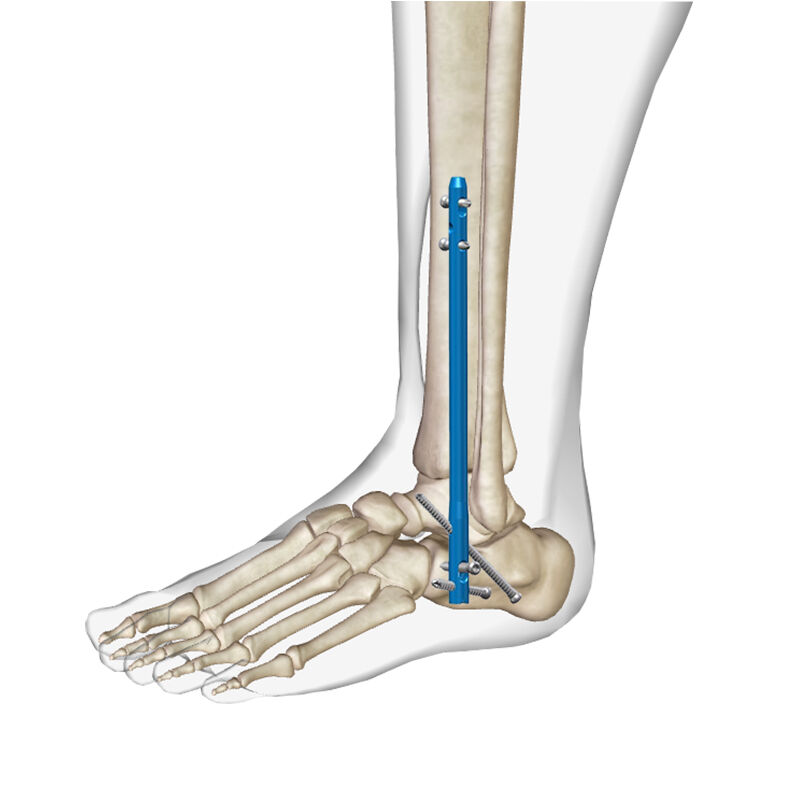
Application analysis of intramedullary nail system in ankle joint fusion

16

Dec

Application analysis of intramedullary nail system in ankle joint fusion

The evolution of orthopedic surgical techniques has brought significant advancements in treating complex ankle pathologies, particularly through the implementation of modern fixation systems. An intramedullary nail system represents a revolutionary a...
View More
Finite Element Optimization Design and Biomechanical Validation of Personalized IM Nails

11

Feb

Finite Element Optimization Design and Biomechanical Validation of Personalized IM Nails

The evolution of orthopedic trauma surgery has reached a pivotal moment with the emergence of personalized IM nails that revolutionize fracture treatment approaches. Advanced computational modeling and finite element analysis have enabled surgeons to...
View More
Cannulated screw system: Technological advancements in the treatment of ankle fractures

06

Mar

Cannulated screw system: Technological advancements in the treatment of ankle fractures

Ankle fractures represent one of the most challenging orthopedic injuries requiring precise surgical intervention and advanced fixation methods. The evolution of fracture treatment has been significantly enhanced by the introduction of modern cannula...
View More
Treatment of osteomyelitis and tibial pseudarthrosis: The advantages of the Ilizarov frame

06

Mar

Treatment of osteomyelitis and tibial pseudarthrosis: The advantages of the Ilizarov frame

The treatment of complex orthopedic conditions such as osteomyelitis and tibial pseudarthrosis presents significant challenges that require innovative surgical approaches. Among the most effective solutions available to orthopedic surgeons today is t...
View More

Get a Free Quote

Our representative will contact you soon.
Email
Name
Company Name
Message
0/1000

metal plate knee surgery

Anatomically Designed Fixation Technology

Anatomically Designed Fixation Technology

Metal plate knee surgery utilizes anatomically contoured plates specifically engineered to match the natural three-dimensional shape of knee bones, ensuring optimal contact and load distribution across fracture sites. These advanced implants feature pre-contoured designs for the distal femur, proximal tibia, and patella, eliminating the need for extensive intraoperative bending that could compromise material strength. The locking screw technology incorporated in modern systems creates a fixed-angle construct where screws lock into the plate threads, functioning as a single unified device rather than relying solely on friction against bone. This innovation proves especially valuable in osteoporotic bone where traditional compression techniques may fail. The anatomical design allows surgeons to position hardware in locations that minimize soft tissue irritation while maximizing biomechanical stability. Patients benefit from this technological advancement through reduced hardware prominence, decreased discomfort during knee flexion, and lower rates of secondary procedures for implant removal. The precision engineering ensures consistent performance across diverse patient anatomies and fracture configurations.
Accelerated Recovery and Early Mobilization

Accelerated Recovery and Early Mobilization

One of the most significant advantages of metal plate knee surgery is the ability to begin early mobilization protocols that dramatically improve patient outcomes and quality of life during recovery. The rigid fixation provided by plate and screw constructs allows patients to start protected weight-bearing exercises and physical therapy within days of surgery, rather than waiting weeks or months for bone healing in a cast. This early movement prevents the cascade of complications associated with prolonged immobilization, including deep vein thrombosis, pulmonary embolism, muscle wasting, and joint contractures. Patients maintain cardiovascular fitness and psychological well-being through active participation in their rehabilitation program. The controlled loading stimulates bone healing through beneficial mechanical stress while the stable fixation prevents displacement of fracture fragments. Physical therapists can implement progressive strengthening exercises targeting quadriceps, hamstrings, and supporting musculature, facilitating faster return to functional independence. For working individuals, this accelerated timeline translates to reduced time away from employment and decreased financial impact. Athletes appreciate the structured rehabilitation pathway that metal plate knee surgery enables, with clear milestones for increasing activity levels.
Precision Fracture Reduction for Joint Preservation

Precision Fracture Reduction for Joint Preservation

Metal plate knee surgery provides unparalleled precision in reducing complex intra-articular fractures where even minor misalignment can lead to accelerated joint degeneration and chronic pain. The procedure allows surgeons to directly visualize fracture fragments, meticulously restore articular surface congruity, and achieve anatomical reduction that conservative treatment cannot match. This precision becomes critically important for tibial plateau fractures and distal femur fractures that involve the weight-bearing surfaces of the knee joint. When joint surfaces heal in proper alignment, the cartilage experiences normal stress distribution during activities, preventing focal areas of excessive pressure that cause premature arthritis. Patients treated with metal plate knee surgery for articular fractures demonstrate significantly better long-term joint preservation compared to those with malunited fractures. The surgical approach incorporates intraoperative fluoroscopy and direct arthroscopic assessment when necessary, ensuring millimeter-level accuracy in fragment positioning. This attention to detail protects patients from future revision surgeries, joint replacement procedures, and chronic disability. The investment in precise surgical reduction through metal plate fixation yields decades of improved joint function and quality of life.
logo