Acetabular Plate Solutions for Hip Reconstruction

Get a Free Quote

Our representative will contact you soon.
Email
Name
Company Name
Message
0/1000

acetabular plate

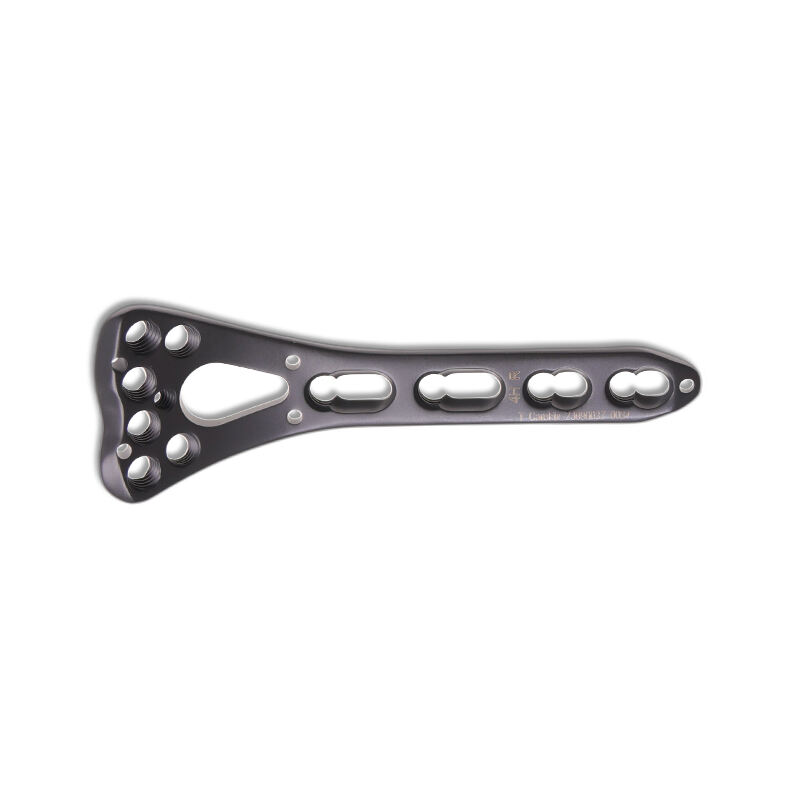
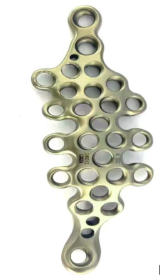
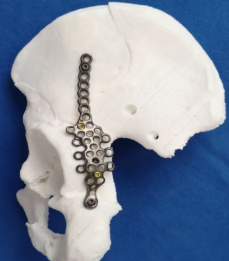
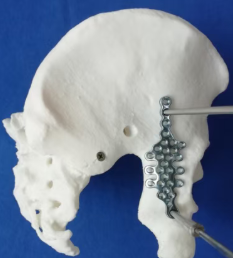
The acetabular plate is a specialized orthopedic implant designed to restore stability and function to the hip joint following acetabular fractures or bone loss. This advanced surgical device serves as a critical component in complex hip reconstruction procedures, providing essential structural support to the damaged acetabulum. The acetabular plate works by anchoring securely to the pelvic bone, creating a stable framework that allows for proper healing and restoration of hip mechanics. Manufactured from biocompatible materials such as titanium or stainless steel, these plates are engineered to withstand the significant forces generated during daily activities while promoting bone integration. The primary functions of the acetabular plate include fracture stabilization, load distribution across weakened bone structures, and maintaining proper anatomical alignment during the healing process. Technologically, modern acetabular plate systems feature anatomically contoured designs that match the natural curvature of the pelvis, multiple screw hole options for versatile fixation strategies, and low-profile construction to minimize soft tissue irritation. These plates are available in various sizes and configurations to accommodate different patient anatomies and fracture patterns. The applications of the acetabular plate extend across multiple clinical scenarios, including traumatic acetabular fractures, revision hip arthroplasty with bone deficiency, pelvic discontinuity repair, and reconstruction following tumor resection. Surgeons rely on the acetabular plate to provide immediate mechanical stability while biological healing occurs, making it an indispensable tool in modern orthopedic trauma and reconstructive surgery.

Popular Products

Choosing the acetabular plate for hip reconstruction delivers significant practical benefits that directly impact patient outcomes and surgical success. The immediate mechanical stability provided by the acetabular plate allows patients to begin rehabilitation sooner, reducing hospital stays and accelerating return to daily activities. This early mobilization prevents complications associated with prolonged bed rest, including muscle atrophy and cardiovascular issues. The robust construction of the acetabular plate ensures reliable performance under physiological loading conditions, giving surgeons confidence in the fixation throughout the healing period. Operationally, the acetabular plate simplifies complex surgical procedures through intuitive instrumentation and clear anatomical landmarks for placement. Surgeons appreciate the versatile screw configurations that allow customized fixation strategies tailored to each unique fracture pattern, enhancing surgical precision and reducing operative time. The biocompatible materials used in the acetabular plate minimize the risk of adverse tissue reactions while promoting osseointegration, creating a lasting bond between implant and bone. From an application perspective, the acetabular plate addresses a wide range of clinical challenges, from acute trauma cases to complex revision scenarios involving significant bone loss. This versatility means healthcare facilities can maintain a comprehensive inventory that covers diverse patient needs without stocking multiple specialized systems. The proven track record of the acetabular plate in clinical studies demonstrates high union rates and low complication profiles, providing decision-makers with evidence-based confidence in their implant selection. For hospital administrators and purchasing decision-makers, investing in quality acetabular plate systems translates to improved patient satisfaction scores, reduced revision surgery rates, and better overall value. The durability and reliability of the acetabular plate reduce the total cost of care by minimizing complications and repeat procedures, making it a fiscally responsible choice that balances upfront investment with long-term patient welfare.

Latest News

Cannulated Screw Types: Features and Benefits Explained

16

Dec

Cannulated Screw Types: Features and Benefits Explained

Orthopedic surgery has evolved significantly over the past decades, with advances in implant technology playing a crucial role in improving patient outcomes. Among these innovations, the cannulated screw stands out as a versatile and highly effective...
View More
Taylor brace: a new choice for minimally invasive treatment of complex fracture repair

11

Feb

Taylor brace: a new choice for minimally invasive treatment of complex fracture repair

The Taylor brace represents a significant advancement in orthopedic trauma management, offering surgeons and patients a minimally invasive alternative for treating complex fracture repairs. This innovative external fixation system has transformed the...
View More
Treatment of osteomyelitis and tibial pseudarthrosis: The advantages of the Ilizarov frame

06

Mar

Treatment of osteomyelitis and tibial pseudarthrosis: The advantages of the Ilizarov frame

The treatment of complex orthopedic conditions such as osteomyelitis and tibial pseudarthrosis presents significant challenges that require innovative surgical approaches. Among the most effective solutions available to orthopedic surgeons today is t...
View More
Taylor brace: a new choice for minimally invasive treatment of complex fracture repair

15

Apr

Taylor brace: a new choice for minimally invasive treatment of complex fracture repair

The Taylor brace represents a significant advancement in orthopedic external fixation technology, offering surgeons and patients a minimally invasive solution for complex fracture repair scenarios. This innovative Taylor brace system combines precisi...
View More

Get a Free Quote

Our representative will contact you soon.
Email
Name
Company Name
Message
0/1000

acetabular plate

Anatomically Contoured Design for Optimal Fit

Anatomically Contoured Design for Optimal Fit

The anatomically contoured design of the acetabular plate represents a breakthrough in orthopedic implant engineering, directly addressing the complex three-dimensional geometry of the human pelvis. Unlike generic flat plates, the acetabular plate features precise curvatures that mirror the natural bone anatomy, ensuring intimate contact between implant and bone surface across multiple fixation points. This superior conformity distributes mechanical forces evenly, preventing stress concentrations that could lead to implant failure or bone damage. The pre-contoured shape significantly reduces the need for intraoperative bending, saving valuable surgical time and maintaining the structural integrity of the implant. Surgeons benefit from predictable placement and consistent performance across different patient anatomies. The design also minimizes soft tissue irritation by maintaining a low profile against the bone surface, reducing postoperative discomfort and improving patient comfort during recovery. This thoughtful engineering translates to better clinical outcomes, as proper plate-to-bone contact enhances stability and promotes faster biological healing. For medical facilities prioritizing patient safety and surgical efficiency, the anatomically contoured acetabular plate delivers measurable advantages that justify its selection over traditional implant options.
Versatile Fixation Options for Complex Cases

Versatile Fixation Options for Complex Cases

The versatile fixation capabilities of the acetabular plate empower surgeons to address the most challenging acetabular reconstruction scenarios with confidence and precision. Each plate features strategically positioned screw holes in multiple orientations, allowing surgeons to capture healthy bone stock wherever it exists, even in cases of severe fragmentation or bone loss. This flexibility is particularly valuable when treating comminuted fractures or revision cases where anatomical landmarks have been compromised. The acetabular plate accommodates both locking and non-locking screws, giving surgeons the ability to optimize fixation based on bone quality and specific mechanical requirements at each screw location. Locking screws create fixed-angle constructs that maintain reduction without relying solely on friction, while standard screws allow for compression and dynamic adjustment during placement. This hybrid approach maximizes stability while preserving surgical versatility. The multiple hole options also enable surgeons to avoid neurovascular structures and adjust their fixation strategy based on intraoperative findings without compromising overall construct strength. Healthcare providers investing in acetabular plate systems with versatile fixation options gain a single platform capable of managing diverse clinical presentations, streamlining inventory management while ensuring surgeons have the tools needed for successful outcomes across their entire patient population.
Biocompatible Materials for Long-Term Integration

Biocompatible Materials for Long-Term Integration

The biocompatible material composition of the acetabular plate ensures safe, lasting integration with human bone tissue while providing the mechanical strength necessary for hip reconstruction. Manufactured from medical-grade titanium alloys or stainless steel that meet rigorous international standards, the acetabular plate exhibits excellent corrosion resistance and tissue compatibility, minimizing inflammatory responses and allergic reactions. These materials have decades of proven clinical history in orthopedic applications, giving patients and surgeons confidence in their safety profile. The surface treatments applied to the acetabular plate promote osseointegration, encouraging bone cells to attach directly to the implant surface and creating a biological bond that enhances long-term stability. This integration transforms the acetabular plate from a purely mechanical fixation device into a permanent part of the skeletal structure. The material strength-to-weight ratio allows for robust constructs without excessive bulk, reducing the mechanical burden on surrounding tissues. The fatigue resistance of these materials ensures the acetabular plate maintains structural integrity through millions of loading cycles over the patient's lifetime. For healthcare decision-makers evaluating implant options, the proven biocompatibility and durability of acetabular plate materials represent a critical factor in reducing long-term complications, revision surgeries, and associated healthcare costs while maximizing patient quality of life.
logo