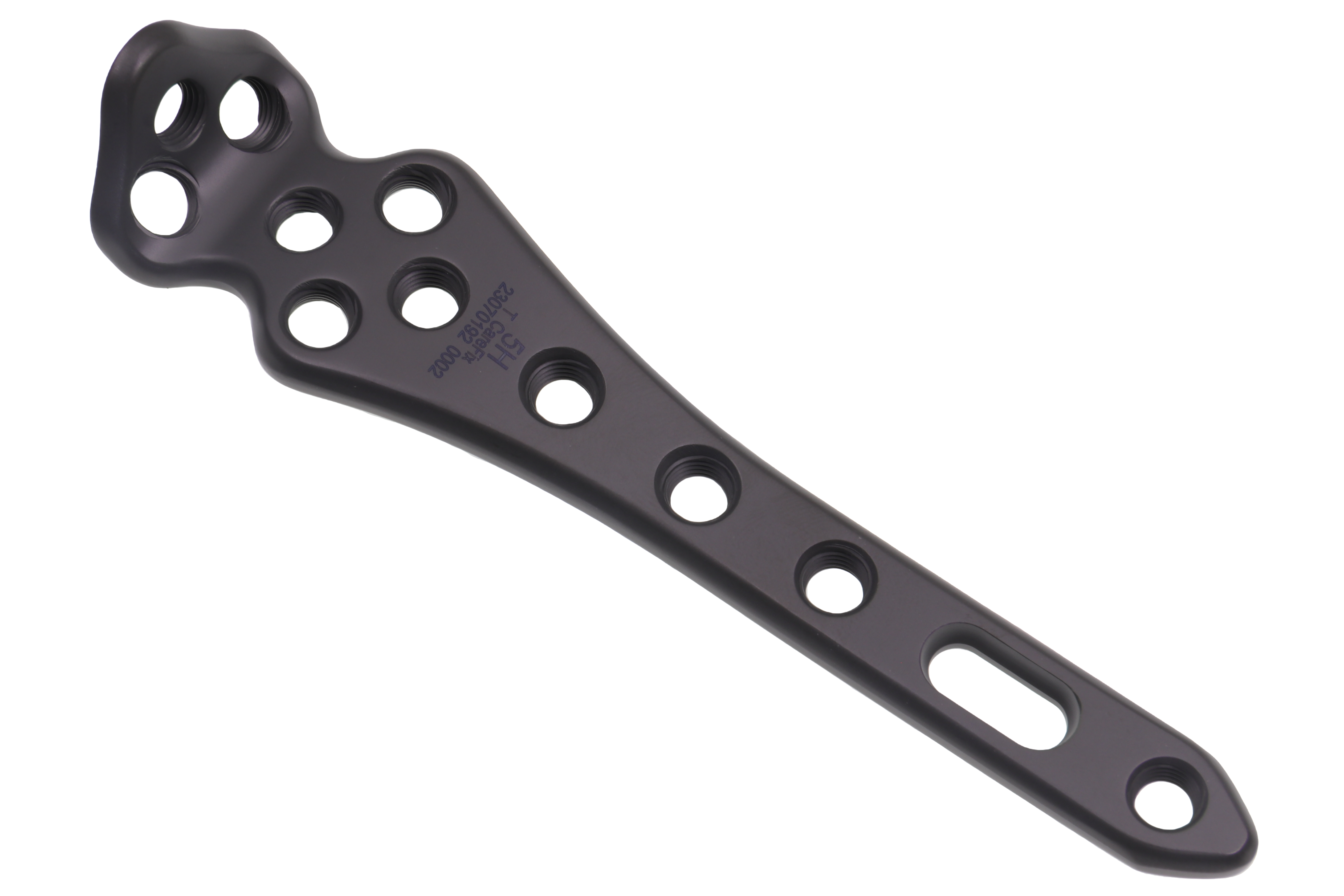
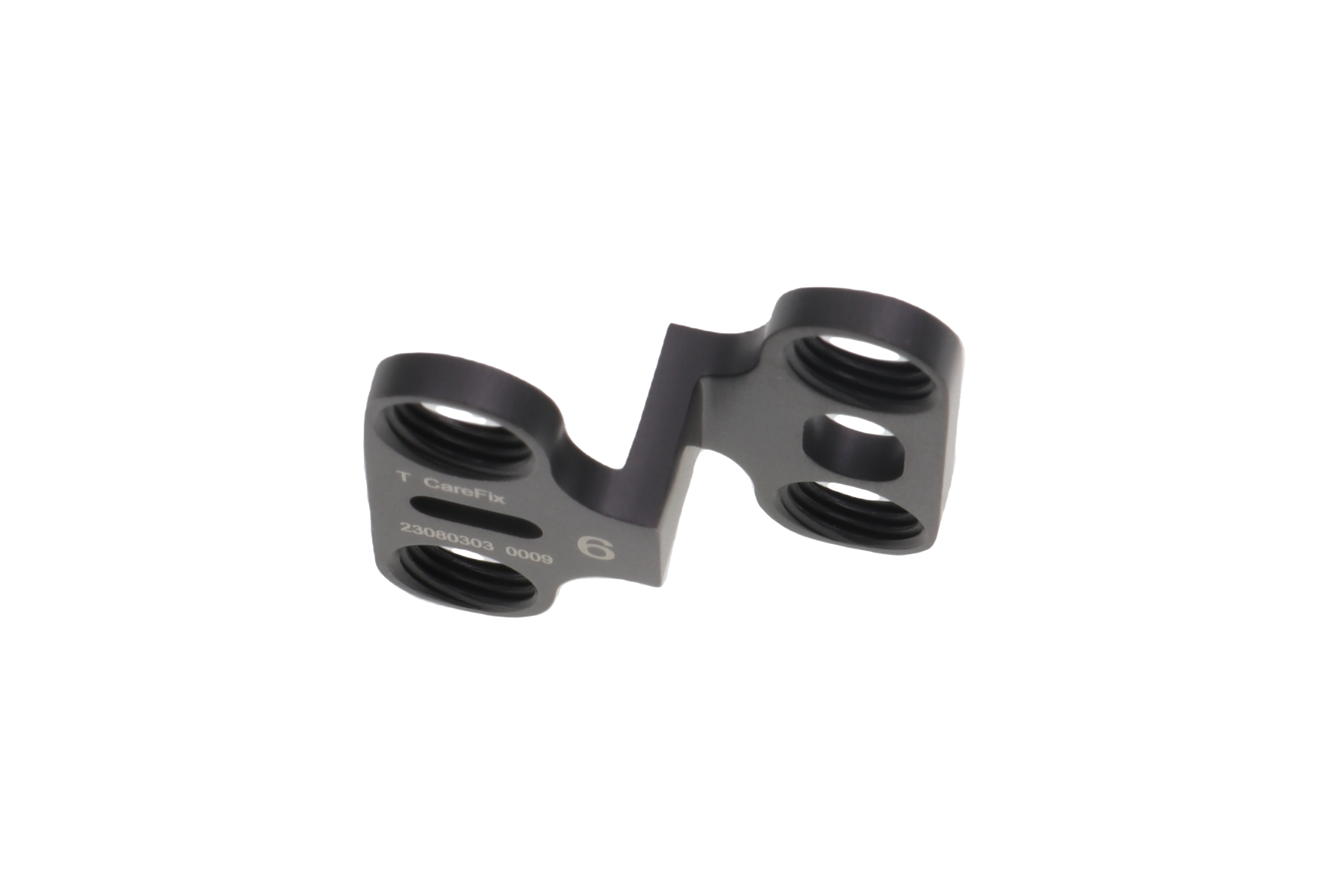
Surgical Bone Plate: Advanced Orthopedic Fixation

Get a Free Quote

Our representative will contact you soon.
Email
Name
Company Name
Message
0/1000

surgical bone plate

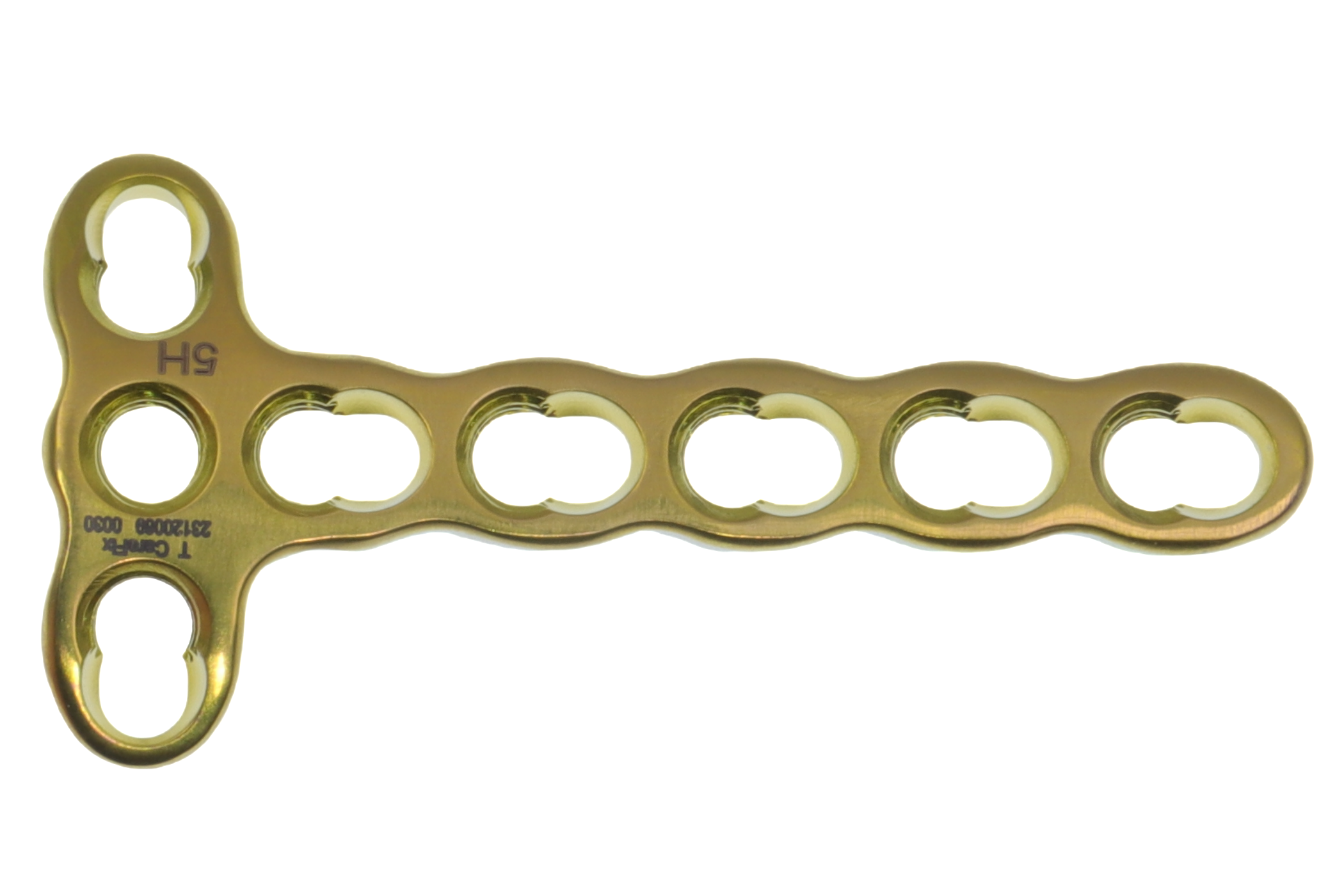
A surgical bone plate is a medical implant device designed to stabilize and support fractured or broken bones during the healing process. This orthopedic fixation device is manufactured from biocompatible materials such as titanium alloys or stainless steel, ensuring safe integration with human bone tissue. The surgical bone plate works by being attached directly to the bone surface using screws, creating a rigid framework that holds bone fragments in their proper anatomical position. Modern surgical bone plate systems incorporate advanced engineering principles to optimize strength while minimizing profile thickness. These devices serve critical functions in trauma surgery, reconstructive procedures, and corrective orthopedic interventions. The surgical bone plate technology features anatomically contoured designs that match the natural shape of specific bones, allowing surgeons to achieve precise reduction and fixation. Locking screw mechanisms provide angular stability, preventing screw loosening and maintaining compression at the fracture site. Surface treatments enhance osseointegration, promoting faster bone healing and reducing infection risks. Applications span multiple medical specialties including trauma surgery for acute fractures, maxillofacial surgery for facial bone reconstruction, spinal surgery for vertebral stabilization, and veterinary medicine. The surgical bone plate has revolutionized fracture treatment by enabling early mobilization, reducing hospitalization time, and improving functional outcomes for patients across diverse age groups and injury patterns.

New Product Releases

Choosing a surgical bone plate offers significant practical benefits that directly impact patient recovery and surgical success rates. The primary advantage lies in the mechanical stability these devices provide, allowing broken bones to heal in optimal alignment without requiring extended immobilization periods. Patients can often begin rehabilitation exercises earlier, reducing muscle atrophy and joint stiffness commonly associated with prolonged casting. The surgical bone plate system enables surgeons to address complex fracture patterns that would be impossible to treat with conservative methods alone, expanding treatment options for severe injuries. Operational benefits include the standardized instrumentation that accompanies modern surgical bone plate systems, streamlining surgical procedures and reducing operating room time. Surgeons appreciate the precision-engineered screw holes and anatomical contouring that simplify implant positioning and fixation. From a practical standpoint, these devices demonstrate excellent biocompatibility, with most patients experiencing successful bone union without adverse reactions to the implant material. The low-profile design of contemporary surgical bone plate products minimizes soft tissue irritation and reduces the likelihood of requiring secondary removal surgery. Application suitability extends across patient demographics, from pediatric fractures requiring specialized growth-friendly designs to geriatric patients with osteoporotic bone requiring locking technology for secure fixation. Decision-useful factors include the proven track record of surgical bone plate technology in clinical studies, demonstrating superior healing rates compared to alternative fixation methods. Cost-effectiveness emerges when considering reduced hospital stays, faster return to work, and decreased complication rates. The versatility of the surgical bone plate makes it suitable for emergency trauma situations and planned reconstructive procedures alike, providing healthcare facilities with reliable solutions for diverse orthopedic challenges.

Tips And Tricks

HTO Locking Plate: A Precise and Stable Solution for High Knee Joint Osteotomy

13

Jan

HTO Locking Plate: A Precise and Stable Solution for High Knee Joint Osteotomy

High tibial osteotomy represents one of the most effective surgical interventions for treating knee joint disorders, particularly those involving medial compartment osteoarthritis and varus deformity correction. The success of this procedure largely ...
View More
No need for secondary surgery: How does the self-lengthening intramedullary nail synchronize with bone development?

11

Feb

No need for secondary surgery: How does the self-lengthening intramedullary nail synchronize with bone development?

The evolution of pediatric orthopedic surgery has witnessed remarkable advancements in recent decades, with the telescopic intramedullary nail emerging as a groundbreaking solution for treating femoral shaft fractures in growing children. This innova...
View More
Expanding the Boundaries of IM Nail Technology: Periarticular Fractures and Deformity Correction

06

Mar

Expanding the Boundaries of IM Nail Technology: Periarticular Fractures and Deformity Correction

Modern orthopedic surgery continues to evolve with innovative solutions that address complex fracture patterns and deformity corrections. The telescopic intramedullary nail represents a significant advancement in treating challenging periarticular fr...
View More
Distal radial volar locking plate: refined design enhances the success rate of fracture fixation

06

Mar

Distal radial volar locking plate: refined design enhances the success rate of fracture fixation

The treatment of distal radius fractures has undergone significant evolution in recent decades, with the distal radial volar locking plate emerging as a cornerstone technology in modern orthopedic practice. These innovative implants represent a parad...
View More

Get a Free Quote

Our representative will contact you soon.
Email
Name
Company Name
Message
0/1000

surgical bone plate

Advanced Locking Screw Technology

Advanced Locking Screw Technology

The surgical bone plate incorporates sophisticated locking screw mechanisms that represent a significant advancement over traditional compression plate systems. This innovative feature creates a fixed-angle construct where screws lock into the plate threads, forming a single unified implant structure rather than relying solely on friction between the plate and bone surface. The locking technology proves especially valuable when treating osteoporotic bone, where conventional screws might lose purchase in weakened bone tissue. Surgeons gain the ability to achieve stable fixation even in compromised bone quality scenarios, expanding treatment possibilities for elderly patients and those with metabolic bone diseases. The angular stability provided by locking screws prevents screw toggle and maintains reduction throughout the critical healing period. This technological feature reduces the risk of fixation failure and secondary displacement, common complications with older plate designs. Patients benefit from more predictable healing outcomes and reduced need for revision surgeries. The surgical bone plate with locking technology also permits minimally invasive surgical techniques, as the fixed-angle construct does not require precise plate-to-bone compression, allowing for smaller incisions and reduced soft tissue disruption during implantation procedures.
Anatomically Contoured Design Precision

Anatomically Contoured Design Precision

Modern surgical bone plate systems feature anatomically pre-contoured shapes that precisely match the three-dimensional geometry of specific bones throughout the human skeleton. This design consideration eliminates much of the intraoperative bending and contouring previously required during surgery, saving valuable operating time and reducing the risk of implant fatigue from excessive manipulation. The anatomical contouring ensures optimal contact between the surgical bone plate and the bone surface, distributing mechanical loads evenly and promoting stable fixation. Surgeons can select from comprehensive plate libraries offering variations for different bone sizes, fracture locations, and patient anatomies, ensuring the best possible fit for each unique clinical situation. The precision engineering behind these contoured designs accounts for subtle variations in bone morphology across different population demographics, improving global applicability. Patients experience benefits including reduced soft tissue irritation because properly contoured plates sit flush against the bone without creating prominent edges or pressure points. The anatomical design of the surgical bone plate also contributes to improved aesthetic outcomes in visible areas such as the clavicle or forearm, where implant prominence could create cosmetic concerns. This attention to anatomical detail represents the integration of clinical experience with advanced manufacturing capabilities.
Biocompatible Material Excellence

Biocompatible Material Excellence

The surgical bone plate is manufactured from carefully selected biocompatible materials that meet stringent international standards for medical implants. Titanium alloys represent the gold standard material choice, offering an exceptional combination of mechanical strength, corrosion resistance, and biological compatibility with human tissue. These materials undergo rigorous testing to ensure they will not trigger adverse immune responses or toxic reactions when implanted long-term. The biocompatibility of surgical bone plate materials enables successful osseointegration, the process by which living bone tissue grows into intimate contact with the implant surface, creating a stable biological fixation that complements mechanical stability. Surface treatments applied to modern surgical bone plate products further enhance biocompatibility by promoting cellular attachment and reducing bacterial adhesion, lowering infection risks. The non-magnetic properties of titanium-based plates allow patients to safely undergo MRI examinations without image artifacts or implant heating concerns, an important consideration for ongoing diagnostic monitoring. Corrosion resistance ensures the surgical bone plate maintains its structural integrity throughout the healing period and beyond, preventing material degradation that could compromise fixation or release metal ions into surrounding tissues. The material excellence extends to fatigue resistance, with properly designed plates capable of withstanding millions of loading cycles that occur during normal daily activities as the bone heals beneath the protective implant.
logo