Titanium Bone Plate - Advanced Orthopedic Solution

Get a Free Quote

Our representative will contact you soon.
Email
Name
Company Name
Message
0/1000

titanium bone plate

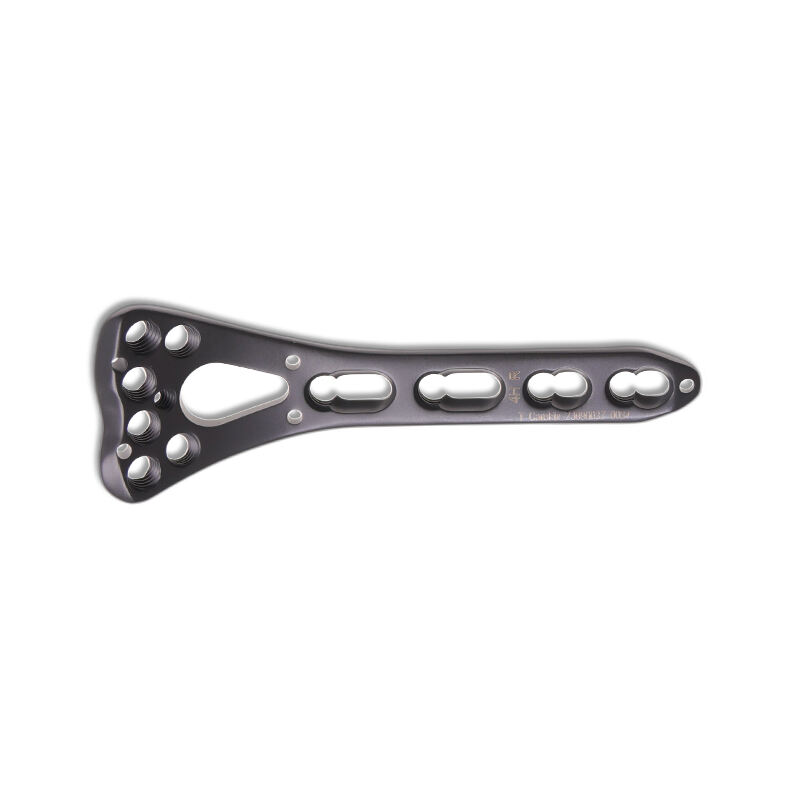
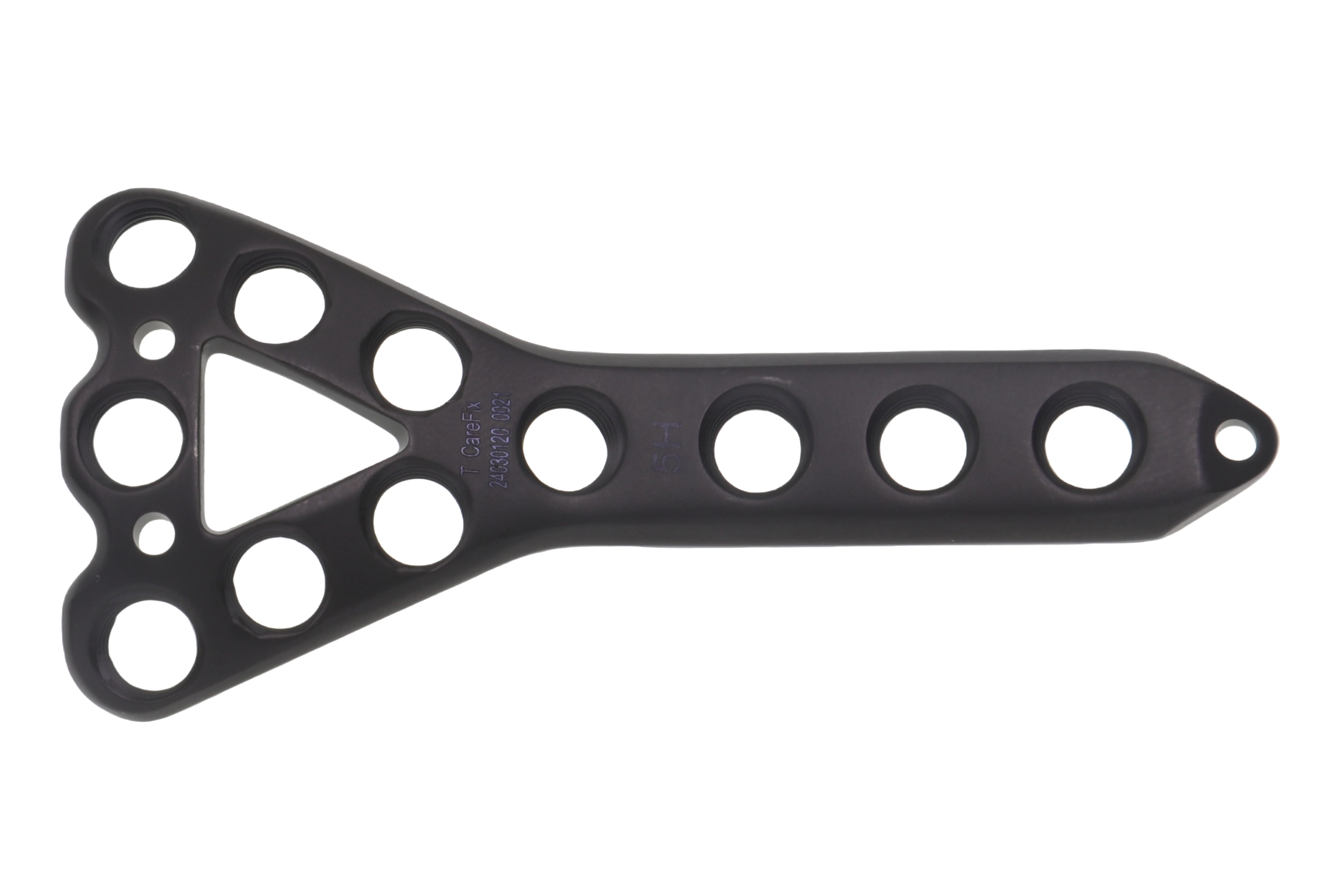
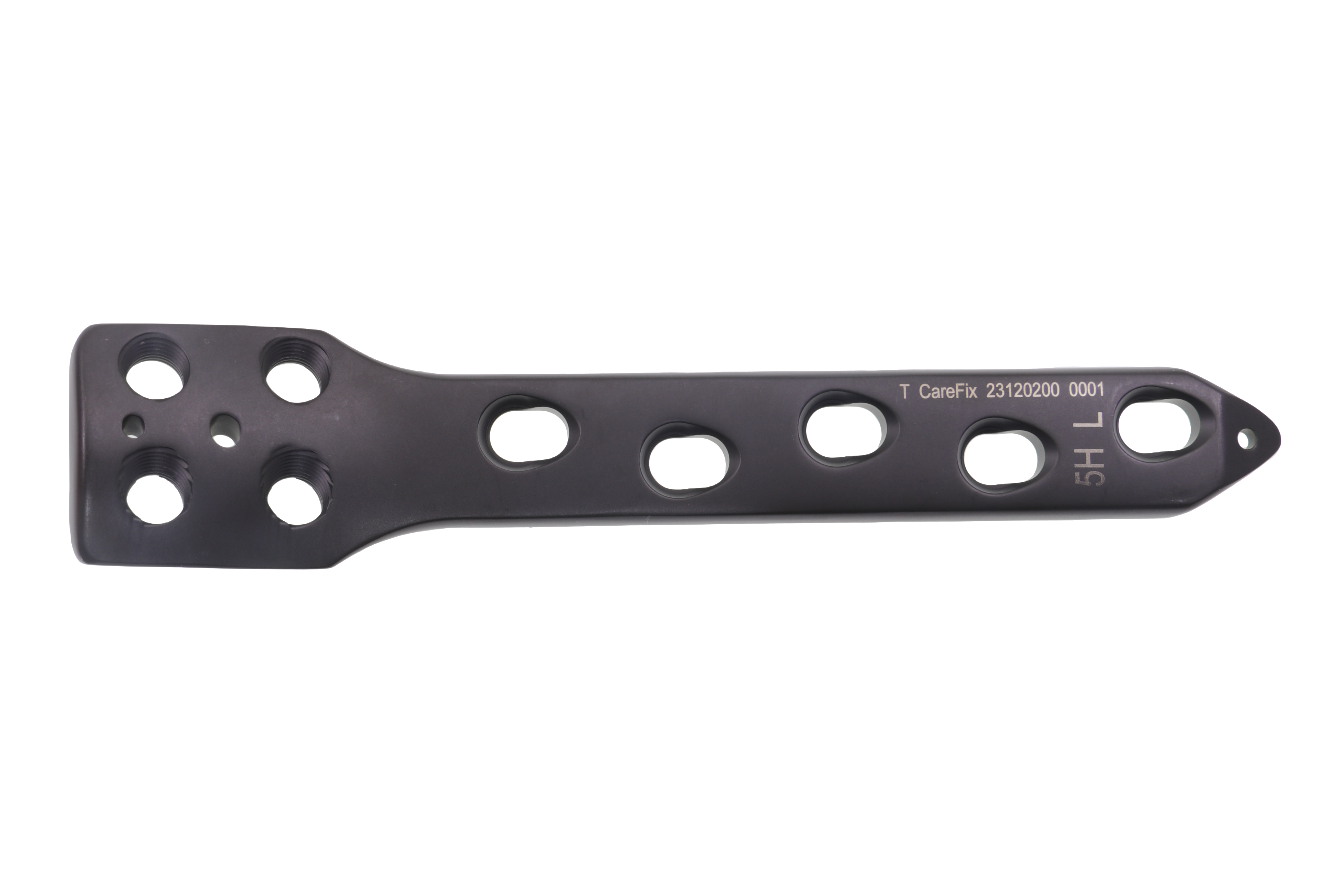
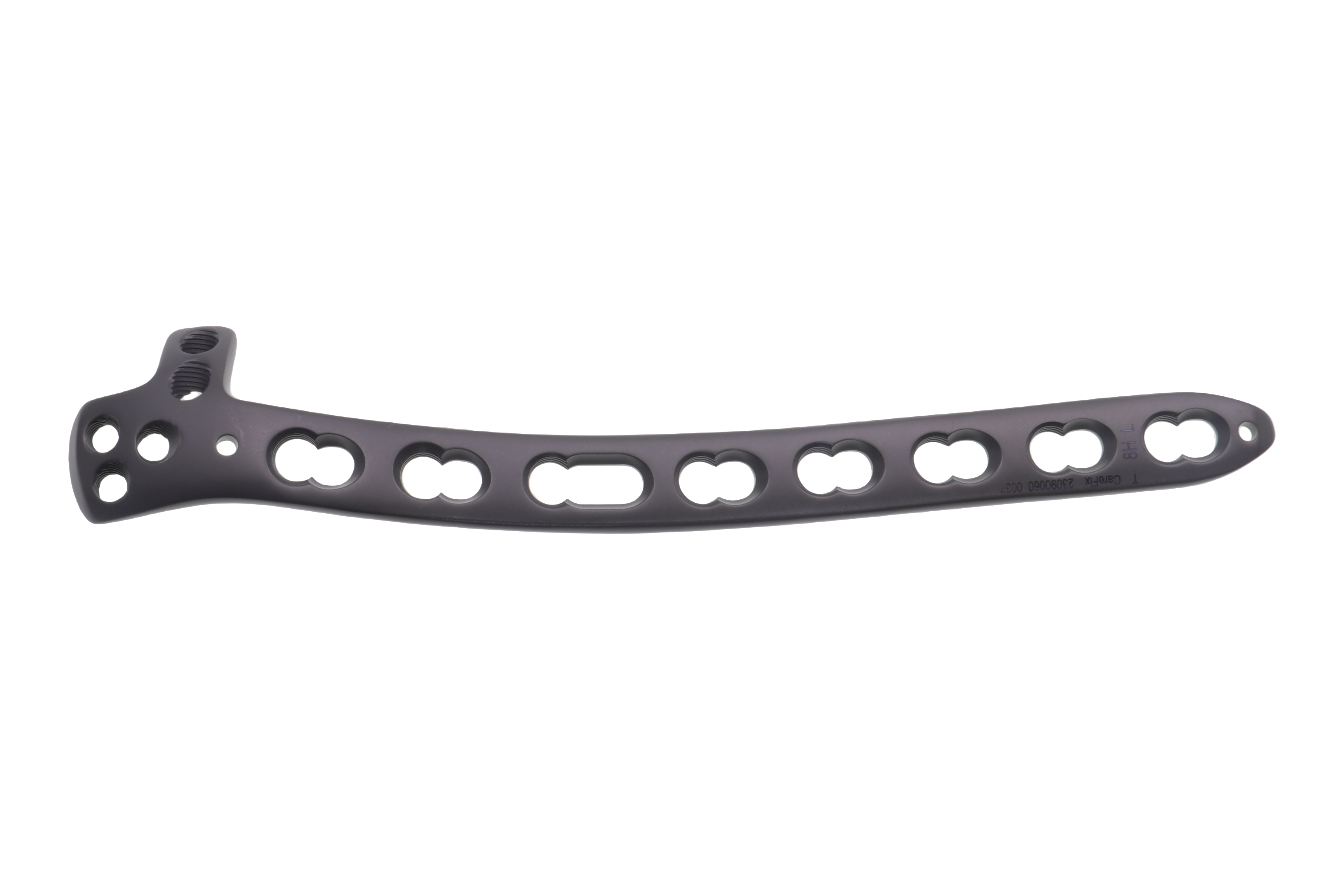
A titanium bone plate is a medical implant device designed to stabilize and support fractured or damaged bones during the healing process. Manufactured from high-grade titanium alloy, this orthopedic fixation device serves as a temporary or permanent solution for bone fractures, osteotomies, and reconstructive procedures. The titanium bone plate works by being surgically attached to the bone surface using specialized screws, creating a stable framework that holds bone fragments in proper alignment. This medical device is essential in trauma surgery, orthopedic procedures, and maxillofacial reconstruction. The primary functions include providing mechanical stability to fractured bones, maintaining correct anatomical positioning, and facilitating optimal bone healing conditions. Technological features of the titanium bone plate include biocompatibility, corrosion resistance, and optimal strength-to-weight ratio. The material properties allow for excellent osseointegration, meaning the bone tissue can grow around and bond with the implant surface. Modern titanium bone plate designs incorporate anatomical contouring to match natural bone curvature, pre-drilled holes for screw placement, and various sizes to accommodate different anatomical locations. Applications span multiple medical specialties including trauma surgery for long bone fractures, craniofacial surgery for skull and facial bone reconstruction, spinal surgery for vertebral stabilization, and orthopedic procedures for joint fusion. The titanium bone plate has become the gold standard in internal fixation devices due to its superior performance characteristics and proven clinical outcomes across diverse patient populations and fracture patterns.

New Products

The titanium bone plate offers significant practical benefits that directly impact patient outcomes and surgical success. First, the biocompatibility of titanium means your body naturally accepts the implant without triggering adverse immune responses or rejection reactions, reducing complications and promoting faster recovery. This material advantage translates to lower infection rates and fewer post-operative problems compared to alternative materials. The lightweight nature of the titanium bone plate provides necessary strength without adding excessive weight to the healing bone, allowing patients to maintain better mobility during recovery. Surgeons appreciate the ease of contouring these plates to match individual bone anatomy, which means shorter operation times and more precise fitting for each unique case. The corrosion-resistant properties ensure the titanium bone plate maintains structural integrity throughout the healing period and beyond, whether it remains permanently or gets removed later. Patients benefit from reduced pain and faster return to normal activities because the stable fixation provided by the titanium bone plate minimizes movement at the fracture site. The radiolucent characteristics allow clear X-ray imaging, enabling doctors to monitor bone healing progress without interference from the implant shadow. From a cost-effectiveness perspective, the durability and reliability of the titanium bone plate reduce the need for revision surgeries, saving both time and money. The versatility of applications means the same proven technology serves multiple bone locations and fracture types, giving surgeons confidence in consistent performance. Decision-makers in healthcare facilities value the titanium bone plate for its established safety profile, extensive clinical evidence, and positive patient satisfaction rates. The operational benefits include simplified inventory management due to standardized sizing systems and reduced sterilization concerns thanks to titanium's inherent antimicrobial properties.

Latest News

Cannulated Screw Types: Features and Benefits Explained

16

Dec

Cannulated Screw Types: Features and Benefits Explained

Orthopedic surgery has evolved significantly over the past decades, with advances in implant technology playing a crucial role in improving patient outcomes. Among these innovations, the cannulated screw stands out as a versatile and highly effective...
View More
U-shaped nail: technical advantage of ankle surgery

13

Jan

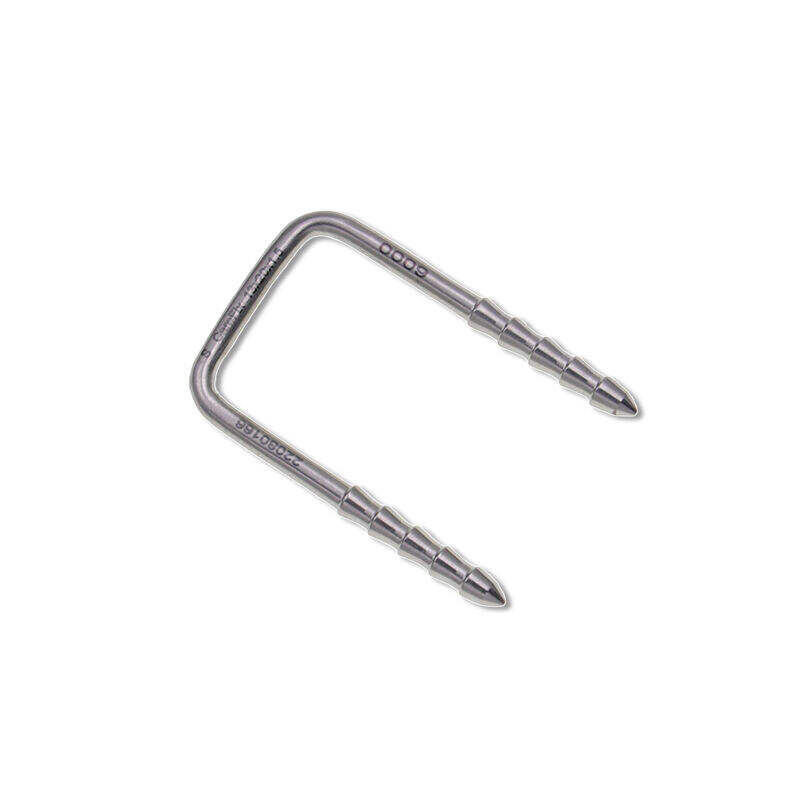
U-shaped nail: technical advantage of ankle surgery

Modern orthopedic surgery has witnessed remarkable advancement in fixation techniques, particularly in the treatment of complex ankle and distal tibial fractures. The distal tibial interlocking intramedullary nail represents a significant breakthroug...
View More
Cannulated screw system: Technological advancements in the treatment of ankle fractures

06

Mar

Cannulated screw system: Technological advancements in the treatment of ankle fractures

Ankle fractures represent one of the most challenging orthopedic injuries requiring precise surgical intervention and advanced fixation methods. The evolution of fracture treatment has been significantly enhanced by the introduction of modern cannula...
View More
Treatment of osteomyelitis and tibial pseudarthrosis: The advantages of the Ilizarov frame

06

Mar

Treatment of osteomyelitis and tibial pseudarthrosis: The advantages of the Ilizarov frame

The treatment of complex orthopedic conditions such as osteomyelitis and tibial pseudarthrosis presents significant challenges that require innovative surgical approaches. Among the most effective solutions available to orthopedic surgeons today is t...
View More

Get a Free Quote

Our representative will contact you soon.
Email
Name
Company Name
Message
0/1000

titanium bone plate

Superior Biocompatibility and Osseointegration

Superior Biocompatibility and Osseointegration

The titanium bone plate demonstrates exceptional biocompatibility that sets it apart from other orthopedic fixation devices. Titanium's unique surface properties create an oxide layer that interacts favorably with human tissue, preventing inflammatory responses and promoting natural bone growth. This osseointegration capability means bone cells actually attach to and grow along the titanium bone plate surface, creating a biological bond rather than just mechanical contact. For patients, this translates to more stable healing and reduced risk of implant loosening or failure. The biocompatible nature minimizes the formation of fibrous tissue around the implant, which can interfere with proper healing in other materials. Surgeons rely on this characteristic to achieve predictable outcomes across diverse patient populations, including those with compromised immune systems or metabolic conditions. The titanium bone plate maintains this biocompatibility throughout its service life, whether temporary or permanent placement, ensuring consistent performance without degradation. This feature is particularly valuable in complex reconstructive procedures where long-term integration is essential for structural support and functional restoration.
Optimal Strength-to-Weight Ratio for Enhanced Recovery

Optimal Strength-to-Weight Ratio for Enhanced Recovery

The titanium bone plate provides an ideal balance between mechanical strength and lightweight construction that directly benefits patient recovery. With a strength comparable to stainless steel but weighing significantly less, the titanium bone plate delivers necessary fracture stabilization without burdening the healing bone with excess mass. This advantage is particularly important in weight-bearing bones of the lower extremities where every gram matters for comfortable mobility. Patients experience less fatigue and discomfort during the rehabilitation phase because the lightweight titanium bone plate doesn't create the heavy sensation associated with bulkier implants. The high tensile strength ensures the plate can withstand physiological loads during normal activities without bending or breaking, providing reliable protection throughout the healing process. This strength characteristic allows manufacturers to design thinner profile plates that reduce soft tissue irritation while maintaining structural integrity. For elderly patients or those with osteoporotic bone, the titanium bone plate offers dependable support without requiring excessive bone stock for secure fixation. The material properties remain stable across temperature variations and throughout years of service, ensuring the strength advantage persists regardless of environmental conditions or patient activity levels.
Corrosion Resistance and Long-Term Durability

Corrosion Resistance and Long-Term Durability

The titanium bone plate exhibits superior corrosion resistance that ensures reliable long-term performance in the challenging environment of the human body. Unlike materials that degrade when exposed to bodily fluids, the titanium bone plate forms a protective oxide layer that shields against corrosion, maintaining structural integrity indefinitely. This durability means patients face no risk of implant degradation releasing metal particles into surrounding tissue, a concern with some alternative materials. For surgeons deciding whether to remove hardware after healing, the corrosion resistance of the titanium bone plate provides flexibility since the implant can safely remain in place permanently without deterioration concerns. The stable chemical properties prevent galvanic reactions when the titanium bone plate contacts other metal implants, making it compatible with various surgical scenarios. This corrosion resistance maintains the mechanical properties of the plate throughout its service life, ensuring the same strength at five years as on the day of implantation. Patients benefit from peace of mind knowing their titanium bone plate won't weaken, corrode, or require unexpected replacement due to material failure. The predictable long-term performance reduces healthcare costs by eliminating premature revision surgeries caused by implant degradation common with inferior materials.
logo