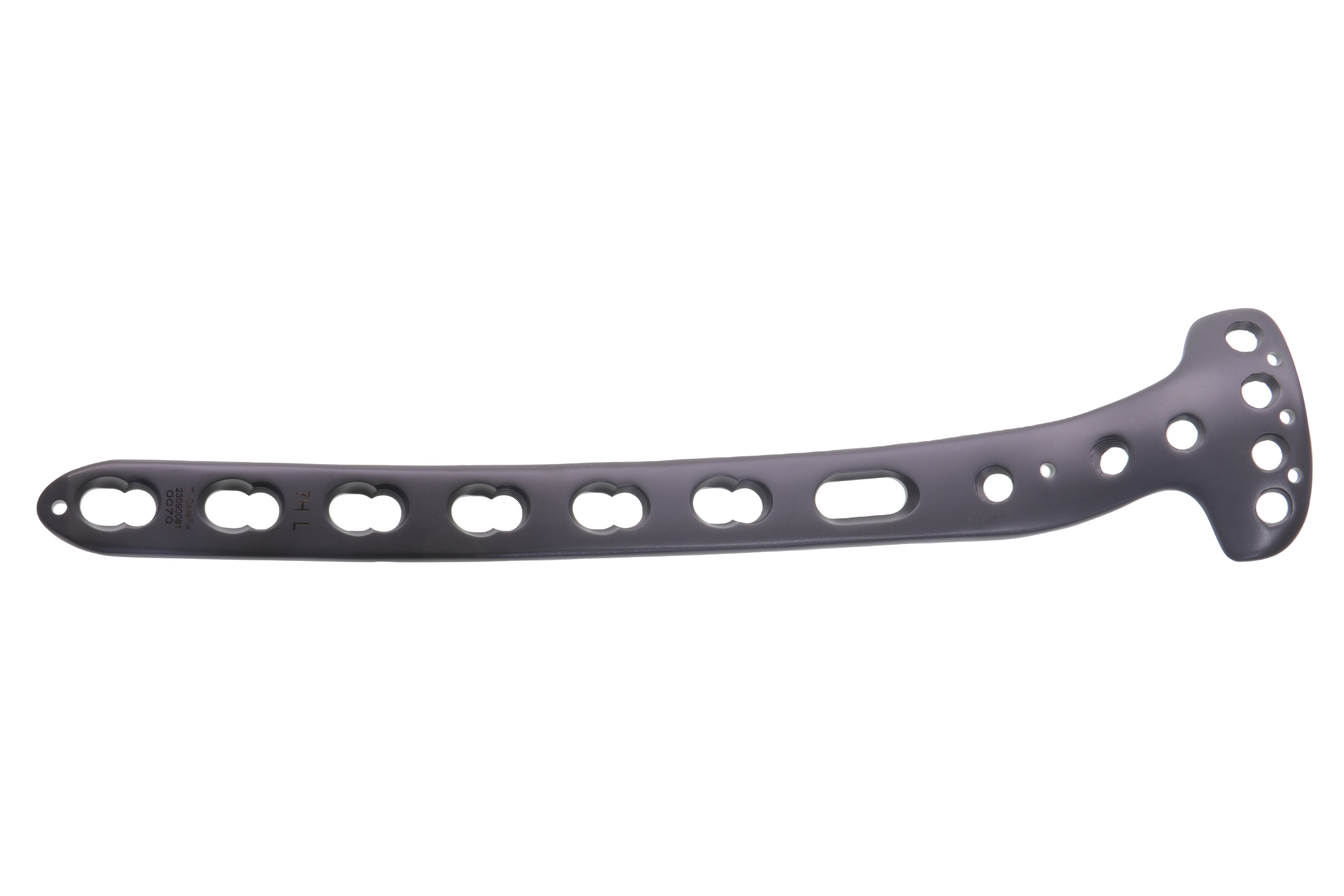
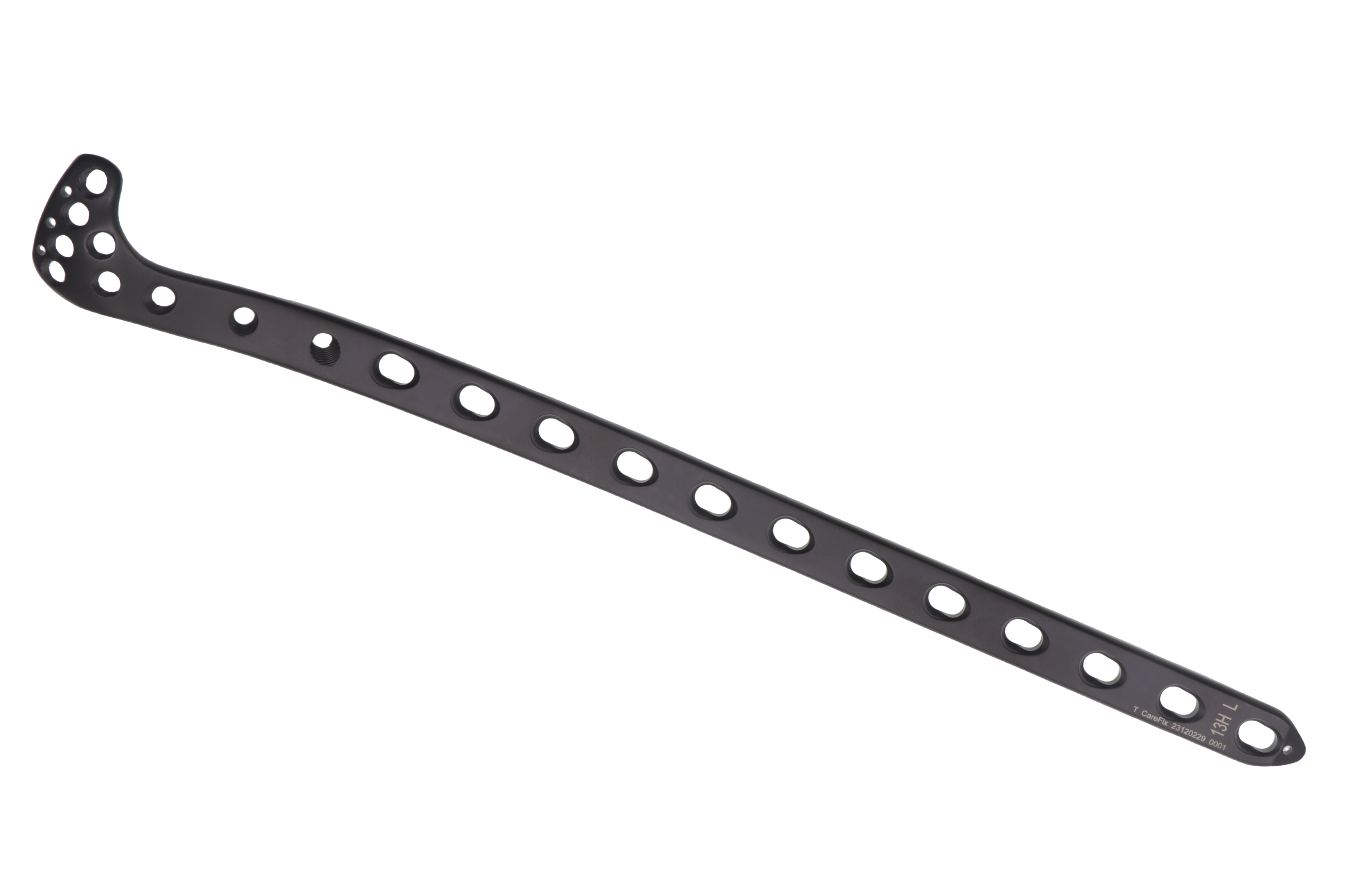
Stryker Proximal Tibia Plate Solutions

Get a Free Quote

Our representative will contact you soon.
Email
Name
Company Name
Message
0/1000

stryker proximal tibia plate

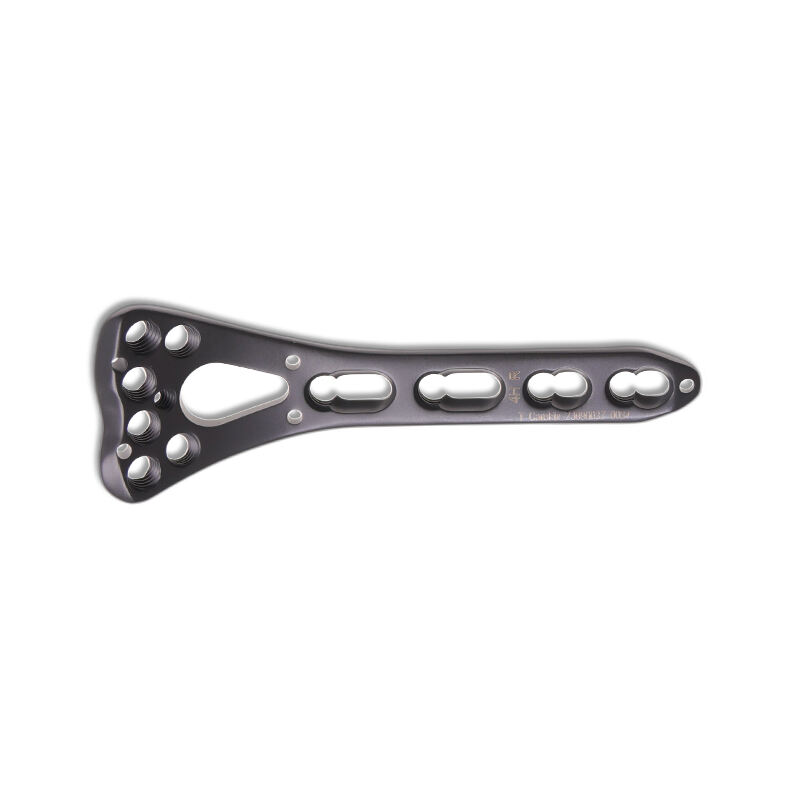
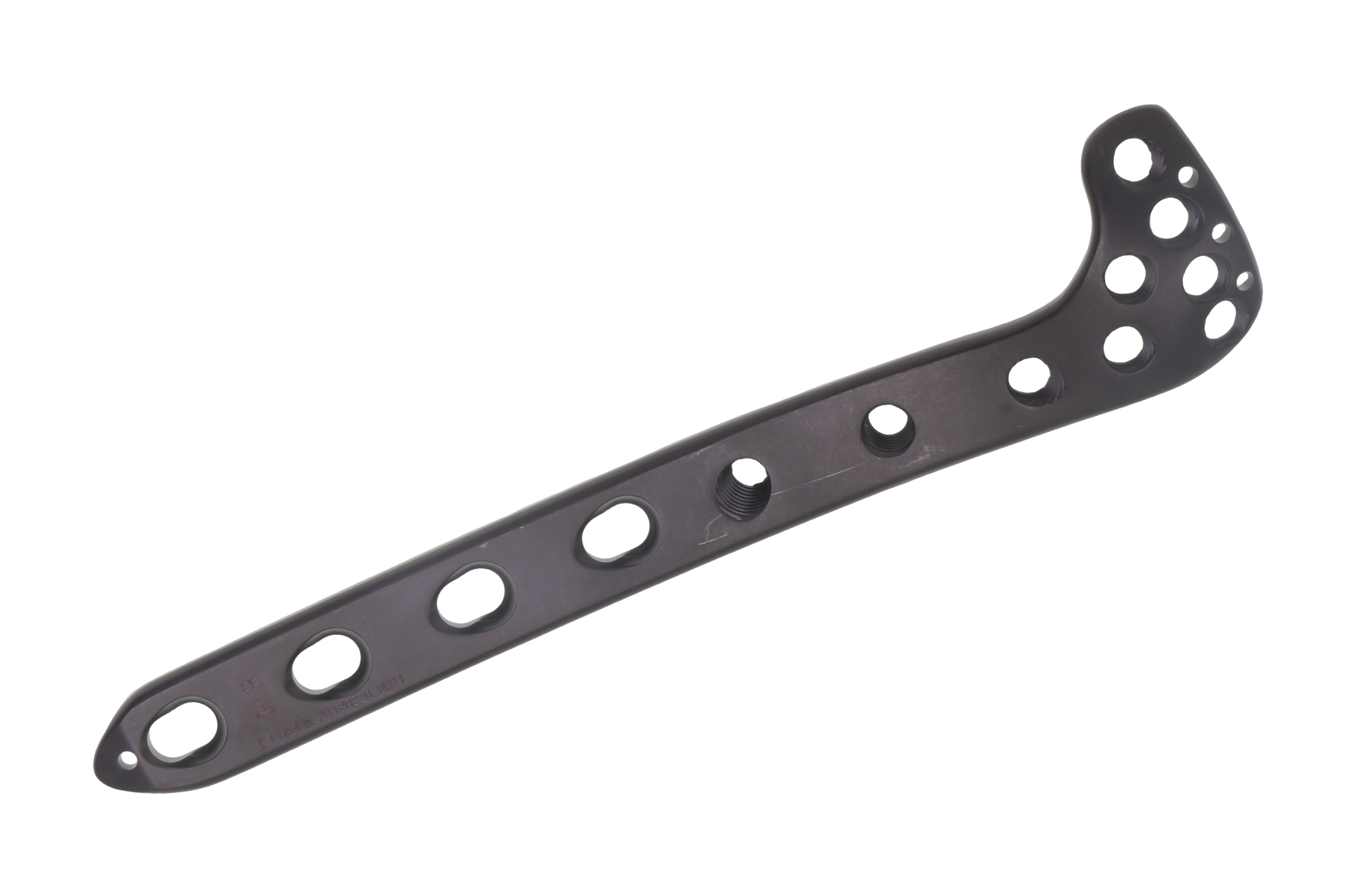
The Stryker proximal tibia plate is an advanced orthopedic fixation system designed specifically for treating complex fractures and injuries in the upper portion of the tibia bone. This specialized plating system provides surgeons with a comprehensive solution for managing proximal tibial fractures, including high-energy trauma cases, periarticular injuries, and challenging bone reconstruction procedures. The Stryker proximal tibia plate features anatomically contoured designs that closely match the natural shape of the proximal tibia, ensuring optimal plate positioning and reducing soft tissue irritation. The system incorporates multiple screw options, including locking and non-locking configurations, allowing surgeons to customize fixation based on individual patient anatomy and fracture patterns. Advanced polyaxial locking technology enables variable angle screw placement, providing enhanced flexibility during surgery while maintaining rigid fixation stability. The plate surface treatment promotes biocompatibility and reduces the risk of complications. Available in various sizes and configurations, the Stryker proximal tibia plate accommodates different patient populations and fracture types. The low-profile design minimizes prominence under the skin, improving patient comfort during recovery. This fixation system supports early mobilization protocols, helping patients regain function more quickly. Surgeons worldwide rely on the Stryker proximal tibia plate for its proven clinical performance, ease of implantation, and consistent outcomes in managing complex tibial plateau fractures and other proximal tibia injuries.

New Products

Choosing the Stryker proximal tibia plate delivers multiple practical benefits that directly impact surgical outcomes and patient recovery. The anatomically pre-contoured design significantly reduces operative time by eliminating the need for extensive intraoperative bending, allowing surgeons to focus on fracture reduction rather than plate modification. This efficiency translates to shorter anesthesia duration and reduced surgical costs for healthcare facilities. The polyaxial locking screw technology provides exceptional versatility, enabling surgeons to navigate around fracture lines and avoid critical anatomical structures while maintaining strong angular stability. This flexibility proves invaluable in complex fracture patterns where traditional fixed-angle systems would be limiting. Patients benefit from the low-profile construction that minimizes soft tissue irritation and reduces the likelihood of secondary procedures for hardware removal. The robust fixation achieved with the Stryker proximal tibia plate supports early weight-bearing protocols, accelerating rehabilitation timelines and helping patients return to daily activities sooner. The comprehensive instrument set and intuitive surgical technique make the system accessible for various skill levels while maintaining consistent results. The plate's strength-to-thickness ratio ensures adequate fracture stability without excessive bulk, addressing both biomechanical requirements and patient comfort concerns. For healthcare decision-makers, the Stryker proximal tibia plate represents a reliable investment with documented clinical success across diverse patient populations. The system's versatility means fewer inventory requirements while covering a broad range of fracture scenarios, optimizing operating room efficiency and reducing storage costs. The proven track record of the Stryker proximal tibia plate provides confidence in treatment planning and helps minimize revision surgery risks.

Tips And Tricks

Cannulated Screw Types: Features and Benefits Explained

16

Dec

Cannulated Screw Types: Features and Benefits Explained

Orthopedic surgery has evolved significantly over the past decades, with advances in implant technology playing a crucial role in improving patient outcomes. Among these innovations, the cannulated screw stands out as a versatile and highly effective...
View More
Special Needs of Children's Bones: Design Philosophy of Pediatric Internal Fixation Systems

16

Dec

Special Needs of Children's Bones: Design Philosophy of Pediatric Internal Fixation Systems

Children's bones present unique challenges that require specialized approaches in orthopedic surgery. Unlike adult skeletal structures, pediatric bones are constantly growing, adapting, and remodeling throughout development. When fractures or deformi...
View More
HTO Locking Plate: A Precise and Stable Solution for High Knee Joint Osteotomy

13

Jan

HTO Locking Plate: A Precise and Stable Solution for High Knee Joint Osteotomy

High tibial osteotomy represents one of the most effective surgical interventions for treating knee joint disorders, particularly those involving medial compartment osteoarthritis and varus deformity correction. The success of this procedure largely ...
View More
Expanding the Boundaries of IM Nail Technology: Periarticular Fractures and Deformity Correction

06

Mar

Expanding the Boundaries of IM Nail Technology: Periarticular Fractures and Deformity Correction

Modern orthopedic surgery continues to evolve with innovative solutions that address complex fracture patterns and deformity corrections. The telescopic intramedullary nail represents a significant advancement in treating challenging periarticular fr...
View More

Get a Free Quote

Our representative will contact you soon.
Email
Name
Company Name
Message
0/1000

stryker proximal tibia plate

Anatomically Contoured Design for Optimal Fit

Anatomically Contoured Design for Optimal Fit

The Stryker proximal tibia plate features precisely engineered anatomical contouring based on extensive bone morphology research, ensuring superior plate-to-bone contact across diverse patient anatomies. This anatomical design eliminates gaps between the plate and bone surface, distributing compression forces evenly and reducing stress concentrations that could lead to fixation failure. The contoured profile follows the natural curvature of the proximal tibia, including the tibial plateau region and metaphyseal flare, minimizing the need for intraoperative plate bending that can compromise implant integrity. Superior fit means less soft tissue dissection during placement, preserving blood supply to the fracture site and promoting faster healing. The anatomical shape also reduces plate prominence under the skin, decreasing patient discomfort and lowering the incidence of hardware-related complications. Surgeons appreciate how the pre-contoured design simplifies surgical technique, making procedures more predictable and reducing learning curve challenges. This thoughtful engineering directly translates to improved clinical outcomes and higher patient satisfaction rates.
Polyaxial Locking Technology for Maximum Flexibility

Polyaxial Locking Technology for Maximum Flexibility

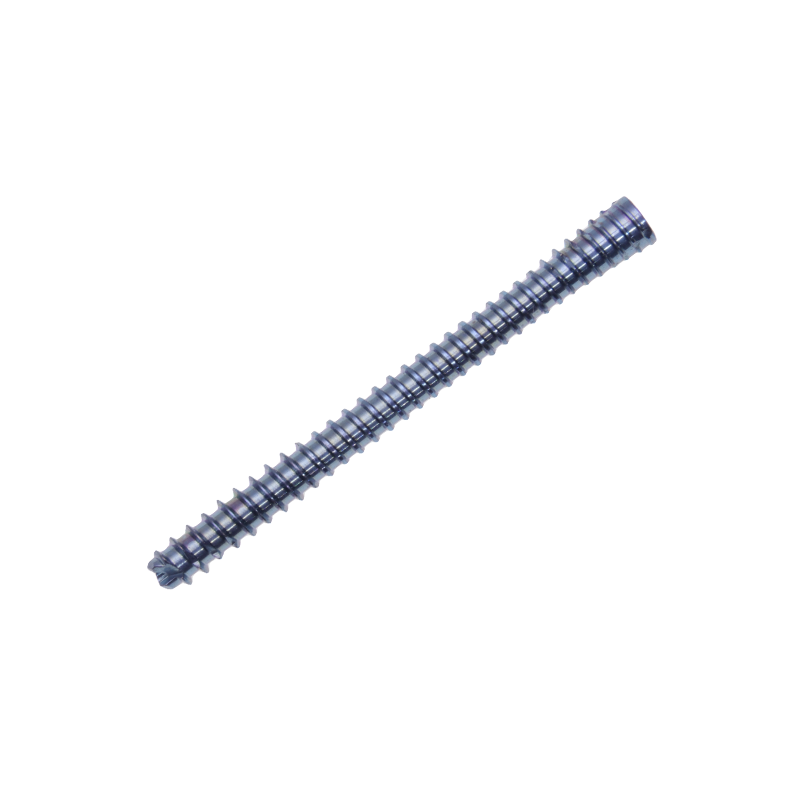
The advanced polyaxial locking screw system incorporated in the Stryker proximal tibia plate represents a significant technological advancement in fracture fixation. Unlike conventional fixed-angle locking plates, this system allows surgeons to insert locking screws at variable angles within a defined cone, typically ranging up to fifteen degrees of angular freedom. This flexibility proves critical when working around fracture lines, avoiding neurovascular structures, or capturing small bone fragments that would otherwise be difficult to stabilize. The polyaxial capability enables optimal screw trajectory selection based on individual patient anatomy rather than forcing compromise positions dictated by fixed hole orientations. Despite the angular variability, the locking mechanism maintains rigid fixation strength comparable to traditional fixed-angle constructs, ensuring fracture stability throughout the healing process. This technology particularly benefits revision cases or situations where prior hardware placement limits screw positioning options. Surgeons gain confidence knowing they can adapt their fixation strategy intraoperatively without sacrificing construct stability. The polyaxial locking technology of the Stryker proximal tibia plate ultimately expands treatment possibilities while maintaining the biomechanical performance essential for successful fracture healing.
Comprehensive System Supporting Early Mobilization

Comprehensive System Supporting Early Mobilization

The Stryker proximal tibia plate system is engineered to provide the biomechanical stability necessary for early mobilization protocols, which are increasingly recognized as crucial for optimal patient outcomes. The robust plate construction and secure screw fixation work together to create a construct that can withstand physiological loads during controlled weight-bearing activities shortly after surgery. This strength enables rehabilitation specialists to begin range-of-motion exercises and progressive loading earlier than would be possible with less stable fixation methods. Early mobilization reduces complications associated with prolonged immobilization, including muscle atrophy, joint stiffness, deep vein thrombosis, and bone density loss. Patients benefit from shorter hospital stays, reduced need for assistive devices, and faster return to independence in activities of daily living. The system includes multiple plate lengths and screw options, allowing surgeons to customize constructs for different fracture severities and patient activity levels. Comprehensive surgical instrumentation facilitates precise plate positioning and screw insertion, ensuring optimal construct assembly that supports accelerated rehabilitation timelines. By enabling early mobilization, the Stryker proximal tibia plate helps patients achieve better functional outcomes, maintain muscle strength throughout recovery, and experience improved overall quality of life during the healing process.
logo