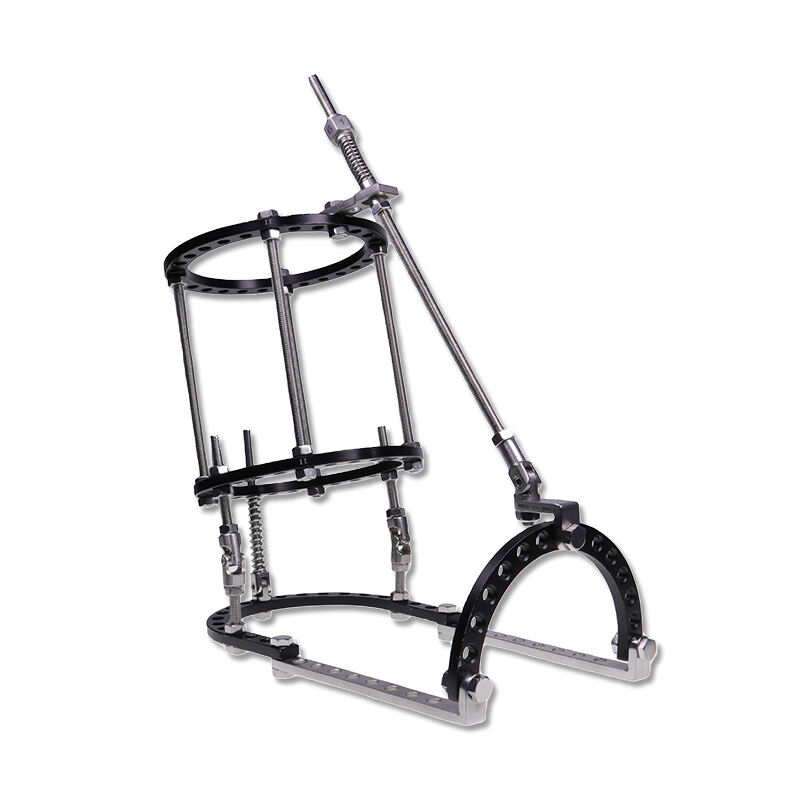
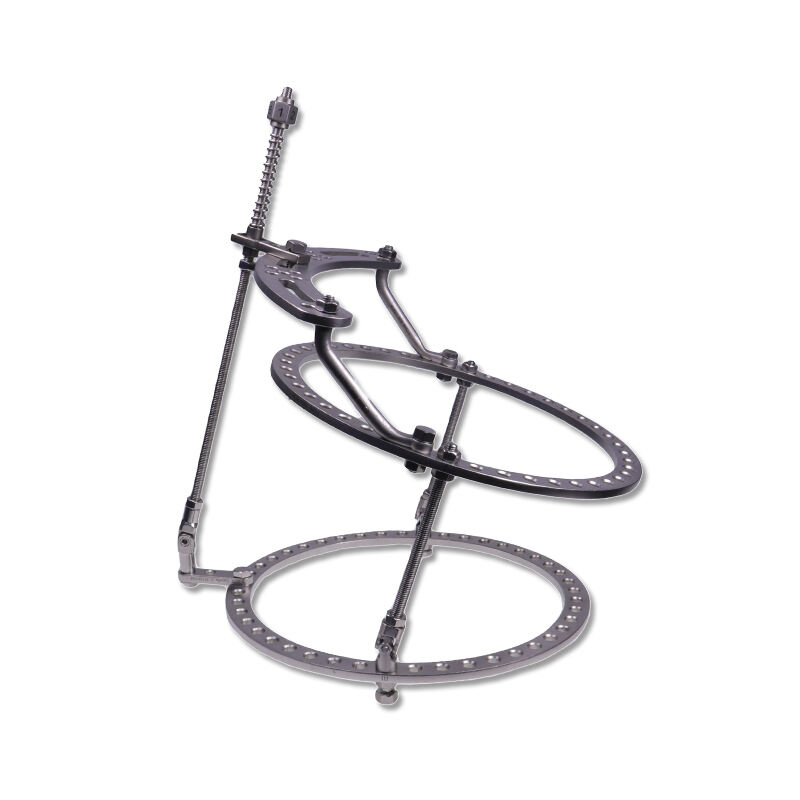
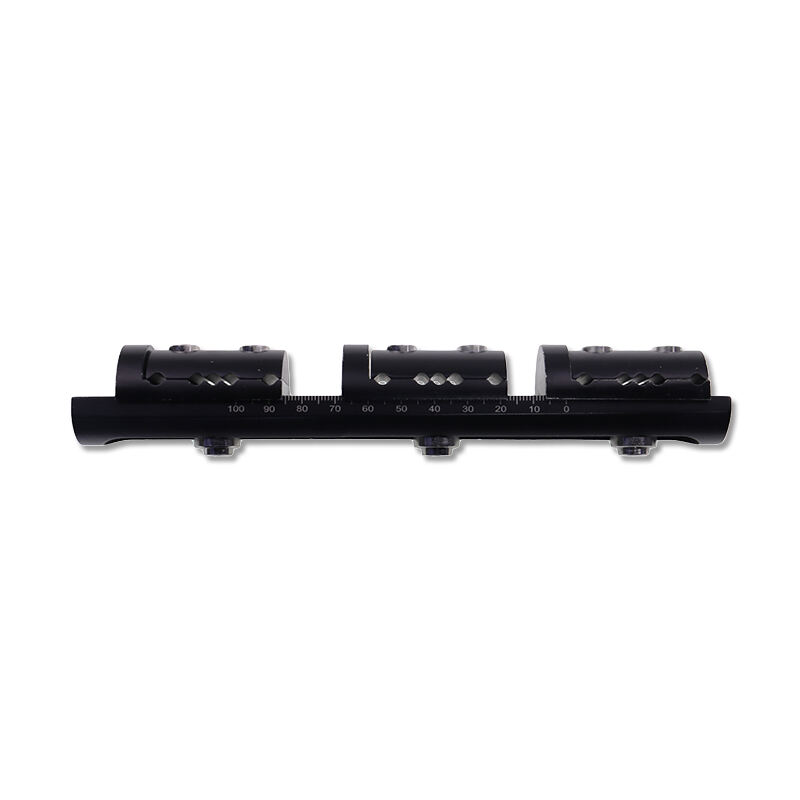
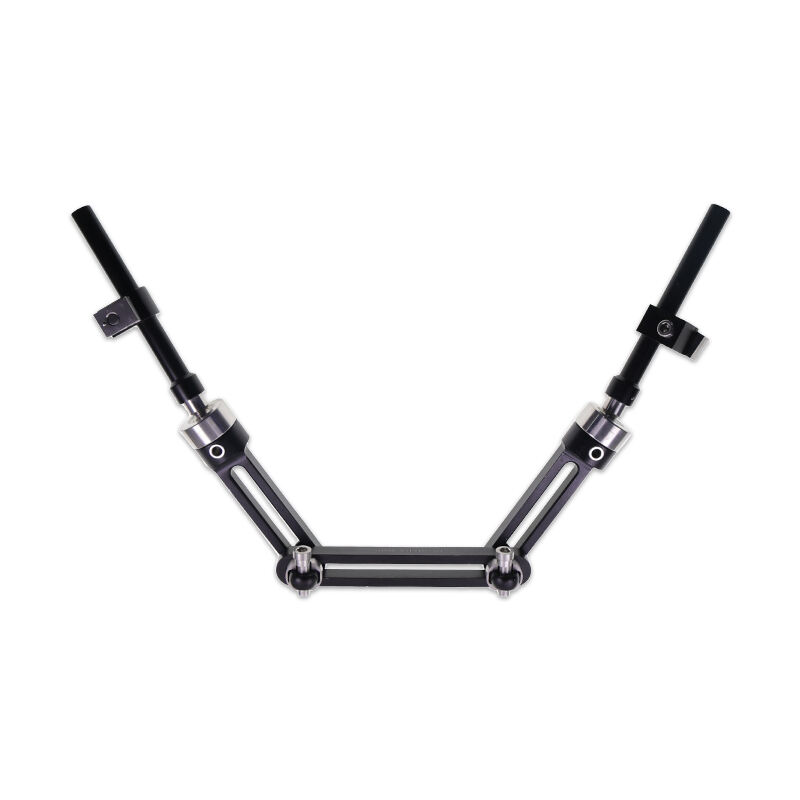
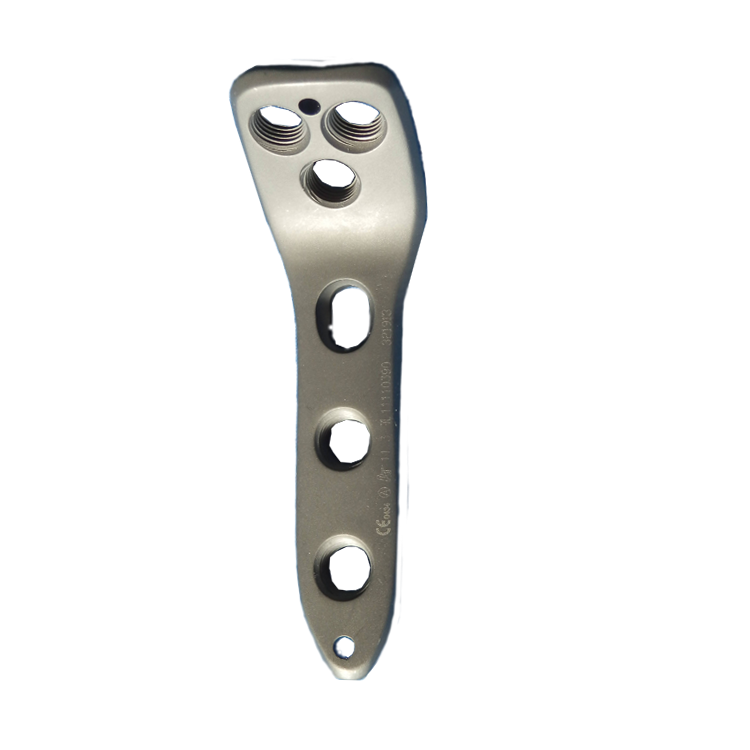
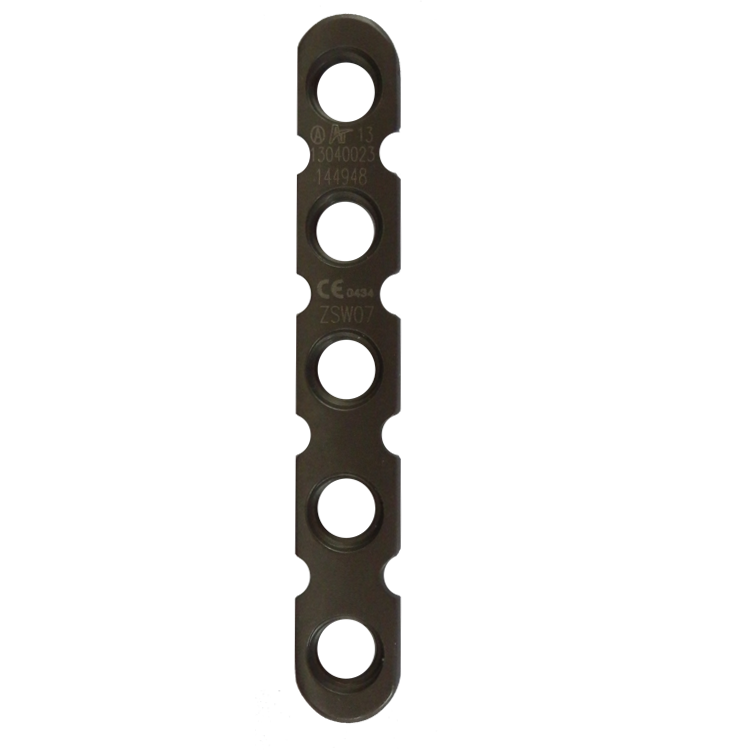
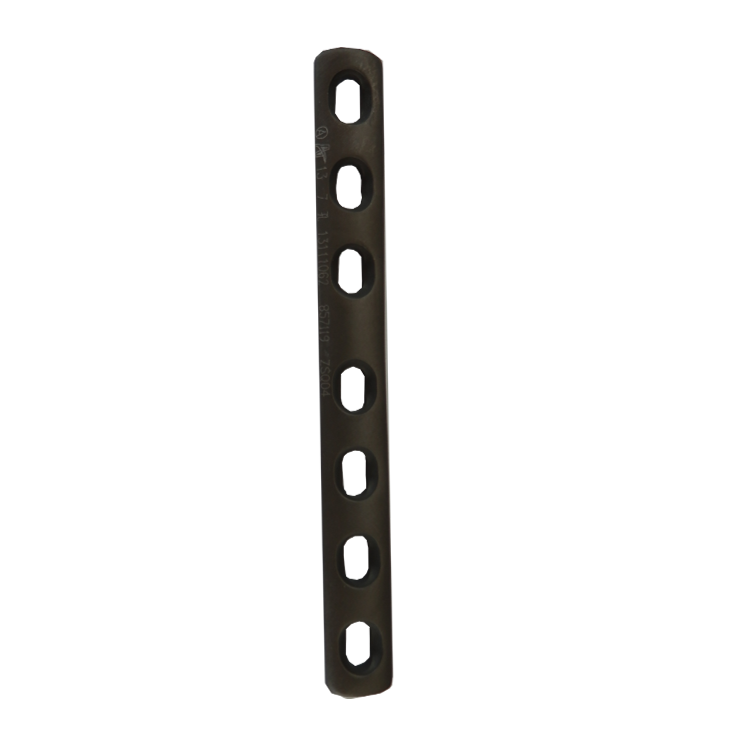
Bone Metal Plate: Orthopedic Implant Solutions

Get a Free Quote

Our representative will contact you soon.
Email
Name
Company Name
Message
0/1000

bone metal plate

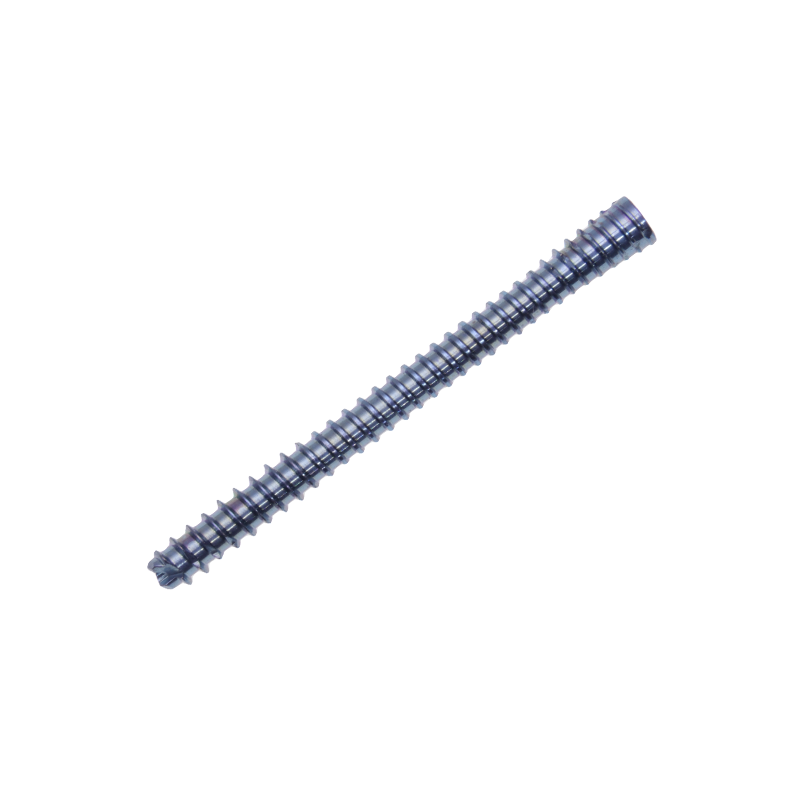
A bone metal plate is a specialized orthopedic implant designed to stabilize and support fractured or damaged bones during the healing process. Manufactured from biocompatible materials such as titanium alloys or stainless steel, the bone metal plate provides rigid fixation that enables proper bone alignment and promotes natural recovery. This medical device plays a critical role in trauma surgery, reconstructive procedures, and orthopedic interventions where bone integrity must be restored. The bone metal plate works in conjunction with surgical screws to secure bone fragments in their anatomical position, preventing displacement and ensuring optimal healing conditions. Modern bone metal plate designs incorporate advanced engineering principles that balance strength with flexibility, allowing for controlled load distribution across the fracture site. These plates come in various shapes, sizes, and configurations to accommodate different anatomical locations including long bones, facial bones, and joints. The technological features of a bone metal plate include precise contouring capabilities that match bone anatomy, low-profile designs that minimize soft tissue irritation, and locking screw mechanisms that enhance stability. Applications span multiple medical specialties from general orthopedics to maxillofacial surgery, addressing conditions ranging from traumatic fractures to corrective osteotomies. The bone metal plate represents a fundamental advancement in surgical treatment, offering surgeons reliable solutions for complex bone repair challenges while providing patients with improved functional outcomes and faster return to normal activities.

New Product Recommendations

The bone metal plate delivers exceptional stability that significantly reduces healing time compared to traditional casting methods alone, allowing patients to begin rehabilitation exercises earlier and regain mobility faster. This accelerated recovery translates into reduced healthcare costs, fewer follow-up visits, and quicker return to work or daily activities. The biocompatible materials used in manufacturing ensure minimal risk of allergic reactions or tissue rejection, providing long-term safety and reliability for patients across all age groups. Surgeons benefit from the precise anatomical fit that modern bone metal plate designs offer, enabling accurate fracture reduction and alignment during surgery, which directly improves surgical outcomes and patient satisfaction. The versatility of these implants means they can address fractures in virtually any skeletal location, from simple breaks to complex multi-fragment injuries, making them essential tools in comprehensive orthopedic care. Patients experience less pain and discomfort during recovery because the bone metal plate maintains stable fixation without external bulky casts, improving quality of life throughout the healing period. The low-profile construction minimizes soft tissue complications and reduces the visibility of the implant under the skin, addressing both functional and aesthetic concerns. Decision-makers in healthcare facilities appreciate the cost-effectiveness of bone metal plate systems, as they reduce the need for repeat surgeries and complications that drain resources. The proven track record of these devices across millions of successful procedures worldwide provides confidence for both medical professionals and patients making treatment decisions. Operational benefits include streamlined surgical workflows, compatibility with standard instrumentation, and comprehensive sizing options that eliminate inventory management challenges. The bone metal plate represents a smart investment in patient care that balances clinical excellence with practical economic considerations, making it the preferred choice for modern fracture management.

Tips And Tricks

Special Needs of Children's Bones: Design Philosophy of Pediatric Internal Fixation Systems

16

Dec

Special Needs of Children's Bones: Design Philosophy of Pediatric Internal Fixation Systems

Children's bones present unique challenges that require specialized approaches in orthopedic surgery. Unlike adult skeletal structures, pediatric bones are constantly growing, adapting, and remodeling throughout development. When fractures or deformi...
View More
Application of carbon fiber material external fixation bracket in clinical practice

13

Jan

Application of carbon fiber material external fixation bracket in clinical practice

The integration of advanced materials in orthopedic surgery has revolutionized patient care and treatment outcomes. Among these innovations, carbon fiber external fixation systems have emerged as a superior alternative to traditional metal frameworks...
View More
The application advantages of modular braces in ankle fractures

11

Feb

The application advantages of modular braces in ankle fractures

Ankle fractures represent one of the most challenging orthopedic conditions, requiring precise stabilization and optimal healing conditions. Modern orthopedic treatment has evolved significantly with the introduction of advanced fixation systems, par...
View More
No need for secondary surgery: How does the self-lengthening intramedullary nail synchronize with bone development?

11

Feb

No need for secondary surgery: How does the self-lengthening intramedullary nail synchronize with bone development?

The evolution of pediatric orthopedic surgery has witnessed remarkable advancements in recent decades, with the telescopic intramedullary nail emerging as a groundbreaking solution for treating femoral shaft fractures in growing children. This innova...
View More

Get a Free Quote

Our representative will contact you soon.
Email
Name
Company Name
Message
0/1000

bone metal plate

Superior Biomechanical Strength and Stability

Superior Biomechanical Strength and Stability

The bone metal plate employs advanced metallurgical engineering to deliver unmatched biomechanical strength that withstands the substantial forces exerted during normal daily activities and rehabilitation. Constructed from medical-grade titanium alloys or stainless steel, these plates undergo rigorous testing to ensure they maintain structural integrity under cyclic loading conditions that simulate years of physiological stress. The locking screw technology integrated into modern bone metal plate designs creates a fixed-angle construct that prevents screw loosening and maintains fracture reduction even in osteoporotic bone or comminuted fractures where traditional fixation methods might fail. This superior stability eliminates micromotion at the fracture site, which is crucial for primary bone healing and prevents the formation of non-unions or malunions that would require additional corrective procedures. Surgeons can confidently apply these implants in load-bearing locations knowing the bone metal plate will provide consistent support throughout the entire healing process. The combination of material science and intelligent design means patients can progress through rehabilitation protocols without fear of hardware failure, ultimately achieving better functional outcomes and higher satisfaction rates with their surgical treatment.
Anatomically Contoured Design for Optimal Fit

Anatomically Contoured Design for Optimal Fit

Each bone metal plate features anatomically contoured profiles that mirror the natural geometry of specific skeletal regions, ensuring intimate contact with bone surfaces and reducing the need for intraoperative bending that could compromise implant strength. This pre-contoured design philosophy significantly reduces surgical time, minimizes tissue trauma, and improves the accuracy of fracture reduction by providing surgeons with implants that fit correctly the first time. The low-profile construction of the bone metal plate minimizes the distance between the implant and bone surface, reducing soft tissue irritation and improving patient comfort during recovery. Advanced manufacturing techniques including computer-aided design and precision machining ensure consistent quality and dimensional accuracy across every implant, eliminating variability that could affect surgical outcomes. The variety of plate shapes available, from straight reconstruction plates to specialized periarticular designs, means surgeons can select the optimal bone metal plate configuration for each unique clinical situation. This anatomical approach not only improves immediate surgical results but also reduces long-term complications such as implant prominence, pain, and the need for hardware removal procedures. Patients benefit from faster recovery times and better cosmetic outcomes because the bone metal plate integrates seamlessly with their anatomy rather than creating bulk or irregularities beneath the skin.
Biocompatibility and Long-Term Safety Profile

Biocompatibility and Long-Term Safety Profile

The bone metal plate demonstrates exceptional biocompatibility through the use of materials that have been validated across decades of clinical use and millions of successful implantations worldwide. Titanium alloys and medical-grade stainless steel resist corrosion in the physiological environment, preventing the release of metal ions that could trigger inflammatory responses or systemic reactions. The surface treatments applied to modern bone metal plate products promote osseointegration, allowing bone tissue to grow in close proximity to the implant and enhancing overall fixation stability. This biological compatibility means the bone metal plate can remain in the body indefinitely without causing adverse effects, though removal is straightforward if required for medical or patient preference reasons. Extensive biocompatibility testing including cytotoxicity, sensitization, and implantation studies ensures each bone metal plate meets stringent international standards for medical devices. Patients with metal sensitivities can benefit from specialized titanium formulations that offer even lower risk of allergic reactions compared to traditional stainless steel options. The proven safety record of these implants provides peace of mind for both healthcare providers and patients, eliminating concerns about long-term complications that might arise from inferior materials or inadequate testing protocols. This commitment to biocompatibility and safety distinguishes quality bone metal plate products from alternatives and represents a fundamental requirement for any orthopedic implant intended for permanent or semi-permanent placement in the human body.
logo