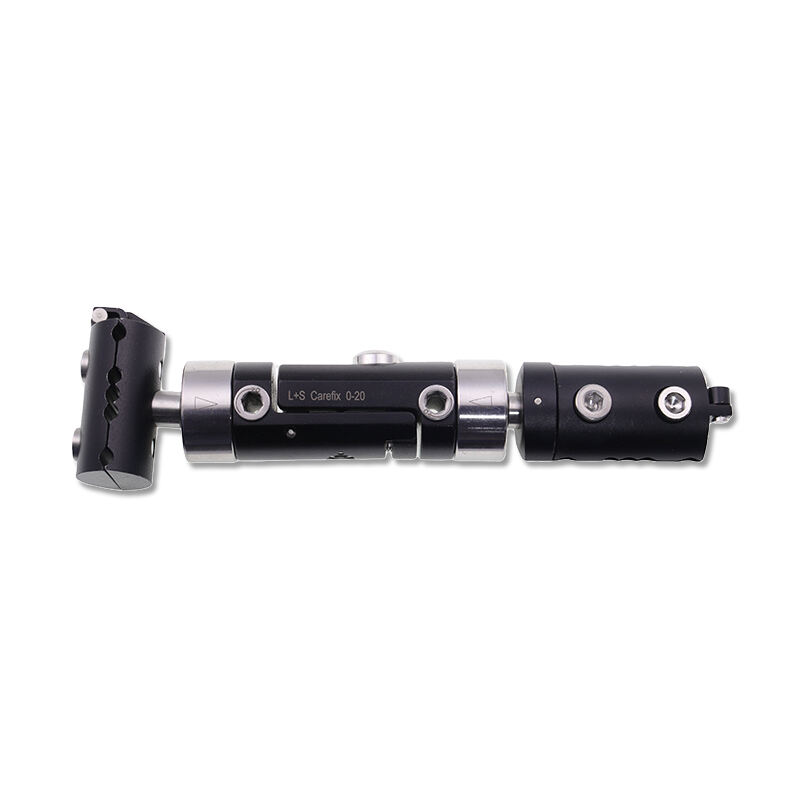
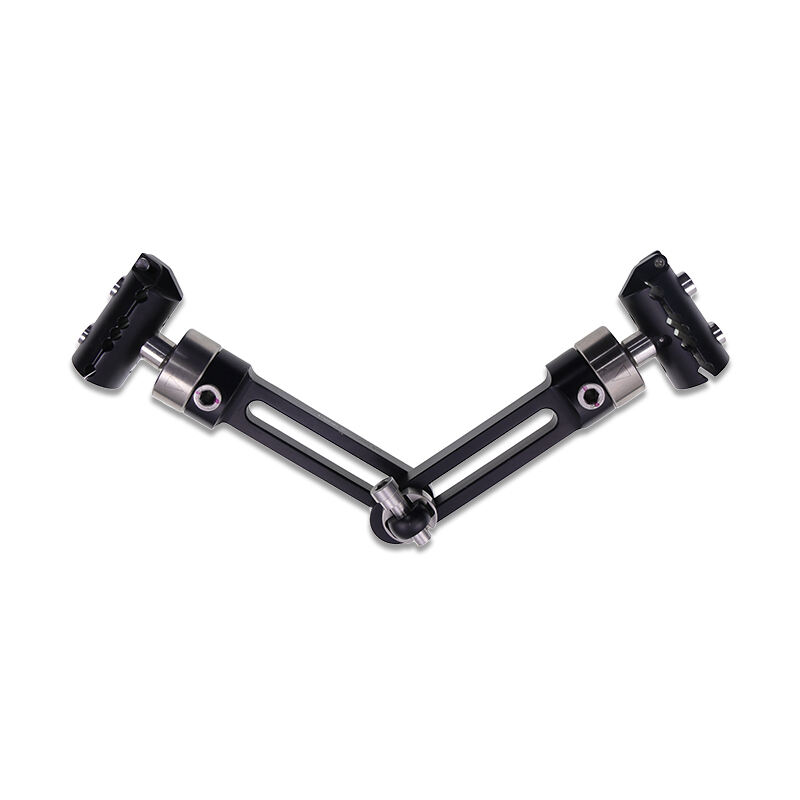
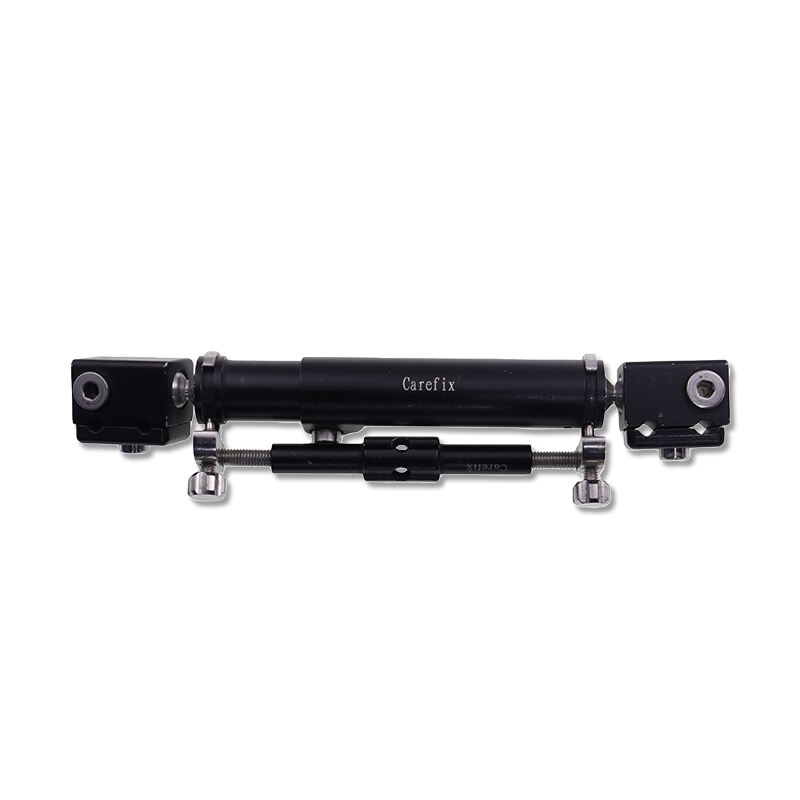
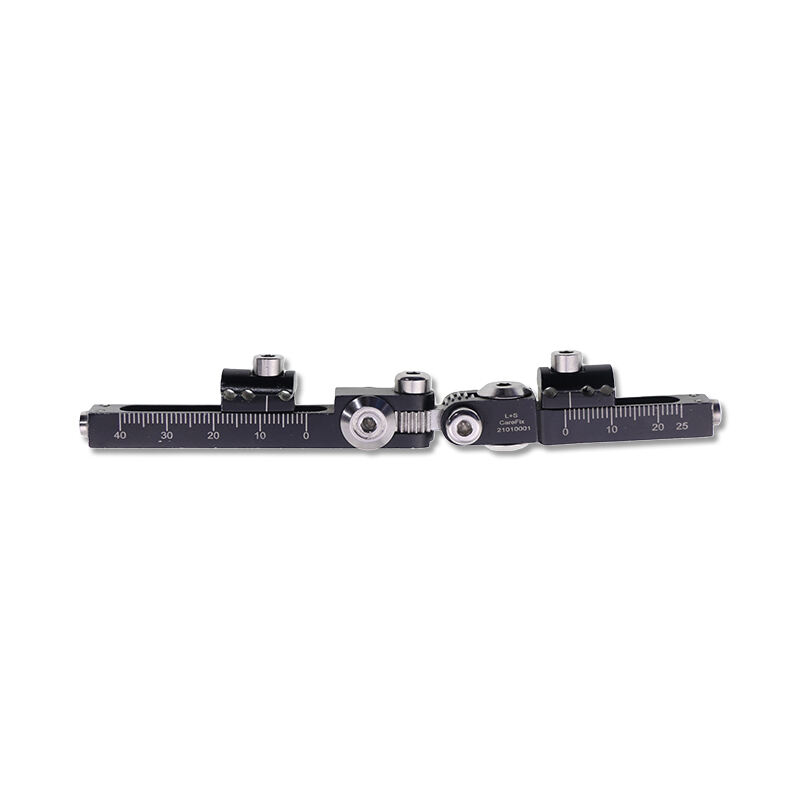
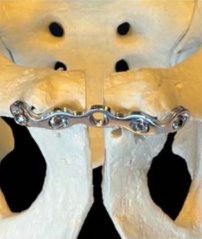
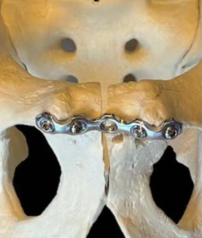
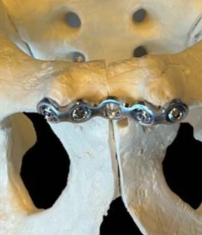
pelvic plate
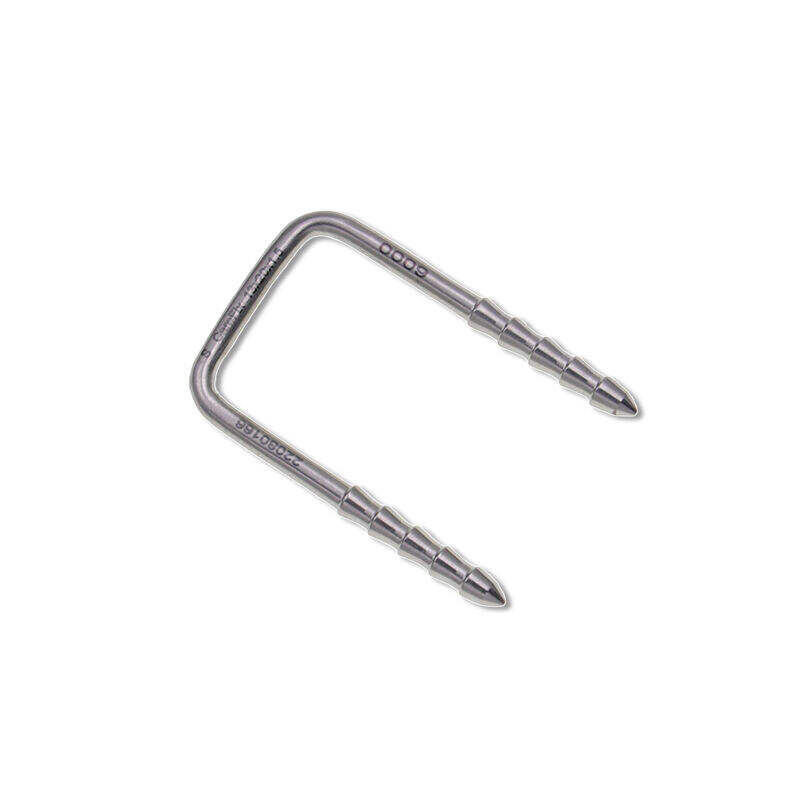
A pelvic plate is a specialized orthopedic implant device designed to stabilize and repair complex fractures of the pelvis and acetabulum. This surgical hardware provides critical structural support during the healing process, enabling proper bone alignment and facilitating patient recovery. The pelvic plate is typically manufactured from biocompatible materials such as titanium or stainless steel alloys, ensuring both strength and compatibility with human tissue. These implants feature precisely engineered hole patterns that allow surgeons to secure the plate using bone screws at optimal angles, creating a rigid fixation system. The pelvic plate comes in various anatomical designs to accommodate different fracture patterns and patient anatomies, including reconstruction plates, locking compression plates, and specialized acetabular plates. Advanced manufacturing technologies enable the production of low-profile designs that minimize soft tissue irritation while maintaining mechanical integrity. The primary functions of a pelvic plate include restoring pelvic ring stability, maintaining reduction of fractured bone segments, and providing load-bearing support during the critical healing period. This orthopedic solution is essential in trauma surgery, particularly for high-energy injuries resulting from motor vehicle accidents, falls from height, or crush injuries. Modern pelvic plate systems often incorporate polyaxial locking technology, allowing surgeons greater flexibility in screw placement and angle selection to achieve optimal fixation in challenging bone quality conditions.
 EN
EN