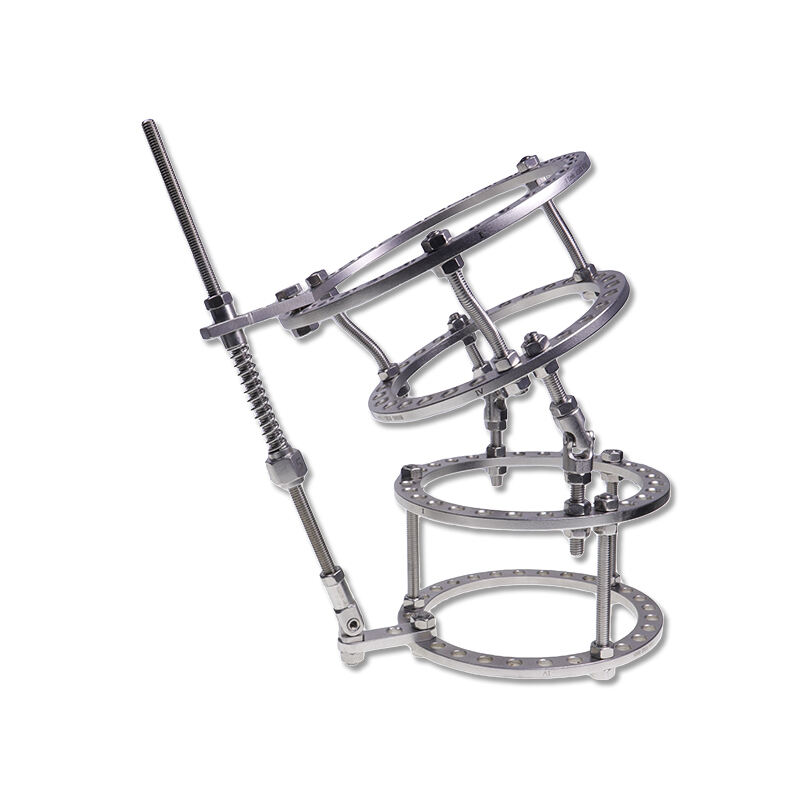
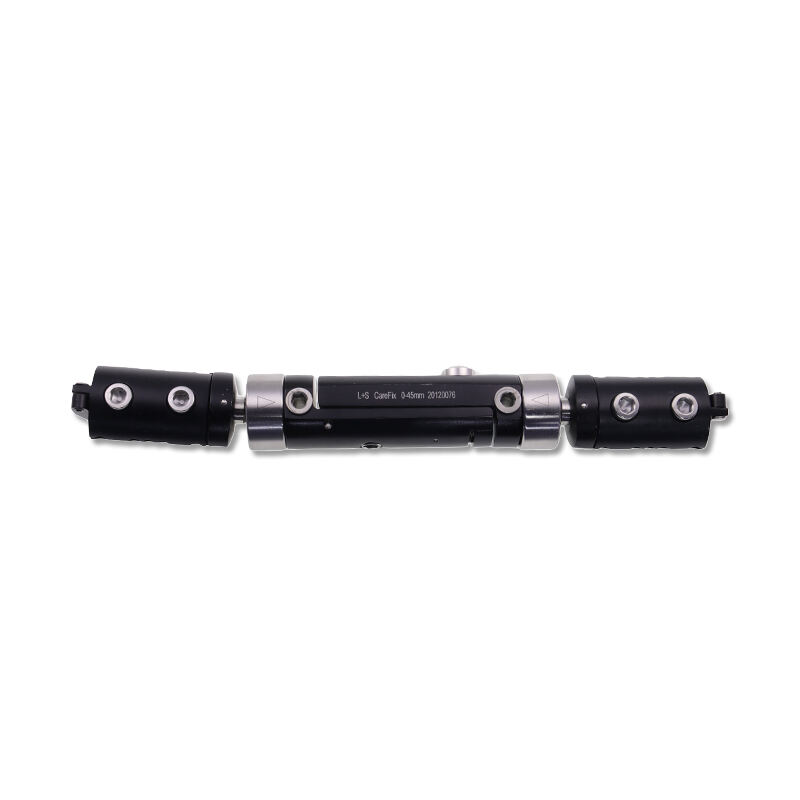
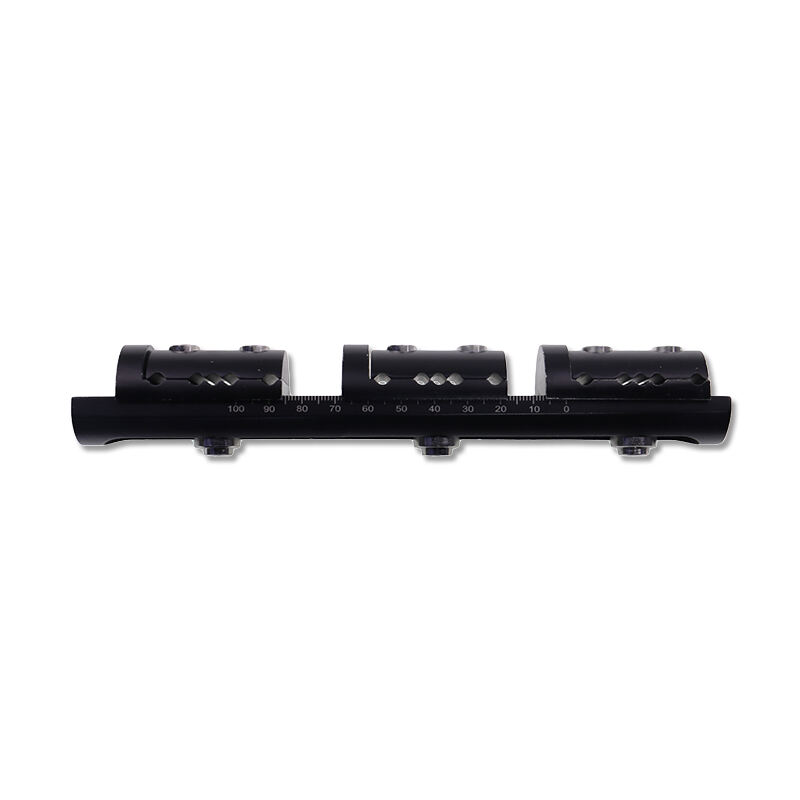
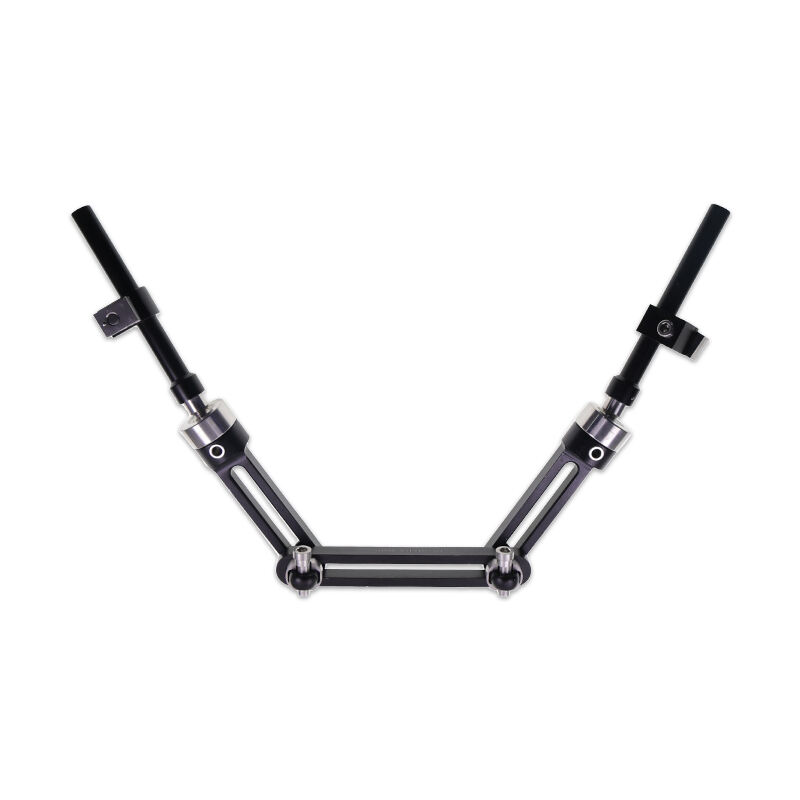
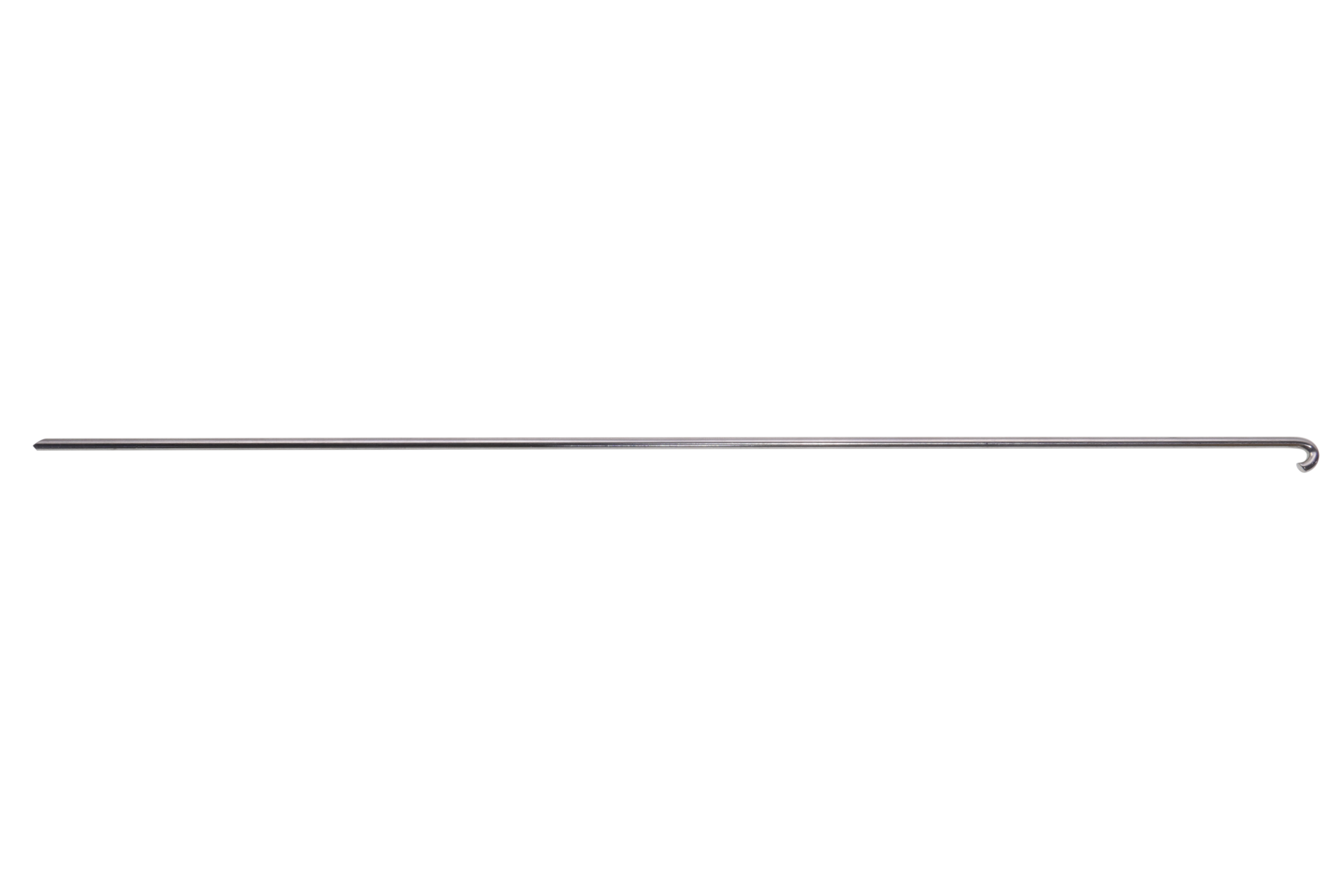
Titanium Elastic Nail System | Pediatric Fracture

Get a Free Quote

Our representative will contact you soon.
Email
Name
Company Name
Message
0/1000

titanium elastic nail system

The titanium elastic nail system represents a revolutionary advancement in pediatric orthopedic surgery, specifically designed for treating long bone fractures in children and adolescents. This minimally invasive surgical technique utilizes flexible titanium rods that are carefully inserted into the medullary canal of fractured bones, providing stable fixation while allowing natural bone healing. The titanium elastic nail system works through the principle of three-point fixation, where pre-bent elastic nails create symmetric support that maintains fracture alignment without restricting growth plates. The system consists of specially engineered titanium nails available in various diameters, ranging from 2.0mm to 4.0mm, accommodating different bone sizes and patient ages. These implants are manufactured from medical-grade titanium alloy, ensuring biocompatibility and corrosion resistance. The primary application of the titanium elastic nail system focuses on diaphyseal fractures of the femur, tibia, humerus, and forearm bones in patients whose growth plates remain open. Surgeons favor this technique because it requires only small incisions, typically two entry points near the fracture site, significantly reducing tissue trauma compared to traditional plating methods. The elastic properties of the titanium nails allow micro-motion at the fracture site, which promotes callus formation and accelerates healing. This system has transformed pediatric fracture management by offering excellent stability while preserving the periosteal blood supply, maintaining bone length, and protecting growth potential throughout the healing process.

New Product Releases

The titanium elastic nail system delivers substantial benefits that directly impact patient outcomes and surgical efficiency. First, this system enables faster recovery times, allowing children to return to normal activities within weeks rather than months, which matters greatly to families managing school schedules and daily routines. The minimally invasive approach creates smaller scars, typically less than one centimeter, addressing cosmetic concerns while reducing infection risks that plague larger surgical wounds. Parents appreciate that the titanium elastic nail system requires shorter hospital stays, often permitting same-day or next-day discharge, which lowers medical costs and minimizes disruption to family life. From an operational perspective, the procedure takes less time in the operating room compared to traditional plating, reducing anesthesia exposure for young patients and increasing surgical efficiency for medical facilities. The system accommodates a wide range of fracture patterns and bone sizes, making it versatile across different clinical scenarios without requiring extensive inventory. Surgeons benefit from straightforward insertion techniques that shorten the learning curve, enabling more practitioners to confidently adopt this proven methodology. The elastic nature of these titanium nails provides dynamic stability that adapts to patient movement during healing, preventing the stress shielding effect associated with rigid fixation methods. When healing completes, the titanium elastic nail system allows for simple removal through the original small incisions, avoiding the extensive surgical exposure necessary for plate removal. The biocompatible titanium construction eliminates allergic reactions and integrates seamlessly with bone tissue. Economic advantages include reduced overall treatment costs through shorter procedures, fewer complications, and decreased rehabilitation needs, making the titanium elastic nail system an intelligent investment for healthcare providers focused on delivering quality pediatric orthopedic care with measurable value for patients and institutions alike.

Latest News

Application analysis of intramedullary nail system in ankle joint fusion

16

Dec

Application analysis of intramedullary nail system in ankle joint fusion

The evolution of orthopedic surgical techniques has brought significant advancements in treating complex ankle pathologies, particularly through the implementation of modern fixation systems. An intramedullary nail system represents a revolutionary a...
View More
How to choose the appropriate size and thread of hollow screws?

11

Feb

How to choose the appropriate size and thread of hollow screws?

Selecting the right hollow screws for orthopedic procedures requires careful consideration of multiple factors that directly impact surgical outcomes and patient recovery. These specialized medical devices serve critical functions in bone fixation, t...
View More
Finite Element Optimization Design and Biomechanical Validation of Personalized IM Nails

11

Feb

Finite Element Optimization Design and Biomechanical Validation of Personalized IM Nails

The evolution of orthopedic trauma surgery has reached a pivotal moment with the emergence of personalized IM nails that revolutionize fracture treatment approaches. Advanced computational modeling and finite element analysis have enabled surgeons to...
View More
The application advantages of modular braces in ankle fractures

15

Apr

The application advantages of modular braces in ankle fractures

Ankle fractures represent one of the most challenging orthopedic injuries to manage effectively, requiring precise stabilization and controlled healing environments. Traditional casting methods often fall short in providing the dynamic support and ad...
View More

Get a Free Quote

Our representative will contact you soon.
Email
Name
Company Name
Message
0/1000

titanium elastic nail system

Minimally Invasive Surgical Approach

Minimally Invasive Surgical Approach

The titanium elastic nail system distinguishes itself through a minimally invasive surgical technique that fundamentally changes the fracture treatment experience for pediatric patients. Unlike conventional open reduction methods requiring extensive incisions and tissue dissection, this system operates through two small entry points, each measuring approximately 5-10 millimeters. Surgeons insert pre-bent titanium nails through these tiny incisions, advancing them through the medullary canal under fluoroscopic guidance until they cross the fracture site and provide stable three-point fixation. This approach preserves the fracture hematoma and periosteal sleeve, maintaining the biological environment essential for rapid bone healing. The minimal soft tissue disruption translates to significantly less post-operative pain, allowing children to mobilize earlier and require fewer pain medications. Parents observe visibly smaller scars that fade quickly, eliminating the psychological impact of prominent surgical marks. The reduced surgical trauma also correlates with lower infection rates, decreased blood loss, and minimal damage to surrounding muscles and vasculature. Healthcare facilities benefit from streamlined surgical workflows, as the titanium elastic nail system procedures typically require 30-45 minutes, compared to 90-120 minutes for traditional plating techniques, optimizing operating room utilization and reducing healthcare costs while delivering superior patient outcomes.
Growth-Friendly Fixation Technology

Growth-Friendly Fixation Technology

The titanium elastic nail system incorporates growth-friendly fixation technology specifically engineered for the unique physiological needs of developing skeletal systems. Traditional rigid fixation methods can damage growth plates or create stress concentration points that interfere with normal bone development, but this system respects pediatric anatomy through flexible stabilization that works in harmony with growing bones. The elastic titanium nails allow controlled micro-motion at the fracture site, stimulating callus formation through the principle of relative stability rather than absolute rigidity. This physiological approach accelerates healing while preventing growth disturbances that could result in limb length discrepancies or angular deformities. The intramedullary placement of the titanium elastic nail system protects epiphyseal plates from direct trauma, as entry points are carefully positioned away from growth centers. The nails function as internal splints that maintain alignment while permitting the natural remodeling capacity of pediatric bones to correct minor angular deviations during healing. Clinical studies demonstrate that fractures treated with the titanium elastic nail system achieve union rates exceeding 95 percent within 8-12 weeks, with excellent functional outcomes and minimal growth complications. This technology empowers surgeons to provide age-appropriate treatment that supports rather than impedes skeletal maturation, giving families confidence that their children will develop normally without long-term orthopedic consequences from fracture management.
Superior Biomechanical Stability

Superior Biomechanical Stability

The titanium elastic nail system achieves superior biomechanical stability through sophisticated engineering principles that balance flexibility with fracture control. Each titanium nail is precisely manufactured with specific elastic properties that allow pre-bending to match bone curvature while maintaining sufficient stiffness to resist deforming forces. When two nails are inserted from opposite sides of the bone, they create symmetrical three-point contact: one at each insertion site and one at the fracture apex where the nails cross. This configuration distributes loads evenly across the bone, preventing the concentration of stress that leads to re-fracture or fixation failure. The titanium material provides an optimal strength-to-weight ratio, offering robust support without excessive bulk that would fill the medullary canal completely. Unlike external fixators that restrict movement and create pin-site complications, the titanium elastic nail system provides internal stability that permits immediate weight-bearing as tolerated, promoting faster functional recovery. The elastic properties absorb impact forces during normal activities, protecting the healing bone from sudden shocks while maintaining fracture alignment. Rotational stability is achieved through the divergent configuration of the nails, preventing the malrotation that compromises outcomes in unstable fracture patterns. This biomechanical sophistication explains why the titanium elastic nail system has become the gold standard for pediatric long bone fractures, consistently delivering reliable stability that supports uncomplicated healing across diverse clinical applications.
logo