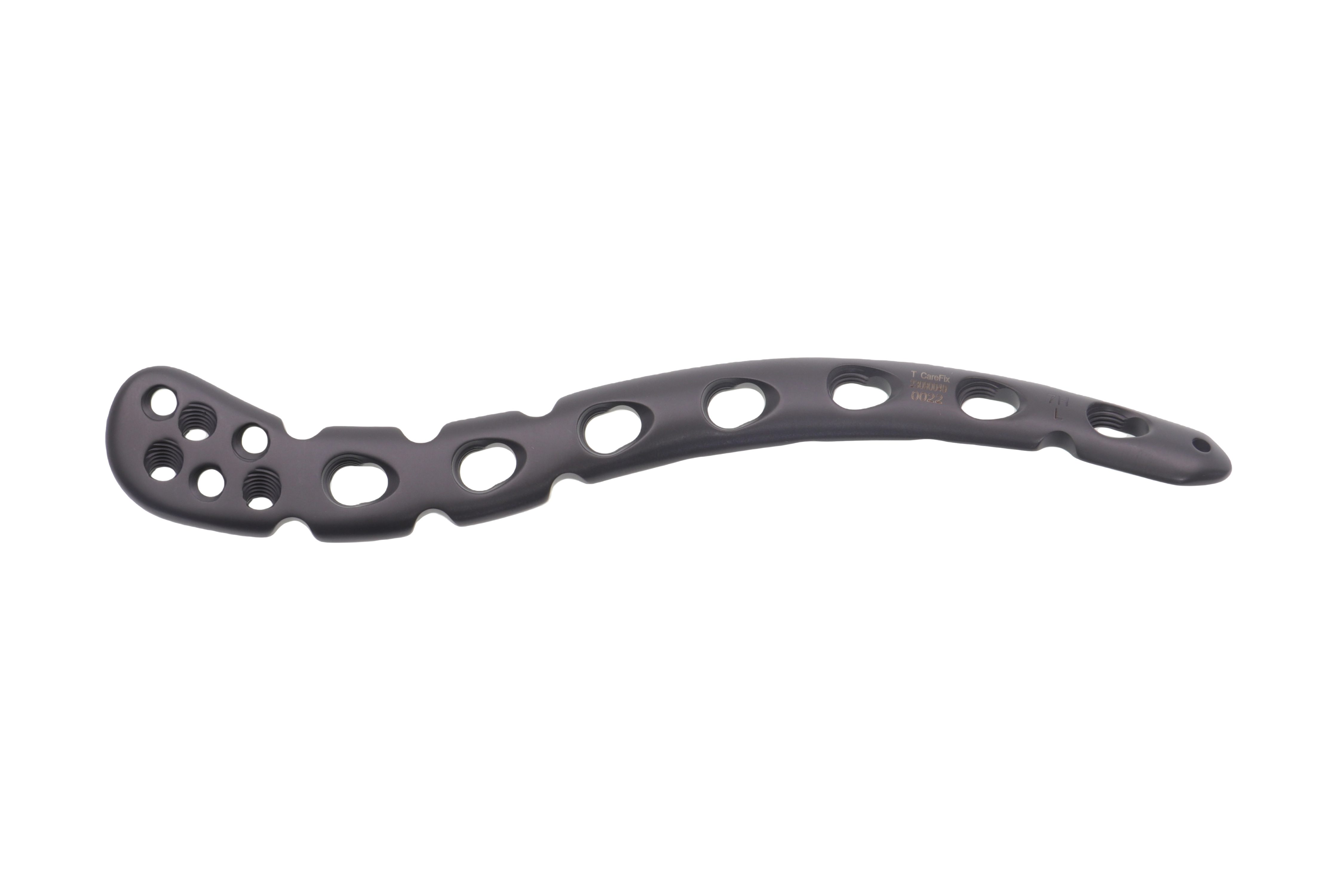
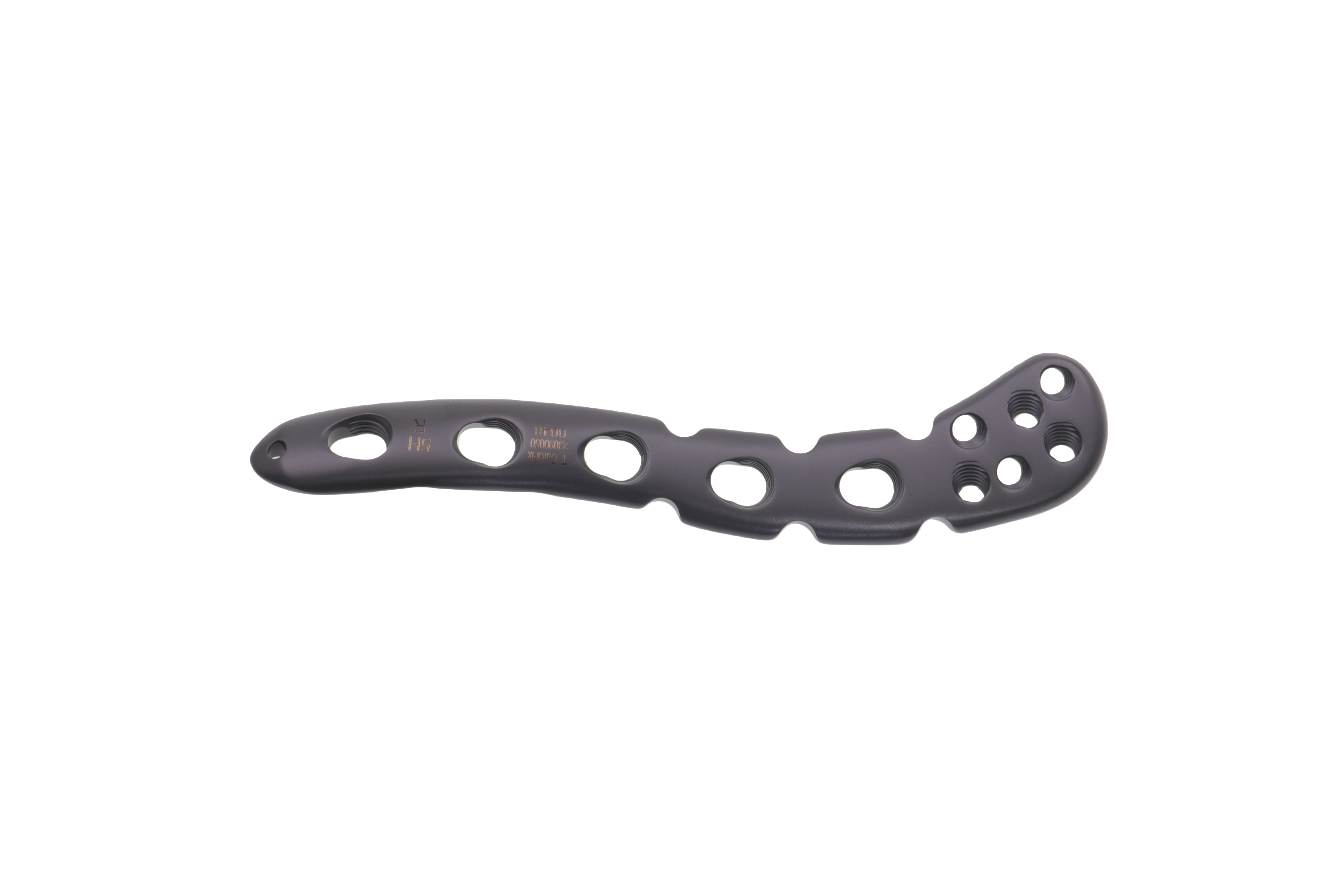
Clavicle Bone Plate: Advanced Fracture Fixation

Get a Free Quote

Our representative will contact you soon.
Email
Name
Company Name
Message
0/1000

clavicle bone plate

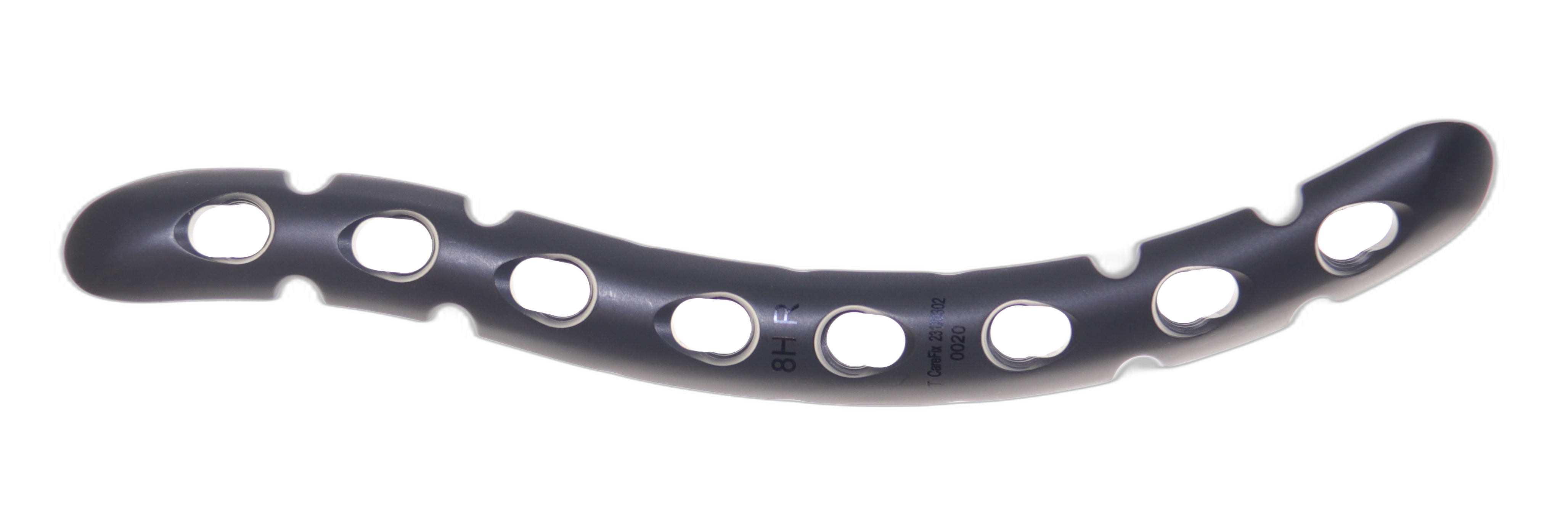
A clavicle bone plate is a specialized orthopedic implant designed to stabilize and repair fractured or broken collarbones during surgical procedures. This essential medical device serves as an internal fixation system that holds bone fragments in proper alignment while natural healing occurs. The clavicle bone plate is manufactured from biocompatible materials such as titanium or stainless steel, ensuring safety and durability within the human body. These plates feature precisely engineered holes that accommodate locking or non-locking screws, providing surgeons with flexibility during implantation. The primary function of a clavicle bone plate involves maintaining correct bone position throughout the healing process, preventing displacement that could lead to malunion or nonunion. Modern clavicle bone plate designs incorporate anatomical contouring that matches the natural curvature of the collarbone, reducing the need for intraoperative bending and minimizing soft tissue irritation. The technological features include low-profile construction to minimize prominence under the skin, multiple sizing options to accommodate different patient anatomies, and surface treatments that promote osseointegration. Clinical applications extend to various fracture patterns including midshaft fractures, lateral end fractures, and medial end injuries. Surgeons utilize the clavicle bone plate in both acute trauma cases and reconstructive procedures where previous treatments have failed. The device facilitates early mobilization and faster return to daily activities compared to conservative treatment methods, making it an invaluable tool in modern orthopedic surgery for restoring shoulder girdle function and patient quality of life.

New Products

The clavicle bone plate offers substantial practical benefits that directly address the needs of both healthcare providers and patients seeking effective fracture treatment solutions. From an operational perspective, these plates streamline surgical procedures by providing reliable fixation that reduces surgery time and improves predictability of outcomes. Surgeons appreciate the ease of application and the secure hold that minimizes the risk of hardware failure or bone displacement during recovery. For patients, the primary advantage lies in accelerated healing and earlier return to normal activities, which translates to reduced time away from work and fewer complications associated with prolonged immobilization. The anatomically contoured design of the clavicle bone plate ensures better fit and comfort, decreasing postoperative pain and the likelihood of irritation to surrounding tissues. This design consideration becomes particularly valuable for patients concerned about visible hardware or discomfort during the healing phase. The biocompatible materials used in manufacturing provide excellent strength-to-weight ratios, supporting bone healing without adding unnecessary bulk. Decision-makers evaluating treatment options will find that the clavicle bone plate represents a cost-effective solution when considering the total cost of care, including reduced rehabilitation time and lower rates of treatment failure requiring revision surgery. The application suitability spans diverse patient populations, from young athletes requiring rapid recovery to elderly patients needing stable fixation despite compromised bone quality. Healthcare facilities benefit from standardized instrumentation and straightforward inventory management. The proven track record of the clavicle bone plate in clinical settings provides confidence in treatment planning, while the versatility to address multiple fracture types simplifies decision-making processes for surgical teams managing various trauma cases.

Practical Tips

Special Needs of Children's Bones: Design Philosophy of Pediatric Internal Fixation Systems

16

Dec

Special Needs of Children's Bones: Design Philosophy of Pediatric Internal Fixation Systems

Children's bones present unique challenges that require specialized approaches in orthopedic surgery. Unlike adult skeletal structures, pediatric bones are constantly growing, adapting, and remodeling throughout development. When fractures or deformi...
View More
Understanding Intramedullary Nail Complications

13

Jan

Understanding Intramedullary Nail Complications

Intramedullary nail complications represent a significant concern in orthopedic surgery, affecting patient outcomes and recovery timelines. These complications can arise during insertion, throughout the healing process, or during long-term implant re...
View More
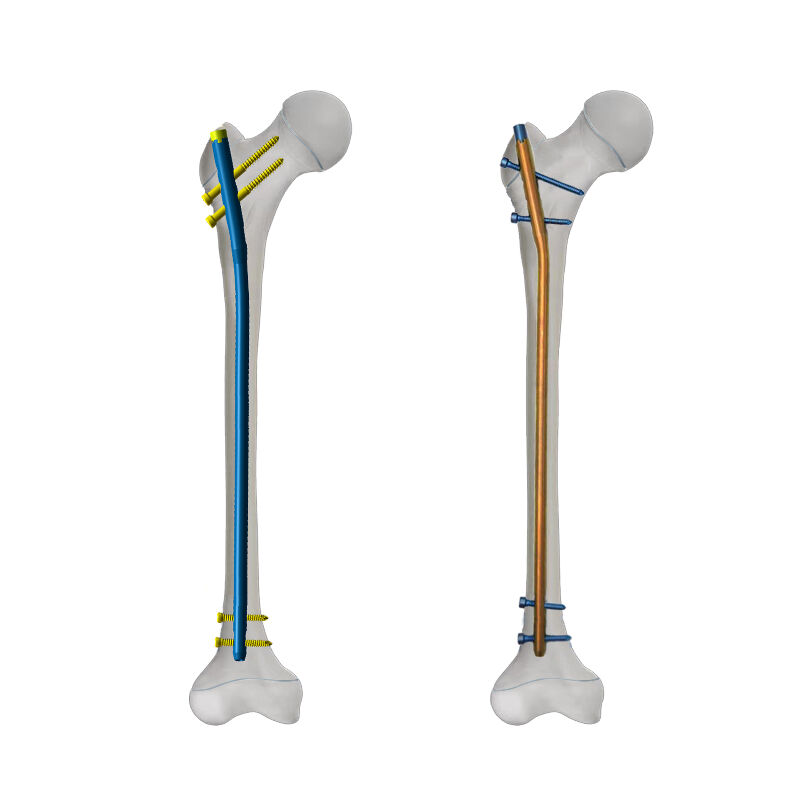
No need for secondary surgery: How does the self-lengthening intramedullary nail synchronize with bone development?

11

Feb

No need for secondary surgery: How does the self-lengthening intramedullary nail synchronize with bone development?

The evolution of pediatric orthopedic surgery has witnessed remarkable advancements in recent decades, with the telescopic intramedullary nail emerging as a groundbreaking solution for treating femoral shaft fractures in growing children. This innova...
View More
Cannulated screw system: Technological advancements in the treatment of ankle fractures

06

Mar

Cannulated screw system: Technological advancements in the treatment of ankle fractures

Ankle fractures represent one of the most challenging orthopedic injuries requiring precise surgical intervention and advanced fixation methods. The evolution of fracture treatment has been significantly enhanced by the introduction of modern cannula...
View More

Get a Free Quote

Our representative will contact you soon.
Email
Name
Company Name
Message
0/1000

clavicle bone plate

Anatomical Precision Engineering

Anatomical Precision Engineering

The clavicle bone plate features sophisticated anatomical contouring that precisely matches the natural S-shaped curve of the human collarbone, representing a significant advancement in orthopedic implant design. This pre-contoured configuration eliminates much of the intraoperative bending traditionally required during surgery, saving valuable operating room time and reducing procedure complexity. The anatomical design minimizes the gap between the plate and bone surface, promoting better biomechanical stability and reducing stress concentration points that could lead to hardware failure. For patients, this precision engineering translates to improved comfort during recovery, as the low-profile design sits flush against the bone with minimal soft tissue prominence. The plate's shape accommodates the complex three-dimensional anatomy of the clavicle, ensuring consistent contact across the fracture site regardless of the specific location or pattern of injury. Surgeons benefit from enhanced visualization during placement and reduced need for specialized contouring tools, while patients experience fewer complications related to hardware irritation and improved cosmetic outcomes with less visible or palpable implants beneath the skin.
Versatile Locking Technology

Versatile Locking Technology

Modern clavicle bone plate systems incorporate advanced locking screw technology that creates a fixed-angle construct, functioning as an internal fixator that provides superior stability compared to conventional plating methods. This locking mechanism allows screws to thread directly into the plate holes, creating a unified structure that distributes forces more evenly across the entire construct rather than relying solely on friction between the plate and bone. The versatility of combination holes permits surgeons to use either locking or standard compression screws based on specific clinical requirements and bone quality encountered during surgery. For patients with osteoporotic or compromised bone, the locking feature becomes particularly valuable as it maintains purchase without depending entirely on bone density. This technological innovation reduces the risk of screw loosening and subsequent loss of fracture reduction during the critical healing period. The clavicle bone plate locking system also allows for minimally invasive percutaneous techniques in select cases, reducing soft tissue disruption and potentially accelerating recovery. Healthcare providers appreciate the flexibility to customize fixation strategies while maintaining confidence in construct stability across diverse patient presentations and fracture complexities.
Biocompatible Material Excellence

Biocompatible Material Excellence

The clavicle bone plate is manufactured from premium-grade biocompatible materials, most commonly titanium alloys or medical-grade stainless steel, selected specifically for their exceptional properties in orthopedic applications. Titanium variants offer an ideal combination of high strength, low weight, and excellent corrosion resistance, while maintaining compatibility with advanced imaging techniques like MRI scans without causing significant artifacts. These materials undergo rigorous testing to ensure they meet international standards for medical implants, providing peace of mind regarding safety and long-term performance within the body. The biocompatibility prevents adverse tissue reactions, allowing the clavicle bone plate to remain in place permanently without causing inflammation or rejection responses. Surface treatments applied during manufacturing enhance osseointegration, encouraging bone cells to grow in close proximity to the implant for improved stability. For patients, the choice of materials means reduced risk of allergic reactions and the option to retain the hardware indefinitely unless removal becomes necessary for specific reasons. The durability of these materials ensures the clavicle bone plate maintains structural integrity throughout the healing process and beyond, providing reliable support during both the acute recovery phase and subsequent return to demanding physical activities.

logo