Condylar Plate: Advanced Femoral Fracture Fixation

Get a Free Quote

Our representative will contact you soon.
Email
Name
Company Name
Message
0/1000

condylar plate

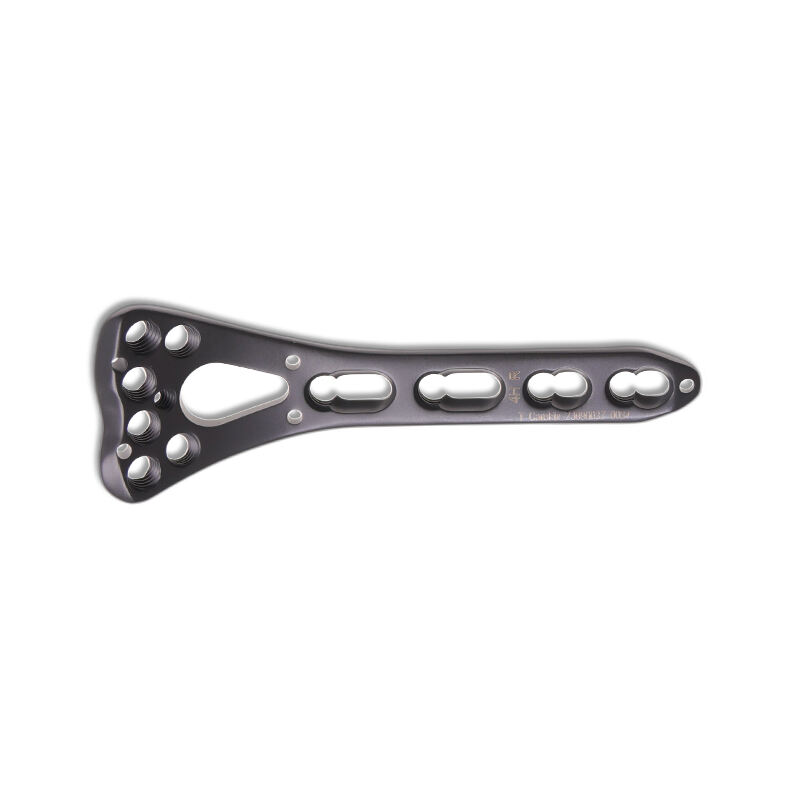
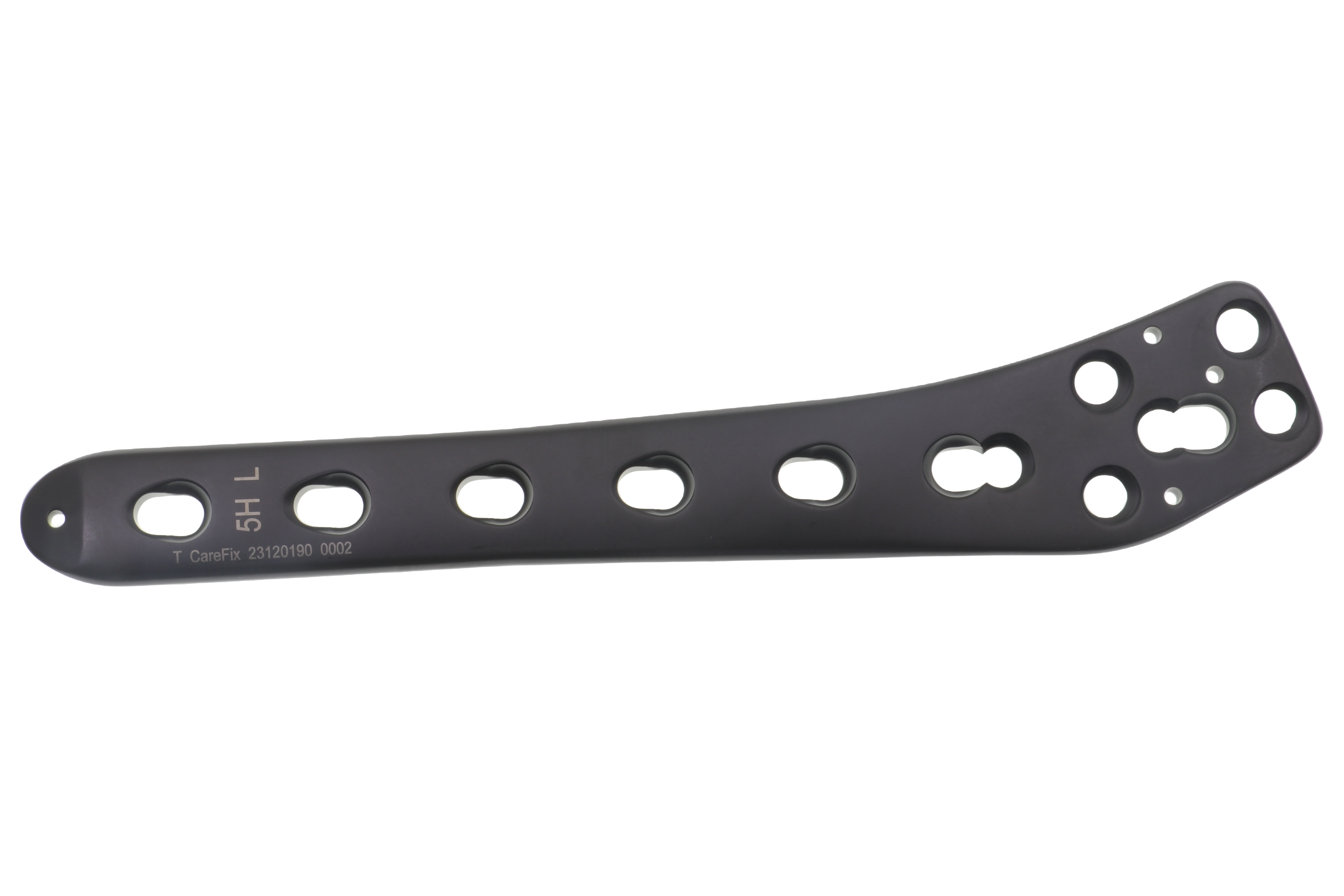
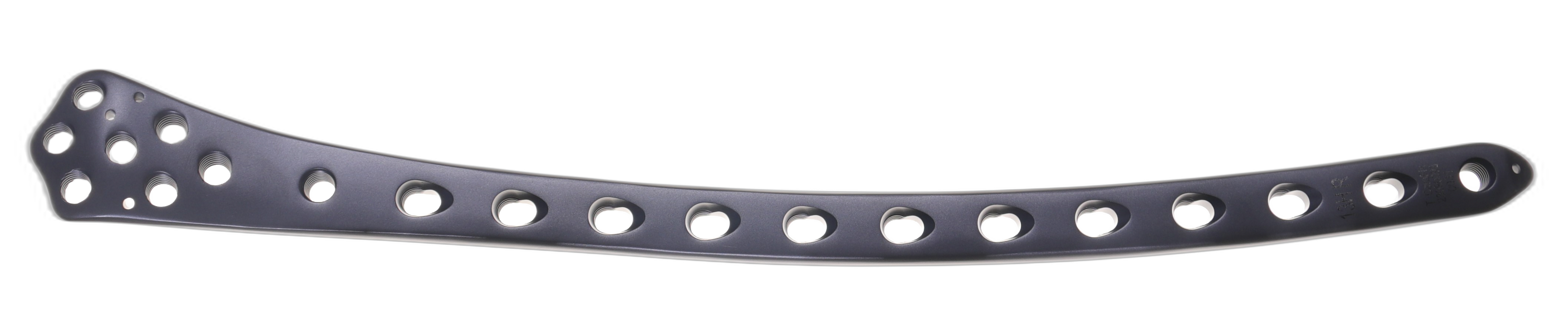
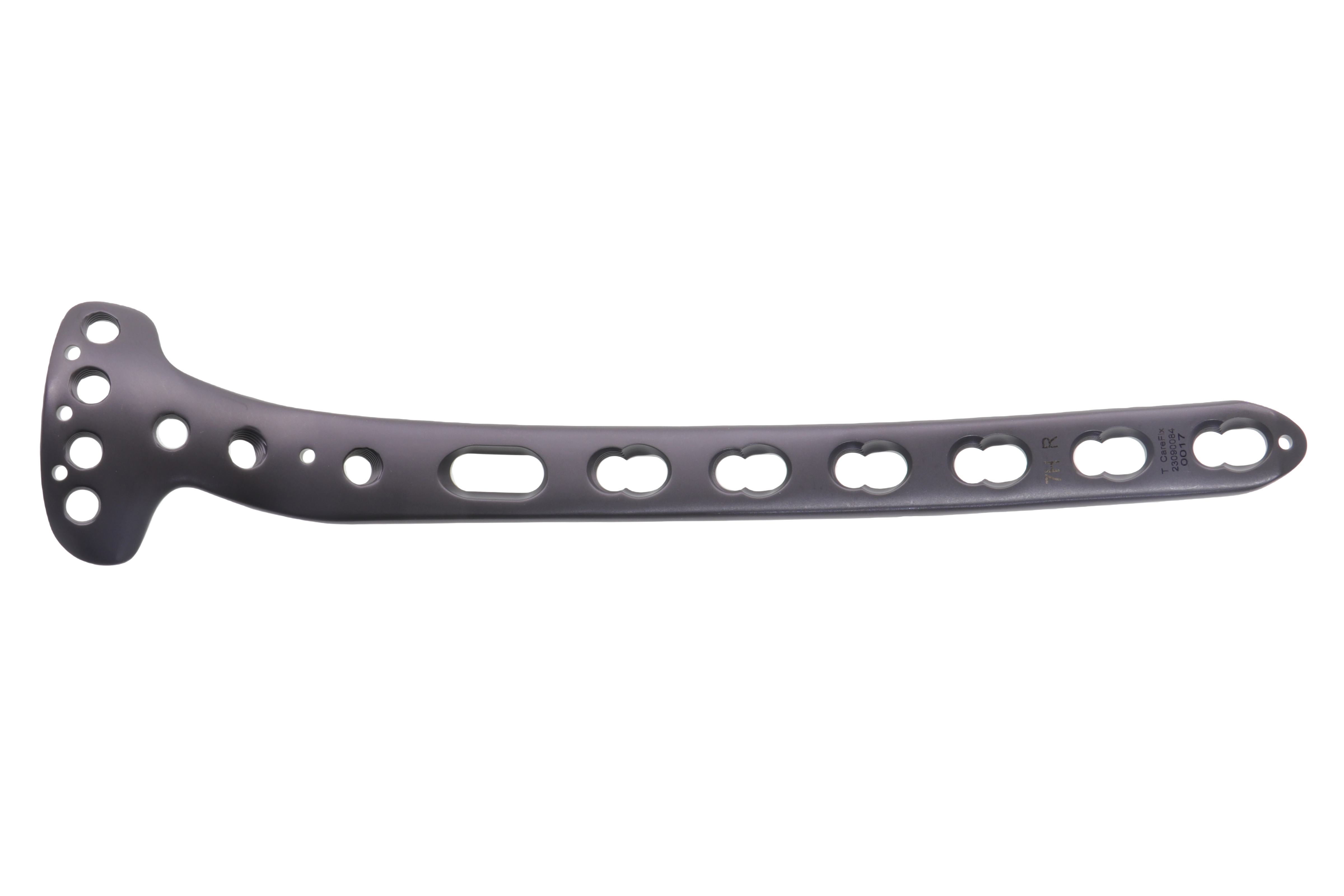
The condylar plate is a specialized orthopedic implant designed for the surgical fixation of distal femoral fractures, particularly those involving the femoral condyles. This advanced fixation device serves as a critical solution in trauma and reconstructive surgery, providing stable internal fixation for complex fractures around the knee joint. The condylar plate features a uniquely contoured design that anatomically matches the distal femur, ensuring optimal contact with the bone surface and promoting enhanced stability during the healing process. Its main functions include maintaining proper alignment of fractured bone segments, resisting shear and rotational forces, and facilitating early mobilization for patients recovering from lower extremity trauma. Technologically, the condylar plate incorporates multiple fixed-angle screw holes that allow surgeons to achieve secure purchase in both the metaphyseal and diaphyseal regions of the femur. The plate's construction typically utilizes medical-grade titanium or stainless steel alloys, offering exceptional biocompatibility and mechanical strength. Applications of the condylar plate extend across various clinical scenarios, including supracondylar femoral fractures, intercondylar fractures, periprosthetic fractures around knee replacements, and cases requiring osteotomy fixation. The versatility of the condylar plate makes it an indispensable tool for orthopedic surgeons managing challenging fractures in elderly patients with osteoporotic bone, as well as younger patients with high-energy trauma. Its proven track record in clinical settings demonstrates consistent outcomes in restoring limb function and supporting patient recovery.

Popular Products

Choosing the condylar plate for fracture management delivers measurable benefits that directly impact patient outcomes and surgical success. This fixation system provides superior stability compared to traditional plating methods, which translates to reduced risk of fixation failure and improved healing rates for patients. The anatomically pre-contoured design eliminates the need for extensive intraoperative bending, saving valuable operating room time and reducing surgical complexity. Surgeons can complete procedures more efficiently while patients benefit from shorter anesthesia exposure and decreased surgical trauma. The fixed-angle locking mechanism creates a stable construct that maintains fracture reduction even in compromised bone quality, making the condylar plate particularly valuable for treating elderly patients with osteoporosis. From an operational perspective, the standardized instrumentation and straightforward application technique reduce the learning curve for surgical teams, enabling consistent results across different experience levels. The condylar plate allows for early weight-bearing and joint mobilization in many cases, which accelerates rehabilitation and helps patients return to daily activities faster. This early mobility also reduces complications associated with prolonged immobilization, such as joint stiffness and muscle atrophy. For healthcare facilities, the reliability of the condylar plate contributes to predictable surgical outcomes and reduced revision rates, ultimately supporting better resource utilization. The versatility of the condylar plate across multiple fracture patterns means hospitals can maintain a streamlined inventory while addressing diverse clinical needs. Patients gain peace of mind knowing their treatment utilizes a proven technology with extensive clinical documentation supporting its safety and effectiveness in promoting bone healing and functional recovery.

Latest News

Cannulated Screw Types: Features and Benefits Explained

16

Dec

Cannulated Screw Types: Features and Benefits Explained

Orthopedic surgery has evolved significantly over the past decades, with advances in implant technology playing a crucial role in improving patient outcomes. Among these innovations, the cannulated screw stands out as a versatile and highly effective...
View More
Application analysis of intramedullary nail system in ankle joint fusion

16

Dec

Application analysis of intramedullary nail system in ankle joint fusion

The evolution of orthopedic surgical techniques has brought significant advancements in treating complex ankle pathologies, particularly through the implementation of modern fixation systems. An intramedullary nail system represents a revolutionary a...
View More
Expanding the Boundaries of IM Nail Technology: Periarticular Fractures and Deformity Correction

06

Mar

Expanding the Boundaries of IM Nail Technology: Periarticular Fractures and Deformity Correction

Modern orthopedic surgery continues to evolve with innovative solutions that address complex fracture patterns and deformity corrections. The telescopic intramedullary nail represents a significant advancement in treating challenging periarticular fr...
View More
The application advantages of modular braces in ankle fractures

15

Apr

The application advantages of modular braces in ankle fractures

Ankle fractures represent one of the most challenging orthopedic injuries to manage effectively, requiring precise stabilization and controlled healing environments. Traditional casting methods often fall short in providing the dynamic support and ad...
View More

Get a Free Quote

Our representative will contact you soon.
Email
Name
Company Name
Message
0/1000

condylar plate

Anatomically Contoured Design for Optimal Fit

Anatomically Contoured Design for Optimal Fit

The condylar plate features an anatomically precise contour that matches the natural shape of the distal femur, providing exceptional bone-to-plate contact across the entire fixation area. This specialized design eliminates gaps between the implant and bone surface, distributing mechanical loads evenly and reducing stress concentrations that could compromise fixation integrity. The pre-contoured profile means surgeons spend less time performing intraoperative plate modifications, streamlining the surgical workflow and minimizing tissue handling. For patients, this translates to shorter procedures and reduced surgical trauma to surrounding soft tissues. The anatomical fit of the condylar plate also ensures that screw trajectories are optimized for maximum purchase in both cortical and cancellous bone regions. This thoughtful engineering accommodates the complex three-dimensional geometry of the distal femur, allowing the plate to sit flush against the bone without requiring excessive soft tissue dissection. The result is a stable construct that supports early mobilization while minimizing irritation to adjacent muscles and tendons, contributing to improved patient comfort during recovery and better long-term functional outcomes.
Fixed-Angle Locking Technology for Enhanced Stability

Fixed-Angle Locking Technology for Enhanced Stability

The condylar plate incorporates advanced fixed-angle locking screw technology that creates a rigid construct between the plate and bone, functioning as an internal fixator rather than a simple compression device. This locking mechanism prevents screw toggle and backout, maintaining fracture reduction throughout the critical healing period even when bone quality is compromised. Unlike conventional plates that rely solely on friction between the plate and bone, the condylar plate's locking system creates angular stability that resists multidirectional forces including bending, torsion, and shear. This becomes particularly valuable in osteoporotic bone where traditional screws may lose purchase over time. The fixed-angle design allows surgeons to achieve stable fixation without compressing the plate tightly against the bone, preserving periosteal blood supply that is essential for bone healing. Patients benefit from reduced risk of secondary displacement and implant failure, which translates to fewer revision surgeries and more predictable recovery trajectories. The locking technology also enables bridging fixation techniques for comminuted fractures, where maintaining overall limb alignment takes priority over anatomical reduction of every fragment, expanding the range of fracture patterns that can be successfully treated with the condylar plate system.
Versatile Application Across Diverse Fracture Patterns

Versatile Application Across Diverse Fracture Patterns

The condylar plate demonstrates remarkable versatility in addressing a wide spectrum of distal femoral fracture configurations, making it a comprehensive solution for trauma surgeons. From simple supracondylar fractures to complex intercondylar patterns with metaphyseal comminution, this single implant system can accommodate varying levels of fracture severity and patient anatomy. The plate's design includes multiple screw holes positioned strategically to capture both the condylar block and the femoral shaft, providing stable fixation across the fracture zone regardless of fracture location. This adaptability extends to periprosthetic fractures occurring above total knee replacements, where the condylar plate can be applied without interfering with existing implants. Surgeons appreciate having a reliable solution that works effectively across different patient populations, from young trauma patients with high-energy injuries to elderly individuals with low-energy falls. The condylar plate equally serves planned osteotomy procedures where precise bone cuts require dependable fixation. This broad applicability means healthcare facilities can maintain surgical readiness for diverse cases without stocking multiple specialized implant systems, simplifying inventory management while ensuring appropriate treatment options are always available when needed for optimal patient care.
logo