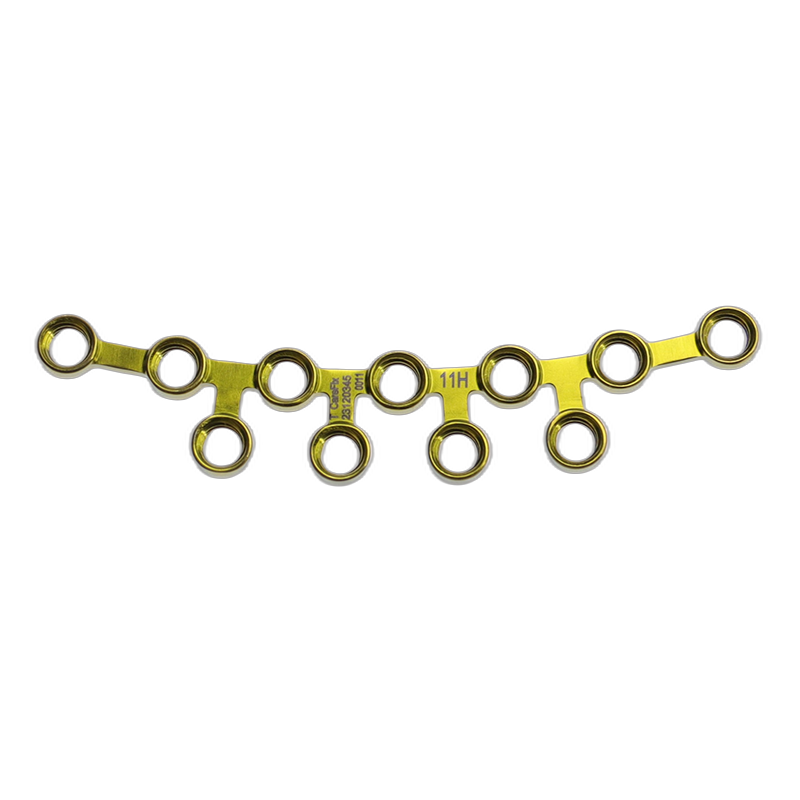
Scaphoid Plate: Advanced Fracture Fixation

Get a Free Quote

Our representative will contact you soon.
Email
Name
Company Name
Message
0/1000

scaphoid plate

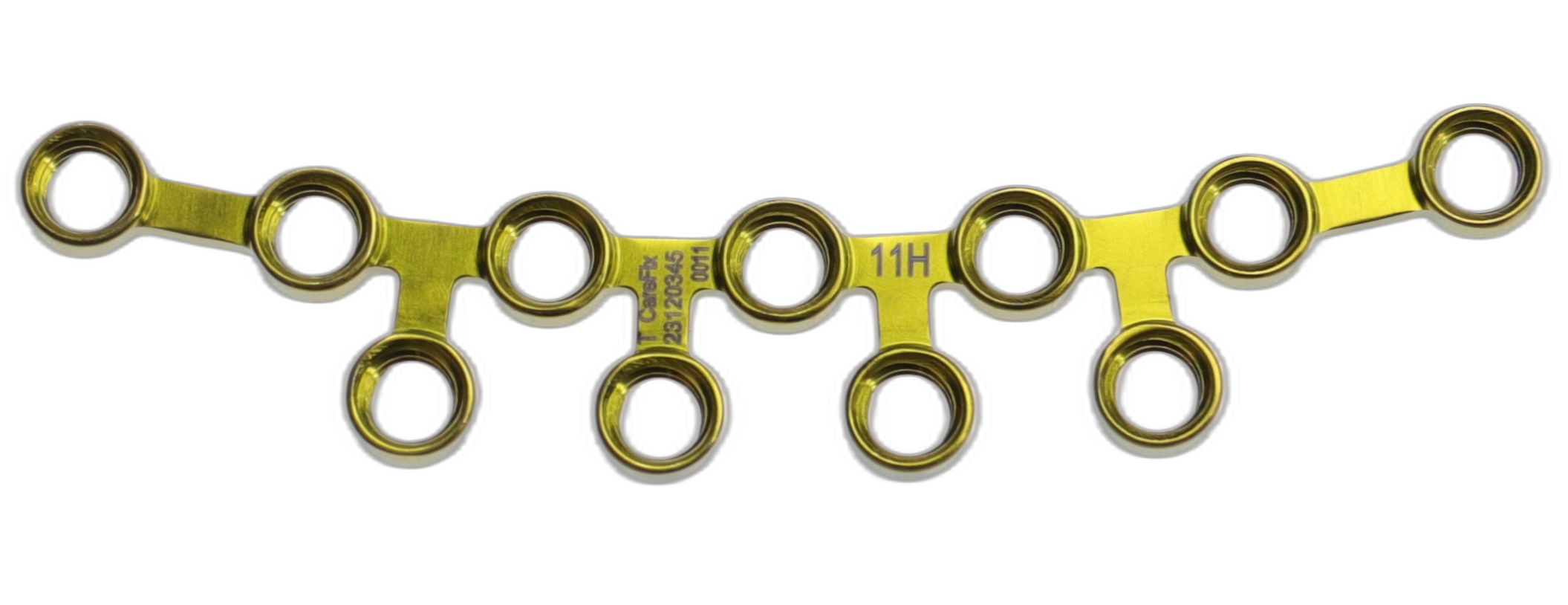
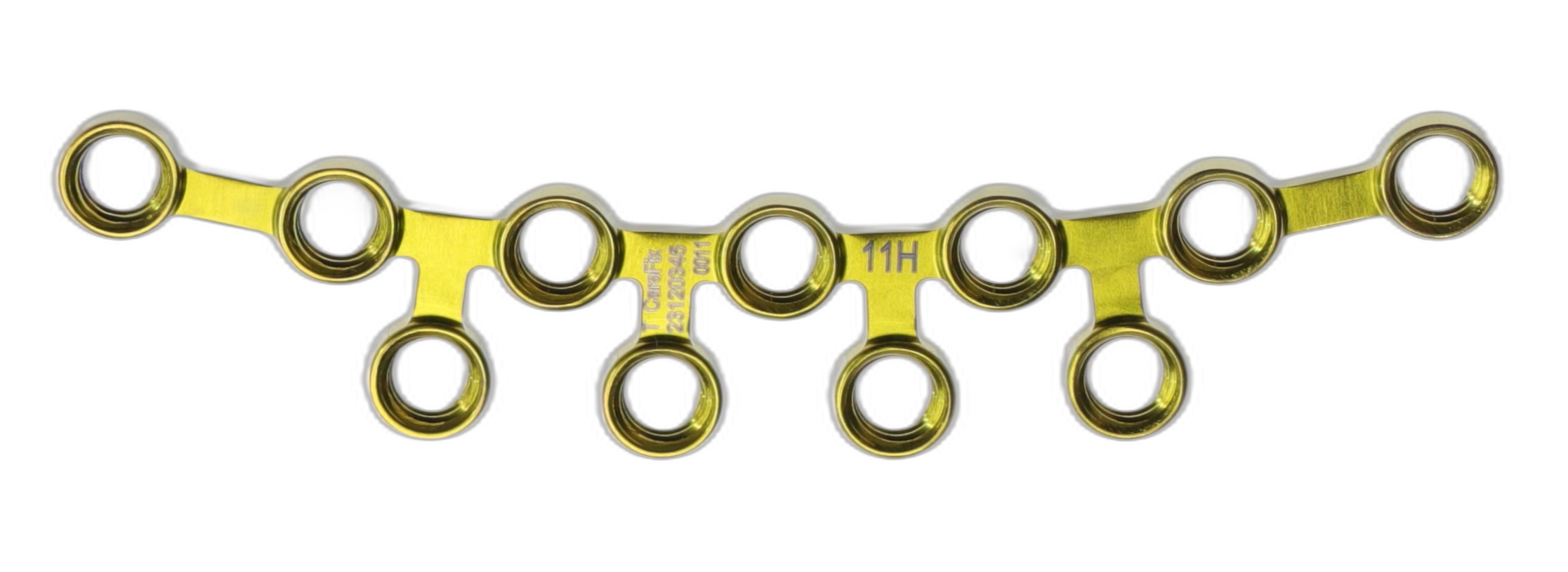
The scaphoid plate is a specialized orthopedic implant designed to stabilize and support fractures of the scaphoid bone, one of the small bones located in the wrist. This medical device plays a crucial role in treating complex scaphoid fractures that cannot heal properly through conservative methods alone. The scaphoid plate features an anatomically contoured design that matches the unique shape of the scaphoid bone, ensuring optimal fit and stability during the healing process. Manufactured from high-grade titanium or stainless steel alloys, this implant provides excellent biocompatibility and strength. The main functions of the scaphoid plate include providing rigid fixation of bone fragments, maintaining proper alignment during healing, and allowing early mobilization of the wrist joint. Technological features incorporate low-profile construction to minimize soft tissue irritation, multiple screw holes for versatile fixation options, and locking screw technology for enhanced stability. The plate's surface often receives specialized treatments to promote bone integration and reduce infection risk. Applications of the scaphoid plate extend to treating acute scaphoid fractures, scaphoid nonunions, and cases requiring bone grafting procedures. Surgeons utilize this device in open reduction internal fixation procedures where precise anatomical restoration is essential. The scaphoid plate system typically includes various sizes and configurations to accommodate different patient anatomies and fracture patterns, making it a versatile solution in hand and wrist surgery.

New Product Releases

Patients who receive treatment with a scaphoid plate benefit from significantly improved fracture stability compared to traditional fixation methods. The rigid fixation provided by the scaphoid plate allows you to begin rehabilitation exercises earlier, which means faster recovery of wrist function and quicker return to daily activities. The anatomical design ensures that bone fragments remain precisely aligned throughout the healing process, reducing the risk of malunion or nonunion complications that could require additional surgeries. For surgeons, the scaphoid plate offers straightforward surgical technique with reliable outcomes, making procedures more predictable and efficient. The low-profile construction means less irritation to surrounding tendons and soft tissues, resulting in greater comfort during recovery and reduced need for implant removal procedures later. The scaphoid plate demonstrates particular suitability for complex fracture patterns, displaced fractures, and revision cases where previous treatments have failed. Athletes and manual workers especially value the robust fixation that enables them to return to demanding activities with confidence. The biocompatible materials used in manufacturing ensure excellent tissue tolerance and long-term integration with bone. Locking screw options provide angular stability that maintains reduction even in osteoporotic bone, expanding treatment possibilities for elderly patients. The versatility of the scaphoid plate system allows surgeons to customize fixation strategies based on individual patient needs and specific fracture characteristics. Investment in scaphoid plate technology translates to better clinical outcomes, higher patient satisfaction rates, and reduced healthcare costs associated with failed treatments or prolonged disability. The proven track record of this fixation method gives both surgeons and patients confidence in choosing surgical intervention when appropriate.

Practical Tips

Special Needs of Children's Bones: Design Philosophy of Pediatric Internal Fixation Systems

16

Dec

Special Needs of Children's Bones: Design Philosophy of Pediatric Internal Fixation Systems

Children's bones present unique challenges that require specialized approaches in orthopedic surgery. Unlike adult skeletal structures, pediatric bones are constantly growing, adapting, and remodeling throughout development. When fractures or deformi...
View More
HTO Locking Plate: A Precise and Stable Solution for High Knee Joint Osteotomy

13

Jan

HTO Locking Plate: A Precise and Stable Solution for High Knee Joint Osteotomy

High tibial osteotomy represents one of the most effective surgical interventions for treating knee joint disorders, particularly those involving medial compartment osteoarthritis and varus deformity correction. The success of this procedure largely ...
View More
How to choose the appropriate size and thread of hollow screws?

11

Feb

How to choose the appropriate size and thread of hollow screws?

Selecting the right hollow screws for orthopedic procedures requires careful consideration of multiple factors that directly impact surgical outcomes and patient recovery. These specialized medical devices serve critical functions in bone fixation, t...
View More
The application advantages of modular braces in ankle fractures

15

Apr

The application advantages of modular braces in ankle fractures

Ankle fractures represent one of the most challenging orthopedic injuries to manage effectively, requiring precise stabilization and controlled healing environments. Traditional casting methods often fall short in providing the dynamic support and ad...
View More

Get a Free Quote

Our representative will contact you soon.
Email
Name
Company Name
Message
0/1000

scaphoid plate

Anatomically Contoured Design for Optimal Fit

Anatomically Contoured Design for Optimal Fit

The scaphoid plate features a precisely engineered anatomical contour that mirrors the natural curvature and shape of the scaphoid bone. This thoughtful design element ensures intimate contact between the implant and bone surface, maximizing stability and promoting efficient load transfer during healing. Unlike generic plates that may require extensive intraoperative bending, the pre-contoured scaphoid plate simplifies surgical technique and reduces operative time. The anatomical fit minimizes gaps between plate and bone that could compromise fixation strength or create stress concentrations. This design consideration proves especially valuable given the scaphoid's complex three-dimensional geometry and its critical position within the wrist's mechanical chain. The precise fit also means less soft tissue dissection is required during surgery, preserving blood supply to the fracture site and surrounding structures. Patients benefit from this design through more predictable healing, reduced surgical trauma, and better functional outcomes. The anatomical contouring accommodates the scaphoid's varying thickness and surface topography, ensuring screws can be placed in optimal trajectories for maximum purchase. This feature makes the scaphoid plate suitable for a wide range of patient sizes and anatomical variations while maintaining consistent fixation quality.
Advanced Locking Screw Technology for Superior Stability

Advanced Locking Screw Technology for Superior Stability

The scaphoid plate incorporates state-of-the-art locking screw technology that creates a fixed-angle construct between screws and plate, functioning as an internal fixator. This advanced feature provides angular stability that does not rely solely on friction between plate and bone, making fixation more resistant to loosening and displacement. The locking mechanism proves particularly advantageous when treating osteoporotic bone or comminuted fractures where traditional compression may be insufficient. Each locking screw threads directly into the plate holes, creating a unified construct that distributes forces more evenly across the fracture site. This technology allows surgeons to achieve stable fixation without excessive compression that might compromise already tenuous blood supply to scaphoid fragments. Patients with compromised bone quality who previously might not have been candidates for plate fixation can now benefit from this secure stabilization method. The locking screw design also prevents screw backout, a complication that can lead to soft tissue irritation or fixation failure. The versatility of combination holes that accept both locking and non-locking screws gives surgeons flexibility to customize compression and stability based on fracture characteristics. This technological advancement represents a significant improvement in scaphoid plate systems, directly translating to better clinical outcomes and reduced revision surgery rates.
Low-Profile Construction for Enhanced Patient Comfort

Low-Profile Construction for Enhanced Patient Comfort

The scaphoid plate utilizes a low-profile design philosophy that minimizes implant prominence beneath the skin and reduces interference with surrounding anatomical structures. This engineering consideration addresses one of the most common complications associated with wrist implants: soft tissue irritation and tendon dysfunction. The slim profile means the plate sits closer to bone without creating prominent bulges that could impinge on the numerous tendons crossing the wrist region. Patients experience greater comfort during daily activities and throughout the rehabilitation process, with significantly reduced risk of developing painful tendonitis or requiring implant removal surgery. The reduced thickness does not compromise mechanical strength, as advanced materials and engineering ensure the scaphoid plate maintains excellent load-bearing capacity despite its slim dimensions. This design feature proves especially important in the wrist area where skin coverage is relatively thin and multiple tendons glide in close proximity to bone surfaces. Surgeons appreciate that the low-profile construction facilitates wound closure and reduces tension on surgical incisions. The streamlined design also means less foreign material is introduced into the body, which correlates with lower infection rates and better tissue integration. For patients concerned about cosmetic appearance, the minimal implant profile results in less visible scarring and contour irregularities. This thoughtful design element demonstrates how the scaphoid plate balances biomechanical requirements with patient comfort and quality-of-life considerations.
logo