orthopedic screws
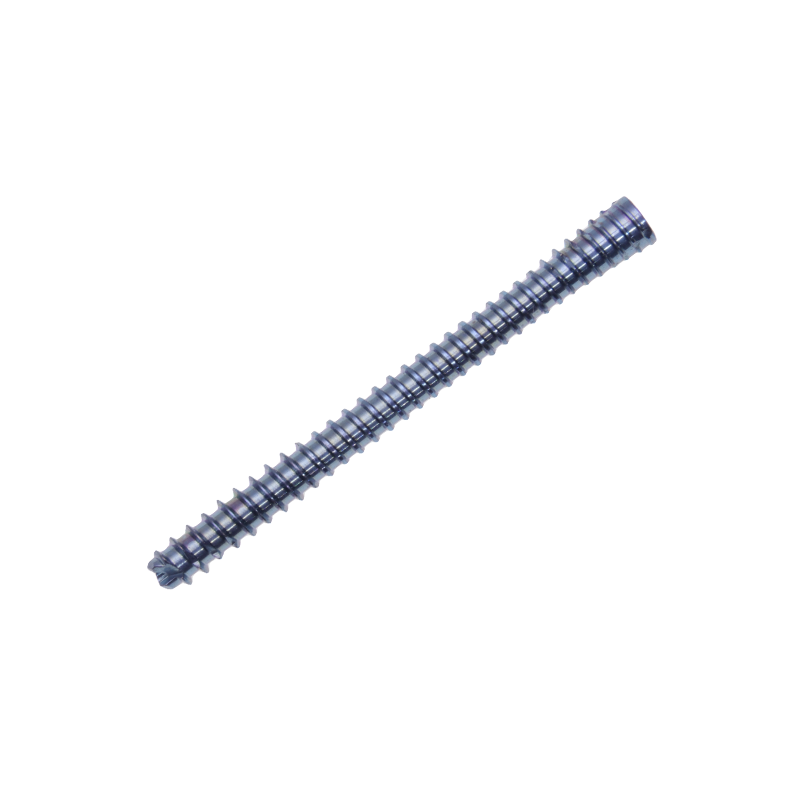
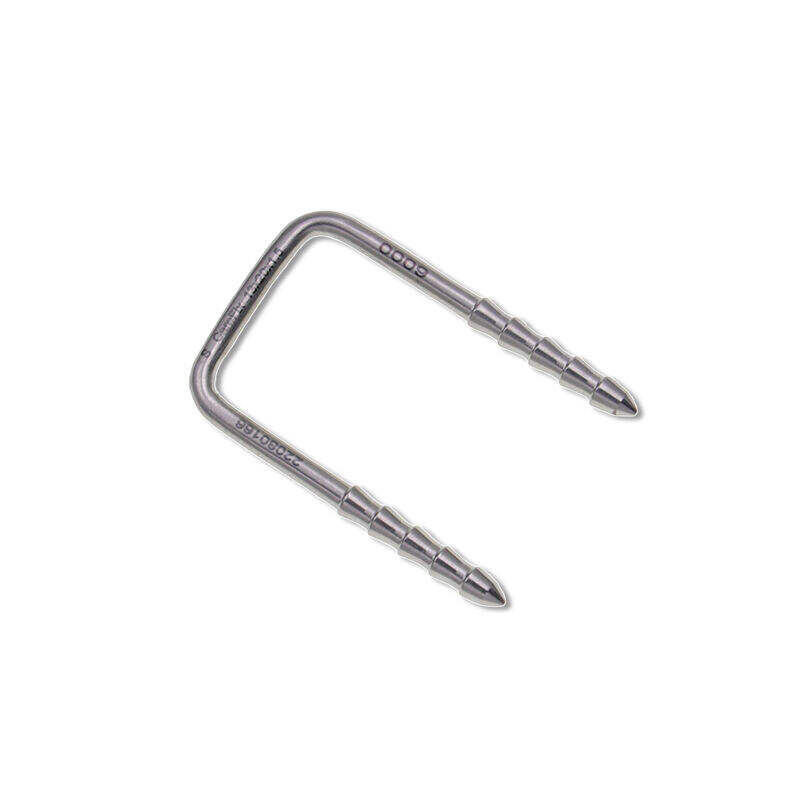
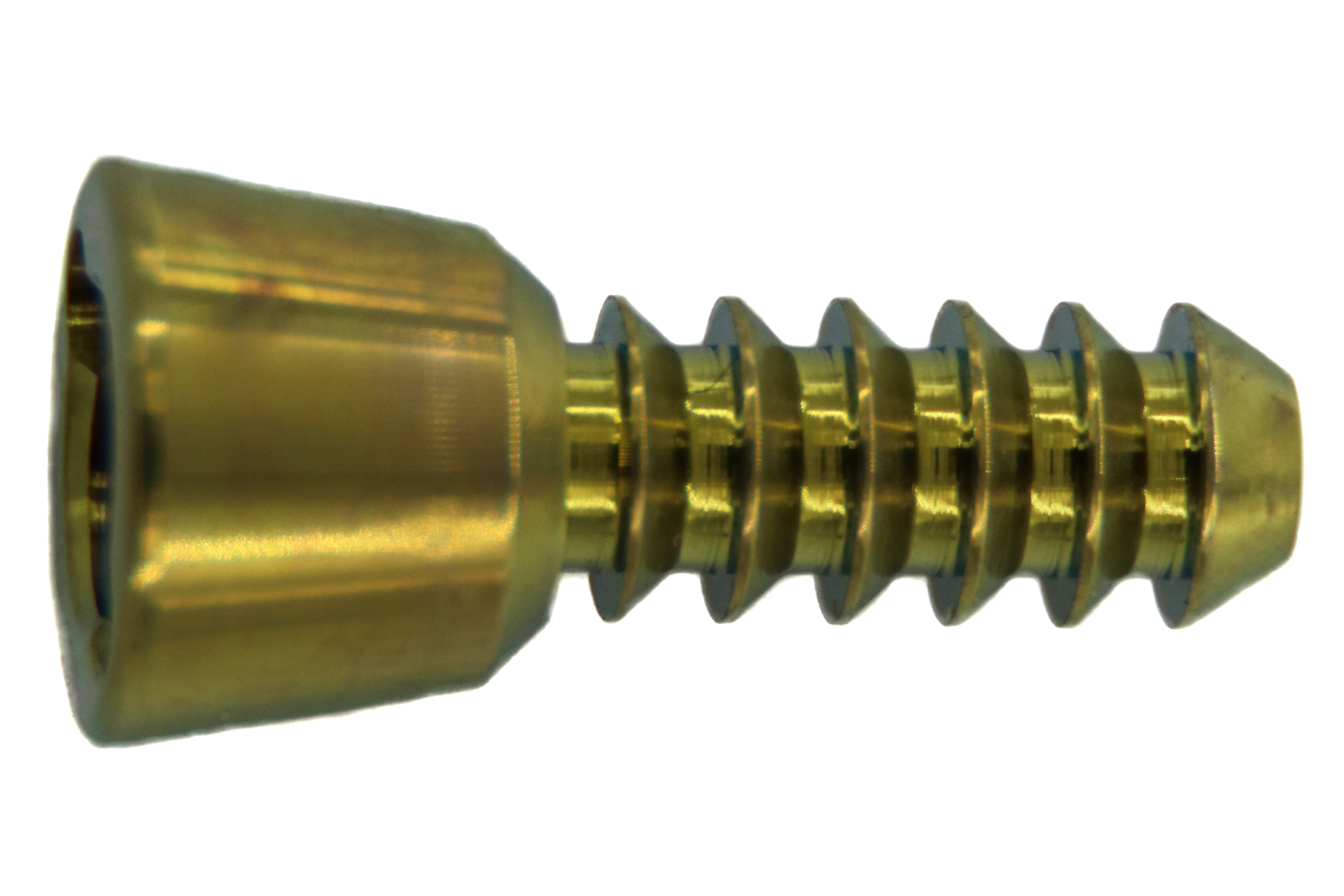
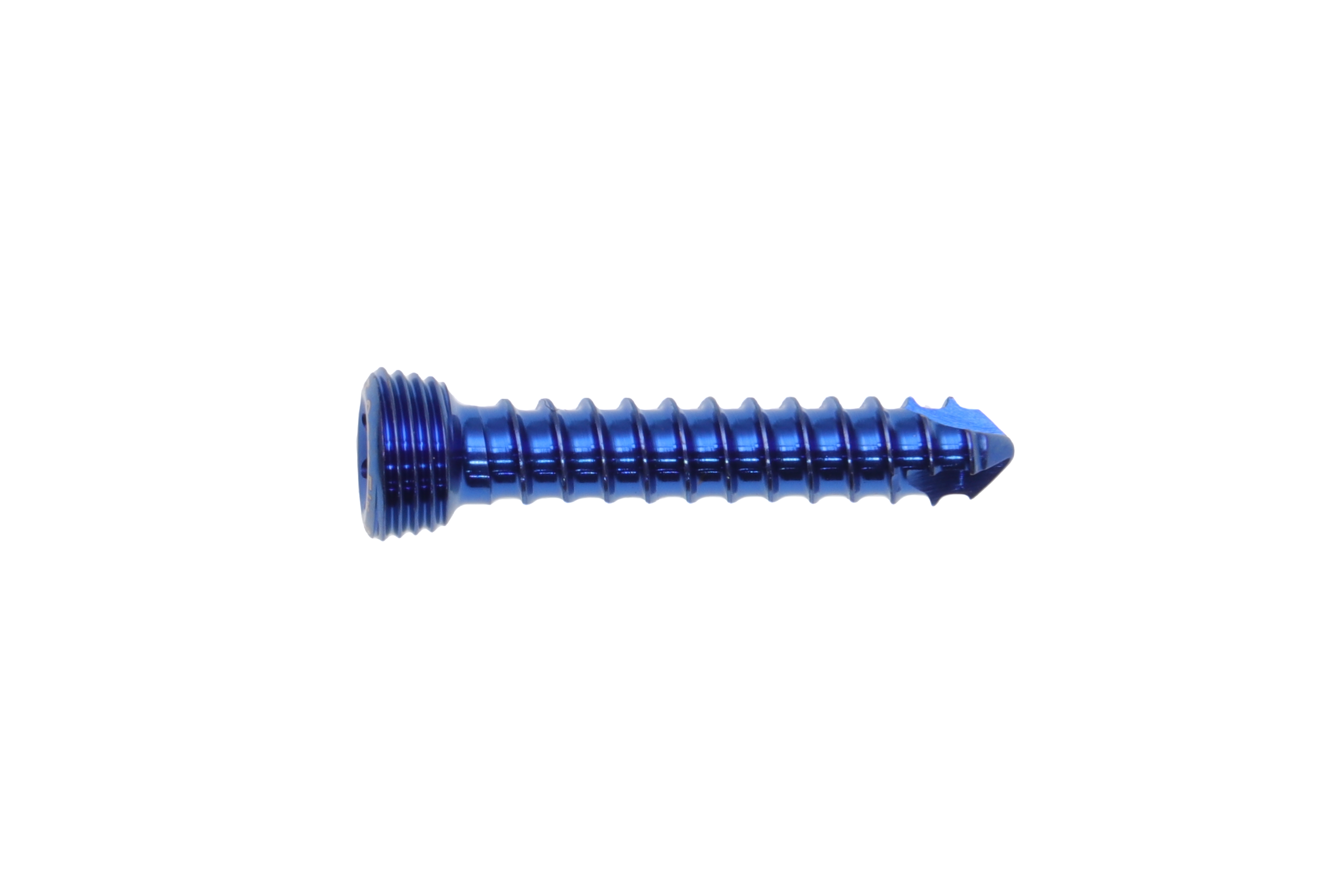
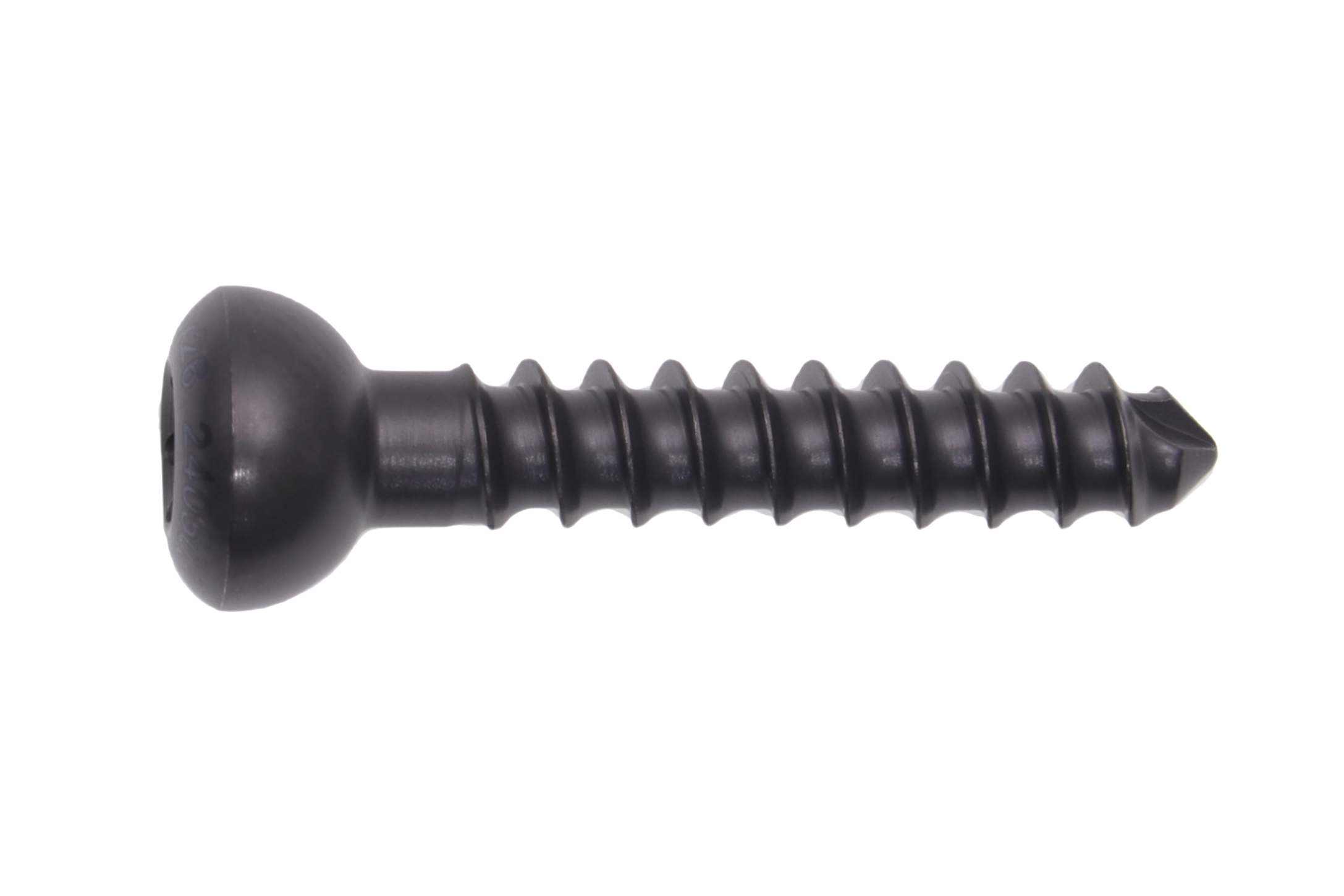
Orthopedic screws are essential surgical implants designed to provide stable fixation of bone fragments during fracture repair and reconstructive procedures. These precision-engineered devices serve as internal fixation tools that hold bones in proper alignment while natural healing occurs. Orthopedic screws come in various sizes, materials, and thread designs to accommodate different bone types, fracture patterns, and surgical requirements. The main functions include compression of fracture sites, interfragmentary fixation, and secure attachment of plates or other implants to bone tissue. Technologically, modern orthopedic screws feature advanced materials such as titanium alloys and stainless steel that offer excellent biocompatibility and corrosion resistance. Self-tapping designs eliminate the need for pre-tapping in many applications, while self-drilling options further streamline surgical procedures. Thread configurations are optimized for maximum purchase in both cortical and cancellous bone, ensuring reliable fixation strength. Many orthopedic screws incorporate features like hexagonal or star-drive recesses for improved torque transmission and reduced stripping risk during insertion. Applications span the full spectrum of orthopedic surgery, including trauma fixation for long bone fractures, small bone procedures in hands and feet, spinal fusion surgeries, joint reconstruction, and sports medicine interventions. Pediatric and geriatric patients benefit from specialized screw designs that accommodate softer or osteoporotic bone. The versatility of orthopedic screws makes them indispensable tools in modern surgical practice, supporting successful outcomes across diverse patient populations and anatomical locations.
 EN
EN